

Coenzyme Q10 (CoQ10) and Statin myopathy (statin‑associated muscle symptoms, SAMS)
Coenzyme Q10 (CoQ10) is a vitamin‑like compound central to mitochondrial energy production and cellular antioxidant defenses. Statin myopathy—often described as statin‑associated muscle symptoms (SAMS)—includes muscle aches, weakness, cramps, and, rarely, severe injury. Understanding how CoQ10 and SAMS relate matters because statins remain foundational for cardiovascular risk reduction, yet muscle symptoms can limit adherence. Biological plausibility is well established. Statins inhibit HMG‑CoA reductase, reducing the mevalonate pathway that produces both cholesterol and isoprenoids, including ubiquinone (CoQ10). Statin therapy consistently lowers circulating CoQ10 levels, and CoQ10 is required for electron transport and ATP generation in muscle mitochondria. Experimental work links statins to mitochondrial dysfunction, impaired energy metabolism, and altered calcium handling in muscle. Whether reduced plasma CoQ10 reflects a meaningful depletion in muscle tissue is less clear, but the pathway overlap supports a plausible mechanism for SAMS in susceptible individuals. Clinical evidence for CoQ10 supplementation is mixed. Small randomized trials have reported modest improvements in self‑reported muscle pain or weakness among statin users with SAMS, while others found no benefit. Meta‑analyses pooling these trials suggest small reductions in pain scores in some analyses, with inconsistent effects on creatine kinase and functional measures. Methodological limitations include small sample sizes, short durations, heterogeneity in CoQ10 dose and formulation, variable case definitions of SAMS, and potential expectancy bias due to challenges with blinding. Overall, the signal for symptom relief is possible but not definitive; prevention of SAMS at statin initiation remains uncertain. Clinical considerations and safety: Trials most commonly used daily CoQ10 amounts in the low‑to‑mid hundreds of milligrams, over 4–12 weeks; lipophilic or ubiquinol formulations generally提高(
Updated September 8, 2026This content is for informational purposes only and does not constitute medical advice. Always consult a qualified healthcare provider before starting, stopping, or changing any supplement or medication regimen.
Medical Perspectives
Two Ways of Seeing Health

Western
scientific · clinical
Western medicine applies science, technology, and clinical experience to treat symptoms through testing, diagnosis, and targeted intervention.
Surgeons · Pharmaceuticals · Clinical trials · Diagnostics 
Eastern
traditional · alternative
Eastern medicine focuses on treating the body naturally by applying traditional knowledge practiced for thousands of years, emphasizing balance and whole-person wellness.
Acupuncture · Herbal medicine · Yoga · Meditation
Gold Bamboo presents both perspectives side-by-side so you can make informed decisions. We don't advocate for one over the other — your health choices are yours.
Two Ways of Seeing Health
Western
scientific · clinical
Western medicine applies science, technology, and clinical experience to treat symptoms through testing, diagnosis, and targeted intervention.
Eastern
traditional · alternative
Eastern medicine focuses on treating the body naturally by applying traditional knowledge practiced for thousands of years, emphasizing balance and whole-person wellness.
Gold Bamboo presents both perspectives side-by-side so you can make informed decisions. We don't advocate for one over the other — your health choices are yours.
Western Perspective
Western medicine recognizes a biologically plausible link between statins, reduced mevalonate pathway products (including CoQ10), and muscle symptoms. However, high‑quality clinical evidence that CoQ10 supplementation reliably prevents or treats statin myopathy is inconsistent, and major guidelines do not endorse routine use.
Key Insights
- Statins lower circulating CoQ10; mitochondrial dysfunction is implicated in SAMS, but tissue depletion and causality remain debated (mechanism: strong; causality: uncertain).
- Randomized trials show mixed results—some improvement in pain scores, little to no effect on creatine kinase or strength; meta‑analyses suggest at most modest benefit in selected patients.
- Guidelines prioritize confirming SAMS, excluding secondary causes (e.g., hypothyroidism, drug interactions), statin re‑challenge, dose reduction, switching to hydrophilic statins, or using nonstatin agents (ezetimibe, PCSK9 inhibitors, bempedoic acid).
- CoQ10 is generally well tolerated; potential interactions include reduced warfarin effect. Bioavailability varies by formulation; taking with food may enhance absorption.
- Patients with documented statin benefit (ASCVD or high risk) should maintain LDL‑lowering strategies; a time‑limited CoQ10 trial may be considered as an adjunct in persistent SAMS after basic management steps.
Treatments
- Coenzyme Q10 as adjunct for symptomatic relief in selected SAMS cases
- Statin dose reduction or alternate‑day dosing
- Switching to hydrophilic statins (e.g., pravastatin, rosuvastatin)
- Nonstatin LDL‑lowering (ezetimibe, PCSK9 inhibitors, bempedoic acid)
- Address secondary contributors (thyroid dysfunction, vitamin D deficiency, drug interactions)
Deep Dive
From a western clinical viewpoint, the CoQ10–statin myopathy connection begins in the mevalonate pathway. HMG‑CoA reductase catalyzes a rate‑lim... From a western clinical viewpoint, the CoQ10–statin myopathy connection begins in the mevalonate pathway. HMG‑CoA reductase catalyzes a rate‑limiting step not only for cholesterol synthesis but also for production of isoprenoids and ubiquinone (CoQ10). Statins reliably lower circulating CoQ10 concentrations, and experimental models link statins to mitochondrial dysfunction, reduced ATP generation, and altered calcium signaling—mechanisms congruent with diffuse, exertional myalgias. Yet, translating this plausibility into consistent clinical benefit from CoQ10 has been challenging. Randomized trials testing CoQ10 for statin‑associated muscle symptoms (SAMS) are generally small and short; some report modest improvements in patient‑reported pain or weakness, while others are neutral. Meta‑analyses pooling these data suggest at most a small improvement in symptom scores without consistent changes in creatine kinase or muscle strength. Heterogeneous definitions of SAMS, varying CoQ10 doses and formulations, difficulties with blinding due to supplement characteristics, and expectancy effects limit certainty. Consequently, major guidelines prioritize core SAMS management—confirming symptom–statin relationships (including re‑challenge), excluding secondary causes (e.g., hypothyroidism, low vitamin D, drug interactions), dose reduction or alternate‑day dosing, switching to hydrophilic statins, and employing nonstatin LDL‑lowering agents (ezetimibe, PCSK9 inhibitors, bempedoic acid). Within this framework, a time‑limited trial of CoQ10 can be reasonable for persistent SAMS when maintaining lipid‑lowering therapy is important, provided patients understand the uncertain benefit. Safety considerations are favorable overall. CoQ10 is typically well tolerated; gastrointestinal discomfort, insomnia, or rash are occasional. It may reduce warfarin’s anticoagulant effect, warranting closer INR monitoring if used together. Bioavailability differs markedly across formulations; fat‑soluble forms and those designed to enhance absorption may achieve higher plasma levels, and taking with food can help. Pragmatically, clinicians who trial CoQ10 often evaluate for improvement over several weeks, using symptom scales or functional goals, and discontinue if no clear benefit emerges, while pursuing proven lipid‑lowering strategies to protect cardiovascular outcomes.
Sources
- Thompson PD et al. Statin-Associated Side Effects. J Am Coll Cardiol. 2016;67(20):2395-2410.
- European Atherosclerosis Society Consensus Panel. Statin-associated muscle symptoms. Eur Heart J. 2015;36:1012-1022.
- ACC 2022 Expert Consensus Decision Pathway on the Role of Nonstatin Therapies. J Am Coll Cardiol. 2022;80(14):1366-1418.
- Marcoff L, Thompson PD. The role of coenzyme Q10 in statin-associated myopathy. J Am Coll Cardiol. 2007;49(23):2231-2237.
- National Lipid Association Scientific Statement on Statin Intolerance. J Clin Lipidol. 2022;16(4):362-381.
Eastern Perspective
Traditional and integrative frameworks view statin myopathy as a disturbance of vital energy and muscle nourishment, often linked to impaired mitochondrial function from a biomedical standpoint. CoQ10, while not a classical herb, is used in integrative practice to support cellular energy and antioxidant defenses alongside lifestyle, acupuncture, and botanicals that address inflammation and circulation.
Key Insights
- In Traditional Chinese Medicine, diffuse muscle aching can reflect qi and blood stagnation with underlying Spleen or Liver deficiencies; therapies aim to move qi/blood and restore nourishment.
- In Ayurveda, generalized myalgia may be associated with vata aggravation and depleted ojas (vital essence); interventions emphasize grounding nutrition, gentle movement, and rasayana (rejuvenative) support.
- Integrative clinicians frame CoQ10 as mitochondrial support; adjuncts like acupuncture may reduce myalgia and improve function, with low risk.
- Dietary patterns rich in anti‑inflammatory foods and adequate protein, plus stress and sleep optimization, are emphasized to support recovery.
- Evidence for nonpharmacologic approaches is growing but remains heterogeneous; individualized care and shared decision‑making are central.
Treatments
- CoQ10 (ubiquinone/ubiquinol) as mitochondrial support
- Acupuncture for myalgia and function
- Gentle qi‑moving practices (tai chi, qigong, yoga)
- Anti‑inflammatory dietary patterns (Mediterranean‑style)
- Ayurvedic rasayana tonics and warming oils (as adjuncts under practitioner guidance)
Deep Dive
Traditional and integrative paradigms interpret statin myopathy through the lenses of energy flow, nourishment, and balance. In Traditional Chin... Traditional and integrative paradigms interpret statin myopathy through the lenses of energy flow, nourishment, and balance. In Traditional Chinese Medicine (TCM), migratory or diffuse muscle aches may reflect stagnation of qi and blood with underlying Spleen or Liver deficiencies; treatment aims to restore smooth flow and rebuild reserves. In Ayurveda, generalized myalgia can point to vata aggravation and depletion of ojas (vital essence), guiding soothing, warming, and strengthening measures. While CoQ10 is not a classical herb, integrative practitioners view it as a mitochondria‑supporting cofactor that may help restore cellular energy in muscles stressed by statins. Within these frameworks, CoQ10 is embedded in a broader plan that addresses terrain: nutrient‑dense, anti‑inflammatory nutrition (often paralleling a Mediterranean pattern), adequate protein for muscle repair, sleep and stress optimization, and gentle movement. Acupuncture may reduce nociceptive signaling and improve local circulation, with supportive evidence for chronic musculoskeletal pain. Mind–body practices such as tai chi, qigong, or yoga can ease stiffness, enhance proprioception, and improve tolerance of daily activity—all potentially helpful in SAMS. Botanicals chosen to reduce inflammation or support circulation may be considered on an individualized basis, with attention to interactions. Evidence in these traditions is complementary and evolving. CoQ10’s mechanistic rationale aligns well with an energy‑restoration narrative, while the symptomatic focus of acupuncture and movement therapies can address pain perception and function. Integrative clinicians stress shared decision‑making: defining patient priorities (pain relief, ability to continue a statin, cardiovascular risk reduction), setting realistic expectations for any supplement trial, and integrating conventional steps (statin modification, nonstatin therapies) with low‑risk adjunctive measures. This respectful blending of approaches seeks to maintain the life‑saving benefits of LDL‑lowering while improving comfort and adherence.
Sources
- Littarru GP, Tiano L. Bioenergetic and antioxidant properties of coenzyme Q10. Mol Biotechnol. 2007;37(1):31-37.
- Vickers AJ et al. Acupuncture for chronic pain: individual patient data meta-analysis. Arch Intern Med. 2012;172(19):1444-1453.
- Sarris J et al. Lifestyle medicine for depression and pain: evidence overview. BMC Psychiatry. 2014;14:107.
- NIH Office of Dietary Supplements. Coenzyme Q10 Fact Sheet. https://ods.od.nih.gov
Evidence Ratings
Statins reduce circulating CoQ10 levels via mevalonate pathway inhibition.
Marcoff L, Thompson PD. J Am Coll Cardiol. 2007;49(23):2231-2237.
Mitochondrial dysfunction is implicated in the pathophysiology of statin-associated muscle symptoms.
Thompson PD et al. Statin-Associated Side Effects. J Am Coll Cardiol. 2016;67(20):2395-2410.
CoQ10 supplementation may modestly improve self-reported statin-associated muscle pain in some trials, with inconsistent effects on creatine kinase.
National Lipid Association Scientific Statement on Statin Intolerance. J Clin Lipidol. 2022;16(4):362-381.
Guidelines do not recommend routine CoQ10 for SAMS but allow individualized adjunct trials after standard management steps.
ACC 2022 Expert Consensus Decision Pathway. J Am Coll Cardiol. 2022;80(14):1366-1418.
CoQ10 is generally well tolerated; it may reduce warfarin’s anticoagulant effect.
NIH ODS Coenzyme Q10 Fact Sheet. https://ods.od.nih.gov
Switching to hydrophilic statins or using nonstatin agents reduces recurrent SAMS while maintaining LDL-C lowering.
European Atherosclerosis Society Consensus Panel. Eur Heart J. 2015;36:1012-1022.
Genetic variation in SLCO1B1 increases risk for statin myopathy, independent of CoQ10 status.
SEARCH Collaborative Group. N Engl J Med. 2008;359:789-799.
Sources
- Thompson PD et al. Statin-Associated Side Effects. J Am Coll Cardiol. 2016;67(20):2395-2410.
- European Atherosclerosis Society Consensus Panel. Statin-associated muscle symptoms. Eur Heart J. 2015;36:1012-1022.
- ACC 2022 Expert Consensus Decision Pathway on the Role of Nonstatin Therapies for LDL-C Lowering. J Am Coll Cardiol. 2022;80(14):1366-1418.
- Marcoff L, Thompson PD. The role of coenzyme Q10 in statin-associated myopathy. J Am Coll Cardiol. 2007;49(23):2231-2237.
- NIH Office of Dietary Supplements. Coenzyme Q10 Fact Sheet. https://ods.od.nih.gov
- SEARCH Collaborative Group. SLCO1B1 variants and statin myopathy. N Engl J Med. 2008;359:789-799.
- Caso G et al. Effect of CoQ10 on statin-induced myopathy: randomized trial. Am J Cardiol. 2007;99:1409-1412.
- Skarlovnik A et al. CoQ10 and statin myalgia: randomized study. Med Sci Monit. 2014;20:2183-2188.
Related Topics
Recommended Products
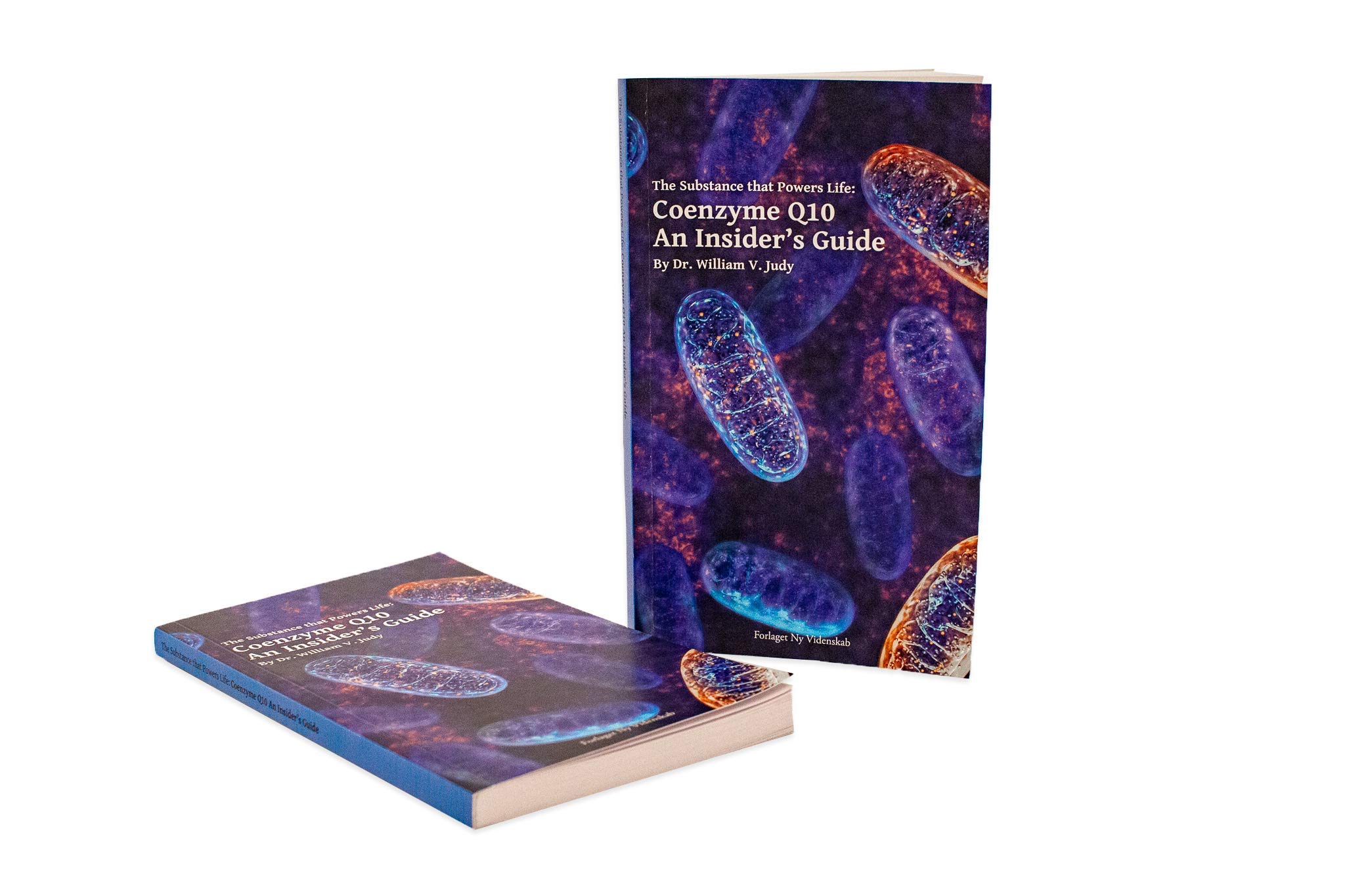
The Substance that Powers Life: Coenzyme Q10 - an Insider's Guide: Dr. William V. Judy
In this book, Dr. William Judy, the founder and president of the SIBR Research Institute, <strong>details many of the health benefits of Coenzyme Q10 and addresses common misconceptions about Coenzyme
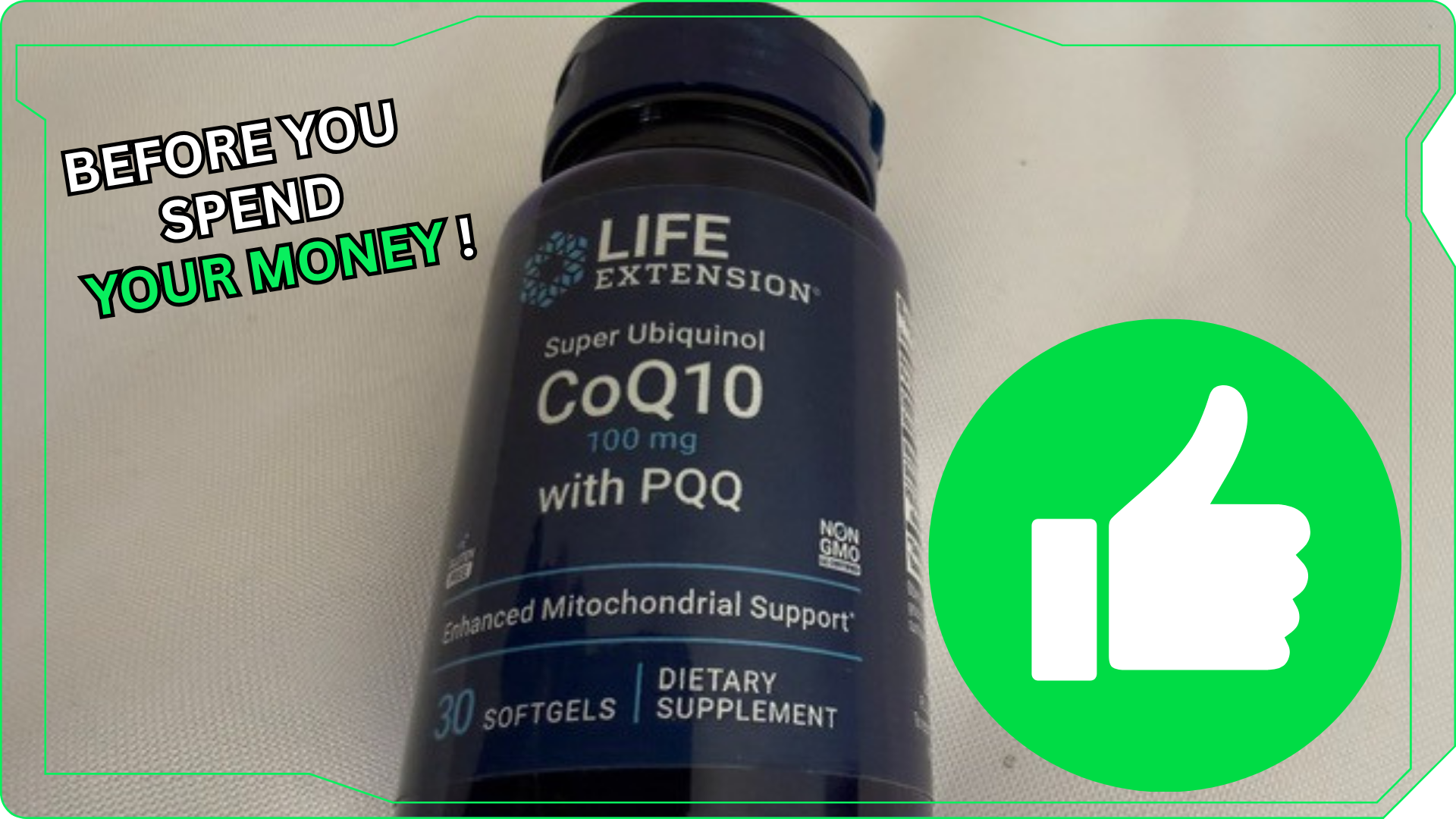
Life Extension Super Ubiquinol CoQ10, Heart Health Supplement, Cell Energy, oxidative Stress Defense, Maximum Absorption, 100 mg, Non-GMO, Gluten-Free, 60 softgels
Ubiquinol (as Kaneka Ubiquinol™) 100 mg Other ingredients: extra virgin olive oil, gelatin, glycerin, beeswax, purified water, sunflower lecithin, ascorbyl palmitate, annatto color.

Jarrow Formulas QH-Absorb Ubiquinol 100mg - 120 Softgels - High Absorption & Active Antioxidant Form of Co-Q10 - Supports Mitochondrial Energy Production & Healthy Cardiovascular Function
Clinically Shown: Jarrow Formulas’ ... mg per day) over baseline · Convenient Softgels: <strong>Each softgel form QH-Absorb serving provides 100 mg of ubiquinol, a Co Q 10 supplement</strong>; Take 1
Health Disclaimer
This content is for informational purposes only and does not constitute medical advice. Always consult a qualified healthcare provider before starting, stopping, or changing any supplement or medication regimen.