

Statin myopathy
Also known as: statin‑associated muscle symptoms, SAMS, Statin myopathy (statin‑associated muscle symptoms, SAMS)
Overview
Statin myopathy, often discussed under the broader term statin-associated muscle symptoms (SAMS), refers to muscle-related complaints that occur during treatment with statin medications. Statins are widely used to lower low-density lipoprotein (LDL) cholesterol and reduce cardiovascular risk, so SAMS has become an important clinical topic because it can affect long-term adherence to therapy. The term may include a spectrum of symptoms, ranging from muscle aches, stiffness, cramps, tenderness, or weakness with normal blood tests, to less common forms involving creatine kinase (CK) elevation, and very rarely, severe muscle injury such as rhabdomyolysis.
SAMS is clinically significant because statins are among the most frequently prescribed medications worldwide. In randomized trials, the rate of severe muscle injury has generally been low, while observational studies and routine clinical practice report muscle symptoms more often. This gap has led to ongoing debate about the roles of drug effect, dose, drug interactions, individual susceptibility, exercise, thyroid status, vitamin D status, and the nocebo/drucebo effect in symptom reporting. Research suggests that many people who report SAMS can ultimately tolerate the same or a different statin under careful reassessment, but a subset appears to have reproducible statin-related symptoms.
The condition is best understood as a heterogeneous syndrome rather than a single disorder. Risk appears to be influenced by factors such as older age, female sex, low body mass, high-intensity statin therapy, certain genetic variants, liver or kidney impairment, hypothyroidism, interacting medications, and underlying neuromuscular vulnerability. Lipophilic statins, higher doses, and medicines that affect statin metabolism may increase the likelihood of symptoms in some patients, although individual responses vary substantially.
From a broader health perspective, SAMS matters because it sits at the intersection of cardiovascular prevention, medication tolerability, and quality of life. Conventional medicine emphasizes diagnostic clarification and balancing cardiovascular benefit against symptom burden, while traditional systems may interpret muscle pain and fatigue through patterns involving circulation, deficiency, inflammation, or impaired recovery. Because muscle symptoms can also reflect many other causes unrelated to statins, careful evaluation by a qualified healthcare professional is considered important.
Medical Perspectives
Two Ways of Seeing Health

Western
scientific · clinical
Western medicine applies science, technology, and clinical experience to treat symptoms through testing, diagnosis, and targeted intervention.

Eastern
traditional · alternative
Eastern medicine focuses on treating the body naturally by applying traditional knowledge practiced for thousands of years, emphasizing balance and whole-person wellness.
Gold Bamboo presents both perspectives side-by-side so you can make informed decisions. We don't advocate for one over the other — your health choices are yours.
Western Medicine Perspective
Western Medicine Perspective
In conventional medicine, SAMS is usually approached as a diagnostic and management challenge rather than a single lab-defined disease. Clinicians often distinguish among: myalgia (muscle symptoms without substantial CK elevation), myositis/myopathy (symptoms with elevated CK), and rhabdomyolysis (marked muscle breakdown, often with very high CK and risk of kidney injury). Most reported cases fall into the milder myalgia category. Formal definitions vary across organizations, but the central question is whether symptoms are temporally related to statin exposure, improve with discontinuation, and recur with rechallenge.
Mechanistically, several hypotheses have been studied. These include mitochondrial dysfunction, reduced muscle energy production, altered membrane stability, changes in coenzyme Q10 pathways, impaired calcium handling, immune-mediated injury in rare cases, and pharmacokinetic effects caused by drug interactions. A notable rare entity is statin-associated immune-mediated necrotizing myopathy, linked to anti-HMGCR antibodies, which can persist even after the statin is stopped and is treated differently from typical SAMS. Research also highlights the importance of the nocebo/drucebo effect, meaning expectations about side effects may contribute to symptom burden in some individuals.
Conventional evaluation commonly considers symptom pattern, timing, CK level, thyroid function, liver and kidney status, medication review, exercise history, alcohol use, and alternative musculoskeletal or neurologic explanations. The broader clinical aim is often to maintain lipid-lowering benefit when possible while clarifying whether the statin is the true cause. Studies indicate that many patients who experience SAMS with one regimen may later tolerate a lower dose, a different statin, or non-statin lipid-lowering strategies under medical supervision. Because abrupt discontinuation of statins can increase cardiovascular risk in some populations, assessment is generally individualized and risk-benefit based.
Severe muscle symptoms, dark urine, profound weakness, or marked CK elevation are treated in conventional medicine as potentially urgent findings. In those scenarios, prompt medical evaluation is considered important because the differential diagnosis includes rhabdomyolysis, inflammatory myopathies, metabolic causes, endocrine disorders, and drug-drug interactions.
Eastern & Traditional Perspective
Eastern/Traditional Medicine Perspective
Traditional and integrative systems do not typically describe SAMS in the pharmacologic language of statin toxicity, but they do have long-standing frameworks for muscle pain, heaviness, cramping, fatigue, and weakness. In Traditional Chinese Medicine (TCM), these symptoms may be interpreted through patterns such as qi and blood stagnation, Liver blood deficiency affecting the sinews, Spleen qi deficiency with dampness, or sometimes Kidney deficiency when weakness and reduced recovery are prominent. The focus is generally on restoring functional balance, circulation, and tissue nourishment rather than isolating a single biochemical mechanism.
In Ayurveda, statin-related muscle complaints may be viewed through imbalances involving Vata in the muscular and nervous systems, sometimes with contributions from ama (metabolic byproducts or impaired digestion) or depletion of tissue vitality. Symptoms such as cramping, dryness, fatigue, or diffuse aches could be framed as disturbances in movement, nourishment, and tissue resilience. Naturopathic and other traditional frameworks may similarly emphasize constitutional susceptibility, inflammation, mitochondrial vitality, nutrient status, overexertion, and whole-person context.
Traditional approaches commonly discuss supportive modalities such as dietary patterning, gentle movement, manual therapies, acupuncture, mind-body practices, and restorative routines. From an evidence standpoint, these approaches may help with general pain, stress modulation, and functional well-being, but research specifically for statin-associated muscle symptoms remains limited. As a result, traditional perspectives are best understood as complementary explanatory models rather than established disease-specific treatments.
An integrative view often recognizes that muscle symptoms during statin therapy can have multiple overlapping causes: medication effect, exercise strain, aging-related sarcopenia, endocrine imbalance, sleep disruption, stress physiology, or unrelated musculoskeletal disorders. For patients exploring conventional and traditional care together, coordination with licensed healthcare professionals is important, particularly because unexplained muscle weakness or laboratory abnormalities may require medical evaluation.
Related Topics
Coenzyme Q10
CoQ10 — supplement topic in the Gold Bamboo health ontology.
How They Relate
Coenzyme Q10 (CoQ10) & Statin myopathy (statin‑associated muscle symptoms, SAMS)
Coenzyme Q10 (CoQ10) is a vitamin‑like compound central to mitochondrial energy production and cellular antioxidant defenses. Statin myopathy—often described as statin‑associated muscle symptoms (S...
Supplements & Products
Recommended Products
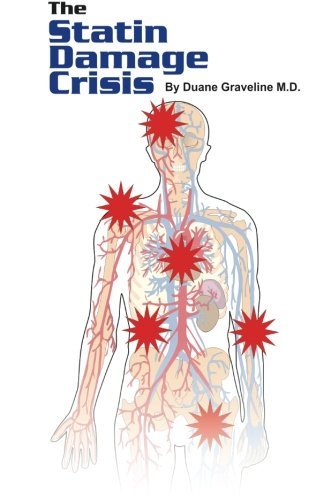
The Statin Damage Crisis: Graveline MD, Duane
<strong>The Statin Damage Crisis</strong> looks at how statins work, the importance of cholesterol in the body, inflammation and atherosclerosis, anti-inflammatory alternatives to statins, serious sid

Jarrow Formulas QH-Absorb Ubiquinol 100mg - 120 Softgels - High Absorption & Active Antioxidant Form of Co-Q10 - Supports Mitochondrial Energy Production & Healthy Cardiovascular Function
Clinically Shown: Jarrow Formulas’ ... mg per day) over baseline · Convenient Softgels: <strong>Each softgel form QH-Absorb serving provides 100 mg of ubiquinol, a Co Q 10 supplement</strong>; Take 1
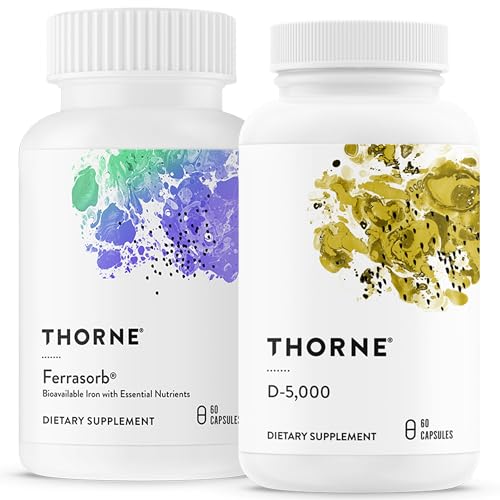
THORNE - Vitamin D-5000 - Vitamin D3 Supplement - Support Healthy Bones, Teeth, Muscles, Cardiovascular & Immune Function* - NSF Certified for Sport - Gluten-Free, Soy-Free - 60 Servings
One Capsule Contains: Vitamin D (as Vitamin D3) (5,000 IU) <strong>125 mcg</strong>.
Evidence & Sources
Promising research with growing clinical support from multiple studies
- European Atherosclerosis Society Consensus Panel, European Heart Journal
- National Lipid Association, Journal of Clinical Lipidology
- American Heart Association, Arteriosclerosis, Thrombosis, and Vascular Biology
- New England Journal of Medicine
- JAMA Cardiology
- National Institute for Health and Care Excellence (NICE)
- U.S. Food and Drug Administration (FDA)
- National Center for Complementary and Integrative Health (NCCIH)
This content is for informational purposes only and does not constitute medical advice. Always consult a qualified healthcare provider before starting, stopping, or changing any supplement or medication regimen.