

Hypothyroidism
Overview
Hypothyroidism is a condition in which the thyroid gland does not produce enough thyroid hormone to meet the body’s needs. The thyroid, a butterfly-shaped gland located in the neck, helps regulate metabolism, energy use, temperature control, heart function, digestion, menstrual function, and many other physiologic processes. When thyroid hormone levels are low, body systems tend to slow down, which can contribute to symptoms such as fatigue, cold intolerance, constipation, dry skin, weight gain, hair changes, low mood, menstrual irregularities, and slowed thinking. In some people, symptoms develop gradually and may be subtle for years.
The condition is common, particularly in women and older adults, and its causes vary. In iodine-sufficient regions, Hashimoto’s thyroiditis—an autoimmune condition in which the immune system attacks thyroid tissue—is among the leading causes. Other causes include thyroid surgery, radioactive iodine treatment, certain medications, postpartum thyroid dysfunction, congenital thyroid disorders, and pituitary or hypothalamic disease. Worldwide, inadequate iodine intake remains an important cause of hypothyroidism in some populations, highlighting the influence of nutrition and public health factors on thyroid disease.
Hypothyroidism is often discussed in two broad forms: overt hypothyroidism, where thyroid-stimulating hormone (TSH) is elevated and free thyroxine (T4) is low, and subclinical hypothyroidism, where TSH is elevated but circulating thyroid hormone levels remain within reference range. This distinction matters because symptoms, clinical significance, and the strength of evidence for treatment can differ. Research suggests that untreated overt hypothyroidism may contribute to elevated cholesterol, infertility, pregnancy-related complications, cognitive slowing, and, in severe cases, rare but life-threatening complications such as myxedema coma.
From a broader health perspective, hypothyroidism sits at the intersection of endocrinology, autoimmunity, nutrition, and women’s health. Because many of its symptoms overlap with stress, aging, depression, anemia, menopause, and other chronic conditions, proper evaluation is important. Conventional medicine emphasizes laboratory diagnosis and hormone replacement when indicated, while traditional systems often frame low-thyroid patterns in terms of depleted vitality, slowed metabolic fire, or impaired circulation of energy and fluids. A balanced understanding benefits from recognizing both the biologic mechanisms established by modern medicine and the symptom-pattern approaches used in traditional healing systems.
Compare Treatment Options
Hypothyroidism is a condition in which the thyroid gland does not make enough thyroid hormone to meet the body’s metabolic needs. Because thyroid hormones influence energy production, temperature regulation, heart rate, digestion, menstrual cycles, mood, and cholesterol handling, low hormone levels can affect many body systems at once. Common symptoms include fatigue, constipation, dry skin, weight change, cold intolerance, hair thinning, depressed mood, brain fog, and menstrual irregularity, but symptoms can develop gradually and vary widely from person to person. Treatment options differ because hypothyroidism is not a single uniform problem. Some cases are caused by Hashimoto’s thyroiditis, an autoimmune condition that gradually damages thyroid tissue; others follow thyroid surgery, radioactive iodine treatment, postpartum changes, certain medications, or nutrient insufficiency in select settings. In western medicine, treatment usually centers on thyroid hormone replacement, most commonly levothyroxine, with dose adjustments guided by TSH and free T4 testing. In eastern medicine, care may focus more on constitutional patterns, fatigue, digestion, coldness, and overall functional balance, often using acupuncture or traditional herbal frameworks as adjunctive approaches. The best fit often depends on symptom severity, lab abnormalities, pace of onset, patient preferences, and willingness to use daily long-term medication or complementary care.
View treatment comparison (6 options)Medical Perspectives
Two Ways of Seeing Health

Western
scientific · clinical
Western medicine applies science, technology, and clinical experience to treat symptoms through testing, diagnosis, and targeted intervention.

Eastern
traditional · alternative
Eastern medicine focuses on treating the body naturally by applying traditional knowledge practiced for thousands of years, emphasizing balance and whole-person wellness.
Gold Bamboo presents both perspectives side-by-side so you can make informed decisions. We don't advocate for one over the other — your health choices are yours.
Western Medicine Perspective
Western Medicine Perspective
In conventional medicine, hypothyroidism is understood primarily as a disorder of inadequate thyroid hormone production or impaired regulation of the hypothalamic-pituitary-thyroid axis. Diagnosis relies heavily on laboratory testing, especially TSH and free T4, with additional testing such as thyroid peroxidase (TPO) antibodies helping identify autoimmune thyroiditis. Imaging is not routinely needed in straightforward cases, but may be used when structural thyroid abnormalities are suspected. Clinicians also consider related factors such as pregnancy status, medication exposures, cardiovascular risk, lipid levels, and coexisting autoimmune disease.
The best-established conventional treatment for overt hypothyroidism is levothyroxine, a synthetic form of T4 intended to restore physiologic hormone levels. Monitoring generally focuses on symptom changes alongside repeat TSH testing, since both under-replacement and over-replacement carry risks. In subclinical hypothyroidism, management is more individualized; studies indicate that benefits of treatment may depend on TSH level, age, pregnancy considerations, symptoms, antibody status, and cardiovascular context. Conventional guidelines generally regard pregnancy, significant TSH elevation, or clear autoimmune progression as situations warranting closer attention.
Western medicine also recognizes that persistent symptoms can occur even when laboratory values normalize. Ongoing fatigue, brain fog, weight concerns, and mood symptoms may reflect residual thyroid-related effects, but they may also stem from sleep disorders, nutritional deficiencies, depression, medication effects, anemia, or other endocrine issues. As a result, evidence-based care often includes reassessment of the diagnosis, medication timing and absorption issues, and evaluation for overlapping conditions rather than assuming all symptoms are due to thyroid hormone levels alone.
Research on combination T4/T3 therapy, nutraceutical approaches, selenium, iodine, and dietary interventions remains mixed. Some studies suggest possible benefit in selected contexts, particularly where deficiency states exist, but evidence is inconsistent and safety depends on dose, population, and baseline thyroid status. Conventional medicine therefore places highest confidence in standardized diagnosis, measured hormone replacement, and regular follow-up with a qualified healthcare professional.
Eastern & Traditional Perspective
Eastern / Traditional Medicine Perspective
Traditional medical systems do not describe hypothyroidism using modern endocrine terminology, but many recognize symptom patterns that overlap with it. In Traditional Chinese Medicine (TCM), presentations resembling hypothyroidism are often interpreted through patterns such as Spleen Qi deficiency, Kidney Yang deficiency, or accumulation of phlegm and dampness. Fatigue, cold intolerance, edema, mental fog, weight gain, and constipation may be viewed as signs that warming and transformative functions are weakened. TCM assessment typically emphasizes pattern differentiation rather than a single disease label, taking into account pulse, tongue, digestion, sleep, emotional state, and constitution.
In Ayurveda, symptoms associated with low thyroid function are often discussed in relation to slowed agni (digestive and metabolic fire), imbalance of Kapha dosha, and in some cases depletion or obstruction involving Vata. Lethargy, heaviness, sluggish digestion, fluid retention, and coldness may be understood as manifestations of reduced metabolic activity and accumulation. Ayurvedic frameworks commonly place importance on digestion, tissue nourishment, daily rhythms, stress, and the relationship between endocrine-like functions and broader systemic balance.
Naturopathic and integrative traditions often approach hypothyroid presentations by considering nutritional adequacy, stress physiology, gut health, inflammation, and autoimmune activity alongside standard laboratory findings. These approaches may discuss the potential relevance of selenium, zinc, iron status, vitamin D, and iodine balance, especially in people with restrictive diets, malabsorption, or autoimmune thyroid disease. However, research is still evolving, and traditional or integrative interpretations do not replace biochemical diagnosis when thyroid disease is suspected.
Across these systems, treatment is typically individualized and focused on restoring balance rather than targeting thyroid hormone directly. While historical use and clinical tradition are substantial, the evidence base for traditional therapies in hypothyroidism is more limited than for conventional hormone replacement. An integrative model generally works best when traditional symptom-pattern approaches are used with awareness of established endocrine testing and with appropriate collaboration among healthcare professionals.
Related Topics
Depression
Depression — condition topic in the Gold Bamboo health ontology.
Infertility
Infertility — condition topic in the Gold Bamboo health ontology.
Weight Gain
Weight Gain — condition topic in the Gold Bamboo health ontology.
How They Relate
Hypothyroidism & Depression
Hypothyroidism and depression frequently overlap clinically and biologically. Thyroid hormones influence brain development, neurotransmission, and energy metabolism; when thyroid levels are low (ov...
Hypothyroidism & Infertility
Hypothyroidism—underactive thyroid function—can meaningfully influence fertility in women and men. Thyroid hormones (T4/T3), regulated by TSH from the pituitary, help coordinate the hypothalamic‑pi...
Hypothyroidism & Weight Gain
Hypothyroidism and weight gain are closely linked, but the relationship is more nuanced than many assume. Thyroid hormones regulate basal metabolic rate, thermogenesis, and fluid balance. When thyr...
Supplements & Products
Recommended Products
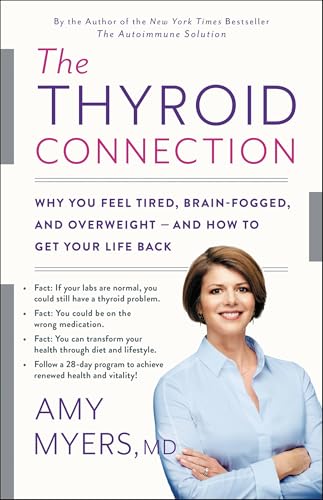
The Thyroid Connection: Why You Feel Tired, Brain-Fogged, and Overweight - and How to Get Your Life Back: Amy Myers MD
I myself had Graves' disease, an ... in my functional medicine clinic in Austin, Texas. Amy Myers, MD, is a <strong>specialist in autoimmune diseases</strong> whose career was set in motion by he

Everlywell at
... AT-HOME LAB TESTING: <strong>This easy-to-use, at-home lab test collection kit helps you measure your levels for the 3 main thyroid hormones (TSH, Free T3, and Free T4) plus thyroid antibodies (TP
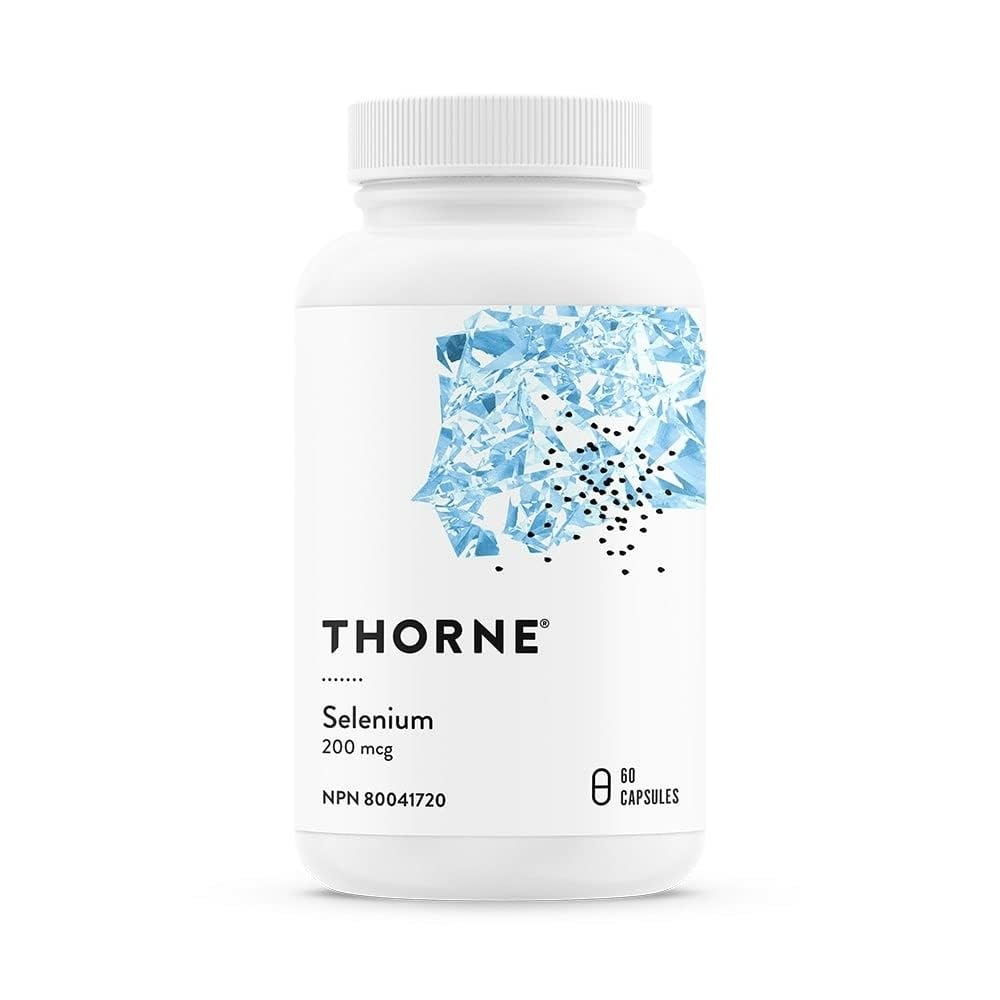
THORNE - Selenium - 200 mcg Selenium Supplement for Antioxidant Support* - 60 Capsules : Everything Else
One Capsule Contains: Selenium (as L-Selenomethionine) 200 mcg.
Evidence & Sources
Promising research with growing clinical support from multiple studies
- American Thyroid Association
- National Institute of Diabetes and Digestive and Kidney Diseases (NIDDK)
- National Institute for Health and Care Excellence (NICE)
- The New England Journal of Medicine
- The Lancet Diabetes & Endocrinology
- Journal of Clinical Endocrinology & Metabolism
- Cochrane Database of Systematic Reviews
- National Center for Complementary and Integrative Health (NCCIH)
This content is for informational purposes only and does not constitute medical advice. Always consult a qualified healthcare provider before starting, stopping, or changing any supplement or medication regimen.