

Hypothyroidism and Depression
Hypothyroidism and depression frequently overlap clinically and biologically. Thyroid hormones influence brain development, neurotransmission, and energy metabolism; when thyroid levels are low (overt or subclinical hypothyroidism), patients often report low mood, anergia, psychomotor slowing, cognitive fog, and sleep disturbance—symptoms that mirror major depressive disorder. Epidemiologic studies and meta-analyses show higher rates of depressive symptoms in people with thyroid dysfunction and modestly higher odds of depression in those with thyroid autoimmunity, even when thyroid hormone levels are near-normal. Conversely, a minority of patients presenting with depression have undiagnosed thyroid disease, which is clinically important because correcting hypothyroidism can improve mood and energy. Mechanistically, thyroid hormones modulate serotonergic and noradrenergic signaling, hippocampal neurogenesis, and cerebral blood flow; hypothyroidism can reduce frontal-limbic perfusion and slow EEG activity, changes that may reverse with treatment. Inflammation and autoimmunity (e.g., Hashimoto thyroiditis) are also implicated in depression risk through cytokine signaling and shared genetic susceptibility. Dysregulation across the hypothalamic–pituitary–thyroid (HPT) and hypothalamic–pituitary–adrenal (HPA) axes, sleep disorders (including obstructive sleep apnea), peripartum hormonal shifts, and medications such as lithium or amiodarone create additional bridges between the two conditions. Clinically, guidelines recommend evaluating medical contributors—including thyroid dysfunction—during a depression workup. TSH with reflex free T4 is a low-cost screen that can identify overt or subclinical hypothyroidism. Treating overt hypothyroidism with levothyroxine generally improves depressive symptoms and cognition over weeks to months. For patients with primary major depression who are biochemically euthyroid but have persistent symptoms despite antidepressants, liothyron
Updated September 8, 2026This content is for informational purposes only and does not constitute medical advice. Always consult a qualified healthcare provider before starting, stopping, or changing any supplement or medication regimen.
Shared Risk Factors
Female sex and hormonal transitions (postpartum, perimenopause)
Strong EvidenceWomen have higher rates of autoimmune thyroiditis and are at elevated risk of peripartum and perimenopausal depression; postpartum thyroiditis can co-occur with postpartum mood disorders.
Autoimmunity and systemic inflammation
Moderate EvidenceThyroid autoantibodies (TPO/Tg) and proinflammatory cytokines are associated with higher odds of depressive and anxiety symptoms, even with normal thyroid hormone levels.
Medications (lithium, amiodarone, interferon-α)
Strong EvidenceThese agents can induce hypothyroidism and are independently associated with mood changes or depression.
Sleep disorders (especially obstructive sleep apnea)
Moderate EvidenceHypothyroidism predisposes to OSA via myopathy and weight gain; OSA independently increases depression risk.
Chronic stress/HPT–HPA axis dysregulation
Emerging ResearchStress alters TRH/TSH and cortisol dynamics, influencing thyroid function and mood circuits.
Nutrient imbalance (iodine, selenium, vitamin D)
Emerging ResearchIodine deficiency/excess affects thyroid; low selenium and vitamin D associate with autoimmunity and depressive symptoms.
Genetic variants (e.g., DIO2 Thr92Ala)
Emerging ResearchVariants affect intracellular T3 availability and may influence cognitive/mood responses to thyroid hormone.
Comorbidity Data
Prevalence
Depressive symptoms are more common in overt hypothyroidism (estimates 20–40% across cohorts). Meta-analyses show modestly increased odds of depression with thyroid autoimmunity and subclinical hypothyroidism. Among patients with major depression, 5–10% have coexisting thyroid dysfunction (overt or subclinical) in specialty cohorts.
Mechanistic Link
Thyroid hormones modulate monoamine neurotransmission (serotonin/norepinephrine), hippocampal neurogenesis, cerebral blood flow and glucose metabolism. Autoimmune cytokines (IL-6, TNF-α) and HPT/HPA axis crosstalk contribute to shared vulnerability.
Clinical Implications
Screen depressed patients for thyroid dysfunction (TSH ± free T4), especially with fatigue, cold intolerance, weight change, constipation, goiter, postpartum status, lithium/amiodarone use, or treatment resistance. Treat overt hypothyroidism with levothyroxine—mood and cognition often improve. In antidepressant nonresponse with normal thyroid tests, consider liothyronine (T3) augmentation under specialist oversight. Avoid thyroid over-replacement, which can precipitate anxiety, agitation, or arrhythmias.
Sources (4)
- Hage MP, Azar ST. The link between thyroid function and depression. J Thyroid Res. 2012.
- Siegmann EM et al. Autoimmune thyroiditis and depression/anxiety: meta-analysis. JAMA Psychiatry. 2018.
- Bauer M et al. The thyroid–brain interaction in thyroid and mood disorders. J Neuroendocrinol. 2008.
- Jonklaas J et al. Guidelines for the Treatment of Hypothyroidism. Thyroid. 2014.
Overlapping Treatments
Levothyroxine (LT4) for overt hypothyroidism
Strong EvidenceRestores euthyroidism; improves metabolic and cognitive function.
Often alleviates depressive symptoms attributable to hypothyroidism.
Not an antidepressant in euthyroid patients; avoid over-replacement (anxiety, bone/cardiac risks).
Liothyronine (T3) augmentation of antidepressants
Moderate EvidenceMay benefit select hypothyroid patients with residual symptoms when combined with LT4.
Improves response/remission in treatment-resistant depression.
Monitor TSH, heart rate, and symptoms; avoid in uncontrolled cardiac disease; specialist oversight advised.
Exercise (aerobic + resistance)
Moderate EvidenceImproves fatigue, weight, lipid profile, and quality of life in treated hypothyroidism.
Reduces depressive symptoms; comparable to medication in mild-to-moderate cases.
Start gradually; tailor to energy limits and comorbidities.
Sleep disorder evaluation and treatment (e.g., CPAP for OSA)
Moderate EvidenceAddresses OSA risk heightened by hypothyroidism and weight gain.
Treating OSA improves mood, cognition, and daytime energy.
Requires sleep study; adherence to CPAP critical.
Omega-3 fatty acids (EPA-predominant)
Moderate EvidenceImproves hypertriglyceridemia common in hypothyroidism.
Adjunctive benefit for depression, particularly EPA-rich formulations.
Bleeding risk at high doses; variable effect sizes.
Selenium (for autoimmune thyroiditis)
Emerging ResearchMay lower TPO antibodies and improve thyroid-related well-being in Hashimoto’s.
Possible mood benefits via anti-inflammatory effects (limited evidence).
Narrow therapeutic window; avoid doses >200 mcg/day without supervision.
Psychotherapy (CBT/behavioral activation)
Strong EvidenceBuilds coping skills for chronic symptoms and fatigue management.
Core treatment for depression; improves remission and relapse prevention.
Not a substitute for correcting hypothyroidism when present.
Medical Perspectives
Two Ways of Seeing Health

Western
scientific · clinical
Western medicine applies science, technology, and clinical experience to treat symptoms through testing, diagnosis, and targeted intervention.
Surgeons · Pharmaceuticals · Clinical trials · Diagnostics 
Eastern
traditional · alternative
Eastern medicine focuses on treating the body naturally by applying traditional knowledge practiced for thousands of years, emphasizing balance and whole-person wellness.
Acupuncture · Herbal medicine · Yoga · Meditation
Gold Bamboo presents both perspectives side-by-side so you can make informed decisions. We don't advocate for one over the other — your health choices are yours.
Two Ways of Seeing Health
Western
scientific · clinical
Western medicine applies science, technology, and clinical experience to treat symptoms through testing, diagnosis, and targeted intervention.
Eastern
traditional · alternative
Eastern medicine focuses on treating the body naturally by applying traditional knowledge practiced for thousands of years, emphasizing balance and whole-person wellness.
Gold Bamboo presents both perspectives side-by-side so you can make informed decisions. We don't advocate for one over the other — your health choices are yours.
Western Perspective
Western medicine recognizes a bidirectional relationship: hypothyroidism can produce depressive symptoms, and depression care should consider thyroid dysfunction as a reversible contributor. Autoimmunity and neuroendocrine–inflammatory pathways provide biologic links. Management emphasizes case finding with TSH testing, correcting overt hypothyroidism, and judicious thyroid hormone augmentation for antidepressant nonresponse.
Key Insights
- Overt hypothyroidism commonly presents with depressive and cognitive symptoms that improve with levothyroxine.
- Subclinical hypothyroidism is associated with modestly higher depressive symptom burden, but levothyroxine rarely improves mood in subclinical cases.
- Autoimmune thyroiditis independently increases odds of depression and anxiety.
- T3 augmentation is a reasonable second-line option in treatment-resistant depression.
Treatments
- Levothyroxine for overt hypothyroidism
- Optimize antidepressant therapy; consider liothyronine augmentation
- Manage sleep apnea and metabolic comorbidities
- Address peripartum thyroiditis in postpartum mood disorders
Deep Dive
From a Western standpoint, hypothyroidism and depression share overlapping symptom profiles and interconnected biology. Hypothyroidism slows cen... From a Western standpoint, hypothyroidism and depression share overlapping symptom profiles and interconnected biology. Hypothyroidism slows central nervous system processing and dampens monoaminergic tone; neuroimaging shows reduced cerebral perfusion and metabolism that tend to normalize with thyroid replacement. Autoimmune thyroiditis adds an inflammatory layer that modestly elevates depression risk even when TSH is normal. Clinically, this translates into two priorities: avoid missing reversible hypothyroidism in patients labeled as depressed, and avoid attributing primary depression solely to marginal thyroid abnormalities. Practical steps include ordering TSH (with reflex free T4) during an initial depression evaluation when fatigue, weight gain, cold intolerance, constipation, dry skin, bradycardia, goiter, peripartum timing, or lithium/amiodarone use are present. Treat overt hypothyroidism with levothyroxine; expect gradual improvements in energy, cognition, and mood over 6–12 weeks as steady state is reached. Subclinical hypothyroidism requires individualized decisions; randomized trials show limited mood benefit from routine levothyroxine in these patients. For antidepressant nonresponse, liothyronine augmentation is a guideline-supported strategy with a favorable tolerability profile compared with lithium; ECG history and thyroid indices should be monitored to avoid iatrogenic thyrotoxicosis. Addressing sleep apnea, exercise, and cardiometabolic health further improves outcomes across both conditions.
Sources
- Feller M et al. JAMA. 2018.
- Siegmann EM et al. JAMA Psychiatry. 2018.
- Jonklaas J et al. Thyroid. 2014.
- Papakostas GI et al. J Clin Psychiatry. 2009.
- Trivedi MH et al. Am J Psychiatry. 2006.
- NICE Guideline NG222 (Depression in adults). 2022.
Eastern Perspective
Traditional East Asian medicine interprets hypothyroidism predominantly as Spleen/Kidney Yang deficiency with phlegm-damp accumulation, while depression often reflects Liver Qi stagnation with possible Heart–Spleen deficiency. The overlap—fatigue, cold intolerance, low mood, and cognitive fog—suggests combined pattern presentations. Interventions aim to restore Qi/Yang, transform phlegm, and soothe the Liver to harmonize mood and vitality.
Key Insights
- Pattern differentiation guides therapy; mixed Yang deficiency and Qi stagnation is common in thyroid–mood overlap.
- Acupuncture may alleviate depressive symptoms and fatigue via autonomic and neuroendocrine modulation.
- Herbal formulas are tailored; classic options include Jin Gui Shen Qi Wan (Yang support) and Xiao Yao San (mood regulation).
Treatments
- Acupuncture points often include ST36, SP6, CV4/CV6, DU20, LR3, HT7; course 1–2×/week for 6–8 weeks
- Herbal formulas such as Jin Gui Shen Qi Wan (Kidney Yang), Liu Wei Di Huang Wan (Kidney Yin), and Xiao Yao San (Liver Qi) individualized by practitioner
- Qigong/mind–body practices to reduce stress and improve energy
Deep Dive
In East Asian medicine, the hypothyroid–depression constellation reflects intertwined pattern imbalances: depletion of Kidney/Spleen Yang and ob... In East Asian medicine, the hypothyroid–depression constellation reflects intertwined pattern imbalances: depletion of Kidney/Spleen Yang and obstruction by phlegm-damp can cloud the spirit (Shen), while Liver Qi stagnation constrains mood and motivation. Treatment seeks to rekindle Yang, transform dampness, and course the Liver so that Qi and blood flow freely, supporting clarity and vitality. Acupuncture protocols commonly combine tonifying points (e.g., ST36, SP6, CV4/CV6) with regulatory points for mood (LR3, HT7, DU20). Herbal strategies may pair formulas that warm and tonify (Jin Gui Shen Qi Wan) with harmonizing agents for mood (Xiao Yao San), adjusted to pulse, tongue, and symptom nuances such as cold intolerance, edema, or irritability. Modern studies suggest acupuncture can reduce depressive symptoms and improve fatigue through autonomic balancing and hypothalamic–pituitary modulation, though trials are heterogeneous and often small. Herbal evidence is less definitive in rigorous Western frameworks, but clinical tradition supports individualized prescriptions alongside biomedical care. Integration with endocrinology is essential: TCM approaches should complement—not replace—levothyroxine for true hormone deficiency, with ongoing monitoring of TSH and symptoms to ensure safety and synergy.
Sources
- Smith CA et al. Acupuncture for depression. Cochrane Review. 2018.
- Zhong LL et al. Chinese herbal medicine for depression: systematic reviews (various).
- Narrative TCM texts on thyroid patterns and treatment (traditional sources).
Evidence Ratings
Overt hypothyroidism increases depressive symptoms, which often improve with levothyroxine.
Hage & Azar. J Thyroid Res. 2012; Jonklaas et al. Thyroid. 2014.
Subclinical hypothyroidism is associated with modestly higher odds of depression, but levothyroxine generally does not improve mood in SCH.
Feller M et al. JAMA. 2018 (meta-analysis).
Autoimmune thyroiditis is associated with higher odds of depression and anxiety independent of thyroid hormone levels.
Siegmann EM et al. JAMA Psychiatry. 2018 (meta-analysis).
Liothyronine (T3) augmentation improves outcomes in treatment-resistant depression.
Papakostas GI et al. J Clin Psychiatry. 2009 (meta-analysis); Trivedi MH et al. Am J Psychiatry. 2006 (STAR*D).
Screening for medical contributors including thyroid dysfunction is recommended in depression workups.
NICE NG222 Depression guideline, 2022; APA Practice Guideline for MDD, 2010.
Acupuncture can modestly reduce depressive symptoms compared with usual care/adjuncts.
Smith CA et al. Cochrane Database Syst Rev. 2018.
Sources
- Hage MP, Azar ST. The link between thyroid function and depression. J Thyroid Res. 2012.
- Bauer M, Goetz T, Glenn T, Whybrow PC. The thyroid–brain interaction in thyroid and mood disorders. J Neuroendocrinol. 2008.
- Siegmann EM, Müller HHO, Luecke C et al. Association of depression and anxiety disorders with autoimmune thyroiditis: A meta-analysis. JAMA Psychiatry. 2018.
- Feller M, Snel M, Moutzouri E et al. Association of thyroid hormone therapy with quality of life and symptoms in subclinical hypothyroidism: Systematic review and meta-analysis. JAMA. 2018.
- Jonklaas J, Bianco AC, Bauer AJ et al. Guidelines for the Treatment of Hypothyroidism. Thyroid. 2014.
- Papakostas GI, Cooper-Kazaz R, Appelhof BC et al. Triiodothyronine augmentation of antidepressants in major depressive disorder: Meta-analysis. J Clin Psychiatry. 2009.
- Trivedi MH, Fava M, Wisniewski SR et al. STAR*D Level 3: T3 augmentation vs lithium. Am J Psychiatry. 2006.
- NICE Guideline NG222: Depression in adults. 2022.
- USPSTF. Screening for thyroid dysfunction: Recommendation statement. 2015.
- Winther KH, Bonnema SJ, Hegedüs L. Selenium in autoimmune thyroid disease. Clin Endocrinol (Oxf). 2017.
- Smith CA, Armour M, Lee MS et al. Acupuncture for depression. Cochrane Database Syst Rev. 2018.
- Panicker V, Saravanan P, Vaidya B et al. Common variation in the DIO2 gene predicts psychological well-being response to LT4. J Clin Endocrinol Metab. 2009.
Related Topics
Recommended Products

Living Well with Hypothyroidism: What Your Doctor Doesn't Tell You... That You Need to Know (Revised Edition): Shomon, Mary J.
Which alternative and holistic therapies, nutritional changes, and supplements may help treat hypothyroidism? Diagnosed with a thyroid disease in 1995, Mary J. Shomon has transformed her health challe

Everlywell at
... AT-HOME LAB TESTING: <strong>This easy-to-use, at-home lab test collection kit helps you measure your levels for the 3 main thyroid hormones (TSH, Free T3, and Free T4) plus thyroid antibodies (TP
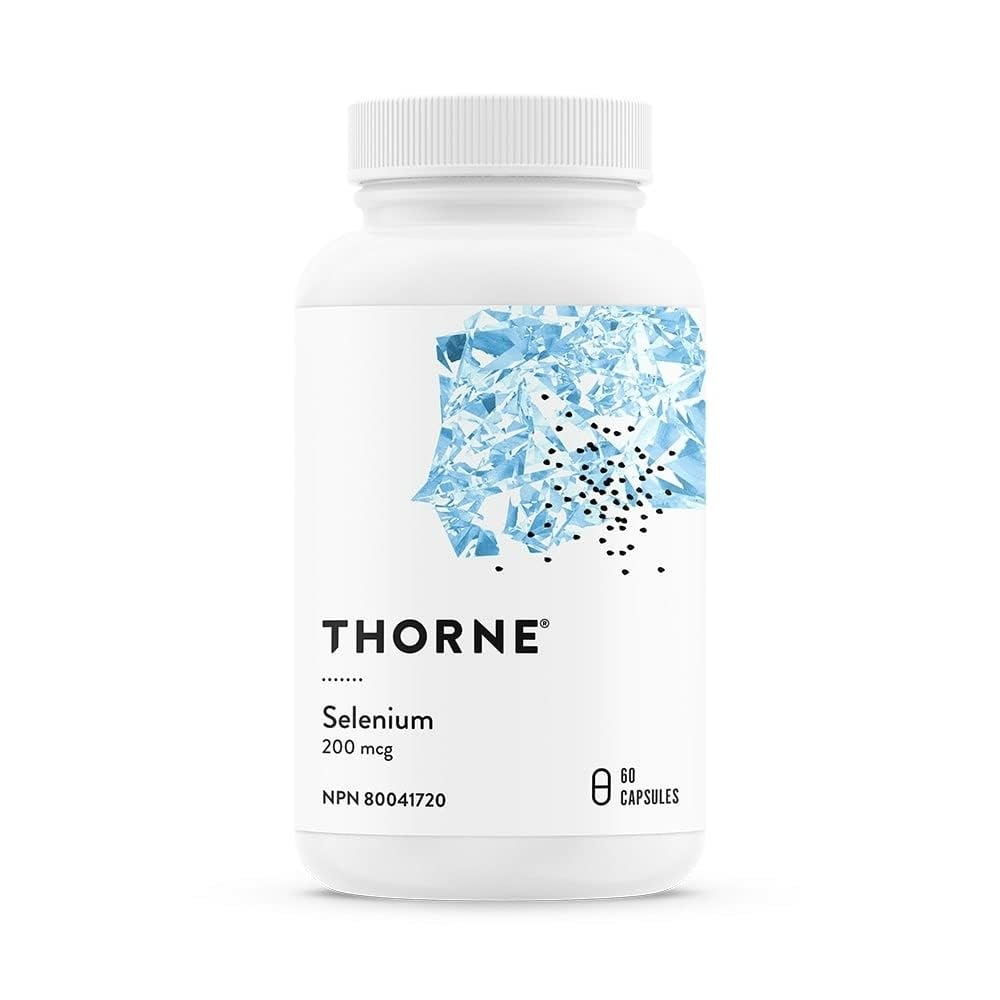
THORNE - Selenium - 200 mcg Selenium Supplement for Antioxidant Support* - 60 Capsules : Everything Else
One Capsule Contains: Selenium (as L-Selenomethionine) 200 mcg.
Health Disclaimer
This content is for informational purposes only and does not constitute medical advice. Always consult a qualified healthcare provider before starting, stopping, or changing any supplement or medication regimen.