

Hypothyroidism and Weight Gain
Hypothyroidism and weight gain are closely linked, but the relationship is more nuanced than many assume. Thyroid hormones regulate basal metabolic rate, thermogenesis, and fluid balance. When thyroid hormone levels are low, resting energy expenditure falls, sodium and water can accumulate in tissues (myxedema), and physical and mental energy often decline—factors that together can promote modest weight gain. In overt hypothyroidism, typical weight increases average about 2–5 kg (4–11 lb), a portion of which is water; fat mass may rise modestly and lean mass can decline. Subclinical hypothyroidism (elevated TSH with normal free T4) is associated with small shifts in weight, if any, at a population level. Severity and duration matter: greater and longer-standing hormone deficiency is linked to larger changes in body composition and water retention. Co‑factors also shape outcomes. Age, female sex, autoimmune predisposition, sleep disruption or sleep apnea, low activity, certain medications (e.g., lithium, amiodarone, antipsychotics), and comorbidities like depression or insulin resistance can all increase the likelihood of weight gain alongside hypothyroidism. Diagnosis relies on lab testing. A high TSH with low free T4 confirms primary hypothyroidism. In central (pituitary) hypothyroidism, TSH may be normal or low while free T4 is low. Assay pitfalls include biotin supplements causing falsely low TSH and high thyroid hormone readings. Differential diagnoses for weight gain include Cushing’s syndrome, polycystic ovary syndrome, perimenopause, medication effects, edema from cardiac/renal disease, depression, and lifestyle factors. Treating overt hypothyroidism with levothyroxine to restore euthyroidism often leads to partial weight reduction, especially from diuresis in the first weeks, with further stabilization over 2–3 months as TSH normalizes. Many people do not return to their exact prior weight with medication alone. For persistent excess weight, complementary
Updated August 10, 2026This content is for informational purposes only and does not constitute medical advice. Always consult a qualified healthcare provider before starting, stopping, or changing any supplement or medication regimen.
Shared Risk Factors
Ageing
Moderate EvidenceThyroid function subtly shifts with age, and resting metabolic rate declines, contributing to higher body weight and risk of hypothyroidism.
Female sex and life-stage hormones
Moderate EvidenceWomen, particularly during and after pregnancy and in perimenopause, have higher autoimmune thyroid disease risk and face hormonal changes that affect body composition.
Autoimmune predisposition
Moderate EvidenceAutoimmunity (family/personal history) increases Hashimoto risk; chronic inflammation can influence appetite and energy balance.
Medications
Strong EvidenceSome drugs impair thyroid function or promote weight gain independently.
Sleep disruption and obstructive sleep apnea (OSA)
Moderate EvidencePoor sleep/OSA is linked to weight gain and is reported more often in untreated hypothyroidism due to fatigue and upper airway changes.
Low physical activity/sedentary behavior
Strong EvidenceFatigue and myalgias in hypothyroidism can reduce activity; low activity drives weight gain.
Comorbidity Data
Prevalence
Most patients with overt hypothyroidism report modest weight gain; average increases are ~2–5 kg, with larger gains in severe cases. Population studies show small positive associations between higher TSH and higher BMI; subclinical hypothyroidism shows minimal average weight differences.
Mechanistic Link
Decreased resting energy expenditure, reduced thermogenesis, myxedema-related water and sodium retention, fatigue leading to lower activity, and shifts in leptin and appetite signaling.
Clinical Implications
Restoring euthyroidism reduces water retention and may modestly reduce weight, but comprehensive weight management is usually needed for sustained fat loss. Over-attributing weight gain to mild TSH elevations risks missing other causes (OSA, medications, mood disorders).
Sources (4)
- American Thyroid Association (ATA). Hypothyroidism brochure and patient FAQs (accessed 2024)
- Karmisholt J, Andersen S, Laurberg P. Weight loss after therapy of hypothyroidism is mainly due to excretion of excess body water. J Clin Endocrinol Metab. 2011.
- Knudsen N et al. Small differences in thyroid function may be important for body mass index. J Clin Endocrinol Metab. 2005.
- Hollowell JG et al. Serum TSH, T4, and thyroid antibodies in the U.S. population (NHANES III). J Clin Endocrinol Metab. 2002.
Overlapping Treatments
Levothyroxine (T4) to restore euthyroidism
Strong EvidenceNormalizes TSH and free T4, reversing symptoms and biochemical hypothyroidism.
Typically reduces a few kilograms, largely water; may improve fatigue enabling activity.
Weight loss magnitude is limited; overtreatment risks lean mass loss, bone loss, and arrhythmia.
Nutrition pattern emphasizing adequate protein, high-fiber whole foods, and caloric awareness (e.g., Mediterranean-style)
Strong EvidenceSupports energy, micronutrients (iodine, selenium from seafood/nuts), and stable glycemia to lessen fatigue.
Facilitates sustainable fat loss and preserves lean mass alongside activity.
Extreme iodine restriction or excess can worsen thyroid function; individualized planning is important.
Progressive physical activity (aerobic plus resistance training)
Strong EvidenceImproves fatigue tolerance and mood when euthyroid; supports bone and muscle health.
Increases energy expenditure, preserves/increases lean mass, aids long-term weight control.
Start gradually after achieving or approaching euthyroidism to avoid overexertion.
Screening and treatment for obstructive sleep apnea (e.g., CPAP when indicated)
Moderate EvidenceImproves daytime energy and cognition, which can be impaired in hypothyroidism and OSA.
Better sleep supports appetite regulation and weight management; CPAP can modestly reduce visceral fat over time via improved activity.
CPAP is prescribed after sleep study confirmation; weight change varies.
Medication review to identify weight-promoting agents and thyroid-interfering drugs
Strong EvidenceFlags agents that can induce/worsen hypothyroidism (lithium, amiodarone).
Opens discussion of alternatives to weight-promoting drugs (antipsychotics, some antidepressants) when appropriate.
Changes require prescriber coordination; risks/benefits differ by condition.
Behavioral strategies (structured lifestyle programs, CBT-based approaches, self‑monitoring)
Moderate EvidenceAddresses fatigue-related routines and mood that can accompany hypothyroidism.
Improves adherence to nutrition/activity plans and helps manage appetite cues.
Effectiveness improves with ongoing support and tailored goals.
Anti‑obesity pharmacotherapy (e.g., GLP‑1 receptor agonists) when indicated
Strong EvidenceDoes not treat hypothyroidism directly but can counter persistent adiposity that worsens fatigue and OSA risk.
Produces clinically meaningful weight loss in appropriate candidates.
Contraindicated with personal/family history of medullary thyroid carcinoma or MEN2; monitor thyroid status separately.
Medical Perspectives
Two Ways of Seeing Health

Western
scientific · clinical
Western medicine applies science, technology, and clinical experience to treat symptoms through testing, diagnosis, and targeted intervention.
Surgeons · Pharmaceuticals · Clinical trials · Diagnostics 
Eastern
traditional · alternative
Eastern medicine focuses on treating the body naturally by applying traditional knowledge practiced for thousands of years, emphasizing balance and whole-person wellness.
Acupuncture · Herbal medicine · Yoga · Meditation
Gold Bamboo presents both perspectives side-by-side so you can make informed decisions. We don't advocate for one over the other — your health choices are yours.
Two Ways of Seeing Health
Western
scientific · clinical
Western medicine applies science, technology, and clinical experience to treat symptoms through testing, diagnosis, and targeted intervention.
Eastern
traditional · alternative
Eastern medicine focuses on treating the body naturally by applying traditional knowledge practiced for thousands of years, emphasizing balance and whole-person wellness.
Gold Bamboo presents both perspectives side-by-side so you can make informed decisions. We don't advocate for one over the other — your health choices are yours.
Western Perspective
Western medicine recognizes that overt hypothyroidism lowers metabolic rate and increases extracellular water, leading to modest weight gain. Levothyroxine reliably corrects the hormone deficit and partially reverses weight changes, while persistent or excess adiposity typically requires standard evidence-based weight-management strategies.
Key Insights
- Average weight gain in overt hypothyroidism is usually modest (about 2–5 kg), with a significant water component.
- Subclinical hypothyroidism confers little to no average weight change; expectations for weight loss from levothyroxine in this setting should be conservative.
- Population studies show a graded association between higher TSH (even within reference) and higher BMI, but causality is complex and bidirectional.
- Biotin and non-thyroidal illness can distort labs; central hypothyroidism presents with low free T4 and non-elevated TSH.
- Comprehensive care includes medication, nutrition, activity, sleep health, and addressing weight-promoting medications.
Treatments
- Levothyroxine to normalize TSH/free T4
- Structured nutrition and physical activity programs
- Sleep apnea assessment and CPAP when indicated
- Behavioral weight-management support
- Anti-obesity medications or bariatric procedures for selected patients
Deep Dive
From a Western clinical perspective, hypothyroidism contributes to weight gain through predictable physiological pathways. Thyroid hormones set ... From a Western clinical perspective, hypothyroidism contributes to weight gain through predictable physiological pathways. Thyroid hormones set the pace of basal metabolic processes. When they are low, resting energy expenditure falls, thermogenesis is impaired, and tissues accumulate glycosaminoglycans that bind sodium and water, producing myxedema. Patients often feel fatigued and cold, move less, and may experience appetite shifts. The net effect in overt hypothyroidism is usually a modest weight increase—commonly in the range of a few kilograms—with a substantial water component. Diagnosis hinges on labs: elevated TSH with low free T4 confirms primary hypothyroidism; low or normal TSH with low free T4 suggests central hypothyroidism and warrants pituitary evaluation. Interferents like biotin can make TSH falsely low and free hormones appear high, so history-taking about supplements is essential. Clinicians also rule out differential diagnoses for weight gain, including medication effects, Cushing’s syndrome, edema from heart/kidney disease, mood disorders, menopause, and sleep apnea. Treatment with levothyroxine restores euthyroidism, normalizing metabolism and promoting diuresis. Weight often falls by a few pounds in the first weeks as fluid shifts, with further stabilization over 2–3 months as TSH reaches target. However, medication alone rarely produces large fat losses; subclinical hypothyroidism, in particular, shows little average weight change with therapy in randomized trials. Persisting excess adiposity responds best to comprehensive strategies: structured nutrition with adequate protein and fiber, progressive aerobic and resistance training, behavioral support, review and possible adjustment of weight-promoting medications, and evaluation for sleep apnea. Anti-obesity pharmacotherapies and bariatric procedures can be considered for eligible patients, independent of thyroid status, while maintaining careful monitoring to avoid thyroid hormone over- or undertreatment. Setting expectations—modest weight improvements from thyroid replacement, with most additional changes coming from lifestyle and weight-specific therapies—helps align care plans and prevents overtreatment risks.
Sources
- Jonklass J et al. Guidelines for the Treatment of Hypothyroidism. Thyroid. 2014.
- Karmisholt J, Andersen S, Laurberg P. J Clin Endocrinol Metab. 2011.
- Feller M et al. Association of Thyroid Hormone Therapy With Quality of Life and Thyroid-Related Symptoms in Subclinical Hypothyroidism. BMJ. 2017.
- Stott DJ et al. TRUST Trial (subclinical hypothyroidism in older adults). N Engl J Med. 2017.
- Knudsen N et al. J Clin Endocrinol Metab. 2005.
- FDA Safety Communication: Biotin interference with lab tests (2019).
Eastern Perspective
Traditional systems often frame hypothyroidism and weight gain as manifestations of impaired transformative energy and fluid metabolism. In Traditional Chinese Medicine (TCM), patterns such as Spleen–Kidney Yang deficiency with Damp accumulation describe fatigue, cold intolerance, edema, and weight gain. Ayurveda describes a Kapha-dominant state with manda agni (low digestive fire) leading to meda (adipose) accumulation. These frameworks guide individualized, constitution-based care that aims to restore balance, support metabolism, and mobilize fluids.
Key Insights
- TCM links coldness, edema, and lethargy to Yang deficiency and Damp/Phlegm; acupuncture and warming herb formulas are used to tonify Yang and resolve Damp.
- Ayurveda emphasizes dietary and lifestyle measures to kindle agni and reduce Kapha, with herbs like guggul and kanchanar guggulu traditionally used for thyroid and lymphatic sluggishness.
- Yoga, pranayama, and mindfulness practices may improve energy, sleep, and adherence to healthy routines, indirectly aiding weight management.
- Preliminary modern studies suggest some botanicals (e.g., ashwagandha) may influence subclinical hypothyroidism, but evidence remains limited and safety monitoring is essential.
Treatments
- TCM herbal formulas such as Jin Gui Shen Qi Wan or Ling Gui Zhu Gan Tang (pattern-based)
- Acupuncture to support energy and fluid balance (e.g., ST36, SP6, CV6; individualized)
- Ayurvedic approaches for Kapha reduction: warm, light diet; spices (trikatu); guggul-containing formulas
- Yoga and breathing practices to enhance energy and stress resilience
- Adaptogenic herbs like ashwagandha explored in small trials for subclinical hypothyroidism
Deep Dive
In traditional frameworks, the co-occurrence of hypothyroid symptoms and weight gain reflects a disturbance in the body’s transformative energy ... In traditional frameworks, the co-occurrence of hypothyroid symptoms and weight gain reflects a disturbance in the body’s transformative energy and fluid dynamics. In Traditional Chinese Medicine, fatigue, cold intolerance, edema, and gradual weight increase often map to Spleen–Kidney Yang deficiency with Damp accumulation. The Spleen’s transformative function is said to weaken, allowing Dampness and Phlegm to congeal. Treatment aims to warm and tonify Yang, move and transform fluids, and support qi. An individualized plan may blend acupuncture—for example, points chosen to tonify qi and yang and regulate fluids—with herbal formulas such as Jin Gui Shen Qi Wan (to warm Kidney Yang) or Ling Gui Zhu Gan Tang (to transform Dampness). Diet emphasizes warm, easily digested foods and avoidance of cold, phlegm-forming items. Ayurveda describes a Kapha-dominant state with manda agni (low digestive fire) that permits accumulation in the meda dhatu (adipose tissue). Management focuses on rekindling agni and reducing Kapha through routine, movement, and tailored diet—light, warm, spiced foods; regular meals; and supportive herbs. Classical preparations like kanchanar guggulu and spices such as trikatu are traditionally used to mobilize stagnation and support metabolism. Yoga, pranayama, and meditation can restore vitality and improve sleep, creating conditions for healthy weight regulation. Contemporary integrative practice respects the strengths and limitations of both views. While levothyroxine is the standard for correcting hormone deficiency, traditional approaches may help address fatigue, coldness, edema, and habits that contribute to weight gain. Modern evidence for specific herbs (e.g., ashwagandha in subclinical hypothyroidism) is preliminary, underscoring the importance of monitoring thyroid function and potential herb–drug interactions. A collaborative, pattern-based, and biopsycho-social approach can support sustainable improvements in energy, well-being, and body composition.
Sources
- Maciocia G. The Practice of Chinese Medicine. 2nd ed.
- Bensky D, Clavey S, Stöger E. Chinese Herbal Medicine: Materia Medica.
- Charaka Samhita (Ayurveda classical text) – Kapha and agni concepts.
- Sharma AK et al. Efficacy and Safety of Ashwagandha in Subclinical Hypothyroidism: A Randomized Placebo-Controlled Trial. J Altern Complement Med. 2018.
- Cochrane and narrative reviews on acupuncture and endocrine disorders (limited, heterogeneous evidence).
Evidence Ratings
Levothyroxine treatment of overt hypothyroidism leads to modest weight reduction, largely from diuresis, with variable fat loss.
Karmisholt J, Andersen S, Laurberg P. J Clin Endocrinol Metab. 2011.
Subclinical hypothyroidism treatment with levothyroxine does not consistently improve weight or symptoms compared with placebo.
Feller M et al. BMJ. 2017; Stott DJ et al. NEJM. 2017.
Higher TSH levels are associated with higher BMI at the population level, though causality is bidirectional.
Knudsen N et al. J Clin Endocrinol Metab. 2005.
Biotin supplements can artifactually lower measured TSH and raise free T4/T3, masking hypothyroidism in immunoassays.
FDA Safety Communication on Biotin Interference, 2019.
Typical weight gain from hypothyroidism is modest (around 2–5 kg), with a significant component due to fluid retention.
American Thyroid Association patient education materials (accessed 2024).
Treating obstructive sleep apnea can improve daytime energy and support weight management in people with thyroid disease and excess weight.
American Academy of Sleep Medicine guidelines and reviews on OSA and weight.
Traditional TCM and Ayurvedic therapies aim to address fatigue, coldness, and fluid retention patterns linked to hypothyroidism and weight gain.
Maciocia G.; Charaka Samhita; Bensky et al.
Sources
- American Thyroid Association (ATA). Hypothyroidism patient resources and FAQs. https://www.thyroid.org
- Jonklass J, Bianco AC, Bauer AJ, et al. Guidelines for the Treatment of Hypothyroidism. Thyroid. 2014.
- Karmisholt J, Andersen S, Laurberg P. Weight loss after therapy of hypothyroidism is mainly due to excretion of excess body water. J Clin Endocrinol Metab. 2011.
- Feller M, Snel M, Moutzouri E, et al. Effect of Levothyroxine in Subclinical Hypothyroidism: A Systematic Review and Meta-analysis. BMJ. 2017.
- Stott DJ, Rodondi N, Kearney PM, et al. TRUST Trial. N Engl J Med. 2017.
- Knudsen N, Laurberg P, Rasmussen LB, et al. Small differences in thyroid function may be important for body mass index. J Clin Endocrinol Metab. 2005.
- Hollowell JG, Staehling NW, Flanders WD, et al. Serum TSH, T4, and thyroid antibodies in the U.S. population (NHANES III). J Clin Endocrinol Metab. 2002.
- U.S. FDA. The FDA warns that biotin may interfere with lab tests. Safety Communication, updated 2019.
- Endocrine Society Clinical Practice Guideline: Pharmacological Management of Obesity. 2015/2020 updates.
- American Academy of Sleep Medicine. Clinical practice guidelines on OSA evaluation and management.
- Maciocia G. The Practice of Chinese Medicine. 2nd ed.
- Bensky D, Clavey S, Stöger E. Chinese Herbal Medicine: Materia Medica.
- Charaka Samhita (Ayurveda).
- Sharma AK, Basu I, Singh S. Efficacy and Safety of Ashwagandha Root Extract in Subclinical Hypothyroidism: A Randomized, Double-Blind, Placebo-Controlled Trial. J Altern Complement Med. 2018.
Related Topics
Topics
- Hashimoto’s thyroiditis
- Subclinical Hypothyroidism
- TSH Test
- Free T4 Test
Recommended Products
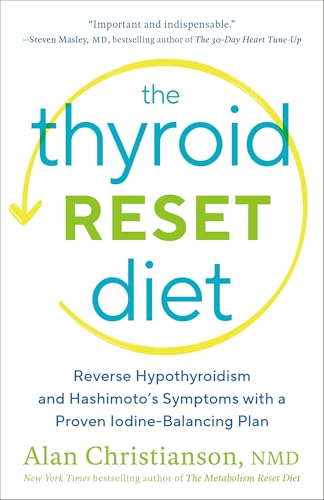
The Thyroid Reset Diet: Reverse Hypothyroidism and Hashimoto's Symptoms with a Proven Iodine-Balancing Plan: Christianson, Dr. Alan
Alan Christianson helps readers reverse chronic thyroid diseases like hypothyroidism and Hashimoto’s Thyroiditis with nothing more than dietary change: <strong>the reduction of iodine intake</strong>.

Now Foods Selenium 200mcg Capsules, 300 Count - L Selenomethionine Mineral Supplement for Women & Men - Veg Caps, Non-GMO, Vegan Friendly, Yeast-Free
<strong>SUPERIOR FORM OF SELENIUM Made with bio-available L Selenomethionine</strong>, which has been shown to have better absorption rates compared to high-selenium yeast and sodium selenite (per NIH

WITHINGS Body Smart - Accurate Scale for Body Weight and Fat Percentage, Body Composition Wi-Fi and Bluetooth Weight Scale, Baby Weight Scale, Smart Scale Apple Health Compatible, Bathroom Scale
ACHIEVE YOUR WEIGHT GOALS FASTER - <strong>Reliably track your weight to within 50 g and view your weight trends directly on the scale's high-resolution color display</strong>. INCREASE MUSCLE MA
Health Disclaimer
This content is for informational purposes only and does not constitute medical advice. Always consult a qualified healthcare provider before starting, stopping, or changing any supplement or medication regimen.