

Anemia
Overview
Anemia is a broad clinical term for a condition in which the blood has a reduced capacity to carry oxygen, most commonly because of low hemoglobin levels, too few red blood cells, or red blood cells that do not function normally. Rather than being a single disease, anemia is usually considered a sign or consequence of an underlying process. It is common worldwide and can affect children, menstruating adults, pregnant individuals, older adults, and people with chronic illness. The World Health Organization recognizes anemia as a major global public health issue, particularly in women of reproductive age and young children.
Symptoms often reflect reduced oxygen delivery to tissues and may include fatigue, weakness, shortness of breath, dizziness, palpitations, reduced exercise tolerance, headaches, and pallor. However, the presentation varies widely depending on how severe the anemia is, how quickly it develops, and what is causing it. Mild anemia may go unnoticed for some time, while severe or rapidly developing anemia can become medically significant. In some cases, the symptoms that bring attention to anemia are actually those of the underlying disorder, such as heavy menstrual bleeding, gastrointestinal blood loss, inflammation, kidney disease, or nutritional deficiency.
From a biological standpoint, anemia is often grouped into several major categories: iron-deficiency anemia, vitamin B12 or folate deficiency anemia, anemia of chronic disease/inflammation, hemolytic anemia in which red blood cells are destroyed prematurely, and bone marrow-related anemias in which production is impaired. Clinicians also classify anemia by red blood cell size—microcytic, normocytic, or macrocytic—which can help narrow down the cause. Iron deficiency remains the most common cause globally, but inherited conditions such as thalassemia and sickle cell disease, chronic infections, autoimmune disease, cancer, and kidney disease are also important contributors.
Anemia matters because oxygen transport is fundamental to every organ system. Persistent or severe anemia may affect physical stamina, cognition, pregnancy outcomes, child development, and cardiovascular strain, especially in vulnerable populations. Research supports the importance of identifying the underlying cause rather than viewing anemia as a standalone problem. Conventional and traditional medical systems both recognize the significance of depleted vitality, though they describe it through different frameworks. For that reason, a balanced understanding of anemia often includes both modern laboratory-based diagnosis and broader considerations of diet, constitution, digestion, and recovery capacity.
Compare Treatment Options
Anemia is a broad clinical finding in which the blood carries less oxygen than expected, usually because hemoglobin is low, red blood cell production is impaired, red blood cells are being lost, or they are being destroyed faster than they can be replaced. It is not a single disease. Common causes include iron deficiency, vitamin B12 or folate deficiency, chronic inflammation or kidney disease, blood loss, inherited blood disorders, and bone marrow problems. Because the underlying mechanisms differ, treatment options vary substantially. In Western medicine, evaluation often centers on blood counts, iron studies, reticulocyte count, kidney function, and sometimes testing for bleeding, malabsorption, or hemolysis. Related Gold Bamboo topics such as Iron Deficiency Anemia, Vitamin B12 deficiency, Malabsorption, and Iron Panel are especially relevant when clinicians are trying to identify the reason anemia developed. Eastern medicine frameworks may describe some overlapping symptom patterns in terms of fatigue, pallor, shortness of breath, dizziness, and "blood deficiency" or digestive weakness, and may use dietary therapy, herbal formulas, or acupuncture as supportive approaches. The most appropriate plan often depends on severity, cause, pace of onset, symptoms, and how urgently oxygen-carrying capacity needs to be restored.
View treatment comparison (6 options)Medical Perspectives
Two Ways of Seeing Health

Western
scientific · clinical
Western medicine applies science, technology, and clinical experience to treat symptoms through testing, diagnosis, and targeted intervention.

Eastern
traditional · alternative
Eastern medicine focuses on treating the body naturally by applying traditional knowledge practiced for thousands of years, emphasizing balance and whole-person wellness.
Gold Bamboo presents both perspectives side-by-side so you can make informed decisions. We don't advocate for one over the other — your health choices are yours.
Western Medicine Perspective
Western Medicine Perspective
In conventional medicine, anemia is understood as a measurable hematologic abnormality evaluated primarily through blood testing. The diagnostic workup commonly begins with a complete blood count, hemoglobin level, hematocrit, and red blood cell indices such as mean corpuscular volume. Depending on the pattern, clinicians may investigate ferritin and iron studies, vitamin B12 and folate levels, reticulocyte count, kidney function, inflammatory markers, and sometimes tests for hemolysis, occult blood loss, or bone marrow disorders. This structured approach reflects the central principle that anemia is usually a manifestation of another process rather than a final diagnosis by itself.
Western medicine generally divides anemia into problems of blood loss, decreased red blood cell production, or increased red blood cell destruction. Iron-deficiency anemia may arise from inadequate intake, impaired absorption, pregnancy-related demands, or chronic blood loss such as gastrointestinal bleeding or heavy menstruation. Macrocytic anemia may point toward vitamin B12 or folate deficiency, alcohol-related effects, liver disease, or certain medications. Normocytic anemia can be associated with inflammation, kidney disease, endocrine disorders, marrow suppression, or acute blood loss. Hemolytic anemias may result from inherited membrane or enzyme disorders, autoimmune processes, infection, or mechanical destruction.
Management in conventional care is directed toward the specific cause and the severity of the condition. Research strongly supports cause-based treatment approaches such as correction of nutritional deficiencies, evaluation for bleeding sources, management of chronic disease, or specialist assessment for suspected marrow or hemolytic conditions. In more severe cases, interventions may include transfusion support or targeted therapies for underlying disorders, but the clinical context matters greatly. Because anemia can occasionally signal serious disease—including gastrointestinal malignancy, kidney disease, or hematologic disorders—medical evaluation is considered important when anemia is suspected or confirmed.
Eastern & Traditional Perspective
Eastern / Traditional Medicine Perspective
In Traditional Chinese Medicine (TCM), anemia is not defined by hemoglobin thresholds but is often interpreted through patterns such as Blood Deficiency, Qi Deficiency, or deficiencies involving the Spleen, Liver, and Kidney systems. Symptoms like fatigue, dizziness, pale complexion, palpitations, poor concentration, insomnia, and scant menstruation may be understood as manifestations of insufficient nourishment of the blood and vital energy. From this perspective, digestion and transformation of food into usable nourishment are central, so weak digestive function may be seen as contributing to inadequate blood formation. TCM assessment relies on pattern differentiation rather than laboratory diagnosis alone, and traditional approaches may include dietary therapy, acupuncture, moxibustion, and classical herbal frameworks intended to support blood and qi.
In Ayurveda, anemia is often discussed in relation to Pandu, a condition characterized in classical texts by pallor, fatigue, weakness, and diminished vitality. Explanations may involve impaired digestion and metabolism, tissue undernourishment, and imbalance in doshas—especially Pitta disturbances combined with weakness of digestive fire. Traditional Ayurvedic management has historically emphasized restoring digestive strength, improving nutrient assimilation, and rebuilding tissue quality through individualized diet, herbs, and lifestyle measures. Interpretation varies widely by practitioner lineage and by the person’s constitution and symptom pattern.
Naturopathic and other integrative traditions often view anemia through a whole-person lens, considering nutrient status, digestive health, menstrual health, inflammation, stress, and overall constitutional resilience. Some traditional systems place particular emphasis on food quality, absorption, and recovery after illness or childbirth. While these perspectives may offer supportive frameworks for understanding fatigue and nourishment, they are generally best viewed as complementary to modern diagnostic evaluation, especially because anemia may reflect significant underlying disease. The evidence base for traditional interventions is mixed: some components, such as dietary support in deficiency states, align with biomedical understanding, while many herbal or pattern-based approaches remain less rigorously studied in high-quality trials.
Related Topics
Restless Legs Syndrome
Restless Legs Syndrome — condition topic in the Gold Bamboo health ontology.
Chronic Kidney Disease
Chronic Kidney Disease — condition topic in the Gold Bamboo health ontology.
How They Relate
Anemia & Restless Legs Syndrome (RLS)
Anemia and restless legs syndrome (RLS) frequently intersect, most clearly when anemia is driven by iron deficiency. RLS is a neurological sensorimotor condition marked by an urge to move the legs ...
Chronic Kidney Disease & Anemia
Chronic kidney disease (CKD) and anemia are closely linked. As kidney function declines, damaged peritubular fibroblasts in the kidney produce less erythropoietin (EPO), the hormone that stimulates...
Supplements & Products
Recommended Products
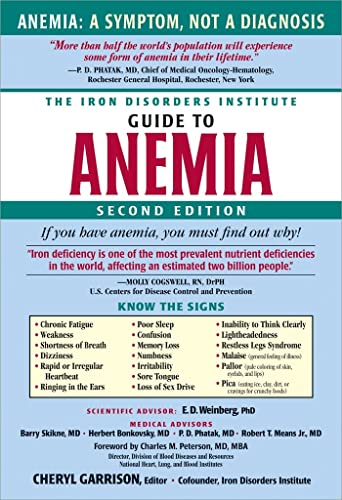
The Iron Disorders Institute Guide to Anemia: Understanding the Causes, Symptoms, and Healing of Iron Deficiency and Other Anemias: Garrison, Cheryl
Cheryl D. Garrison ... <strong>Unravel the mysteries behind anemia's diverse forms, from iron deficiency anemia to hemolytic and aplastic anemia, and gain a deep understanding of their underlying
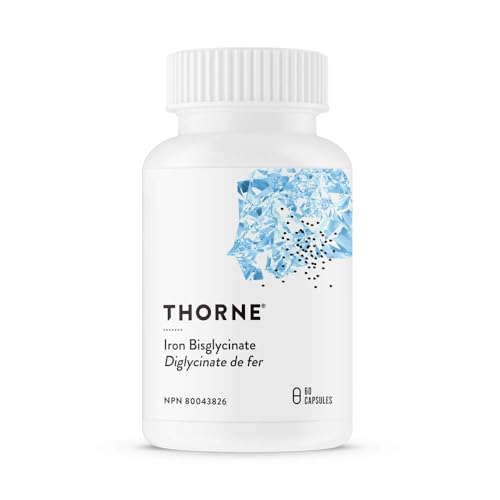
THORNE - Iron Bisglycinate - 25 mg Iron Supplement for Enhanced Absorption Without Gastrointestinal Side Effects* - NSF Certified for Sport - Gluten-Free - 60 Servings
One Capsule Contains: Iron (as Ferrochel Ferrous Bisglycinate Chelate)* 25 mg.
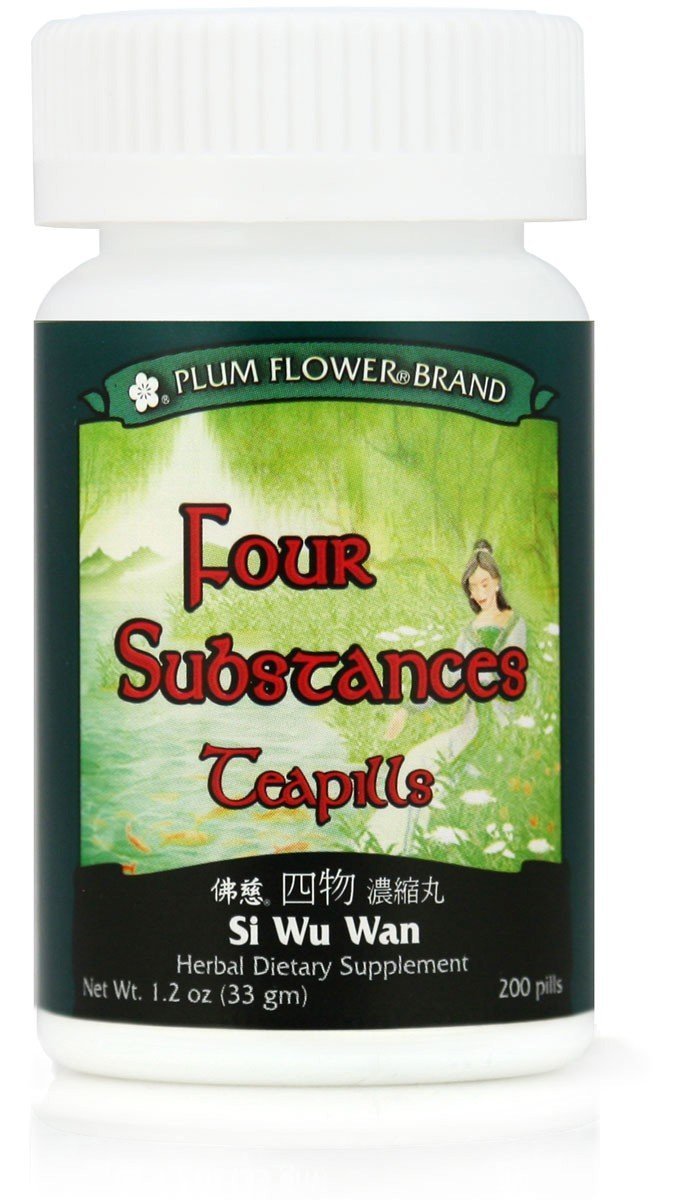
Four Substances For Women (Si Wu Wan), 200 ct, Plum Flower
Buy Four Substances For Women (Si Wu Wan), 200 ct, Plum Flower on Amazon.com ✓ FREE SHIPPING on qualified orders
Evidence & Sources
Supported by multiple clinical trials and systematic reviews
- World Health Organization (WHO)
- National Heart, Lung, and Blood Institute (NHLBI)
- National Institute of Diabetes and Digestive and Kidney Diseases (NIDDK)
- National Center for Complementary and Integrative Health (NCCIH)
- The Lancet Haematology
- Blood
- New England Journal of Medicine
- American Society of Hematology
This content is for informational purposes only and does not constitute medical advice. Always consult a qualified healthcare provider before starting, stopping, or changing any supplement or medication regimen.