

Chronic Kidney Disease and Anemia
Chronic kidney disease (CKD) and anemia are closely linked. As kidney function declines, damaged peritubular fibroblasts in the kidney produce less erythropoietin (EPO), the hormone that stimulates red blood cell (RBC) production. At the same time, CKD drives chronic inflammation and increases levels of hepcidin, a liver-derived peptide that restricts iron absorption and traps iron in storage sites. The result is a hypoproliferative, iron-restricted anemia. Additional contributors include shortened RBC lifespan in uremia, occult gastrointestinal blood loss, and losses related to frequent blood testing and hemodialysis circuits. Anemia becomes more common and severe with advancing CKD stage. Population data show relatively low prevalence in early CKD and a steep rise thereafter, with roughly one in five people at stage 3 and about half or more at stages 4–5 affected; most patients on dialysis require active anemia management. Risks are higher in older adults, people with diabetes, and those on dialysis. Severity of anemia correlates with left ventricular hypertrophy, heart failure, hospitalizations, and mortality. Treating to fully “normalize” hemoglobin (Hb) has not improved survival and increases cardiovascular risk; instead, careful partial correction improves energy and quality of life while avoiding overtreatment risks. Diagnosis centers on hemoglobin measurement alongside iron studies—ferritin and transferrin saturation (TSAT)—and a reticulocyte count to confirm low marrow output. B12, folate, thyroid function, inflammatory markers, and evaluation for blood loss help exclude other causes. KDIGO-aligned criteria define anemia in CKD similarly to WHO cutoffs (Hb <13.0 g/dL in adult men, <12.0 g/dL in adult women), with screening frequency increasing by CKD stage rather than stage-specific Hb thresholds. Treatment integrates iron repletion and stimulation of erythropoiesis. Oral iron may help in earlier CKD, while intravenous iron is often preferred in hemodial
Updated September 8, 2026This content is for informational purposes only and does not constitute medical advice. Always consult a qualified healthcare provider before starting, stopping, or changing any supplement or medication regimen.
Shared Risk Factors
Diabetes mellitus
Strong EvidenceDiabetes is the leading cause of CKD and is associated with chronic inflammation and functional iron deficiency, increasing the risk of anemia.
Older age
Strong EvidenceAging is linked to higher CKD prevalence and to reduced marrow reserve and concurrent deficiencies that predispose to anemia.
Chronic inflammation and elevated hepcidin
Strong EvidenceInflammation (uremia, infections, dialysis) raises hepcidin, which blocks iron absorption and release, contributing to iron-restricted anemia and CKD progression.
Blood loss and iron loss
Moderate EvidenceCKD increases gastrointestinal bleeding risk and hemodialysis-related blood losses, causing absolute iron deficiency and anemia.
Medications (ACE inhibitors/ARBs, antiplatelets/anticoagulants)
Moderate EvidenceACEi/ARBs can modestly reduce Hb; antiplatelets/anticoagulants increase bleeding risk.
Secondary hyperparathyroidism and mineral bone disorder
Emerging ResearchElevated PTH in CKD may cause marrow fibrosis and EPO resistance, aggravating anemia.
Comorbidity Data
Prevalence
Anemia prevalence rises with CKD stage: roughly 8–12% in stages 1–2, ~20% in stage 3, and ~40–50% or more in stages 4–5; most dialysis patients require anemia therapy.
Mechanistic Link
Reduced renal EPO production, inflammation-driven hepcidin elevation causing functional iron deficiency, shortened RBC lifespan, and blood/iron losses (GI and dialysis).
Clinical Implications
Greater anemia severity associates with left ventricular hypertrophy, heart failure, faster CKD progression, hospitalizations, and mortality. Overcorrection of Hb increases risks of stroke, hypertension, and thrombosis.
Sources (3)
- KDIGO Clinical Practice Guideline for Anemia in CKD (2012; 2025 draft update)
- United States Renal Data System (USRDS) 2023 Annual Data Report
- Stauffer ME, Fan T. Prevalence of anemia in CKD: a systematic review. PLoS One. 2014
Overlapping Treatments
Intravenous iron therapy
Strong EvidenceReduces hospitalizations and ESA dose in dialysis populations; part of CKD anemia standard care.
Repletes iron stores; improves Hb, especially with functional iron deficiency.
Monitor for hypersensitivity, iron overload, and infections; use protocols (e.g., proactive but safe dosing).
Oral iron supplementation
Moderate EvidenceConvenient in earlier CKD stages; may delay need for parenteral therapy.
Improves Hb in iron-deficient states; less effective with high hepcidin.
GI intolerance; reduced absorption with PPIs or phosphate binders—timing considerations.
Erythropoiesis-stimulating agents (epoetin alfa, darbepoetin, methoxy PEG-epoetin)
Strong EvidenceReduce transfusions and improve CKD-related quality of life when used judiciously.
Stimulate RBC production; raise Hb levels.
Avoid high Hb targets due to stroke/thrombotic risk; monitor BP and access thrombosis.
HIF–prolyl hydroxylase inhibitors (daprodustat, vadadustat; region-specific)
Moderate EvidenceOral option for CKD anemia; may improve iron handling via lower hepcidin.
Increase endogenous EPO signaling; correct anemia.
Indications vary by region (e.g., dialysis-dependent in US); monitor for thrombotic and cardiovascular events.
Optimize dialysis adequacy and minimize blood loss
Moderate EvidenceAdequate dialysis improves uremic milieu and overall outcomes.
Reduces circuit-related blood loss and inflammation, supporting Hb stability.
Heparin use, frequent lab draws, and access issues can increase bleeding risk.
Treat inflammation/infection and manage CKD-MBD (e.g., control PTH)
Emerging ResearchTargets drivers of CKD complications; may slow progression.
Improves ESA responsiveness and iron utilization; may raise Hb.
Individualize therapies (vitamin D analogs, calcimimetics) and monitor calcium/phosphate.
Kidney transplantation (when appropriate)
Strong EvidenceRestores renal function or markedly improves it.
Restores endogenous EPO production; often resolves renal anemia.
Not all patients are candidates; immunosuppression risks.
Correct nutritional deficiencies (B12, folate) within renal diet constraints
Moderate EvidenceAddresses comorbid deficiencies common in CKD.
Supports erythropoiesis when deficient.
Coordinate with renal dietitian; avoid excesses (e.g., potassium/phosphorus).
Medical Perspectives
Two Ways of Seeing Health

Western
scientific · clinical
Western medicine applies science, technology, and clinical experience to treat symptoms through testing, diagnosis, and targeted intervention.
Surgeons · Pharmaceuticals · Clinical trials · Diagnostics 
Eastern
traditional · alternative
Eastern medicine focuses on treating the body naturally by applying traditional knowledge practiced for thousands of years, emphasizing balance and whole-person wellness.
Acupuncture · Herbal medicine · Yoga · Meditation
Gold Bamboo presents both perspectives side-by-side so you can make informed decisions. We don't advocate for one over the other — your health choices are yours.
Two Ways of Seeing Health
Western
scientific · clinical
Western medicine applies science, technology, and clinical experience to treat symptoms through testing, diagnosis, and targeted intervention.
Eastern
traditional · alternative
Eastern medicine focuses on treating the body naturally by applying traditional knowledge practiced for thousands of years, emphasizing balance and whole-person wellness.
Gold Bamboo presents both perspectives side-by-side so you can make informed decisions. We don't advocate for one over the other — your health choices are yours.
Western Perspective
Western medicine views anemia in CKD as a multifactorial consequence of reduced EPO production, iron dysregulation from inflammation/hepcidin, RBC loss, and uremic inhibition of erythropoiesis. Management focuses on diagnosing correctable causes, repleting iron, and judiciously stimulating erythropoiesis to improve symptoms while minimizing cardiovascular risk.
Key Insights
- Anemia prevalence and severity increase with CKD stage, particularly in dialysis populations.
- Elevated hepcidin in CKD causes functional iron deficiency; IV iron is often superior in dialysis patients.
- High hemoglobin targets with ESAs increase stroke and thrombotic risk; partial correction is safer.
- Proactive IV iron strategies can reduce hospitalizations and ESA doses in hemodialysis.
- HIF–PH inhibitors offer an oral alternative that also modulates iron metabolism; long-term safety is under evaluation.
Treatments
- Iron therapy (oral and IV) guided by ferritin and TSAT
- ESAs with conservative Hb targets (~10–11.5 g/dL, individualized)
- HIF–PH inhibitors where approved (e.g., daprodustat, vadadustat)
- Transfusions when necessary, minimizing use in transplant candidates
- Address inflammation, blood loss, and CKD-MBD to improve responsiveness
Deep Dive
From a western clinical perspective, anemia in chronic kidney disease arises from converging biological disruptions. The failing kidney loses it... From a western clinical perspective, anemia in chronic kidney disease arises from converging biological disruptions. The failing kidney loses its capacity to produce erythropoietin (EPO), which normally signals the marrow to generate red blood cells. Concurrently, CKD is a proinflammatory state. Inflammation elevates hepcidin, a master regulator of iron trafficking that blocks intestinal absorption and sequesters iron in macrophages. Even when ferritin is normal or high, transferrin saturation is often low—an indicator of functional iron deficiency. Uremia shortens red cell survival, and many patients experience ongoing iron loss via occult gastrointestinal bleeding, frequent phlebotomy, and hemodialysis circuit losses. These mechanisms explain why anemia prevalence increases as CKD advances and why dialysis patients often need sustained therapy. Diagnosis begins with confirming low hemoglobin and demonstrating hypoproliferation (low/normal reticulocytes), then assessing iron status with ferritin and transferrin saturation. B12 and folate deficiencies, thyroid disease, hemolysis, and bone marrow disorders are considered in the differential. KDIGO-aligned practice defines anemia in CKD similarly to WHO cutoffs—without stage-specific thresholds—but intensifies monitoring as CKD worsens (e.g., more frequent checks in stages 4–5 and dialysis). Treatment proceeds in layers. Iron repletion is foundational; oral iron can be useful in earlier stages, while intravenous iron is favored in hemodialysis due to poor absorption and high hepcidin. The PIVOTAL trial showed that proactive IV iron reduced hospitalizations and ESA doses without excess infections. When Hb remains low after iron optimization, erythropoiesis-stimulating agents (ESAs) are introduced cautiously. Large trials (CHOIR, CREATE, TREAT) demonstrated that aiming for near-normal Hb increases stroke and thrombotic events; therefore, partial correction with conservative targets and symptom-guided use is standard. Newer HIF–prolyl hydroxylase inhibitors offer an oral option that increases endogenous EPO signaling and may improve iron handling; approvals currently emphasize dialysis-dependent patients, with ongoing safety evaluation. Transfusions are reserved for specific situations and minimized in transplant candidates to avoid sensitization. Clinically, appropriately treated anemia improves fatigue, exercise tolerance, restless legs, and overall quality of life, and reduces transfusion exposure. While correcting anemia has not consistently improved survival or slowed CKD progression, under-treatment is linked with cardiovascular remodeling and hospitalization. Best care also addresses contributors—controlling inflammation, optimizing dialysis adequacy, managing CKD–mineral bone disorder, and identifying bleeding—while coordinating monitoring and shared decision-making.
Sources
- KDIGO Clinical Practice Guideline for Anemia in CKD (2012) and 2025 draft update
- Singh AK et al. CHOIR. N Engl J Med. 2006
- Drüeke TB et al. CREATE. N Engl J Med. 2006
- Pfeffer MA et al. TREAT. N Engl J Med. 2009
- Macdougall IC et al. PIVOTAL. N Engl J Med. 2019
- FDA: Jesduvroq (daprodustat) approval 2023; Vafseo (vadadustat) approval 2024
- Ganz T, Nemeth E. Hepcidin and iron regulation. Science. 2015
Eastern Perspective
Traditional systems, particularly Traditional Chinese Medicine (TCM) and Ayurveda, conceptualize CKD-related fatigue and pallor as intertwined disturbances of the kidney system and blood. TCM often frames renal anemia as Kidney Qi/Essence deficiency with concurrent Spleen deficiency and Blood deficiency, leading to insufficient nourishment of marrow. Ayurveda may attribute similar presentations to imbalances in Rasa/Rakta Dhatu with Agni impairment. Interventions aim to strengthen kidney and spleen functions, build blood, and reduce inflammation, often as adjuncts to biomedical care.
Key Insights
- TCM emphasizes tonifying Kidney and Spleen to ‘engender blood’; acupuncture and herbal formulas are used as adjuncts.
- Certain herbal combinations (e.g., Dang Gui, Shu Di Huang, Huang Qi) are traditionally used to support hematopoiesis and vitality.
- Small clinical studies suggest some TCM formulas may improve hemoglobin and ESA responsiveness in dialysis patients.
- Dietary guidance focuses on digestibility and nutrient density while respecting renal restrictions; gentle movement and breathwork help fatigue management.
- Safety and herb–drug interaction screening are essential in CKD due to altered clearance.
Treatments
- TCM herbal formulas tailored to pattern (e.g., Si Wu Tang variants; Liu Wei Di Huang Wan modifications; Astragalus-containing formulas)
- Acupuncture (e.g., ST36, SP6, KD3, BL23) for fatigue and well-being
- Ayurvedic approaches to support Rakta/Rasa (e.g., Punarnava-based formulas) under qualified supervision
- Mind–body practices (qigong, gentle yoga, breathwork) for energy and sleep
Deep Dive
Traditional and integrative frameworks approach CKD-related anemia as a systemic imbalance affecting vitality and blood nourishment. In Traditio... Traditional and integrative frameworks approach CKD-related anemia as a systemic imbalance affecting vitality and blood nourishment. In Traditional Chinese Medicine (TCM), the kidney governs essence (Jing) and marrow, while the spleen transforms food into qi and blood. Chronic illness and depletion weaken these systems, leading to fatigue, pallor, and breathlessness consistent with Kidney and Spleen deficiency and Blood deficiency. Therapy aims to restore the body’s capacity to generate and circulate blood while calming inflammatory ‘heat’ that can accompany uremia. Herbal strategies commonly combine blood-nourishing botanicals (e.g., Dang Gui/Angelica sinensis and Shu Di Huang/Rehmannia) with qi tonics (e.g., Huang Qi/Astragalus) and kidney-supporting formulas (e.g., Liu Wei Di Huang Wan modifications). Acupuncture points such as ST36 (Zusanli), SP6 (Sanyinjiao), KD3 (Taixi), and BL23 (Shenshu) are used to boost qi, support kidney function, and alleviate fatigue. Small randomized studies suggest that, when added to iron and ESA therapy, certain formulas may raise hemoglobin modestly or reduce ESA requirements—findings consistent with the TCM concept of enhancing the body’s capacity to make blood. However, research quality is variable, and rigorous trials are still needed. Ayurveda may interpret similar constellations as disturbances of Rasa and Rakta Dhatus, with impaired Agni contributing to poor assimilation. Gentle rasayana approaches, judicious use of kidney-safe botanicals (e.g., Punarnava-based combinations under supervision), sattvic diet modifications, and mindfulness practices are employed to support stamina and well-being. Naturopathic care often emphasizes anti-inflammatory nutrition, iron-rich foods compatible with renal restrictions, vitamin C to aid absorption, sleep optimization, and stress reduction. Across traditions, safety is paramount in CKD: reduced renal clearance can magnify herb effects, and interactions with anticoagulants, ESAs, or phosphate binders are possible. Collaboration with nephrology, disclosure of all supplements, and lab monitoring safeguard patients who choose integrative adjuncts. In practice, many people combine evidence-based biomedical treatments (iron, ESAs, HIF–PH inhibitors) with carefully selected traditional therapies to ease fatigue, improve appetite and sleep, and enhance quality of life, while recognizing the emerging nature of evidence for these adjuncts.
Sources
- Zhang W et al. Traditional Chinese medicine as adjunct for renal anemia: systematic reviews (various small RCTs)
- Cochrane reviews on Chinese herbal medicine in CKD (limited-quality evidence)
- NIH/NCCIH guidance on herb–drug interactions and CKD safety
Evidence Ratings
Reduced renal erythropoietin production is a primary driver of anemia in CKD.
KDIGO 2012/2025 draft; Stauffer & Fan 2014 PLoS One review
Hepcidin-mediated functional iron deficiency is common in CKD and impairs iron utilization.
Ganz & Nemeth, Science 2015; KDIGO anemia guideline
Targeting near-normal hemoglobin with ESAs increases cardiovascular events (e.g., stroke).
CHOIR 2006; CREATE 2006; TREAT 2009 (NEJM)
Proactive IV iron in hemodialysis reduces ESA dose and hospitalizations without excess infections.
PIVOTAL trial, NEJM 2019
HIF–PH inhibitors raise hemoglobin in CKD and may lower hepcidin; long-term safety surveillance is ongoing.
Phase 3 trials; FDA approvals of daprodustat (2023) and vadadustat (2024) for dialysis-dependent patients
Anemia severity correlates with LVH, heart failure, and mortality in CKD.
USRDS 2023 Annual Data Report; observational cohorts
Secondary hyperparathyroidism contributes to EPO resistance and anemia in CKD.
Reviews on CKD-MBD and erythropoiesis; KDIGO CKD-MBD guidance
Adjunctive TCM formulas may improve Hb and ESA responsiveness in dialysis patients.
Small RCTs and meta-analyses with methodological limitations (various)
Sources
- KDIGO Clinical Practice Guideline for Anemia in Chronic Kidney Disease (2012) and 2025 Draft Update
- United States Renal Data System (USRDS) 2023 Annual Data Report
- Stauffer ME, Fan T. Prevalence of anemia in CKD: a systematic review. PLoS One. 2014;9(1):e84943
- Singh AK et al. Correction of anemia with epoetin alfa in CKD (CHOIR). N Engl J Med. 2006;355:2085-98
- Drüeke TB et al. Normalization of Hb in CKD (CREATE). N Engl J Med. 2006;355:2071-84
- Pfeffer MA et al. TREAT trial. N Engl J Med. 2009;361:2019-32
- Macdougall IC et al. PIVOTAL trial. N Engl J Med. 2019;380:447-458
- Ganz T, Nemeth E. Iron homeostasis/hepcidin. Science. 2015;350(6257):148-149
- FDA announcements: Jesduvroq (daprodustat) 2023; Vafseo (vadadustat) 2024
Related Topics
Topics
- Diabetes
- Hypertension
- Hemodialysis
- Peritoneal Dialysis
Recommended Products

Handbook of Chronic Kidney Disease Management eBook : Daugirdas, John: Kindle Store
<strong>Offering authoritative coverage of all aspects of diagnosing, treating, and preventing the progression of chronic kidney disease (CKD),</strong> this highly regarded handbook is an invaluable
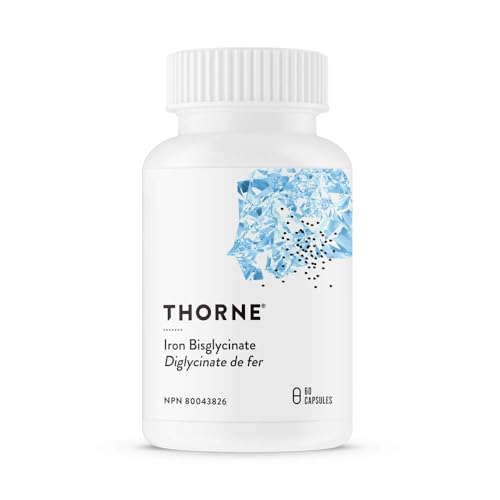
THORNE - Iron Bisglycinate - 25 mg Iron Supplement for Enhanced Absorption Without Gastrointestinal Side Effects* - NSF Certified for Sport - Gluten-Free - 60 Servings
One Capsule Contains: Iron (as Ferrochel Ferrous Bisglycinate Chelate)* 25 mg.

EZ DETECT Home Test for Early Warning Signs of Colorectal Disease
COLONOX at-Home Colon Screening Test Kit – Easy to Use Fecal Occult Blood (FIT or FOB) Colon Test for Early Detection (3 Tests) EZCHECK® at-Home iFOB Test (1 Test) Immunochemical Fecal Occult Blood Te
Health Disclaimer
This content is for informational purposes only and does not constitute medical advice. Always consult a qualified healthcare provider before starting, stopping, or changing any supplement or medication regimen.