

Chronic Kidney Disease
Overview
Chronic Kidney Disease (CKD) is a long-term condition in which the kidneys gradually lose their ability to filter blood, regulate fluid balance, maintain electrolyte levels, and support functions such as blood pressure control, red blood cell production, and bone-mineral metabolism. In conventional medicine, CKD is typically defined by abnormalities of kidney structure or function that persist for more than three months, often identified by a reduced estimated glomerular filtration rate (eGFR), elevated urine albumin, or imaging and laboratory findings that suggest ongoing kidney damage. Because the kidneys affect many systems at once, CKD is not only a renal disorder but also a major cardiometabolic and public health issue.
CKD is common worldwide and often progresses silently. Early stages may cause few or no noticeable symptoms, while more advanced disease can be associated with fatigue, swelling, changes in urination, poor appetite, itching, sleep disturbance, anemia, bone disease, and cardiovascular complications. Major risk factors include diabetes, high blood pressure, cardiovascular disease, obesity, older age, autoimmune disease, recurrent kidney injury, inherited kidney disorders, and exposure to nephrotoxic medications or toxins. Research consistently shows that CKD is linked with a higher risk of heart attack, stroke, hospitalization, and premature mortality.
The condition is usually described in stages based on eGFR and albuminuria, which together help estimate severity and risk of progression. Some people remain stable for years, while others experience gradual decline toward kidney failure, at which point dialysis or kidney transplantation may become necessary. Studies indicate that earlier detection and risk-factor management are associated with slower progression and better overall outcomes, particularly when blood pressure, blood sugar, and cardiovascular risk are addressed in a coordinated way.
From a broader health perspective, CKD is significant because it affects quality of life, medication metabolism, nutrition, and the safety of many common therapies. It also frequently coexists with frailty, inflammation, mineral imbalance, and psychosocial burden. For that reason, both conventional and traditional systems often view CKD as a complex, whole-person condition that benefits from individualized evaluation by qualified healthcare professionals, especially because symptoms and laboratory changes do not always move together.
Compare Treatment Options
Chronic kidney disease (CKD) is a long-term decline in kidney function, usually defined by a sustained reduction in estimated glomerular filtration rate (eGFR), persistent albumin in the urine, or other markers of kidney damage present for at least 3 months. The kidneys help regulate fluid balance, electrolytes, acid-base status, blood pressure, red blood cell production, and bone-mineral metabolism, so CKD can affect far more than filtration alone. Common drivers include diabetes, hypertension, glomerular disease, genetic disorders, autoimmune conditions, and prior kidney injury. Treatment plans often vary because CKD is a spectrum rather than a single uniform disease, and risk can differ substantially by stage, albuminuria, cause, symptoms, and cardiovascular burden. In Western medicine, management often focuses on slowing progression, reducing albuminuria, controlling blood pressure and blood sugar, treating complications, and preparing for renal replacement therapy when needed. In Eastern and integrative frameworks, clinicians may also consider symptom burden, energy levels, digestion, sleep, edema, and quality of life, using approaches such as acupuncture, individualized herbal medicine, and therapeutic food practices. Research support is not equal across options: some interventions are strongly studied and form the backbone of standard care, while others are used traditionally or as adjuncts with more limited or mixed evidence. That difference in evidence matters especially in CKD, where kidney clearance, electrolyte shifts, herb-drug interactions, and delayed recognition of progression can carry real risks.
View treatment comparison (6 options)Medical Perspectives
Two Ways of Seeing Health

Western
scientific · clinical
Western medicine applies science, technology, and clinical experience to treat symptoms through testing, diagnosis, and targeted intervention.

Eastern
traditional · alternative
Eastern medicine focuses on treating the body naturally by applying traditional knowledge practiced for thousands of years, emphasizing balance and whole-person wellness.
Gold Bamboo presents both perspectives side-by-side so you can make informed decisions. We don't advocate for one over the other — your health choices are yours.
Western Medicine Perspective
Western Medicine Perspective
In conventional medicine, CKD is understood as a chronic loss of nephron function caused by ongoing damage to the kidney's filtering units, blood vessels, tubules, or supporting tissues. Common underlying causes include diabetic kidney disease, hypertensive kidney damage, glomerulonephritis, polycystic kidney disease, obstructive uropathy, and autoimmune or inflammatory disorders. Diagnostic evaluation generally focuses on repeated measures of serum creatinine, eGFR, urine albumin-to-creatinine ratio, urinalysis, blood pressure, metabolic panels, and sometimes kidney imaging or biopsy. Clinical assessment also looks for complications such as anemia, acidosis, potassium imbalance, fluid overload, chronic kidney disease–mineral and bone disorder (CKD-MBD), and cardiovascular disease.
Modern management is centered on risk stratification and slowing progression, while also reducing complications and preserving quality of life. Research supports the importance of identifying reversible contributors such as dehydration, medication-related kidney injury, urinary obstruction, uncontrolled blood pressure, and poorly controlled diabetes. Contemporary nephrology also places strong emphasis on cardiovascular protection, since people with CKD are often more likely to experience cardiovascular events than to progress immediately to kidney failure. Care plans are typically individualized based on CKD stage, albuminuria, cause of disease, comorbidities, and overall functional status.
Evidence-based care may involve monitoring kidney function over time, adjusting medication dosing for renal function, addressing blood pressure and glycemic control, evaluating dietary factors, and planning ahead for advanced care needs when disease progresses. In later stages, clinicians may discuss renal replacement therapies such as dialysis or transplantation, as well as supportive and palliative models of care. Because CKD is complex and often changes the safety profile of common drugs, conventional medicine generally emphasizes ongoing follow-up with primary care clinicians, nephrologists, and other specialists as appropriate.
Eastern & Traditional Perspective
Eastern / Traditional Medicine Perspective
In Traditional Chinese Medicine (TCM), chronic kidney disorders are not framed solely as reduced filtration capacity but as patterns of imbalance involving the Kidney system, often in relationship with the Spleen, Liver, and Lung. Depending on presentation, practitioners may describe patterns such as Kidney Yin deficiency, Kidney Yang deficiency, Spleen-Kidney deficiency, dampness accumulation, blood stasis, or toxin retention. Symptoms such as edema, low back weakness, fatigue, urinary changes, coldness, night sweats, or dryness may be interpreted through these pattern frameworks rather than through laboratory markers alone. Traditional assessment typically considers the whole symptom picture, pulse, tongue findings, digestion, sleep, and constitutional tendencies.
Within Ayurveda, kidney-related chronic disease may be understood through disturbances in doshas, impaired tissue metabolism, fluid balance, and accumulation of metabolic waste, sometimes discussed in relation to mutravaha srotas (urinary channels). Broader traditional systems often emphasize the interconnected roles of digestion, circulation, inflammation, vitality, and elimination. Naturopathic and integrative frameworks may similarly view CKD as involving systemic burden, oxidative stress, metabolic dysfunction, and reduced resilience, while recognizing the importance of conventional laboratory monitoring and specialist care.
Traditional and integrative approaches have historically used dietary frameworks, mind-body practices, acupuncture, and botanical formulations in support of symptom relief and overall balance. However, the evidence base for many complementary interventions in CKD remains mixed or limited, and some herbs or supplements may carry important safety concerns because reduced kidney function can alter clearance and increase the risk of toxicity, contamination, electrolyte disturbance, or herb-drug interactions. For that reason, integrative care models generally stress coordination with qualified healthcare professionals, especially nephrology-informed clinicians, before combining traditional therapies with standard CKD care.
Related Topics
Anemia
Anemia — condition topic in the Gold Bamboo health ontology.
How They Relate
Chronic Kidney Disease & Anemia
Chronic kidney disease (CKD) and anemia are closely linked. As kidney function declines, damaged peritubular fibroblasts in the kidney produce less erythropoietin (EPO), the hormone that stimulates...
Supplements & Products
Recommended Products

Herb, Nutrient, and Drug Interactions: Clinical Implications and Therapeutic Strategies
by Mitchell Bebel Stargrove ND LAc (Author), Jonathan Treasure MA MNIMH RH (AHG) MCPP (Author), Dwight L. McKee MD (Author) & 0 more

NOW Foods Immune Support Supplements, Astragalus Extract 500 mg (Standardized to 70% Polysaccharides), 90 Veg Capsules
Standardized to 70% Polysaccharides <strong>Supports Healthy Immune Cell Function</strong>* For more than 2000 years, Chinese herbalists have valued astragalus for its adaptogenic properties, as well

THORNE - Curcumin Phytosome 1000 mg (Meriva) - Clinically Studied, High Absorption - Supports Healthy Inflammatory Response in Joints, Muscles, GI Tract, Liver, Brain & Nerves* - 60 Servings
THORNE - Curcumin Phytosome 500 mg (Meriva) - Sustained Release, Clinically Studied - <strong>Supports Healthy Inflammatory Response in Joints, Muscles, GI Tract, Liver, Brain & Nerves</strong>* -

Renal Diet Cookbook for the Newly Diagnosed: The Complete Guide to Managing Kidney Disease and Avoiding Dialysis: Zogheib MHS RD LDN, Susan, Wish MD, Jay
Renal Diet Cookbook for the Newly Diagnosed: <strong>The Complete Guide to Managing Kidney Disease and Avoiding Dialysis</strong> [Zogheib MHS RD LDN, Susan, Wish MD, Jay] on Amazon.com. *FREE* shippi

OMRON 10 Series Blood Pressure Monitor for Home Use & Upper Arm Blood Pressure Cuff - #1 Doctor & Pharmacist Recommended Brand - Clinically Validated - Connect App
CONFIDENCE IN EVERY READING: Monitor your heart health with the OMRON 10 Series Upper Arm Blood Pressure Monitor's Advanced Accuracy with TruRead Technology; Store up to 100 readings each for you

CeraVe Anti Itch Moisturizing Lotion with Pramoxine Hydrochloride, Relieves Itch with Minor Skin Irritations, Sunburn Relief, Bug Bites, 8 Ounce
Developed with dermatologists, CeraVe Itch Relief Moisturizing Lotion <strong>temporarily relieves itching associated with minor skin irritations, insect bites and sunburn</strong>. Formulated with th

Nordic Naturals Ultimate Omega, Lemon Flavor - 180 Soft Gels - 1280 mg Omega-3 - High-Potency Fish Oil with EPA & DHA - Promotes Brain & Heart Health - Non-GMO - 90 Servings
Buy Nordic Naturals Ultimate Omega, Lemon Flavor - 180 Soft Gels - 1280 mg Omega-3 - High-Potency Fish Oil with EPA & DHA - Promotes Brain & Heart Health - Non-GMO - 90 Servings on Amazon.com
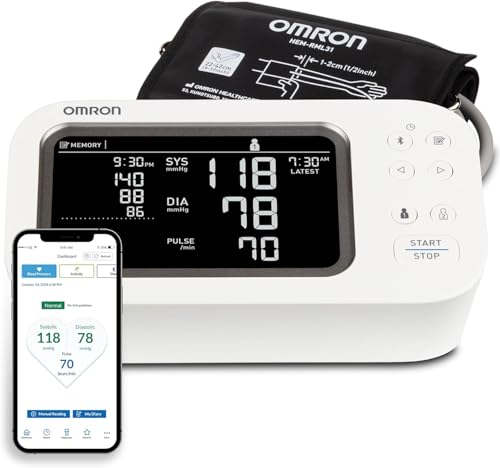
OMRON Platinum Blood Pressure Monitor for Home Use & Upper Arm Blood Pressure Cuff - #1 Doctor & Pharmacist Recommended Brand - Clinically Validated - AFib Detection - Connect App
CONFIDENCE IN EVERY READING: Monitor your heart health with the OMRON Platinum Upper Arm Blood Pressure Monitor's <strong>Advanced Accuracy with AFib Detection Technology</strong>; Store up to 10
Evidence & Sources
Supported by multiple clinical trials and systematic reviews
- KDIGO Clinical Practice Guidelines
- National Kidney Foundation
- National Institute of Diabetes and Digestive and Kidney Diseases (NIDDK)
- The Lancet
- New England Journal of Medicine
- JAMA
- Nature Reviews Nephrology
- World Health Organization (WHO)
- National Center for Complementary and Integrative Health (NCCIH)
This content is for informational purposes only and does not constitute medical advice. Always consult a qualified healthcare provider before starting, stopping, or changing any supplement or medication regimen.