

Anemia and Restless Legs Syndrome (RLS)
Anemia and restless legs syndrome (RLS) frequently intersect, most clearly when anemia is driven by iron deficiency. RLS is a neurological sensorimotor condition marked by an urge to move the legs that worsens at rest and in the evening, often disrupting sleep. Anemia is a reduction in red blood cell mass or hemoglobin, with iron-deficiency anemia (IDA) the most common type worldwide. Understanding how these conditions connect helps target evaluation and management. Epidemiologically, RLS affects roughly 5–10% of adults, with higher rates during late pregnancy and in chronic kidney disease (CKD). RLS is more common in people with low iron stores, even without overt anemia. Pregnancy (especially third trimester), CKD and dialysis, and older age are high‑risk contexts where RLS and anemia or iron dysregulation frequently co-occur. Mechanistically, low iron—particularly low brain iron—is a central link. Iron is required for dopamine synthesis and function. Imaging, cerebrospinal fluid studies, and pathology point to reduced iron within key brain regions in RLS, which can occur despite normal blood counts. Low ferritin and low transferrin saturation correlate with RLS severity, supporting the concept of brain iron deficiency and altered dopaminergic signaling. Additional hypotheses include peripheral or small‑fiber neuropathy in metabolic disease and tissue hypoxia/inflammation pathways in CKD. By contrast, non‑iron anemias (for example, isolated B12 or folate deficiency) are not consistently linked to RLS unless iron metabolism is also impaired. Clinically, distinguishing RLS from leg cramps, neuropathy, or akathisia is essential. Helpful tests include a complete blood count and iron studies (serum ferritin and transferrin saturation), with C‑reactive protein to interpret ferritin when inflammation is present. Many guidelines associate RLS with ferritin below about 50–75 ng/mL; transferrin saturation below 20% strengthens the case for iron repletion. Red flags that,
Updated September 8, 2026This content is for informational purposes only and does not constitute medical advice. Always consult a qualified healthcare provider before starting, stopping, or changing any supplement or medication regimen.
Shared Risk Factors
Low iron stores (depleted ferritin and low transferrin saturation)
Strong EvidenceIron deficiency is a major risk factor for both iron-deficiency anemia and RLS, and low ferritin correlates with RLS severity even without anemia.
Chronic kidney disease (CKD) and dialysis
Strong EvidenceCKD causes functional iron deficiency, anemia of chronic disease, uremia, inflammation, and sleep disruption—all linked with higher RLS prevalence.
Pregnancy (especially 3rd trimester)
Strong EvidenceIncreased iron demand and hemodilution lower iron indices; pregnancy is a high‑risk period for both anemia and new-onset or worsened RLS.
Chronic inflammation and inflammatory disorders
Moderate EvidenceInflammation raises hepcidin, limiting iron availability (functional deficiency) and contributing to anemia of chronic disease; inflammatory signaling may also influence RLS pathways.
Gastrointestinal blood loss or malabsorption
Moderate EvidenceOccult blood loss (e.g., GI) and malabsorption (e.g., celiac disease, bariatric surgery) lower iron stores, raising risk for IDA and RLS.
Advanced age and female sex
Moderate EvidenceHigher prevalence of both anemia and RLS is observed with aging; iron deficiency is more prevalent among women of reproductive age and during/after pregnancy.
Comorbidity Data
Prevalence
RLS affects ~5–10% of adults; prevalence is higher with iron deficiency and anemia. In pregnancy, pooled prevalence estimates range ~11–27%, peaking in the 3rd trimester. In CKD, RLS prevalence is commonly reported between 20–30% and may be higher on dialysis. Observational data indicate increased odds of RLS among people with iron deficiency and iron-deficiency anemia versus controls.
Mechanistic Link
Low systemic iron (low ferritin/low transferrin saturation) is associated with brain iron deficiency. This impairs tyrosine hydroxylase activity and dopamine signaling in subcortical pathways implicated in RLS. CKD adds functional iron deficiency, inflammation, uremia, and possible hypoxia signaling changes. Non‑iron anemias are less consistently linked unless iron metabolism is also affected.
Clinical Implications
In patients presenting with RLS, iron studies are high-yield; correcting iron deficiency can meaningfully reduce symptoms. In anemia evaluations, asking about RLS symptoms can uncover brain iron consequences of systemic deficiency. In CKD and pregnancy, proactive monitoring of iron indices may help mitigate RLS severity and sleep disruption.
Sources (5)
- Silber MH et al. The Management of Restless Legs Syndrome: An Updated Algorithm. Mayo Clin Proc. 2021.
- Trotti LM. Iron for the treatment of restless legs syndrome. Cochrane Database Syst Rev. 2019.
- Chen SJ et al. Restless legs syndrome during pregnancy: prevalence and risk factors. Sleep Med Rev. 2018.
- Garcia-Borreguero D, et al. Diagnostic and treatment guidelines for RLS. Sleep Med. 2014.
- Winkelman JW et al. RLS in chronic kidney disease: epidemiology and management. Nat Sci Sleep. 2016.
Overlapping Treatments
Oral iron repletion (when ferritin is low)
Moderate EvidenceAddresses iron-deficiency anemia and replenishes iron stores.
Improves RLS severity in those with low ferritin/low transferrin saturation; benefit is greater when baseline ferritin is below ~75 ng/mL.
GI side effects and variable absorption; slower response; require monitoring to avoid iron overload.
Intravenous (IV) iron (e.g., ferric carboxymaltose, iron sucrose)
Strong EvidenceRapidly repletes iron and supports erythropoiesis, including in inflammation/CKD.
Multiple RCTs and reviews show clinically meaningful improvement in moderate–severe RLS, especially with low iron indices or after oral iron failure/intolerance.
Infusion reactions are uncommon but possible; monitor ferritin/TSAT; ferric carboxymaltose has hypophosphatemia risk.
Identify and treat sources of iron loss or malabsorption (e.g., GI bleeding, celiac disease)
Moderate EvidencePrevents recurrent iron-deficiency anemia; corrects underlying cause.
Sustains iron repletion, reducing recurrence or persistence of RLS related to iron deficiency.
Requires appropriate specialty evaluation; benefits on RLS are indirect via iron restoration.
CKD anemia management (iron optimization ± erythropoiesis-stimulating agents)
Emerging ResearchImproves hemoglobin and iron parameters in CKD-related anemia.
Observational and small interventional studies suggest RLS severity may lessen as iron status and uremia improve.
Complex risk–benefit balance in CKD; coordinate with nephrology; RLS may persist despite anemia correction.
Dietary iron optimization and enhancers of absorption (e.g., vitamin C–rich foods)
Emerging ResearchSupports maintenance of iron balance and prevention of recurrent deficiency.
May help sustain ferritin/TSAT targets associated with fewer RLS symptoms.
Diet alone may be insufficient for significant deficiency; consider cultural and dietary preferences.
Folate and vitamin B12 repletion when deficient
Emerging ResearchTreats megaloblastic anemia due to these deficiencies.
May improve neuropathic symptoms that mimic or aggravate RLS; direct RLS benefit is uncertain unless iron is also low.
Confirm deficiency before treatment; does not replace iron therapy when iron deficient.
Medical Perspectives
Two Ways of Seeing Health

Western
scientific · clinical
Western medicine applies science, technology, and clinical experience to treat symptoms through testing, diagnosis, and targeted intervention.
Surgeons · Pharmaceuticals · Clinical trials · Diagnostics 
Eastern
traditional · alternative
Eastern medicine focuses on treating the body naturally by applying traditional knowledge practiced for thousands of years, emphasizing balance and whole-person wellness.
Acupuncture · Herbal medicine · Yoga · Meditation
Gold Bamboo presents both perspectives side-by-side so you can make informed decisions. We don't advocate for one over the other — your health choices are yours.
Two Ways of Seeing Health
Western
scientific · clinical
Western medicine applies science, technology, and clinical experience to treat symptoms through testing, diagnosis, and targeted intervention.
Eastern
traditional · alternative
Eastern medicine focuses on treating the body naturally by applying traditional knowledge practiced for thousands of years, emphasizing balance and whole-person wellness.
Gold Bamboo presents both perspectives side-by-side so you can make informed decisions. We don't advocate for one over the other — your health choices are yours.
Western Perspective
Western medicine views iron deficiency—especially low ferritin and low transferrin saturation—as a core, modifiable driver of RLS. Brain iron deficiency impairs dopaminergic neurotransmission, explaining why both iron therapy and dopamine‑targeting drugs relieve symptoms. Comorbidity is prominent in pregnancy and CKD due to altered iron homeostasis and inflammation.
Key Insights
- Low ferritin (often <50–75 ng/mL) is associated with RLS onset and severity, even without anemia.
- IV iron has consistent benefit for moderate–severe RLS, particularly when oral iron is inadequate or not tolerated.
- CKD and pregnancy markedly increase RLS prevalence; proactive iron assessment is high-yield in these groups.
- Non‑iron anemias are not reliably linked to RLS unless iron metabolism is also impaired.
- Dopamine agonists and alpha-2-delta ligands are effective for persistent RLS, but iron optimization is foundational.
Treatments
- Oral/IV iron repletion guided by ferritin and transferrin saturation
- Address sources of iron loss (e.g., GI bleeding) and malabsorption
- Alpha-2-delta ligands (gabapentin enacarbil, pregabalin) for chronic persistent RLS
- Dopamine agonists (pramipexole, ropinirole, rotigotine) with attention to augmentation risk
- Nonpharmacologic sleep and lifestyle measures (exercise, leg massage, heat/cold)
Deep Dive
From a Western clinical perspective, the strongest bridge between anemia and restless legs syndrome (RLS) is iron status. RLS frequently present... From a Western clinical perspective, the strongest bridge between anemia and restless legs syndrome (RLS) is iron status. RLS frequently presents in settings where iron supply is limited or functionally restricted—pregnancy, chronic kidney disease (CKD), and in individuals with iron-deficiency anemia (IDA) or low ferritin without overt anemia. Iron is essential to dopamine synthesis and function. Compelling evidence from cerebrospinal fluid studies, brain imaging, and postmortem analyses demonstrates reduced iron within regions critical to sensorimotor integration in RLS, even when routine blood counts appear normal. This “brain iron deficiency” model explains why both iron therapy and dopamine‑enhancing medications alleviate symptoms and why ferritin and transferrin saturation are more informative than hemoglobin alone. Epidemiologic data reinforce these mechanisms: RLS prevalence rises in late pregnancy and in CKD, where hepcidin-mediated iron sequestration and inflammation produce low transferrin saturation and functional iron deficiency. In such contexts, RLS may be both more common and more severe. Clinically, evaluation of patients with RLS should include iron studies—serum ferritin and transferrin saturation—ideally alongside C‑reactive protein to interpret ferritin in inflammatory states. Many guidelines associate symptomatic RLS with ferritin below roughly 50–75 ng/mL and recommend iron repletion when indices are low. Treatment evidence is strongest for intravenous iron (e.g., ferric carboxymaltose, iron sucrose), which shows consistent benefit in randomized trials for moderate to severe RLS, particularly when oral iron is not tolerated or is ineffective. Oral iron can help when deficiency is present but may act more slowly and less robustly. Correcting sources of iron loss (e.g., gastrointestinal bleeding) or malabsorption is essential to prevent recurrence. In CKD, coordinated anemia management—optimizing iron status and, when appropriate, erythropoiesis-stimulating agents—may lessen RLS burden but often does not eliminate it. When RLS persists after iron optimization, alpha‑2‑delta ligands (gabapentin enacarbil, pregabalin) and, selectively, dopamine agonists (pramipexole, ropinirole, rotigotine) are effective options; careful monitoring for augmentation and adverse effects is required. Nonpharmacologic strategies—regular exercise, sleep hygiene, leg massage, heat or cold therapy, and limiting evening caffeine, nicotine, and alcohol—provide adjunctive relief. Monitoring ferritin and transferrin saturation over time helps maintain symptom control and guides re‑treatment decisions.
Sources
- Silber MH et al. Mayo Clin Proc. 2021 Updated Algorithm for RLS.
- AASM Clinical Practice Guideline for RLS/PLMD. 2021.
- Trotti LM. Cochrane Database Syst Rev. 2019 (Iron for RLS).
- Allen RP, Connor JR, et al. Brain iron deficiency in RLS. Sleep Med Rev/Lancet Neurol reviews.
- Trenkwalder C et al. Randomized trials of ferric carboxymaltose in RLS.
Eastern Perspective
Traditional East Asian medicine often interprets RLS-like symptoms as manifestations of Blood deficiency with internal Wind or Yin deficiency stirring Wind, patterns that align conceptually with anemia and systemic depletion. Ayurveda frames similar symptoms within Vata aggravation and Raktadhatu (blood) depletion. These systems aim to tonify blood/essence, calm wind, and restore sleep rhythms, using acupuncture, herbal formulas, diet, and gentle movement.
Key Insights
- TCM pattern diagnosis frequently links leg restlessness and insomnia to Liver/Heart–Blood deficiency and Yin deficiency; anemia is seen as Blood deficiency.
- Acupuncture and acupressure (e.g., ST36, SP6, LV3, GB34) may reduce RLS severity and improve sleep in small trials with low-to-moderate quality.
- Herbal blood‑tonifying formulas (e.g., Si Wu Tang, Dang Gui Bu Xue Tang) are traditionally used to support blood and calm restlessness; modern evidence is limited.
- Ayurvedic approaches target Vata balance through warm oil massage (abhyanga), gentle yoga, breathwork, and rasayana nourishment; clinical evidence is emerging.
- Dietary strategies emphasize iron‑supportive foods and sleep‑promoting routines, complementing biomedical iron repletion.
Treatments
- Acupuncture or acupressure protocols targeting Blood deficiency and Wind
- TCM herbal formulas individualized to pattern (e.g., Si Wu Tang), under trained supervision
- Moxibustion and warming therapies to calm restlessness
- Ayurvedic lifestyle measures: abhyanga, gentle yoga, pranayama, and grounding diet
- Mind–body practices to reduce arousal (meditation, tai chi)
Deep Dive
Traditional East Asian medicine (TCM) and Ayurveda offer frameworks that resonate with the observed link between anemia and RLS. TCM often inter... Traditional East Asian medicine (TCM) and Ayurveda offer frameworks that resonate with the observed link between anemia and RLS. TCM often interprets leg restlessness, insomnia, and fatigue as signs of Blood deficiency with internal Wind or Yin deficiency stirring Wind. This aligns conceptually with depleted systemic resources—such as low iron and anemia—and heightened nervous system reactivity. Treatment focuses on nourishing Blood and calming Wind to restore restful sleep and ease limb discomfort. Acupuncture points like ST36 (Zusanli), SP6 (Sanyinjiao), LV3 (Taichong), and GB34 (Yanglingquan) are commonly selected to strengthen Spleen/Stomach, tonify Blood, soothe the Liver, and relax tendons. Small trials suggest acupuncture may reduce RLS severity and improve sleep with favorable tolerability, though study quality is mixed and larger, rigorous trials are needed. Herbal strategies such as Si Wu Tang (Four Substances Decoction) or Dang Gui Bu Xue Tang (Tangkuei Decoction to Tonify Blood) are traditionally prescribed to build Blood and address fatigue, dizziness, and palpitations—symptoms often overlapping with anemia. Individualized formulas may also target Yin deficiency and internal Wind. In Ayurveda, RLS-like symptoms reflect Vata aggravation and depletion of Raktadhatu (blood). Gentle, warming practices—abhyanga (warm oil massage), restorative yoga, and breathwork—aim to calm the nervous system and support circulation and sleep. Dietary measures emphasize warm, iron-supportive, and easy-to-digest foods, complementing biomedical iron repletion. From an integrative standpoint, these systems can be paired with laboratory-guided iron management. Traditional approaches may help reduce arousal, improve sleep continuity, and enhance quality of life while iron stores are restored. Safety and coordination are paramount: herbal prescriptions should be supervised by trained practitioners who consider interactions with conventional medications, and any metal-containing preparations must meet modern safety standards. For CKD and pregnancy—contexts with both higher RLS burden and altered iron handling—collaboration among conventional clinicians and skilled traditional practitioners may optimize outcomes while respecting cultural preferences and individual values.
Sources
- Lee SH et al. Acupuncture for RLS: systematic review/meta-analysis (mixed quality).
- TCM classics and modern monographs describing Blood deficiency and Wind patterns.
- Integrative reviews on yoga/mind–body for sleep disturbances.
- Small RCTs/case series of acupuncture in CKD-related RLS.
Evidence Ratings
Low ferritin (often <50–75 ng/mL) is associated with greater RLS severity and higher likelihood of symptoms.
Silber MH et al. Mayo Clin Proc. 2021 Updated Algorithm; observational correlations across cohorts.
Intravenous iron improves RLS symptoms in moderate–severe cases, particularly when iron indices are low or oral iron is unsuitable.
Trotti LM. Cochrane Database Syst Rev. 2019; multiple RCTs of ferric carboxymaltose/iron sucrose.
Oral iron benefits RLS when iron deficiency is present, though effects are smaller and slower than IV iron.
AASM 2021 guideline; RCTs and controlled studies in low-ferritin RLS.
RLS prevalence is substantially higher in pregnancy, peaking in the third trimester, and often remits postpartum.
Chen SJ et al. Sleep Med Rev. 2018 (systematic review/meta-analysis).
RLS is more prevalent in CKD and dialysis populations than in the general population.
Winkelman JW et al. Nat Sci Sleep. 2016; multiple observational studies and meta-analyses.
Brain iron deficiency contributes to impaired dopaminergic neurotransmission in RLS.
Allen RP, Connor JR. Reviews on brain iron imaging, CSF ferritin, and postmortem studies.
Non-iron anemias (isolated B12/folate deficiency) do not consistently cause RLS unless iron metabolism is also abnormal.
Integrative reviews and guideline commentary (Mayo Clin Proc. 2021).
Sources
- Silber MH, et al. The Management of Restless Legs Syndrome: An Updated Algorithm. Mayo Clinic Proceedings. 2021.
- AASM Clinical Practice Guideline: Treatment of Restless Legs Syndrome and Periodic Limb Movement Disorder in Adults. 2021.
- Trotti LM. Iron for the treatment of restless legs syndrome. Cochrane Database of Systematic Reviews. 2019.
- Allen RP, Picchietti DL, Garcia-Borreguero D, et al. Restless legs syndrome: diagnostic criteria, special considerations, and epidemiology. Sleep Medicine. 2014.
- Connor JR, Wang XS, Allen RP. Brain iron deficiency in restless legs syndrome. Sleep Medicine Reviews. 2011.
- Chen SJ, Shi L, Bao YP, et al. Restless legs syndrome during pregnancy: prevalence, risk factors, and outcomes. Sleep Medicine Reviews. 2018.
- Winkelman JW, Chertow GM, Lazarus JM. Restless legs syndrome in end-stage renal disease. Nat Sci Sleep. 2016.
- Allen RP, Adler CH, Du W, et al. Ferric carboxymaltose in patients with restless legs syndrome: randomized controlled trial. Sleep Medicine. 2011.
- Garcia-Borreguero D, Cano-Pumarega I. New concepts in the management of restless legs syndrome. Lancet Neurology. 2017.
- International RLS Study Group (IRLSSG) recommendations on iron treatment thresholds and monitoring. 2021 update.
Related Topics
Recommended Products
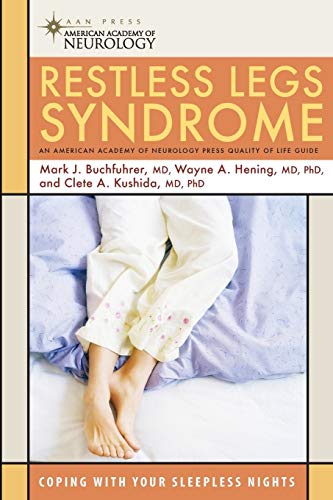
Restless Legs Syndrome: Coping with Your Sleepless Nights (American Academy of Neurology Press Quality of Life Guides): Buchfuhrer MD, Mark J., Hening MD PhD, Wayne A., Kushida MD, Clete A.
by Mark J. Buchfuhrer MD (Author), Wayne A. Hening MD PhD (Author), Clete A. Kushida MD (Author) & 0 more · Part of: American Academy of Neurology Press Quality of Life Guides (8 books) ... The Re

Vitron-C Multivitamin Tablet 63736012301 1 Bottle, 60 per Bottle
<strong>One tablet contains 125 mg of vitamin C (as ascorbic acid); 65 mg of elemental iron (as carbonyl iron)</strong> This supplement has been specially formulated to be easy on the stomach: Vitron-
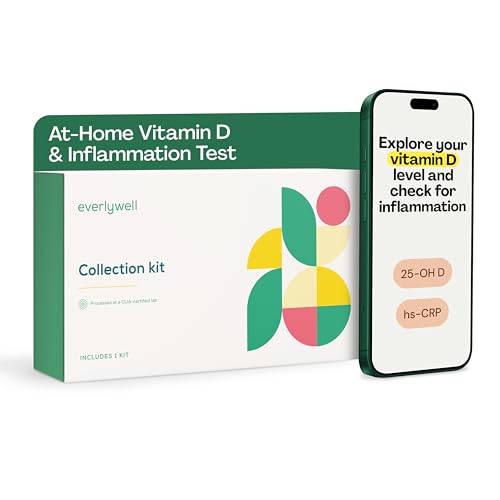
Everlywell At
Buy Everlywell At-Home Women's Health Test, Measures Biomarkers for Hormonal Imbalances in Women for Accurate Results from CLIA-Certified Labs Within Days, Ages 18 Plus on Amazon.com ✓ FREE SHIPP
Health Disclaimer
This content is for informational purposes only and does not constitute medical advice. Always consult a qualified healthcare provider before starting, stopping, or changing any supplement or medication regimen.