Moderate EvidencePromising research with growing clinical support from multiple studies
Alternatives for Stroke Rehabilitation
Stroke rehabilitation aims to restore movement, speech, cognition, sensation, and daily function after brain injury. Comparing Western and Eastern options matters because recovery is driven by neuroplasticity—the brain’s capacity to rewire with targeted, repetitive practice—and because people worldwide add traditional therapies seeking additional gains. Understanding what each system offers, the strength of evidence, safety considerations, and how they may combine can help patients and families work with their care teams more confidently.
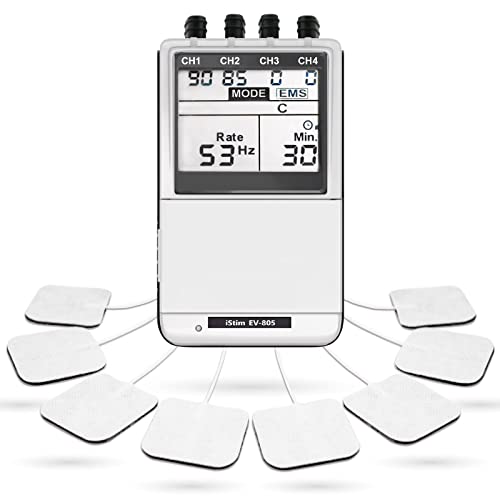
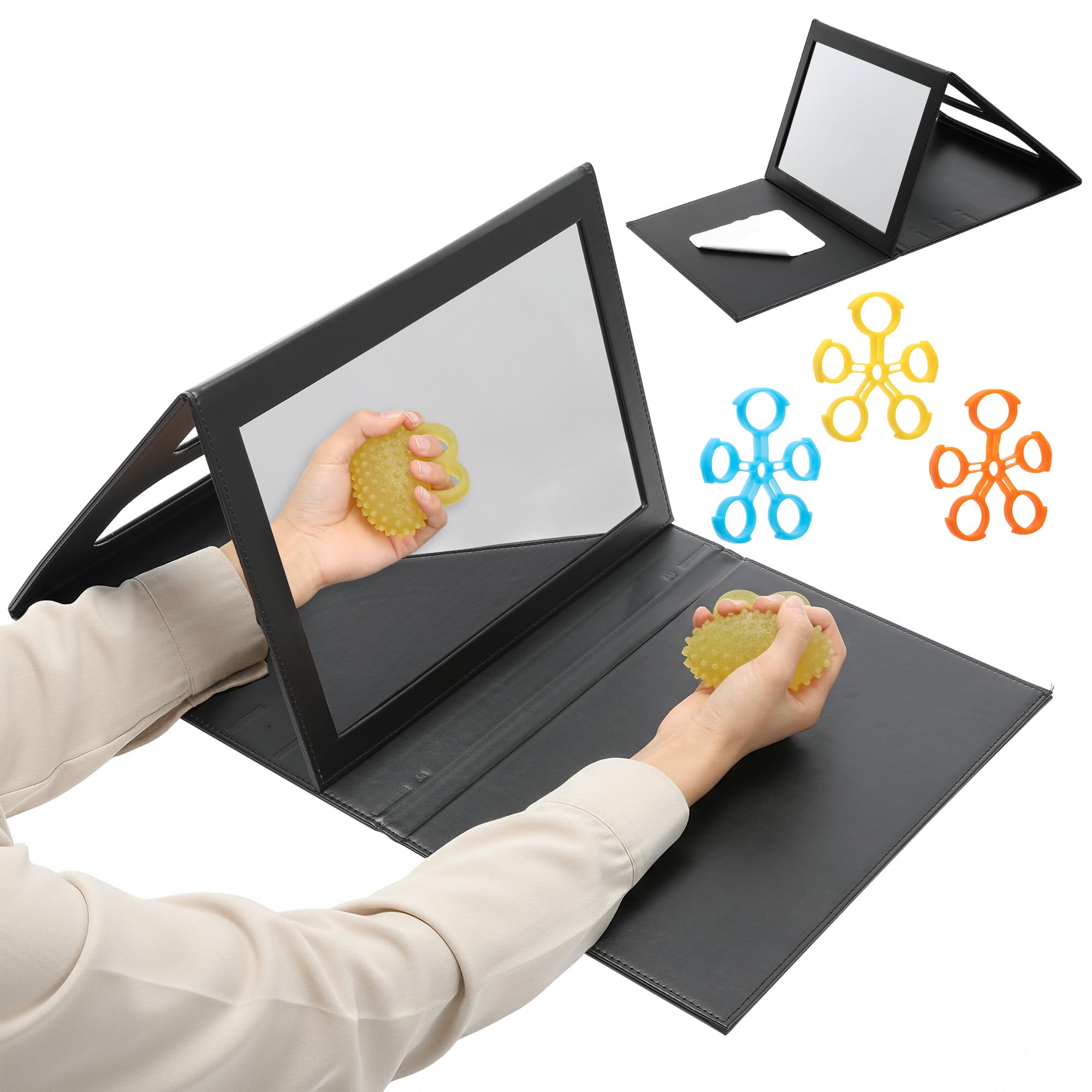
Western rehabilitation is built on structured, multidisciplinary care. Physiatrists, physical and occupational therapists, and speech-language pathologists assess motor strength and coordination, gait, language, swallowing, cognition, and mood using standardized tools (for example, the Fugl–Meyer Assessment, Berg Balance Scale, Modified Rankin Scale, Barthel Index, and MoCA). Core treatments include task-specific and high-intensity physical and occupational therapy, gait training (sometimes with body-weight support), speech and language therapy, and dysphagia management. Specialized methods—constraint-induced movement therapy (CIMT), mirror therapy, mental practice, and aerobic exercise—target motor relearning. Adjuncts such as functional electrical stimulation (FES) and neuromuscular electrical stimulation (NMES) can activate weak muscles or assist foot-lift during walking. Robotics and virtual reality systems provide high-dose, feedback-rich practice. Noninvasive brain stimulation (repetitive transcranial magnetic stimulation, rTMS, and transcranial direct current stimulation, tDCS) seeks to rebalance cortical excitability and may modestly enhance therapy effects. Pharmacologic supports can manage spasticity (botulinum toxin type A injections; oral baclofen or tizanidine), neuropathic pain (gabapentin, pregabalin), post-stroke depression (selective serotonin reuptake inhibitors), and arousal/attention (agents like methylphenidat
neurological
Updated March 22, 2026