Zonulin and Leaky Gut: What Elevated Zonulin Really Means
A focused, evidence-based explainer on zonulin and intestinal permeability: what elevated zonulin means, testing limits, and interventions that may help.
·8 min read
This content is for informational purposes only and does not constitute medical advice. Always consult a qualified healthcare provider before starting, stopping, or changing any supplement or medication regimen.
Introduction
Zonulin has become a buzzword in conversations about “leaky gut,” but what does it actually measure, and how useful is it clinically? Research suggests zonulin regulates the gates (tight junctions) between intestinal cells, influencing how readily substances pass from the gut into circulation. While increased intestinal permeability is well accepted in specific diseases such as celiac disease, its broader role in common gut complaints remains debated. This focused review explains zonulin’s biology, what elevated levels may indicate, the state of testing, and interventions that may help support barrier integrity.
What Is Zonulin and How Does It Affect Tight Junctions?
Tight junctions are protein complexes (e.g., claudins, occludin, ZO proteins) that seal the spaces between intestinal epithelial cells. They are dynamic—opening and closing in response to diet, microbes, immune signals, and stress. Zonulin, identified as pre-haptoglobin 2, is an endogenous protein that modulates this opening–closing process. When zonulin is released, it activates signaling pathways that transiently loosen tight junctions, increasing paracellular permeability (moderate evidence). Research suggests certain stimuli—including bacterial components and gliadin (a component of gluten)—can trigger zonulin release, particularly in genetically susceptible individuals (moderate evidence).
What Conventional Medicine Accepts vs. What’s Debated
Well accepted: Increased intestinal permeability is a hallmark of untreated celiac disease and improves with a strict gluten-free diet (strong evidence). Permeability changes are also documented in inflammatory bowel diseases (IBD), especially during active inflammation (strong evidence). The lactulose–mannitol (L/M) test and mucosal biopsies show these changes reliably in these contexts (moderate to strong evidence).
Still debated: Whether zonulin or noninvasive permeability markers should be used to diagnose “leaky gut” in non-celiac conditions; whether elevated zonulin is a cause, consequence, or simply a correlate of disease; and how directly permeability relates to common symptoms like bloating or fatigue (emerging evidence). In irritable bowel syndrome (IBS), for example, a subset—especially those with diarrhea-predominant IBS—shows increased permeability, but not uniformly across all IBS patients (moderate evidence).
Conditions Associated with Increased Permeability and/or Zonulin
Celiac disease: Gliadin exposure in celiac disease increases zonulin release and loosens tight junctions; removal of gluten reduces permeability and symptoms (strong evidence).
Inflammatory bowel disease (Crohn’s disease, ulcerative colitis): Barrier defects are common in active disease, and some first-degree relatives of Crohn’s patients exhibit subclinical permeability increases, suggesting a potential trait marker (moderate to strong evidence). Causality remains unsettled (emerging evidence).
Irritable bowel syndrome (IBS): Studies identify elevated permeability in a subset (often IBS-D), sometimes correlating with symptom severity and low-grade mucosal immune activation (moderate evidence).
Autoimmune/metabolic conditions: Elevated zonulin or permeability has been reported in type 1 diabetes and nonalcoholic fatty liver disease, among others; however, measurement issues and confounding make interpretation cautious (emerging evidence).
How Is Intestinal Permeability Measured—and What About Zonulin Tests?
Lactulose–Mannitol Test (L/M): The most commonly used noninvasive functional test asks participants to ingest two sugars of different sizes; the urinary ratio reflects small-intestinal paracellular permeability. Research suggests it can detect clinically meaningful changes in diseases like celiac and IBD flare states, and in response to NSAIDs or heat/exertional stress, but results can vary with hydration, gastric emptying, renal function, and test protocols (moderate evidence).
Serum or stool zonulin assays: Here, the science is more complicated. Multiple analyses report that widely used commercial ELISAs may not specifically detect pre-haptoglobin 2 (zonulin) and may instead detect “zonulin family peptides” or unrelated complement proteins, raising concerns about test validity and cross-study comparability (moderate evidence). As a result, isolated “high zonulin” results should be interpreted cautiously and in clinical context, not as a stand-alone diagnosis (moderate evidence).
Other markers: Claudin/occludin fragments, lipopolysaccharide-binding protein (LBP), and intestinal fatty acid–binding protein (I-FABP) are being studied, but none are universally accepted for routine clinical use outside research (emerging evidence).
Interventions That May Support Barrier Integrity
No single intervention is universally effective, and responses vary by condition and individual. Research focuses on both disease-specific strategies and nutrients that may support mucosal health. The following interventions have human data relevant to permeability or zonulin-related pathways.
Gluten removal in celiac disease: A strict gluten-free diet typically normalizes permeability over time and improves symptoms in celiac disease (strong evidence). This is a disease-specific intervention guided by medical diagnosis.
Larazotide acetate (a zonulin pathway antagonist): Randomized controlled trials in celiac disease during gluten exposure report symptom improvements and modest effects on permeability markers; it is an investigational agent and not standard care at this time (moderate evidence).
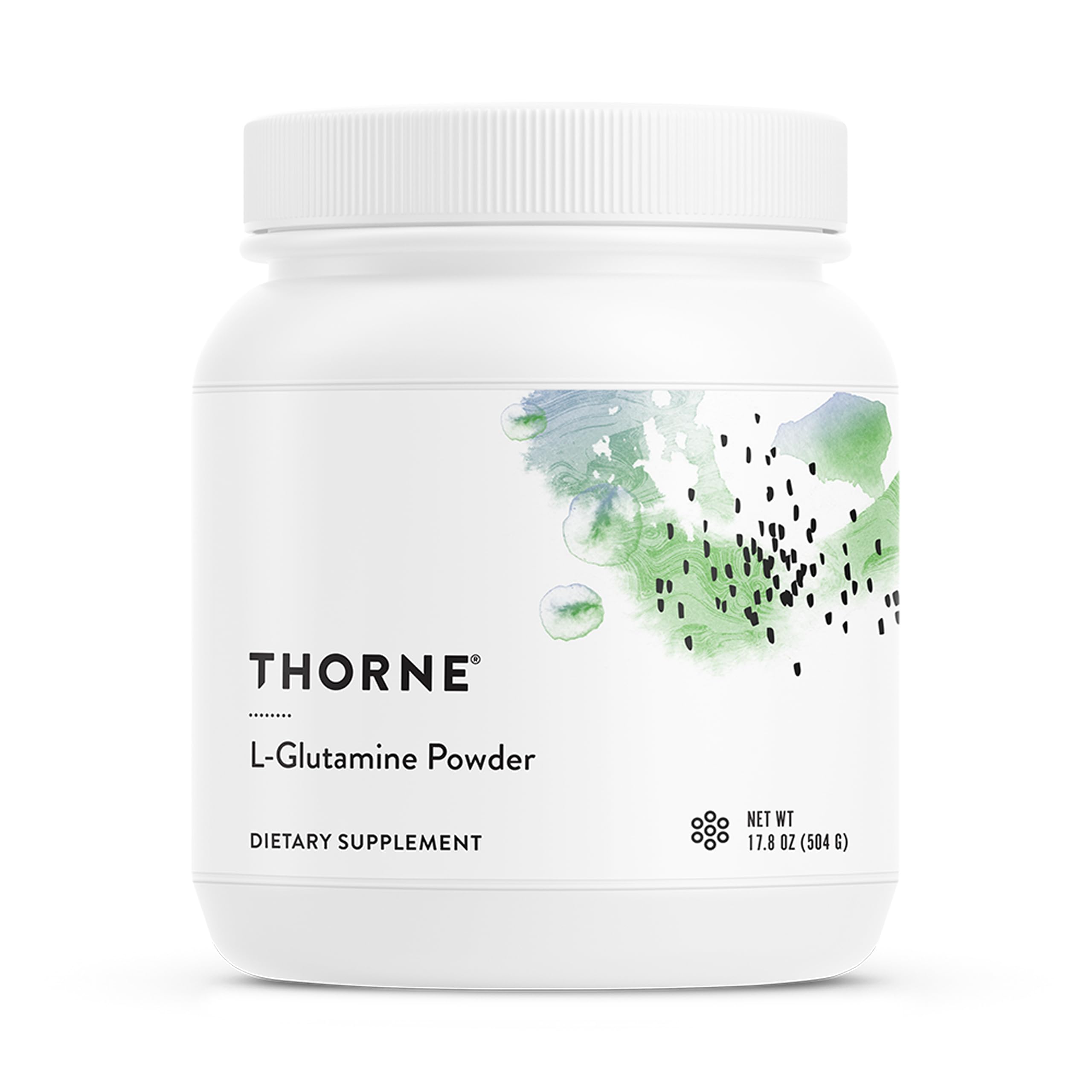
L-glutamine: As a key fuel for enterocytes, glutamine supplementation has improved permeability markers in several human settings, including critical illness and select IBS populations, with corresponding symptom improvements in some studies (moderate evidence). Findings are not uniform across all trials, and optimal protocols remain under study (emerging evidence).
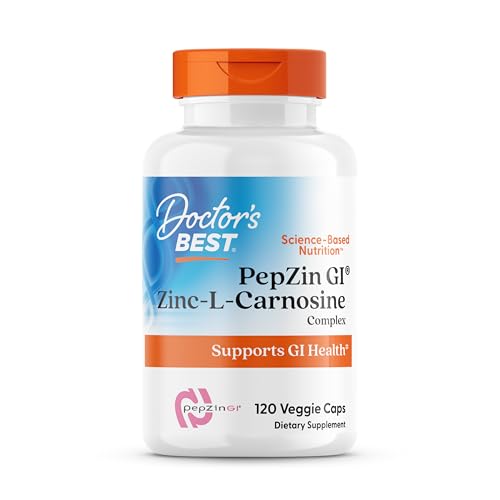
Zinc carnosine: Originally studied for gastric mucosal support, zinc carnosine has reduced permeability changes and mucosal injury from NSAIDs in clinical studies and improved surrogate markers of barrier integrity (moderate evidence). It may help maintain epithelial tight junction function under stress conditions (emerging evidence).
Bovine colostrum: Trials in athletes and NSAID users suggest colostrum may blunt exercise- or drug-induced increases in intestinal permeability and support gut comfort during strenuous training (moderate evidence). Efficacy may depend on product quality and context (emerging evidence).
Probiotics and diet patterns: Specific probiotic strains and dietary patterns rich in fermentable fibers can influence mucus layer integrity and microbial metabolites like butyrate, which in turn may support tight junction function; however, effects on zonulin per se are inconsistent (emerging evidence).
Traditional Gut-Healing Perspectives
Many traditional systems conceptualize gut barrier function in holistic terms—restoring digestive “qi” in Traditional Chinese Medicine (TCM) or soothing and coating the gut lining with demulcent herbs in Western herbalism. While modern trials are limited, several approaches have plausible mechanisms:
Bone broth: Traditionally used for convalescence; provides amino acids (e.g., glycine) and minerals that may support connective tissue and mucosal health, though clinical trials on permeability are lacking (traditional; emerging evidence for mechanisms).
Slippery elm (Ulmus rubra) and aloe vera: Demulcent herbs that form a soothing gel, potentially reducing irritation of the mucosa; small studies support symptom relief in functional gut disorders, but permeability outcomes are sparse (traditional to emerging evidence).
TCM digestive formulas (e.g., Atractylodes, Poria, Codonopsis): Used to “fortify spleen qi” and harmonize the middle burner; preliminary research suggests anti-inflammatory, pro-motility, or microbiome-modulating effects, but rigorous trials assessing permeability endpoints are limited (traditional to emerging evidence).
These approaches may complement, but not replace, condition-specific medical management. Quality, standardization, and individual tolerance are key considerations.
Putting Zonulin in Clinical Context
Elevated zonulin is best viewed as a research signal of tight junction modulation, not a definitive diagnosis of “leaky gut” on its own (moderate evidence).
When barrier dysfunction is suspected, context matters: known diseases (e.g., celiac, IBD) have established pathways and management frameworks (strong evidence). In functional symptoms without a clear diagnosis, permeability may be one piece of a multifactorial picture that includes diet, microbiome, stress, sleep, and medications (emerging evidence).
Testing choices should reflect goals: L/M testing offers a functional readout but has practical limitations; current commercial zonulin assays require cautious interpretation (moderate evidence).
Supportive strategies—including condition-specific dietary changes, investigational zonulin antagonists in research settings, and nutrients like L-glutamine, zinc carnosine, and colostrum—may help in select contexts, but responses vary and evidence is still evolving for many real-world scenarios (moderate evidence).
Bottom Line
Zonulin regulates tight junctions and can increase intestinal permeability in response to dietary and microbial signals (moderate evidence).
Permeability is clearly relevant in celiac disease and IBD; its role in IBS and systemic conditions is promising but not definitive (strong for celiac/IBD; moderate to emerging for others).
The lactulose–mannitol test is a useful, though imperfect, tool; current commercial zonulin assays have specificity concerns and should be interpreted cautiously (moderate evidence).
Interventions that may support barrier integrity include gluten removal in medically diagnosed celiac disease, investigational zonulin antagonists in trials, and adjuncts like L-glutamine, zinc carnosine, and colostrum (moderate evidence). Traditional demulcents and TCM digestive herbs offer complementary, symptom-oriented support with emerging clinical data (traditional to emerging evidence).
Given measurement limitations and individual variability, a holistic approach that considers diet, microbiome, stress, sleep, and medications—alongside conventional diagnosis and treatment—may offer the most practical path forward (moderate evidence).
References
Fasano A. Zonulin, regulation of tight junctions, and autoimmune diseases. Ann N Y Acad Sci. 2012. (Review)
Sapone A et al. Zonulin upregulation and enhanced intestinal permeability in type 1 diabetes. Diabetes. 2006. (Observational)
Arrieta MC et al. The intestinal barrier in IBD: current concepts and relevance. World J Gastroenterol. 2006. (Review)
Vanuytsel T et al. The role of intestinal permeability in functional GI disorders. Nat Rev Gastroenterol Hepatol. 2014. (Review)
Scheffler L et al. Widely used commercial ELISA does not detect preHP2 (zonulin) but properdin. Front Endocrinol. 2018. (Methodological study)
Ajamian M et al. Serum zonulin as a marker of intestinal permeability is not reliable: a review of evidence. Am J Clin Nutr. 2019. (Review)
Leffler DA et al. Larazotide acetate in celiac disease: randomized controlled trial. Aliment Pharmacol Ther. 2015. (RCT)
Marchbank T et al. Bovine colostrum prevents NSAID-induced increase in intestinal permeability. Clin Sci. 2011. (RCT/crossover)
Shing CM et al. Colostrum reduces intestinal permeability during exercise. Appl Physiol Nutr Metab. 2014. (RCT)
Suzuki H et al. Zinc-L-carnosine in gastric mucosal protection and healing. Nutrition. 2012. (Review)
De Oliveira EP, Burini RC. Glutamine and intestinal barrier function. Nutr Hosp. 2011. (Review)
Bjarnason I et al. Intestinal permeability: clinical relevance. Clin Sci. 1995. (Review)
This content is for informational purposes only and does not constitute medical advice. Always consult a qualified healthcare provider before starting, stopping, or changing any supplement or medication regimen.
Overview
Zonulin has become a buzzword in conversations about “leaky gut,” and commercial serum or stool tests are now widely marketed as a way to assess intestinal permeability. What does zonulin act
Zonulin Test. Intestinal Permeability Test, Leaky Gut Marker. ## Overview
A **zonulin test** is a laboratory assessment intended to estimate levels of **zonulin**, a protein involved in regulating the tight junctions between cells lining the intestinal wall. Because these tight junctions help control what passes from the gut into the bloodstream, zonulin has
Introduction
“Leaky gut” is a popular phrase for a real physiologic phenomenon: increased intestinal permeability. The gut barrier is not a concrete wall; it is a living interface that selectively all
Leaky Gut Syndrome. Intestinal Permeability. ## Overview
**"Leaky gut syndrome"** is a popular term used to describe the idea that the intestinal lining becomes overly permeable, allowing larger molecules, microbial products, and other substances to pass from the gut into the bloodstream more easily than expected. In scientific and medical li
Intestinal Permeability Test. Leaky Gut Test, Gut Permeability Test, Lactulose Mannitol Test. ## Overview
**Intestinal permeability testing** refers to a group of assessments intended to evaluate how selectively the intestinal lining allows substances to pass from the gut into the bloodstream. In normal physiology, the intestinal barrier acts as a highly regulated interface: it permits abso
## Why target the gut during hard training?
Long runs, races in the heat, and high‑intensity sessions can challenge the gastrointestinal (GI) tract as much as the legs. Reduced blood flow to the gut,