

Leaky Gut Syndrome
Also known as: Intestinal Permeability
Overview
"Leaky gut syndrome" is a popular term used to describe the idea that the intestinal lining becomes overly permeable, allowing larger molecules, microbial products, and other substances to pass from the gut into the bloodstream more easily than expected. In scientific and medical literature, the related concept is usually called increased intestinal permeability or intestinal barrier dysfunction. The intestinal barrier is a complex system made up of epithelial cells, tight junction proteins, mucus, immune cells, digestive secretions, and the gut microbiome. Its role is not simply to block everything, but to selectively allow nutrient absorption while limiting the passage of potentially harmful substances.
Interest in leaky gut has grown because intestinal permeability has been studied in association with a range of conditions, including celiac disease, inflammatory bowel disease, irritable bowel syndrome, food-related symptoms, infections, metabolic disorders, and some autoimmune conditions. However, an important distinction remains: while increased intestinal permeability is a recognized physiological phenomenon, "leaky gut syndrome" is not generally accepted in conventional medicine as a formal diagnosis on its own. Research suggests permeability changes may occur as part of broader disease processes, but whether it is a primary cause, a secondary effect, or both can vary by condition.
A number of factors have been investigated for their potential relationship to intestinal barrier changes, including chronic gastrointestinal inflammation, alcohol use, certain medications such as NSAIDs, severe stress, dietary patterns, infections, microbiome imbalance, and chronic disease states. Symptoms commonly attributed to leaky gut in popular health discussions—such as bloating, abdominal discomfort, fatigue, food sensitivities, brain fog, or skin issues—are nonspecific and overlap with many other digestive and systemic conditions. For that reason, healthcare evaluation is often important to rule out recognized disorders such as celiac disease, inflammatory bowel disease, infections, malabsorption, or other causes of persistent symptoms.
From an integrative health standpoint, leaky gut has become a major focus because it sits at the intersection of gastroenterology, immunology, nutrition, and microbiome science. Current evidence supports the importance of the gut barrier in overall health, but the science is still evolving. Much of the public conversation goes beyond what has been firmly established in clinical research, so balanced interpretation is essential. Individuals with ongoing digestive or systemic symptoms may benefit from discussing them with qualified healthcare professionals rather than assuming increased permeability is the sole explanation.
Medical Perspectives
Two Ways of Seeing Health

Western
scientific · clinical
Western medicine applies science, technology, and clinical experience to treat symptoms through testing, diagnosis, and targeted intervention.

Eastern
traditional · alternative
Eastern medicine focuses on treating the body naturally by applying traditional knowledge practiced for thousands of years, emphasizing balance and whole-person wellness.
Gold Bamboo presents both perspectives side-by-side so you can make informed decisions. We don't advocate for one over the other — your health choices are yours.
Western Medicine Perspective
Western Medicine Perspective
In conventional medicine, the key concept underlying leaky gut is intestinal permeability. Researchers study this through laboratory markers, tight junction biology, mucosal inflammation, and permeability testing methods such as sugar absorption assays. Increased permeability is well documented in some established diseases, especially celiac disease and inflammatory bowel disease, and studies indicate it may also play a role in subsets of patients with irritable bowel syndrome, obesity-related metabolic dysfunction, liver disease, and critical illness. In these settings, barrier dysfunction is usually viewed as one component of a broader pathophysiologic process, rather than a stand-alone syndrome explaining diverse symptoms.
Conventional clinicians generally do not use "leaky gut syndrome" as a standard diagnosis because there is no universally accepted diagnostic criterion, biomarker threshold, or clinical definition for the syndrome as popularly described. Tests sometimes marketed directly to consumers—such as zonulin measurements or broad food sensitivity panels—remain controversial in terms of interpretation and clinical usefulness. Western medicine therefore tends to focus on identifying recognized underlying conditions that may be associated with barrier disruption, including inflammatory bowel disease, celiac disease, gastrointestinal infection, medication-related injury, alcohol-related damage, or other inflammatory states.
From a research perspective, there is significant interest in whether modifying the gut barrier or microbiome could affect symptoms or disease activity. Studies have examined dietary interventions, probiotics, prebiotics, glutamine, butyrate-related strategies, and microbiome-targeted therapies, but findings are mixed and often condition-specific. As a result, conventional medicine generally treats intestinal permeability as an important research and disease-mechanism concept, while remaining cautious about broad claims that it independently causes a wide range of chronic symptoms. Persistent gastrointestinal complaints, weight loss, bleeding, anemia, fever, or major dietary intolerance warrant professional evaluation.
Eastern & Traditional Perspective
Eastern and Traditional Medicine Perspective
Traditional medical systems generally do not use the modern term intestinal permeability, but many describe patterns that resemble impaired digestion, mucosal irritation, poor assimilation, and systemic effects arising from digestive imbalance. In Traditional Chinese Medicine (TCM), symptoms often associated with leaky gut may be interpreted through patterns such as Spleen Qi deficiency, Damp accumulation, Damp-Heat in the intestines, or disharmony between the Liver and Spleen. In this framework, the digestive system is central to transforming food into usable energy and fluids; when this function is weakened, symptoms such as bloating, loose stools, fatigue, food reactivity, and heaviness may emerge.
In Ayurveda, similar symptom clusters may be viewed through concepts such as impaired agni (digestive fire), ama accumulation (poorly processed metabolic residue), and imbalance involving the gut and immune interface. Digestive weakness, irregular elimination, inflammation, and sensitivity to foods may be understood as signs that the body is not properly processing nourishment. Ayurvedic theory often links gut imbalance to broader systemic effects involving the skin, joints, energy, and mental clarity, which parallels modern interest in the gut-immune-brain axis, though the conceptual language is different.
Naturopathic and integrative medicine often bridge traditional frameworks and modern gut-barrier research. These approaches commonly emphasize support for digestive integrity, microbiome balance, stress regulation, and removal of aggravating factors. Botanicals, fermented foods, demulcent herbs, and dietary simplification have been traditionally used in various healing systems to soothe digestion and support mucosal health. At the same time, evidence quality varies widely, and traditional interpretations are not equivalent to validated biomedical diagnoses. For individuals with persistent or severe symptoms, collaboration with licensed healthcare professionals remains important to evaluate for conditions that may require standard medical assessment.
Supplements & Products
Recommended Products

Healthy Gut, Healthy You: The Personalized Plan to Transform Your Health from the Inside Out: Ruscio
Michael Ruscio <strong>shows how modern lifestyle changes and the widespread use of antibiotics have made our guts more vulnerable than ever before</strong>. The good news is that almost any ailment c
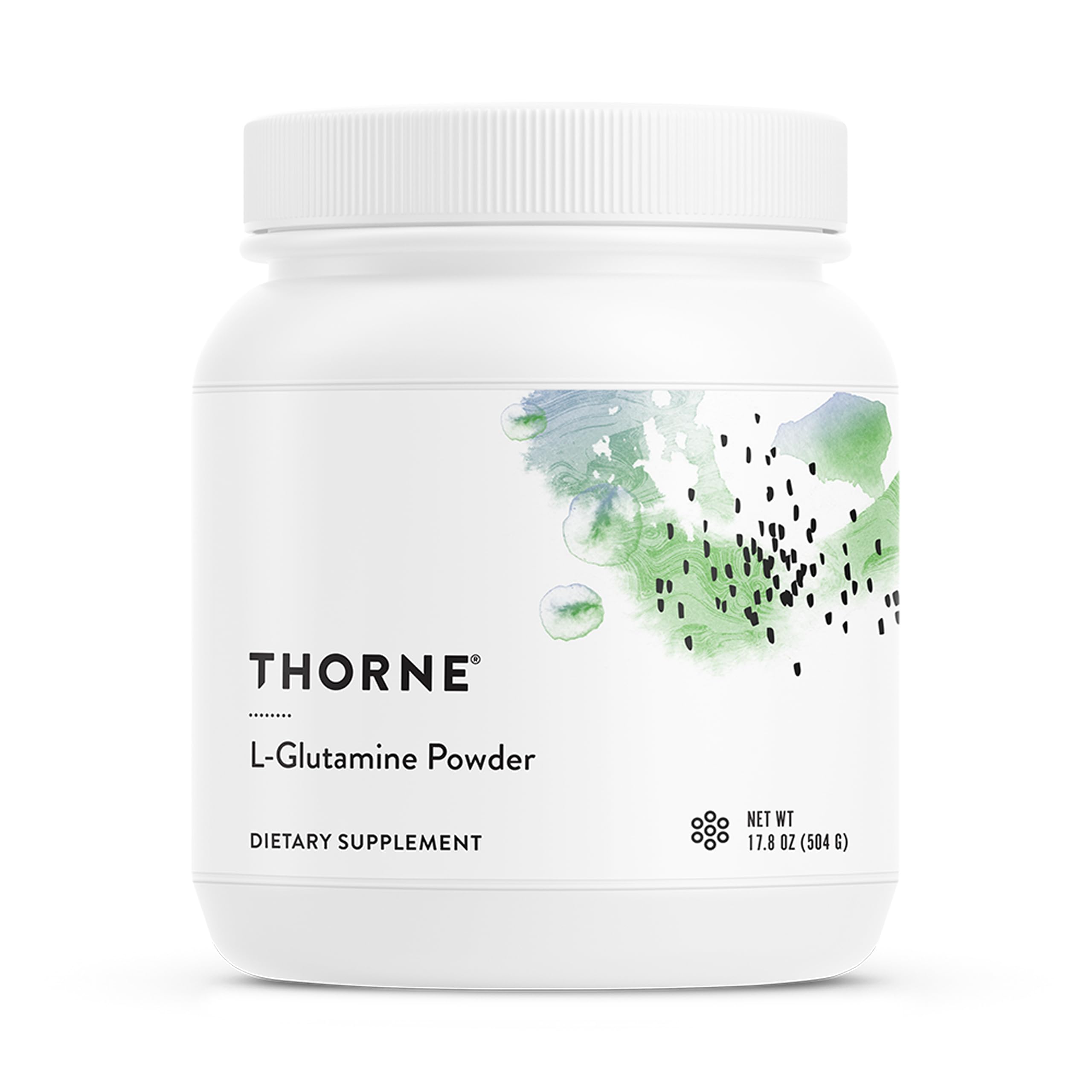
THORNE - L-Glutamine Powder - Glutamine Powder for GI Health and Immune Function* - 17.8 Oz
Momentous L-Glutamine Powder - <strong>Gut Health & Muscle Recovery Supplement - Boosts Exercise Performance & Immune Function</strong> - NSF Certified for Sport - 5 g - 60 Servings · Pure Enc
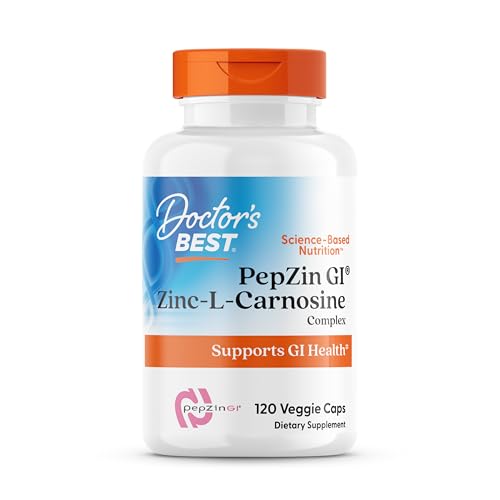
Doctor's Best PepZin GI, Zinc-L-Carnosine Complex for Men & Women - Zinc Carnosine Supplement Caps for Gut Health, Digestive Support, & Stomach Comfort, Vegan, Gluten Free - 120 Veg Capsules
PEPZIN GI ZINC-L-CARNOSINE: <strong>This formula combines 75 mg of zinc and L-carnosine to support healthy digestive function, ease occasional gastric discomfort, and promote overall stomach comfort</
Evidence & Sources
Promising research with growing clinical support from multiple studies
- National Institute of Diabetes and Digestive and Kidney Diseases (NIDDK)
- National Center for Complementary and Integrative Health (NCCIH)
- World Gastroenterology Organisation
- Gut
- Nature Reviews Gastroenterology & Hepatology
- Clinical Gastroenterology and Hepatology
- The Lancet Gastroenterology & Hepatology
- Physiological Reviews
- BMJ
- World Journal of Gastroenterology
This content is for informational purposes only and does not constitute medical advice. Always consult a qualified healthcare provider before starting, stopping, or changing any supplement or medication regimen.