

Zonulin Test
Also known as: Intestinal Permeability Test, Leaky Gut Marker
Overview
A zonulin test is a laboratory assessment intended to estimate levels of zonulin, a protein involved in regulating the tight junctions between cells lining the intestinal wall. Because these tight junctions help control what passes from the gut into the bloodstream, zonulin has attracted attention as a possible marker of intestinal permeability, often referred to in popular health discussions as “leaky gut.” Interest in this test has grown alongside research exploring the gut barrier’s role in digestion, immune signaling, inflammation, and chronic disease.
In scientific literature, zonulin is most strongly associated with celiac disease and has also been investigated in relation to conditions such as type 1 diabetes, inflammatory bowel disease, metabolic disorders, and some autoimmune and inflammatory states. However, the broader concept of using a zonulin test as a general screen for “leaky gut” remains controversial. Studies suggest that altered intestinal permeability can occur in certain diseases, but the reliability of commercially available zonulin testing, especially for broad wellness use, is still debated.
One important nuance is that zonulin biology is more complex than many consumer-facing explanations suggest. Researchers have raised concerns that some tests marketed as zonulin assays may not consistently measure zonulin with high specificity. In addition, intestinal permeability itself is not a single disease, but a physiological phenomenon that may vary over time and across conditions. For this reason, a zonulin result is typically interpreted within a larger clinical context rather than as a stand-alone indicator of health status.
From a broader health perspective, the zonulin test sits at the intersection of gastroenterology, immunology, and functional medicine. It is of interest because the intestinal barrier is increasingly recognized as an important part of overall health. At the same time, conventional medicine generally views zonulin testing as an evolving tool with limitations, while many integrative and traditional health frameworks interpret gut barrier imbalance as part of a wider pattern involving digestion, inflammation, and systemic resilience. Anyone considering testing is generally best served by discussing interpretation with a qualified healthcare professional, particularly because symptoms attributed to “leaky gut” may overlap with recognized gastrointestinal or immune-related conditions.
Medical Perspectives
Two Ways of Seeing Health

Western
scientific · clinical
Western medicine applies science, technology, and clinical experience to treat symptoms through testing, diagnosis, and targeted intervention.

Eastern
traditional · alternative
Eastern medicine focuses on treating the body naturally by applying traditional knowledge practiced for thousands of years, emphasizing balance and whole-person wellness.
Gold Bamboo presents both perspectives side-by-side so you can make informed decisions. We don't advocate for one over the other — your health choices are yours.
Western Medicine Perspective
Western Medicine Perspective
In conventional medicine, intestinal permeability refers to the movement of substances across the gut lining, a process that is normal to some degree but can become altered in certain diseases. Zonulin has been studied as one regulatory factor affecting intestinal tight junctions, and elevated zonulin-related activity has been reported in celiac disease and explored in other inflammatory and metabolic disorders. Research suggests that barrier dysfunction may contribute to immune activation, but it is not generally viewed as a diagnosis on its own.
From a clinical standpoint, mainstream medicine places the strongest emphasis on validated diagnostic testing for recognized conditions rather than on zonulin alone. For example, in suspected celiac disease, clinicians typically rely on serologic markers, genetic context, symptoms, and biopsy when appropriate. In inflammatory bowel disease, infection, malabsorption, or chronic gastrointestinal symptoms, standard workups may include blood tests, stool tests, imaging, and endoscopy. A zonulin test may be discussed in some integrative settings, but it is not widely accepted as a definitive diagnostic tool for generalized “leaky gut.”
A key issue in the literature is test validity. Some investigators have reported that certain commercial ELISA kits sold as zonulin tests may detect related proteins rather than zonulin itself, complicating interpretation. Because of this, elevated or normal results may not map cleanly onto actual intestinal permeability. Western medicine therefore tends to regard zonulin testing as promising but not fully standardized, with relevance that may differ depending on the underlying condition being evaluated.
In evidence-based practice, the test is best understood as a research-adjacent biomarker rather than a universally established clinical standard. Healthcare professionals may consider symptoms, medical history, dietary factors, medications, infections, autoimmune risk, and formal diagnostic criteria when evaluating possible gut barrier dysfunction. This cautious approach reflects the current state of evidence rather than a dismissal of the gut barrier’s importance.
Eastern & Traditional Perspective
Eastern and Traditional Medicine Perspective
In Traditional Chinese Medicine (TCM), there is no direct historical equivalent to the modern biomarker zonulin. However, the underlying idea of compromised digestive integrity resonates with long-standing concepts involving the Spleen and Stomach systems, which are seen as central to transforming food into usable nourishment and maintaining internal balance. Patterns such as Spleen Qi deficiency, Dampness accumulation, or Heat and toxicity affecting the intestines may be used to describe symptom clusters that, in modern language, are sometimes associated with poor digestive resilience, food sensitivity, bloating, loose stools, or systemic inflammatory tendencies.
In Ayurveda, there is also no traditional zonulin test, but the broader concept of intestinal imbalance may be interpreted through disturbances in Agni (digestive fire), accumulation of Ama (metabolic waste or undigested residue), and imbalance in the doshas, particularly Pitta and Vata in gastrointestinal presentations. Traditional frameworks often view digestive disturbance as having whole-body implications, affecting energy, immunity, skin, mood, and inflammatory patterns. In that sense, the modern interest in intestinal permeability overlaps philosophically with older systems that place digestion at the center of health.
Naturopathic and integrative medicine often serve as a bridge between traditional concepts and modern testing. In these settings, zonulin may be discussed as one possible indicator of gut barrier function, alongside history, stool analysis, food reactions, inflammatory markers, and lifestyle factors. Research-informed practitioners may acknowledge both the potential relevance of intestinal permeability and the current limitations of zonulin assay reliability.
Traditional systems generally emphasize pattern recognition rather than a single biomarker. As a result, a zonulin result might be viewed as one piece of a larger picture rather than the defining measure of digestive health. This perspective aligns with the broader principle that symptoms, constitution, diet, stress, and environmental influences all contribute to digestive and systemic balance. Consultation with a qualified practitioner is important because traditional interpretations vary, and symptoms that appear functional may also warrant conventional medical evaluation.
Supplements & Products
Recommended Products

Digestive Wellness: Strengthen the Immune System and Prevent Disease Through Healthy Digestion, Fifth Edition: LIPSKI, Elizabeth
Digestive Wellness: <strong>Strengthen the Immune System and Prevent Disease Through Healthy Digestion</strong>, Fifth Edition [LIPSKI, Elizabeth] on Amazon.com. *FREE* shipping on qualifying offers.

Candida & Helicobacter & Zonulin Test – Lab Testing Kit for Diagnosing Candida, H Pylori and Zonulin (Leaky Gut Syndrome) – Home Stool Test – CLIA Certified – Verisana : Industrial & Scientific
Amazon.com: Candida & Helicobacter & Zonulin Test – Lab Testing Kit for Diagnosing Candida, H Pylori and Zonulin (Leaky Gut Syndrome) – Home Stool Test – CLIA Certified – Verisana : Industrial
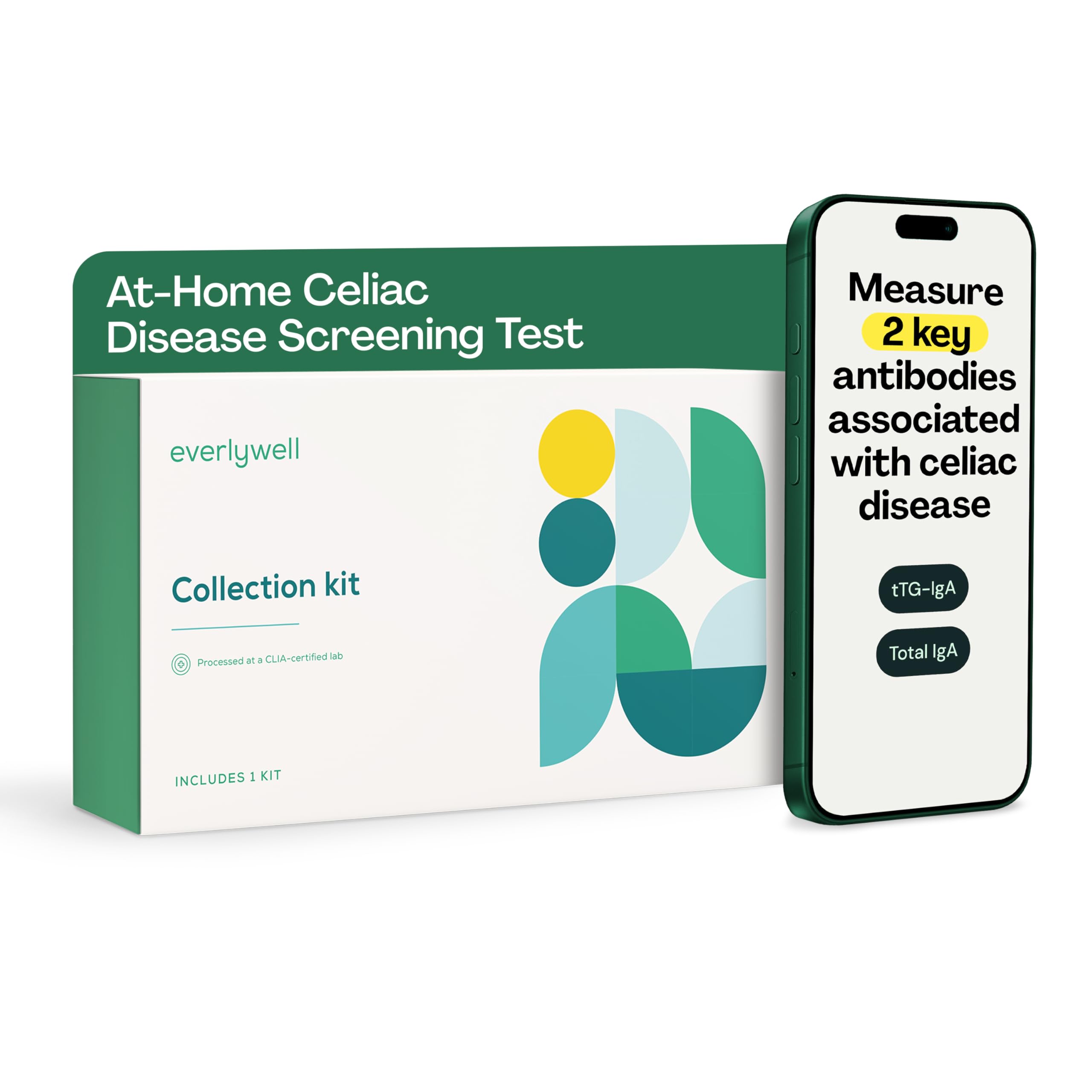
Everlywell At
... AT-HOME LAB TESTING: This easy-to-use, at-home Celiac Disease Screening Test <strong>helps you check for key antibodies that may indicate an immune response to gluten</strong> (a protein found in
Evidence & Sources
Early-stage research, mostly preclinical or preliminary human studies
- Fasano A. Annals of the New York Academy of Sciences
- Tripathi A et al. Proceedings of the National Academy of Sciences of the USA
- Ajamian M et al. PLoS One
- National Institutes of Health (NIH)
- National Center for Complementary and Integrative Health (NCCIH)
- World Gastroenterology Organisation
- The Lancet Gastroenterology & Hepatology
- Nature Reviews Gastroenterology & Hepatology
This content is for informational purposes only and does not constitute medical advice. Always consult a qualified healthcare provider before starting, stopping, or changing any supplement or medication regimen.