What Is Naturopathy? A Practical Guide to Principles, Treatments, and Finding a Naturopath
Curious about naturopathy? Learn principles, treatments, training, licensing, evidence, safety, and how to find a qualified naturopath.
·9 min read
This content is for informational purposes only and does not constitute medical advice. Always consult a qualified healthcare provider before starting, stopping, or changing any supplement or medication regimen.
If you’re asking “what is naturopathy?” you’re not alone. Many people are curious about a health approach that blends modern medical knowledge with natural therapies and lifestyle medicine. This guide explains what naturopathy is, how it differs from conventional care, what to expect from a visit, the state of the evidence, and how to find a qualified practitioner.
What is naturopathy?
Naturopathy (often called naturopathic medicine) is a system of healthcare that emphasizes prevention, whole‑person assessment, and the body’s capacity to heal when obstacles are removed. Licensed naturopathic doctors (NDs/NMDs) are trained as primary‑care style clinicians who use clinical nutrition, lifestyle counseling, botanical medicine, physical medicine, select procedures, and—where allowed—prescription drugs. Many naturopaths also coordinate care with conventional providers.
How it differs from conventional medicine
Orientation: Conventional medicine excels at diagnosis and acute/emergency care. Naturopathy focuses on root‑cause assessment, prevention, and long‑term behavior change.
Visit length and scope: Naturopathic intakes are typically longer (60–90 minutes) to explore diet, sleep, stress, environment, and life context alongside symptoms.
Tools: NDs use labs and imaging similarly to conventional clinicians, but also employ nutrition, herbs, mind‑body practices, and physical medicine. In licensed jurisdictions, some NDs can prescribe medications and perform minor procedures.
Philosophy: Naturopathy is guided by core principles (see below) such as “first, do no harm” and “treat the whole person.”
Core principles and philosophy of naturopathic medicine
Naturopathic medicine is anchored in six commonly cited principles:
First, do no harm: Prioritize the least invasive, most effective interventions; minimize side effects and interactions.
The healing power of nature: Support the body’s innate self‑healing processes (for example, through sleep, nutrition, and stress reduction).
Identify and treat the causes: Look upstream for drivers of illness—dietary patterns, inactivity, chronic stress, environmental exposures—rather than only suppressing symptoms.
Doctor as teacher: Clinicians partner with patients, emphasizing education and self‑efficacy.
Treat the whole person: Integrate physical, emotional, genetic, environmental, and social factors.
Prevention: Build long‑term resilience through lifestyle and risk‑reduction strategies.
These principles shape the naturopathic therapeutic order—starting with foundational lifestyle measures, escalating to targeted natural or pharmaceutical interventions when needed, and collaborating or referring for specialist or surgical care when appropriate.
Common modalities and treatments used by naturopaths
Naturopaths tailor plans to the individual. Depending on training, licensing, and patient needs, they may use:
Clinical nutrition and lifestyle medicine: Personalized dietary plans (e.g., Mediterranean or anti‑inflammatory patterns), medical nutrition therapy for conditions like prediabetes, weight management, and cardiovascular risk; sleep optimization; movement prescriptions; stress‑management techniques.
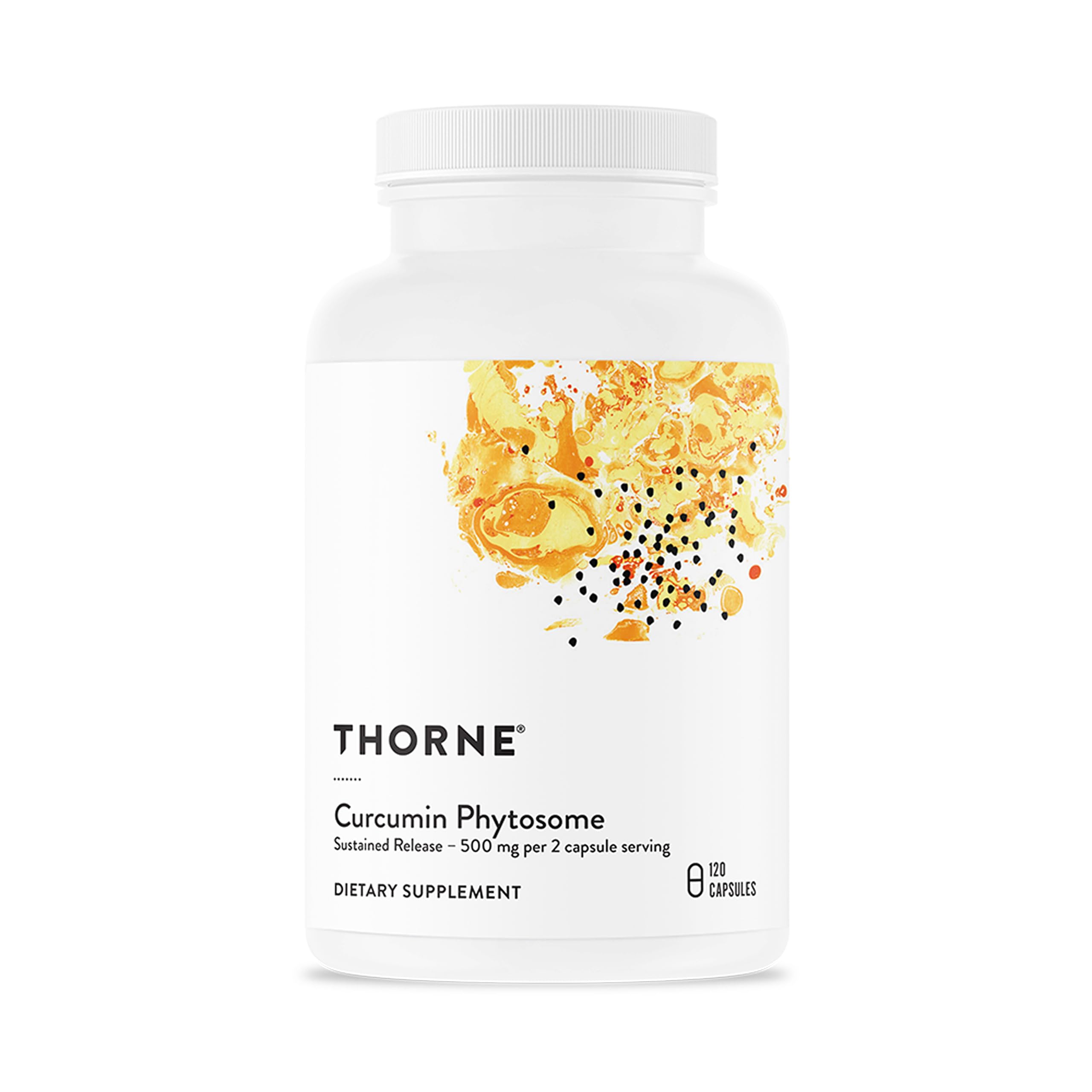
Botanical (herbal) medicine: Evidence‑informed use of standardized herbal extracts and teas. Examples include curcumin for osteoarthritis symptoms, peppermint oil for IBS, or valerian for sleep support. Quality, dosing, and interactions are carefully considered.
Supplements and nutraceuticals: Targeted nutrients (e.g., magnesium, omega‑3s, vitamin D) when diet alone may be insufficient or when clinical indications exist.
Physical medicine: Soft‑tissue techniques, spinal or extremity mobilization, therapeutic exercise, hydrotherapy, and posture/ergonomic counseling.
Mind‑body approaches: Breathing practices, mindfulness, biofeedback, and relaxation training to modulate stress physiology.
Acupuncture and East‑Asian modalities: In some jurisdictions, NDs are trained and licensed to provide acupuncture and related therapies; others co‑manage with licensed acupuncturists. For background on theory and evidence, see our overview: What Is Traditional Chinese Medicine? An Evidence-Based Overview.
Conventional tools where allowed: Prescription medications, vaccinations, and minor office procedures vary by region and scope of practice.
Note: Many of these modalities also appear in integrative and functional medicine. A key distinction is that naturopathy organizes them within a specific philosophy and therapeutic order.
Training, licensing, and professional standards
Training and regulation vary by country, state, and province.
Education: In the U.S. and Canada, licensed naturopathic doctors (ND or NMD) typically complete a four‑year, graduate‑level naturopathic medical program accredited by the Council on Naturopathic Medical Education (CNME). Curricula include biomedical sciences (anatomy, physiology, pathology, pharmacology), clinical diagnostics, and supervised patient care, plus nutrition, botanical medicine, and lifestyle counseling.
Board exams: Graduates generally sit for the Naturopathic Physicians Licensing Examinations (NPLEX) and any additional state/provincial exams.
Licensure and scope: Licensure exists in parts of the U.S. and most Canadian provinces. Scope can include diagnosis, lab/imaging orders, physical medicine, and—where authorized—prescriptive privileges and minor surgery. Always verify your local regulations.
Title protection: In licensed regions, the titles ND/NMD are legally protected. In unlicensed areas, individuals may use terms like “naturopath” or “traditional naturopath” with vastly different training; verify credentials.
Other countries: Regulation ranges from robust (with protected titles and standards) to minimal. Check your national or regional health authority.
Intake and history: A first visit often lasts 60–90 minutes, covering health goals, symptom timelines, diet, sleep, stress, activity, environment, menstrual/reproductive history, and medications/supplements.
Physical exam and testing: Focused exams are common. Labs may include standard panels (CBC, CMP, lipids, A1C), targeted nutrient markers, or specialty tests when indicated. Imaging is ordered when clinically appropriate.
Assessment and plan: You’ll co‑create a plan prioritizing lifestyle foundations, then targeted therapies (herbs, supplements, physical medicine). In licensed regions, medications may be initiated or adjusted if within scope.
Follow‑up: Expect 30–45 minute follow‑ups every 2–8 weeks initially, then less frequent visits as goals are met. Plans are iterated based on outcomes and labs.
Collaboration: Good naturopaths coordinate with your primary care or specialist—especially for complex or medication‑managed conditions.
What the Research Says: An evidence snapshot
Research on “naturopathy” as a complete system is smaller than research on its individual tools (nutrition, exercise, specific botanicals, mind‑body practices). Still, studies indicate meaningful benefits in certain contexts.
Cardiometabolic risk: Randomized trials of adjunctive naturopathic care embedded in workplace settings report improvements in Framingham risk scores and some blood pressure and lipid measures over 6–12 months. Sample sizes are modest but methods are reasonable.
Chronic low back pain: A small randomized trial of naturopathic care (nutrition, exercise, stress reduction, and manual therapies) found greater pain and quality‑of‑life improvements than usual care over 12 weeks.
Modality-level evidence often used in naturopathy (strength varies by topic):
Strong evidence:
Lifestyle interventions (Mediterranean or DASH-style eating patterns, physical activity, weight management) for hypertension, type 2 diabetes risk, dyslipidemia, and secondary prevention in heart disease.
Cognitive behavioral therapy for insomnia (CBT‑I) for chronic sleep issues; many NDs integrate CBT‑I principles.
Moderate evidence:
Curcumin for osteoarthritis symptom relief; standardized peppermint oil for IBS; mindfulness-based stress reduction (MBSR) for anxiety and chronic pain; some probiotic strains for IBS and antibiotic‑associated diarrhea.
Emerging or mixed evidence:
Echinacea for common cold (mixed results depending on preparation and strain); ashwagandha for stress and mild anxiety (encouraging but still growing); integrative supportive care to reduce cancer‑therapy side effects when coordinated with oncology.
Evidence clarity and safety notes:
The quality of herbal products and dosing standardization strongly influences outcomes.
Benefits from lifestyle medicine are well‑supported but depend on adherence, coaching quality, and social determinants of health.
Outcomes improve when naturopathic care is integrated and coordinated with conventional clinicians.
Overall evidence level for naturopathy as practiced in real-world clinics: moderate for prevention and chronic disease risk‑factor modification; emerging for condition‑specific system‑level outcomes. Individual modalities range from strong to limited—your plan should be evidence‑informed and personalized.
Safety, interactions, and when to consult a conventional provider
Naturopathic care prioritizes safety, but “natural” does not always mean risk‑free. Key considerations:
Red‑flag symptoms: Seek urgent conventional care for chest pain, severe shortness of breath, signs of stroke, head trauma, high fever with stiff neck, severe dehydration, or rapidly worsening symptoms.
Chronic conditions and pregnancy: People with cardiovascular disease, diabetes on medication, autoimmune disease, cancer history, kidney/liver disease, or those who are pregnant/breastfeeding should coordinate closely with licensed clinicians before starting herbs or supplements.
Drug–herb interactions: Notable examples include St. John’s wort (affects many medications via liver enzymes), ginkgo and high‑dose fish oil (bleeding risk with anticoagulants), and berberine (may interact with cyclosporine and affect glucose). Always disclose all products to every provider.
Supplement quality: Choose third‑party tested products (USP, NSF, Informed Choice) and avoid mega‑doses without clinical rationale.
Perioperative use: Many supplements (e.g., garlic, ginseng, ginkgo) should be paused before surgery to reduce bleeding or anesthesia risks—discuss timelines with your surgeon and ND.
Escalation and referral: Responsible naturopaths refer for imaging, specialty evaluation, or urgent care when indicated.
How to find and choose a qualified naturopathic practitioner
Selecting the right clinician is as important as the therapies themselves.
What to look for:
Credentials: An ND or NMD degree from a CNME‑accredited program; successful completion of NPLEX (where applicable); an active state/provincial license if your region regulates practice.
Scope and services: Ensure their scope aligns with your needs (e.g., pediatrics, women’s health, chronic pain, metabolic health). Ask whether they coordinate with your PCP/specialist.
Communication style: Look for a clinician who listens, explains options with evidence levels, and co‑creates plans you can follow.
Practicalities: Clarify visit frequency, costs, insurance or HSA/FSA options, lab/imaging fees, and telehealth availability.
Red flags: Guaranteed cures, dismissal of conventional care, reluctance to discuss risks or interactions, or no interest in coordinating care.
How do you approach my condition and what’s the expected timeline for improvement?
Which parts of the plan have strong, moderate, or emerging evidence?
How will we monitor progress and adjust the plan?
What interactions or side effects should I watch for?
How will you coordinate with my other clinicians?
Practical takeaways
Naturopathy emphasizes prevention, lifestyle, and targeted natural therapies, escalating to medications or procedures when appropriate.
Evidence is strongest for lifestyle-based risk reduction and select modalities; whole‑system studies show promising benefits in some chronic conditions.
Safety hinges on qualification, coordination, and transparency—share your full medication and supplement list with every provider.
Choose practitioners with accredited training and local licensure where available, and prioritize collaborative, patient‑centered care.
FAQs
Are naturopaths “real doctors”? In licensed regions, NDs/NMDs are trained as primary‑care style clinicians with graduate medical education, board exams, and regulated scope. They are not MDs/DOs, but in some areas they can diagnose, order labs/imaging, and prescribe.
ND vs. NMD—what’s the difference? Both denote naturopathic doctors; usage varies by jurisdiction or school tradition.
Can naturopaths prescribe medications? In some states/provinces, yes—scope varies. Ask your local ND what’s authorized where you live.
Will insurance cover visits? Coverage varies widely by region and plan. Many patients use HSA/FSA funds. Ask about superbills for out‑of‑network reimbursement.
Can I see a naturopath and a conventional doctor together? Yes—many people benefit from integrated care. Ensure all clinicians share medication/supplement lists and test results.
How soon will I see results? Behavior change and foundational health habits can shift markers within weeks, but complex conditions often require months of consistent work and iterative adjustments.
Disclaimer
This guide is for educational purposes and does not substitute for personalized medical advice, diagnosis, or treatment. Always work with qualified healthcare professionals and seek urgent care for red‑flag symptoms.
This content is for informational purposes only and does not constitute medical advice. Always consult a qualified healthcare provider before starting, stopping, or changing any supplement or medication regimen.
Naturopathy. . ## Naturopathy: an overview
**Naturopathy** is a whole-person healing modality that emphasizes the body's inherent capacity for self-regulation and recovery, while drawing on a broad range of lifestyle, nutritional, botanical, mind-body, and physical medicine approaches. As a clinical tradition, it
Many people search for a naturopathic doctor when they want a more holistic, root-cause approach without abandoning conventional medicine. If you’re wondering what an ND actually does, how they’re tra
Naturopathic Approaches to Weight Loss: Evidence‑Based Strategies, Herbs, Supplements & When to See an ND. Many people arrive here wondering whether naturopathic approaches to weight loss can offer something more sustainable than another short‑term diet. Naturopathic care aims to improve metabolic health, address root causes (sleep, stress, hormones, gut, medications), and build habits you can maintain,
Naturopathic Approaches to Mental Health: Evidence‑Based Herbs, Supplements, Lifestyle & When to See a Naturopath. Many people are searching for safe, effective ways to feel calmer, think more clearly, and sleep better without relying only on medication. Naturopathic approaches to mental health aim to treat the whole person—body, mind, and environment—while working alongside conventional psychiatric care when ne
Essential Oils in Naturopathy: Uses, Evidence, Safety, and How Naturopaths Apply Aromatherapy. If you’re curious about essential oils in naturopathy—what they’re used for, how well they work, and whether they’re safe—you’re not alone. Many people turn to aromatherapy for stress, sleep, skin concerns, and respiratory comfort, but the evidence and safety nuances can be confusing. This guide exp
Naturopathic Remedies for Skin Conditions: An Evidence‑Based Guide to Acne, Eczema, Psoriasis & More. If you’re exploring naturopathic remedies for skin conditions, you likely want options that support healing without harsh side effects—and you want to know what actually works. This guide brings together research-informed and traditionally used approaches to common concerns such as acne, eczema, pso