What Is Holistic Medicine? A Clear Guide to Principles, Therapies & Evidence
Curious what holistic medicine is? Learn core principles, common therapies, evidence, safety tips, and how to choose a qualified practitioner.
·9 min read
This content is for informational purposes only and does not constitute medical advice. Always consult a qualified healthcare provider before starting, stopping, or changing any supplement or medication regimen.
If you’ve ever wondered what is holistic medicine and whether it could help you feel better, you’re not alone. Many people are looking for care that treats the whole person—not just a symptom or a lab result. This guide explains what holistic medicine is, how it works, what the research says, and practical, safe ways to use it.
What Is Holistic Medicine? Definition and Core Principles
Holistic medicine is an approach to health care that considers the whole person—body, mind, spirit, and lifestyle—when preventing illness and supporting healing. Rather than focusing only on a diagnosis or a single organ system, holistic clinicians aim to understand root causes and the interconnectedness of physical, emotional, social, and environmental factors.
Key ideas you’ll often hear:
The body has innate healing capacity that can be supported, not just overridden
Prevention and lifestyle foundations (nutrition, sleep, movement, stress) are central
Patient–practitioner partnership is collaborative and personalized
Treatments should be effective, as safe as possible, and evidence‑aligned when data exist
Holistic medicine overlaps with “integrative medicine,” which blends conventional Western care with complementary therapies. “Alternative medicine” implies using nonconventional treatments instead of standard care. Holistic is the philosophy; integrative describes the blend of methods.
For a deeper primer on types, evidence, and safety across nonconventional options, see Alternative Medicine Explained: Types, Evidence, Safety & Choosing Care (/articles/alternative-medicine-explained-types-evidence-safety-choosing-care).
Key Components: Body, Mind, Spirit, and Lifestyle
Body: Physiology, nutrition, hormones, immune and gut health, musculoskeletal balance
Spirit: Purpose, values, meaning, connection (religious or secular)
Lifestyle and environment: Sleep, movement, relationships, work, finances, exposure to toxins, nature access
From a holistic perspective, a chronic headache might reflect posture strain, poor sleep, high stress, nutritional triggers, or medication overuse—often more than one. Care plans typically combine behavior changes with targeted therapies.
Common Holistic Therapies and Examples
Holistic care is not one modality; it’s a toolbox. Below are widely used options and how they’re thought to work.
Acupuncture (and East Asian Medicine)
What it is: A component of Traditional Chinese Medicine (TCM) using very fine needles at specific points to influence the body’s qi (energy) and functional systems. In Western terms, acupuncture appears to modulate pain pathways, release endorphins, affect local blood flow, and influence the autonomic nervous system.
What it’s used for: Chronic musculoskeletal pain (low back pain, knee osteoarthritis, neck pain), headaches, nausea, stress, and other conditions.
Evidence snapshot: Research suggests small‑to‑moderate benefits for several pain conditions and postoperative or chemotherapy‑related nausea (moderate to strong evidence, depending on condition). Benefits may build over a series of sessions.
Learn more about the broader system behind acupuncture in What Is Traditional Chinese Medicine? An Evidence‑Based Overview (/articles/what-is-traditional-chinese-medicine-evidence-based-overview).
Herbal Medicine
What it is: Using plants and plant extracts for health. Approaches vary—from single‑herb extracts to traditional multi‑herb formulas.
How it may work: Active compounds can modulate inflammation (e.g., curcumin in turmeric), neurotransmitters (e.g., hypericin/hyperforin in St. John’s Wort), digestion (e.g., bitters), or immunity (e.g., polysaccharides in medicinal mushrooms). Potency and safety vary by species, dose, and preparation.
Evidence snapshot: Studies indicate some herbs have supportive evidence for specific uses (e.g., ginger for nausea; St. John’s Wort for mild‑to‑moderate depression; peppermint oil for IBS; turmeric for osteoarthritis pain), while others remain unproven or mixed. Quality control matters greatly.
For a practical overview, see Herbal Medicine Guide: Uses, Evidence, Safety & How to Choose (/articles/herbal-medicine-guide-uses-evidence-safety-how-to-choose).
Massage and Bodywork
What it is: Manual therapies that address soft tissues and fascial systems (e.g., Swedish, deep tissue, myofascial release). Some traditions (e.g., tui na, Thai massage) come from East Asian and Southeast Asian medicine.
How it may work: Improves circulation, reduces muscle tension, influences nervous system tone, and supports relaxation and pain relief.
Evidence snapshot: Studies suggest short‑term improvements in pain, anxiety, and function for musculoskeletal conditions (emerging to moderate evidence, depending on the outcome and technique).
Mind‑Body Practices
What they are: Techniques that link mental focus with bodily physiology—meditation, mindfulness‑based stress reduction (MBSR), yoga, tai chi, qigong, biofeedback, hypnosis, breath work.
How they may work: Down‑regulate the stress response (HPA axis), shift autonomic balance toward parasympathetic activity, and improve emotional regulation and pain coping.
Evidence snapshot: Moderate evidence supports mindfulness programs for anxiety and stress, and yoga for chronic low back pain. Tai chi shows benefits for balance and fall prevention in older adults and may modestly reduce pain in knee osteoarthritis.
Nutrition and Lifestyle Medicine
What it is: Food patterns (e.g., Mediterranean‑style), sleep optimization, movement plans, alcohol/smoking reduction, and social connection.
Evidence snapshot: Strong evidence supports nutrition and exercise for preventing and managing cardiometabolic disease. Sleep and stress management improve mood, pain tolerance, and immune function (moderate evidence).
How Holistic Medicine Differs from Conventional Western Medicine
Orientation: Holistic care emphasizes systems thinking and root causes; conventional care excels at diagnosis, acute care, and targeted interventions.
Time and relationship: Holistic visits are often longer and include coaching on behavior change.
Tools: Holistic plans may include nutrition, mind‑body work, natural products, manual therapy, and sometimes conventional medications or procedures.
Outcomes: Holistic care often targets function, resilience, and quality of life alongside symptom control.
Importantly, these approaches can complement each other. Integrative care uses the best of both—using, for example, medication for blood pressure while adding nutrition, exercise, and stress reduction to address causes and reduce drug side effects.
For a structured overview of nonconventional options and how to evaluate them, see Alternative Medicine Explained: Types, Evidence, Safety & Choosing Care (/articles/alternative-medicine-explained-types-evidence-safety-choosing-care).
What the Research Says
Because holistic medicine spans many modalities, evidence quality varies. Here’s a concise map of where research is stronger versus still emerging.
Acupuncture: Multiple meta‑analyses show small‑to‑moderate benefits for chronic low back pain, knee osteoarthritis, neck pain, and headache prevention (moderate to strong evidence).
Yoga and tai chi: Modest improvements in pain and function for low back pain and knee osteoarthritis (moderate evidence).
Massage: Short‑term relief for musculoskeletal pain and anxiety (emerging to moderate evidence).
Mental health and stress
Mindfulness‑based programs (MBSR/MBCT): Reduced anxiety and relapse prevention in depression; modest improvements in stress and quality of life (moderate evidence).
Yoga and breath work: Reductions in perceived stress and mild anxiety; sleep improvements in some trials (emerging to moderate evidence).
Nausea and digestive symptoms
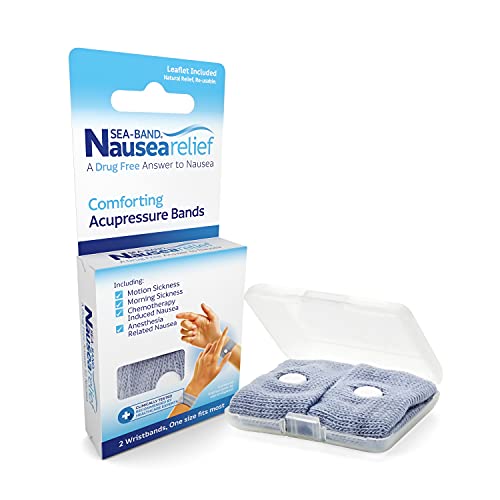
Acupressure/acupuncture: Reduced postoperative and chemotherapy‑induced nausea (moderate to strong evidence for specific protocols).
Peppermint oil (enteric‑coated) for IBS: Symptom relief versus placebo in several trials (moderate evidence).
Ginger: Reduced pregnancy‑related and postoperative nausea in small RCTs (moderate evidence for mild to moderate symptoms).
Cardiometabolic health
Nutrition and exercise: Strong evidence for reducing cardiovascular risk and improving diabetes markers (when sustained as part of lifestyle programs).
Tai chi and qigong: Small improvements in blood pressure and fitness metrics (emerging to moderate evidence).
Herbal medicine
St. John’s Wort: Comparable efficacy to SSRIs for mild‑to‑moderate depression in some studies, with important drug interaction risks (moderate evidence).
Turmeric/curcumin: Modest pain and function benefits in osteoarthritis (emerging to moderate evidence; product quality and dosing vary).
Echinacea and elderberry: Mixed findings for colds; timing and preparation matter (emerging evidence).
Limitations to keep in mind:
Blinding and placebo control are challenging for tactile and behavioral therapies
Studies often use different doses, formulas, or instructor styles, making results hard to generalize
Publication bias and small sample sizes can inflate effects
Natural product quality is inconsistent across brands
Bottom line: Research suggests several holistic modalities can help specific conditions—especially chronic pain, stress, sleep issues, and some digestive symptoms—when used consistently and with qualified guidance.
Safety, Interactions, and When to Combine Holistic and Conventional Care
Holistic doesn’t automatically mean risk‑free. Safety depends on the therapy, your health status, and product quality.
When to seek urgent conventional care first:
Chest pain, severe shortness of breath, stroke symptoms, high fever with confusion, severe dehydration, suicidal thoughts, rapidly worsening neurological symptoms, new severe abdominal pain, or significant bleeding
Drug‑herb and drug‑supplement interactions to know:
Blood thinners (warfarin, DOACs): Potential increased bleeding with ginkgo, ginseng, garlic, high‑dose fish oil, and possibly turmeric/curcumin
Antidepressants (SSRIs/SNRIs/MAOIs): Risk of serotonin syndrome with St. John’s Wort; it also induces liver enzymes (CYP3A4), reducing levels of many drugs (e.g., oral contraceptives, transplant meds)
Sedatives: Kava, valerian, and cannabinoids can add drowsiness
Liver risks: Kava (rare but serious), comfrey (pyrrolizidine alkaloids), and products adulterated with aristolochic acid should be avoided
Quality and regulation:
Choose products that are third‑party tested (USP, NSF, or similar). Avoid mega‑doses without guidance.
Imported traditional formulas can rarely contain heavy metals or pharmaceuticals if not sourced carefully.
Special populations:
Pregnancy/breastfeeding, children, older adults, and people with liver/kidney disease need extra caution and professional advice.
If you take multiple supplements, review practical safety tips here: Is It Safe to Take Multiple Supplements? A Practical Guide (/articles/is-it-safe-to-take-multiple-supplements).
Combining care wisely:
Many people benefit from integrating conventional treatments with nutrition, movement, stress reduction, and, when appropriate, acupuncture or manual therapy.
Keep all clinicians informed about everything you take and do, including over‑the‑counter products and mind‑body practices.
How to Choose a Qualified Holistic Practitioner (Credentials, Questions to Ask)
Credentials vary by modality and region. In the United States, look for:
Integrative physicians: MD or DO, sometimes fellowship‑trained in integrative medicine (some are board‑certified in integrative medicine)
Naturopathic doctors (ND/NMD): Licensing varies by state; scope includes nutrition, behavioral change, and natural therapeutics
Licensed acupuncturists (LAc) or OMD/DAOM: Often certified by NCCAOM
Registered dietitians (RDN) or Certified Nutrition Specialists (CNS)
Chiropractors (DC) for musculoskeletal issues
Licensed mental health professionals (PhD/PsyD, LCSW, LMFT) trained in mind‑body therapies
Licensed massage therapists (LMT)
Smart questions to ask:
What training and licenses/certifications do you hold? In this state?
What evidence supports this therapy for my condition? What are the risks and alternatives?
How will you coordinate with my primary care or specialist?
What will a typical plan look like (frequency, duration, cost)? How will we measure progress?
Which red flags mean I should stop and seek medical care?
Need help finding someone? See How to Find a Holistic Practitioner Near You: A Practical Guide to Modalities, Credentials, and What to Ask (/articles/find-a-holistic-practitioner-near-you).
Practical Steps to Integrate Holistic Approaches Safely Into Your Routine
Clarify your goal: Pain relief, better sleep, less anxiety, improved digestion, or more energy. Specific goals guide choices.
Build lifestyle foundations first: Aim for a Mediterranean‑style eating pattern, 7–9 hours of quality sleep, regular movement (aerobic + strength + mobility), and daily stress‑downshifts (e.g., 10 minutes of breath work).
Start with one or two modalities: For chronic pain, consider acupuncture plus gentle yoga; for stress and sleep, mindfulness or tai chi. Give each at least 4–8 weeks unless adverse effects occur.
Track outcomes: Use a symptom diary or simple scales for pain, sleep, mood, or bowel habits. Adjust if there’s no meaningful improvement.
Mind your meds and supplements: Keep an updated list. Run new herbs or high‑dose nutrients by a clinician who knows your history.
Choose quality practitioners and products: Verify credentials, ask about evidence, and use third‑party‑tested supplements when needed.
Budget and access: Ask about package pricing, community acupuncture, or group visits. Check insurance for coverage of acupuncture, chiropractic, or nutrition counseling.
FAQs
Is holistic medicine the same as integrative medicine?
Not exactly. Holistic is the philosophy of treating the whole person. Integrative means combining conventional and complementary therapies in a coordinated plan. Many clinicians practice both.
Does insurance cover holistic medicine?
Sometimes. Acupuncture, chiropractic, and nutrition counseling may be covered. Mind‑body programs are occasionally reimbursed. Coverage varies by plan and diagnosis.
How long until I notice results?
It depends on the issue and modality. Mindfulness and sleep changes can help within weeks. Acupuncture often requires 4–8 sessions. Herbal therapies may take 2–12 weeks for chronic concerns.
Are “natural” treatments always safer?
No. Natural products can interact with medications, cause side effects, or be poor quality. Use reputable sources and professional guidance.
Can holistic medicine replace my prescriptions?
Sometimes lifestyle changes reduce the need for medication, but do not stop prescribed drugs without your clinician’s guidance. Holistic approaches are best viewed as complementary unless your medical team plans a taper.
Is there evidence behind holistic medicine?
Research suggests meaningful benefits for some conditions (e.g., chronic pain, stress, nausea), while evidence is mixed or limited for others. Quality of research and products varies.
Where can I learn more about TCM or herbs?
For TCM, see What Is Traditional Chinese Medicine? (/articles/what-is-traditional-chinese-medicine-evidence-based-overview). For a practical herb overview, visit Herbal Medicine Guide (/articles/herbal-medicine-guide-uses-evidence-safety-how-to-choose).
How to Use This Information
If you’re managing a chronic issue, consider adding one evidence‑supported holistic modality to your current care plan and track results.
Prioritize sleep, nutrition, movement, and stress practices—you’ll amplify the benefits of any other therapy.
Work with qualified practitioners who communicate with your medical team.
Reassess every 4–8 weeks and iterate based on outcomes and safety.
Disclaimer
This article is for educational purposes and should not replace personalized medical advice. Always consult a qualified health professional before starting, stopping, or combining treatments—especially if you have a medical condition, take prescription medications, are pregnant or breastfeeding, or are considering supplements.
This content is for informational purposes only and does not constitute medical advice. Always consult a qualified healthcare provider before starting, stopping, or changing any supplement or medication regimen.
How to Find a Holistic Practitioner Near You: A Practical Guide to Modalities, Credentials, and What to Ask. If you’ve typed “finding a holistic practitioner near me” into a search bar, you’re probably looking for care that treats the whole person—mind, body, and lifestyle—not just a diagnosis. This guide walks you through what “holistic” really means, which modalities fit your needs, where and how to sear
Holistic Methods for Pain Relief: An Evidence‑Based Guide to Mind‑Body, Manual, Herbal, and Lifestyle Approaches. If you’re looking for holistic methods for pain relief, you’re likely hoping for options that reduce pain without heavy side effects, help you function better, and respect both body and mind. This guide brings together evidence‑based mind–body practices, movement and manual therapies, acupuncture an
If you’re curious about alternative medicine—what it includes, whether it works, and how to use it safely—you’re not alone. Alternative medicine spans traditions like acupuncture, Ayurveda, and herbal
Holistic Wellness. . ## Holistic Wellness: An Integrative View of Health
**Holistic wellness** is a broad health modality that views well-being as the result of dynamic interactions among the **physical, mental, emotional, social, spiritual, and environmental** dimensions of life. Rather than focusing only on disease o
Holistic Methods for Improving Immunity: An Evidence‑Based Guide to Lifestyle, Herbs, and Mind‑Body Practices. If you’re looking for holistic methods for improving immunity, you’re not alone. Many people want a practical, evidence‑informed plan that blends lifestyle, nutrition, mind–body practices, and time‑honored botanicals. Research suggests you can support both innate and adaptive immunity by stacking sm
Combining Eastern and Western Health Practices: An Evidence‑Based Guide to Integrative Care. If you’re curious about combining Eastern and Western health practices, you’re not alone. Many people want the diagnostic clarity of conventional medicine alongside the whole-person focus of Traditional Chinese Medicine (TCM), Ayurveda, yoga, mindfulness, and other mind–body tools. This guide walks