What Is Holistic Health? A Practical, Evidence-Based Guide
Learn what holistic health means, the evidence behind it, and how to start a safe 30-day plan with nutrition, movement, sleep, and mindfulness.
·11 min read
This content is for informational purposes only and does not constitute medical advice. Always consult a qualified healthcare provider before starting, stopping, or changing any supplement or medication regimen.
If you’re asking what holistic health really means—and how to apply it without getting lost in hype—you’re not alone. Holistic health looks at the whole person: body, mind, spirit, relationships, and environment. This guide explains the core principles, what research suggests, where traditions fit, and how to build a safe, personalized 30-day plan you can actually follow.
What Is Holistic Health?
Holistic health is an approach to well-being that considers physical, mental, emotional, social, spiritual, and environmental factors together. Instead of treating symptoms in isolation, holistic care aims to identify root contributors—like stress, sleep, nutrition, movement, trauma, social connection, and toxic exposures—and address them in an integrated way.
Western perspective: Often framed as integrative, lifestyle, or preventive medicine. It emphasizes risk reduction, behavior change, and evidence-based therapies.
Eastern perspective: Draws from longstanding systems like Traditional Chinese Medicine (TCM) and Ayurveda, which view health as balance of vital energy (Qi or Prana), elements, and constitutional types. These approaches are traditionally used and increasingly studied in modern contexts.
At its best, holistic health blends both worlds: using strong evidence where available, being transparent when evidence is emerging, and honoring traditional wisdom when safe and relevant.
Core Principles and Models of Holistic Health
Mind: Thoughts, emotions, beliefs, and stress resilience shape physiology via neuroendocrine and immune pathways.
Spirit: A sense of meaning, purpose, and connection—whether secular or faith-based—can influence coping and quality of life.
Social: Relationships, community, and socioeconomic factors (the social determinants of health) impact access to care, habits, and stress.
Environment: Air and water quality, noise, light exposure, nature contact, and occupational hazards can help or hinder well-being.
Common models you may encounter:
Biopsychosocial model (Western): Health emerges from interactions among biological, psychological, and social domains.
Allostatic load (Western): Chronic stress over time dysregulates the hypothalamic–pituitary–adrenal (HPA) axis, immunity, and metabolism.
TCM and meridian theory (Eastern, traditional): Illness arises when Qi flow is blocked or unbalanced among organ systems.
Ayurveda (Eastern, traditional): Imbalance among doshas (Vata, Pitta, Kapha) contributes to symptoms; restoration uses food, herbs, routines, and movement.
How Holistic Care Differs From Conventional Western Medicine
Focus: Conventional care excels at acute, emergency, and surgical problems; holistic care emphasizes prevention, lifestyle, and root-cause contributors. Many clinicians now practice both (often called integrative medicine).
Time horizon: Holistic consults often allow longer visits for history, habits, and goals; conventional visits are more time-limited but efficient for targeted problems.
Tools: Conventional care relies on diagnostics, pharmaceuticals, and procedures. Holistic care adds nutrition, mind–body practices, movement, sleep optimization, environmental changes, and when appropriate, traditional modalities like acupuncture or herbs.
Evidence norms: Conventional care prioritizes randomized controlled trials (RCTs) and meta-analyses. Holistic care also values patient preferences, function, and traditional use—while still weighing modern evidence. This guide labels the general strength of evidence for each modality.
What the Research Says About Holistic Health
No single RCT can test “holistic health” as a whole system, but research suggests that multi-component, lifestyle-based and mind–body–medicine programs can improve common chronic conditions:
Chronic pain: Integrative programs including physical therapy, mindfulness, and acupuncture show moderate improvements in pain and function (moderate evidence).
Anxiety and depression: Mindfulness-based programs and structured exercise demonstrate benefits similar to first-line treatments for mild to moderate symptoms in many studies (moderate to strong evidence, depending on the outcome).
Cardiometabolic risk: Nutrition patterns (e.g., Mediterranean-style), physical activity, sleep optimization, and stress reduction together lower blood pressure, LDL cholesterol, and A1c (strong evidence for individual components; moderate evidence for bundled programs).
Holistic health is best seen as a framework that coordinates proven components and thoughtfully includes traditional practices when safe.
Common Holistic Modalities and What the Evidence Says
Nutrition
What the research says: Multiple RCTs and meta-analyses link Mediterranean-style, plant-forward eating to reduced cardiovascular events, improved glycemic control, and lower inflammation (strong evidence). Dietary patterns tailored to culture and preference are key for adherence (moderate evidence).
Possible mechanisms: Fiber and polyphenols improve gut microbiome diversity and short-chain fatty acids; omega-3s modulate inflammatory eicosanoids; stable glucose control lowers oxidative stress.
What the research says: Evidence varies by product. Examples:
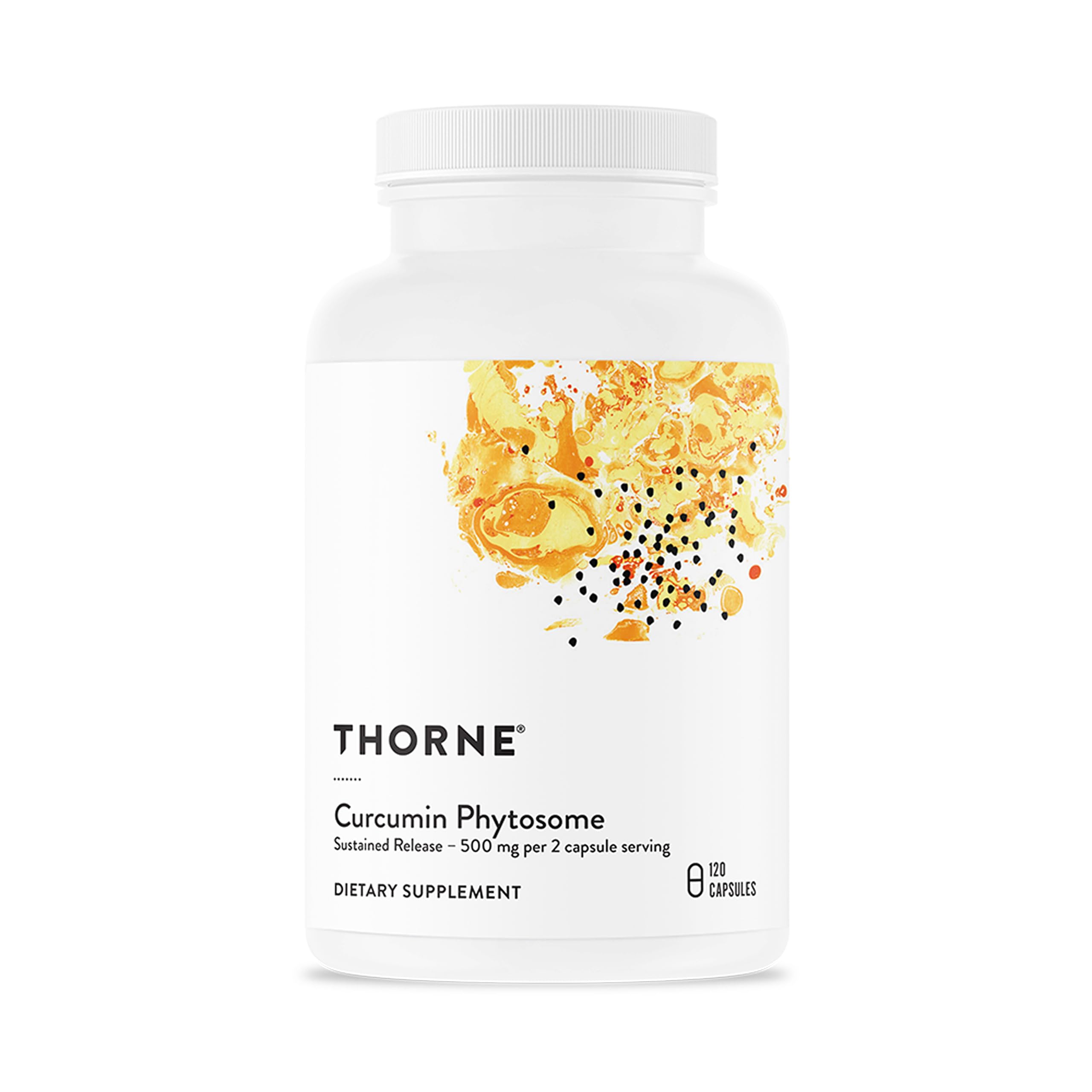
Turmeric/curcumin for osteoarthritis pain and inflammatory markers (moderate evidence); curcumin may inhibit NF-κB, a key inflammatory switch.
Ashwagandha for perceived stress and sleep quality (emerging to moderate evidence); traditionally used as an adaptogen that modulates HPA-axis activity.
Omega-3 fatty acids for triglycerides and mood adjunctive support (strong for triglycerides, moderate for mood).
Probiotics for some IBS subtypes and antibiotic-associated diarrhea (moderate evidence, strain-specific).
Evidence level overall: Mixed; ranges from traditional to strong depending on the herb/nutrient.
Important: Quality, dose, and interactions matter. See Safety below.
What the research says: Systematic reviews indicate acupuncture can reduce chronic low back pain, knee osteoarthritis pain, tension-type headaches, and migraine frequency (moderate evidence). Benefits for nausea (e.g., post-operative) are also supported (moderate to strong evidence for certain points).
Possible mechanisms: Modulates endogenous opioids, adenosine, and descending pain pathways; may reduce sympathetic overactivity and local inflammation.
Evidence level: Moderate overall; strongest for certain pain conditions and nausea.
Mindfulness and Meditation
What the research says: Meta-analyses of mindfulness-based stress reduction (MBSR) and related programs show improvements in anxiety, depression, stress, and pain coping (moderate evidence), with small to moderate effect sizes. Compassion and breath practices can support emotional regulation.
Possible mechanisms: Downregulation of amygdala reactivity; improved prefrontal control; parasympathetic activation; cortisol modulation.
Evidence level: Moderate, stronger for stress/anxiety; emerging for sleep and immune markers.
Movement Practices (Aerobic, Strength, Yoga, Tai Chi, Qigong)
What the research says: Regular physical activity reduces all-cause mortality and cardiometabolic risk (strong evidence). Yoga helps chronic low back pain and stress (moderate evidence). Tai chi improves balance and may help knee OA and fall risk in older adults (moderate evidence). Qigong shows benefits for stress and gentle conditioning (emerging to moderate evidence).
Possible mechanisms: Improved insulin sensitivity and mitochondrial function; anti-inflammatory myokines; autonomic balance; connective tissue mobility.
Evidence level: Strong for aerobic and strength training; moderate for yoga and tai chi; emerging to moderate for qigong.
Sleep Hygiene
What the research says: Sleep duration and quality are linked to metabolic, cardiovascular, immune, and mental health outcomes (strong evidence). Cognitive behavioral therapy for insomnia (CBT-I) is an effective first-line treatment for chronic insomnia (strong evidence).
Spirit/meaning: Purpose, values, gratitude, nature or contemplative practices.
Social: Support network, loneliness, caregiving strain, work demands.
Environment: Light exposure (morning/evening), noise, indoor air quality, nature time.
Medical context: Diagnoses, medications, allergies, labs. Note red flags that require medical evaluation.
Consider brief validated tools where possible (e.g., PHQ-2/9 for mood screening, sleep diaries, blood pressure or glucose logs if relevant). Keep this simple: one page you can update weekly.
Step 2: Clarify Goals and Constraints
Choose 1–3 SMART goals (specific, measurable, achievable, relevant, time-bound). Example: “Walk 20 minutes after dinner 5 days a week for 4 weeks.”
Define constraints: budget, time, mobility, cultural food preferences, home environment.
Step 3: Pick Foundational Pillars First
Nutrition: Add, don’t just subtract. Aim for plants at every meal and a protein source sized to your palm.
Movement: Start with consistency (e.g., 150 minutes/week of moderate aerobic activity plus 2 strength sessions if safe for you). Scale to your baseline.
Sleep: Fix the sleep window, then optimize light, temperature, caffeine timing, and wind-down.
Stress: A 5–10 minute daily practice (breathwork, mindfulness, gratitude) is realistic and evidence-supported.
Step 4: Consider Adjuncts
Mind–body classes (yoga, tai chi) once or twice weekly.
Acupuncture for pain, migraines, or stress if accessible and appropriate.
Specific supplements only with a clear purpose, quality assurance, and safety check.
Step 5: Build Your Care Team
Depending on needs and resources, your team might include:
Primary care clinician to rule out medical causes and coordinate care.
Registered dietitian for medical nutrition therapy.
Physical therapist or certified trainer for pain, mobility, or strength.
Licensed acupuncturist (NCCAOM-certified where applicable).
Mental health professional trained in CBT, ACT, or mindfulness.
Board-certified integrative or lifestyle medicine physician.
National Board Certified Health & Wellness Coach for accountability.
Step 6: Track and Iterate
Choose 3–5 simple metrics: sleep hours, steps or active minutes, mood/stress rating, pain score, and one clinical metric if relevant (e.g., BP, glucose, A1c per clinician guidance).
Review weekly: What helped? What was hard? Adjust goals in 10–20% increments.
Safety, Interactions, and When to Consult a Healthcare Professional
Holistic does not mean risk-free. Keep these safety principles in mind:
Medications and supplements can interact:
St. John’s wort can reduce effectiveness of many drugs (induces CYP3A4 and P-gp), including oral contraceptives and some antidepressants.
Ginkgo may increase bleeding risk, especially with anticoagulants/antiplatelets.
Kava has been linked to rare liver injury; avoid with liver disease or alcohol misuse.
Ashwagandha may affect thyroid hormones; use caution with thyroid disorders and during pregnancy.
Turmeric/curcumin may increase bleeding risk at high doses in those on anticoagulants.
Acupuncture is generally safe with trained practitioners, but discuss bleeding disorders, anticoagulants, pregnancy, or implanted devices.
Mindfulness is usually helpful; however, trauma survivors may need a trauma-informed approach. If distress increases, consult a qualified therapist.
Movement: Progress gradually if you are sedentary or have heart, lung, or joint disease. Get clearance for new vigorous exercise if you have risk factors.
Children, pregnancy, older adults, and people with kidney or liver disease require extra caution with herbs and supplements.
Quality matters: Choose third-party tested supplements and licensed practitioners.
Seek urgent care for warning signs such as chest pain, severe shortness of breath, fainting, one-sided weakness or facial droop, severe allergic reaction, persistent high fever, rapid swelling, or suicidal thoughts. For ongoing symptoms that don’t improve, unusual weight loss, blood in stool or urine, or new neurological symptoms, schedule a medical evaluation.
This information is educational and not a substitute for personalized medical advice.
Practical Daily Routines and a 30-Day Starter Plan
Below is a gentle, evidence-aligned plan you can tailor to your needs. If something causes pain or distress, scale back or consult a professional.
Daily Rhythm
Morning: Hydrate; 5 minutes of light exposure outdoors; 2–3 minutes of slow breathing (inhale 4, exhale 6); protein-rich breakfast with plants.
Midday: 10–20 minute walk or mobility session; simple lunch emphasizing vegetables, legumes, or whole grains.
Afternoon: Short screen break; a cup of unsweetened tea or water; if stressed, 2 minutes of box breathing (4-4-4-4).
Evening: Cook a balanced dinner; light activity after eating; devices off or dimmed 60 minutes before bed; wind-down routine (stretch, read, journal 3 things you’re grateful for).
Add one serving of vegetables to lunch and dinner.
Set sleep window (lights out and wake time consistent within 30 minutes).
Practice 5 minutes of mindfulness or breathwork daily.
Start a simple log: steps or minutes, sleep hours, mood/stress (1–10), pain (1–10).
Week 2: Strength and stress resilience
Add two 20–30 minute strength sessions (bodyweight or bands) on nonconsecutive days.
Swap one ultra-processed snack for fruit, nuts, or yogurt.
Extend mindfulness/breathwork to 7–10 minutes or try a guided session.
Optional: Try one yoga or tai chi class (in person or beginner-friendly video).
Week 3: Environment and social health
Get 30 minutes of daylight exposure before noon on at least 5 days.
Eat one plant-forward dinner featuring legumes or fish.
Schedule one meaningful connection (call, walk with a friend, shared meal).
Evaluate bedroom environment: cooler temperature, blackout or eye mask, white noise if needed.
Week 4: Fine-tuning and evaluation
Increase walking pace or duration by 10–20% if it feels manageable.
Experiment with a mindful eating practice at one meal (slow down, notice hunger/fullness cues).
Try one acupuncture session if addressing pain or stress is a priority and you have access.
Review your log: Which habits moved the needle on mood, energy, pain, or sleep? Keep 2–3, adjust or drop the rest.
How to Use This Information
Start small and stay consistent; one change that sticks beats five that fade.
Build on strong-evidence pillars first: nutrition quality, regular movement, sleep schedules, and stress regulation.
Add traditional or emerging practices (acupuncture, specific herbs) when they address your goals and are safe for you.
Enlist support. A clinician, dietitian, therapist, coach, or peer group increases follow-through.
Reassess monthly. Health is dynamic; your plan should evolve with you.
Further Resources, Reading, and Trusted Practitioner Directories
Evidence and education
National Center for Complementary and Integrative Health (NCCIH)
Cochrane Complementary Medicine reviews
World Health Organization resources on traditional medicine
PubMed Clinical Queries for research summaries
American College of Lifestyle Medicine education materials
Practitioner directories and credentials
NCCAOM (acupuncture and East Asian medicine)
IFM “Find a Practitioner” (integrative/functional medicine)
Registered Dietitians (Commission on Dietetic Registration)
Psychology Today or professional associations for licensed therapists
National Board for Health & Wellness Coaching (NBHWC) for certified coaches
Yoga Alliance registered teachers; reputable tai chi and qigong schools
Disclaimer
This guide is for educational purposes and does not replace personalized medical advice. Always consult a qualified healthcare professional before starting new treatments, supplements, or exercise—especially if you have medical conditions, take medications, are pregnant or breastfeeding, or care for children or older adults.
This content is for informational purposes only and does not constitute medical advice. Always consult a qualified healthcare provider before starting, stopping, or changing any supplement or medication regimen.
What Is Holistic Medicine? A Clear Guide to Principles, Therapies & Evidence. If you’ve ever wondered what is holistic medicine and whether it could help you feel better, you’re not alone. Many people are looking for care that treats the whole person—not just a symptom or a lab result. This guide explains what holistic medicine is, how it works, what the research says, and pr
Holistic Wellness. . ## Holistic Wellness: An Integrative View of Health
**Holistic wellness** is a broad health modality that views well-being as the result of dynamic interactions among the **physical, mental, emotional, social, spiritual, and environmental** dimensions of life. Rather than focusing only on disease o
How to Find a Holistic Practitioner Near You: A Practical Guide to Modalities, Credentials, and What to Ask. If you’ve typed “finding a holistic practitioner near me” into a search bar, you’re probably looking for care that treats the whole person—mind, body, and lifestyle—not just a diagnosis. This guide walks you through what “holistic” really means, which modalities fit your needs, where and how to sear
Holistic Methods for Pain Relief: An Evidence‑Based Guide to Mind‑Body, Manual, Herbal, and Lifestyle Approaches. If you’re looking for holistic methods for pain relief, you’re likely hoping for options that reduce pain without heavy side effects, help you function better, and respect both body and mind. This guide brings together evidence‑based mind–body practices, movement and manual therapies, acupuncture an
Holistic Methods for Improving Immunity: An Evidence‑Based Guide to Lifestyle, Herbs, and Mind‑Body Practices. If you’re looking for holistic methods for improving immunity, you’re not alone. Many people want a practical, evidence‑informed plan that blends lifestyle, nutrition, mind–body practices, and time‑honored botanicals. Research suggests you can support both innate and adaptive immunity by stacking sm
Combining Eastern and Western Health Practices: An Evidence‑Based Guide to Integrative Care. If you’re curious about combining Eastern and Western health practices, you’re not alone. Many people want the diagnostic clarity of conventional medicine alongside the whole-person focus of Traditional Chinese Medicine (TCM), Ayurveda, yoga, mindfulness, and other mind–body tools. This guide walks