Vitamin C and Collagen: What the Science Really Says About Skin, Tendons, and Healing
Vitamin C is essential for collagen synthesis. Research suggests adequate vitamin C may support skin appearance, tendon remodeling, and wound repair—especially when combined with good iron status and appropriate loading—while traditional sources like amla, acerola, and camu camu add complementary phytochemicals.
·7 min read
This content is for informational purposes only and does not constitute medical advice. Always consult a qualified healthcare provider before starting, stopping, or changing any supplement or medication regimen.
Vitamin C Beyond Colds: Collagen Synthesis, Skin, and Tendons
Most people know vitamin C for immune support. Less appreciated is its central role in building and maintaining collagen—the structural protein that holds skin, tendons, ligaments, blood vessels, and bone together. Research suggests that adequate vitamin C status may help support skin integrity, tendon resilience, and wound repair by enabling crucial enzymatic steps that stabilize collagen fibers. Here’s what the science shows—and what remains uncertain.
Key point up front: This article focuses on “vitamin C collagen synthesis,” a long-tail topic that sits at the foundation of connective tissue health.
How vitamin C powers collagen assembly (Evidence: strong)
Enzymatic cofactor: Collagen is synthesized as procollagen and requires post-translational modification to become strong, stable fibers. Vitamin C (ascorbate) serves as an essential cofactor for the iron-dependent enzymes prolyl and lysyl hydroxylases, which hydroxylate specific proline and lysine residues on collagen chains. These hydroxylations allow correct triple-helix formation and later cross-linking that gives collagen its tensile strength (Myllyharju & Kivirikko, Ann Med, 2001; Myllyharju, Trends Genet, 2003).
Iron redox support: Vitamin C maintains the catalytic iron in these enzymes in the ferrous (Fe2+) state so the reactions can proceed efficiently (Evidence: strong).
What happens when vitamin C is low: In states of deficiency (scurvy), collagen is under-hydroxylated, leading to fragile blood vessels, poor wound healing, gum bleeding, and musculoskeletal pain. Classic human depletion–repletion studies document impaired collagen-dependent tissue integrity and reversal with repletion (Hodges et al., Am J Clin Nutr, 1971) (Evidence: strong).
Human evidence: skin appearance, tendons, and wounds
Skin structure and appearance
Observational links: In a population study of middle-aged women, higher dietary vitamin C intake was associated with fewer wrinkles and less skin dryness after controlling for confounders (Cosgrove et al., Am J Clin Nutr, 2007) (Evidence: moderate; observational, cannot infer causality).
Mechanistic plausibility: Fibroblasts require vitamin C for collagen synthesis, and in vitro work shows ascorbate stimulates procollagen production and stabilizes collagen matrix (Evidence: strong; cellular/biochemical).
Trials: Human trials often test multi-ingredient skin formulations, making it difficult to isolate vitamin C’s effect. Systematic reviews of oral “skin support” supplements report benefits for elasticity or hydration in some studies, but most combine vitamin C with other actives (e.g., collagen peptides, antioxidants), so attribution to vitamin C alone remains uncertain (Evidence: moderate; heterogeneity and multi-ingredient designs).
Tendons and ligaments
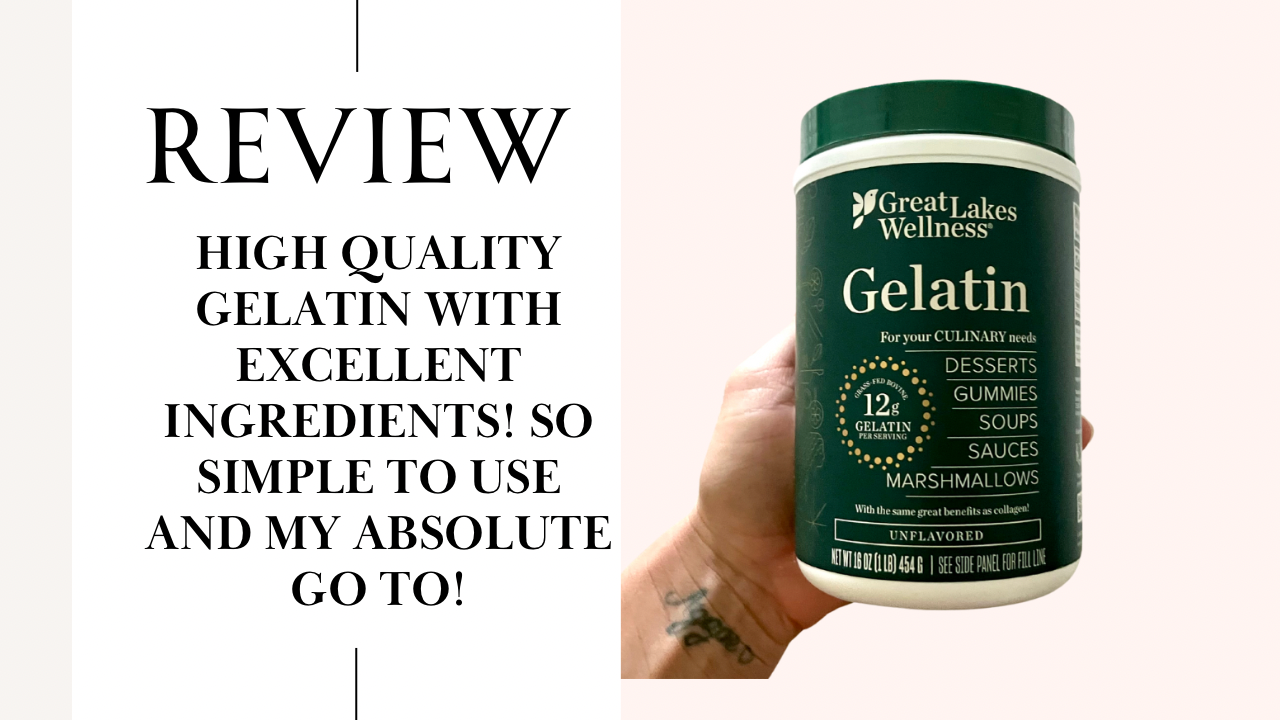
Exercise + gelatin + vitamin C: In a randomized, crossover study, consuming gelatin with vitamin C before brief jump rope sessions increased the blood marker of collagen synthesis (PINP) and was associated with fewer injury reports in a training program (Shaw et al., Am J Clin Nutr, 2017). This suggests vitamin C availability around loading may help stimulate new collagen formation in connective tissues (Evidence: moderate; small RCT with biomarker endpoints and pragmatic follow-up).
Clinical outcomes: Beyond this proof-of-concept work, robust RCTs assessing tendon healing or pain outcomes with vitamin C alone are limited. Existing trials often bundle vitamin C into broader rehabilitation or nutrition protocols (Evidence: emerging).
Wound repair and pressure injuries
Nutritional support: Systematic reviews of nutrition in pressure injury treatment report that specialized formulas containing protein, arginine, zinc, and vitamin C can improve healing rates in some patient groups (Cochrane Database Syst Rev, e.g., Langer & Fink, 2014; updates through 2022). However, trials of vitamin C alone show mixed or inconclusive effects on ulcer healing (Evidence: moderate overall for multi-nutrient formulas; low for vitamin C monotherapy due to limited, heterogeneous data).
Clinical context matters: Vitamin C repletion appears most impactful when deficiency is present or when demands on collagen synthesis are high (e.g., tissue repair), but isolating its independent contribution in well-nourished individuals remains challenging (Evidence: moderate).
The iron connection: more than absorption (Evidence: strong)
Collagen enzymes need iron: Prolyl and lysyl hydroxylases rely on ferrous iron (Fe2+). Vitamin C helps maintain this reduced state so hydroxylation reactions proceed, directly linking vitamin C status to collagen maturation.
Dietary synergy: Separately, controlled human feeding studies show vitamin C enhances non-heme iron absorption from plant foods by forming a more soluble iron complex and preventing oxidation (Hallberg et al., Am J Clin Nutr, 1989; Teucher et al., Int J Vitam Nutr Res, 2004). For individuals emphasizing plant-based iron sources, combining vitamin C–rich foods with iron-containing meals may support iron status, which in turn supports collagen enzyme activity (Evidence: strong for absorption; translational link to collagen is mechanistically strong but clinically inferential).
Traditional vitamin C–rich foods used for skin and tissue health
Cultures have long turned to vitamin C–dense fruits for vitality and skin support—long before ascorbate’s role in collagen was decoded.
Amla (Phyllanthus emblica; Ayurveda): A revered “rasayana” in Ayurveda, amla is rich in vitamin C and polyphenols. Traditional texts describe its use for skin and wound support. Modern studies report antioxidant and anti-inflammatory properties, with limited human data in dermatology; more rigorous RCTs are needed to isolate effects (Evidence: emerging; traditional use strong, clinical trials limited).
Acerola (Malpighia emarginata): One of the highest natural vitamin C sources, acerola also contains carotenoids and anthocyanins. Small human studies suggest acerola products raise plasma vitamin C and may influence antioxidant status, but high-quality, controlled trials on skin or tendon outcomes are sparse (Evidence: emerging).
Camu camu (Myrciaria dubia): In a small randomized trial in smokers, camu camu juice lowered oxidative stress and inflammatory markers more than an equivalent amount of isolated vitamin C, suggesting synergistic phytochemicals may amplify effects (Inoue et al., J Clin Biochem Nutr, 2008) (Evidence: moderate for biomarker effects; clinical endpoints not assessed).
What this means for you
Foundation for connective tissues: Research strongly supports vitamin C’s biochemical role in collagen formation. In real-world settings, adequate vitamin C status may help maintain skin structure, support tendon remodeling when combined with appropriate loading, and contribute to wound repair as part of comprehensive nutrition (Evidence: strong to moderate, depending on outcome).
Context matters: Benefits are most apparent when intake is insufficient, when iron status is marginal, or when collagen demand is high (e.g., healing, high-load training). In well-nourished individuals, added vitamin C beyond adequacy shows mixed evidence for additional improvements in appearance or injury outcomes (Evidence: moderate).
Food-first approach: Patterns rich in fruits and vegetables—citrus, kiwifruit, bell peppers, strawberries, and traditional sources like amla, acerola, and camu camu—provide vitamin C alongside polyphenols that may offer complementary antioxidant effects (Evidence: strong for vitamin C content; emerging for synergistic benefits).
What the evidence still can’t answer
Dose–response in healthy tissues: Optimal intake for maximizing collagen synthesis in already adequate individuals is not established, and trials isolating vitamin C from other nutrients are limited (Evidence: emerging).
Specific clinical endpoints: High-quality RCTs measuring tendon healing rates, skin biomechanics, or surgical wound outcomes with vitamin C as a standalone intervention are still needed (Evidence: emerging).
Bottom line
Vitamin C is indispensable for collagen maturation via its role as a cofactor for prolyl and lysyl hydroxylases and as a maintainer of iron in its active state (Evidence: strong).
Observational data link higher vitamin C intake with better skin appearance, and small trials suggest vitamin C availability around exercise may support collagen synthesis in tendons, especially when paired with collagen-rich proteins (Evidence: moderate).
For wound care, multi-nutrient formulas that include vitamin C show benefits in some settings, while vitamin C alone shows mixed outcomes (Evidence: moderate for combinations; low for monotherapy).
Traditional vitamin C–rich foods like amla, acerola, and camu camu may provide additional phytochemicals that could complement ascorbate’s role, though human trials on hard connective tissue outcomes remain limited (Evidence: emerging).
Practical takeaway: Ensuring sufficient vitamin C from a varied, plant-forward pattern may help support the body’s collagen-dependent tissues over time—especially when combined with good iron status and appropriate mechanical loading for tendons.
References (selected)
Myllyharju J, Kivirikko KI. Collagens, modifying enzymes and their mutations in humans, flies and worms. Ann Med. 2001.
Myllyharju J. Prolyl 4-hydroxylases, the key enzymes of collagen biosynthesis. Matrix Biol. 2003.
Hodges RE, Hood J, Canham JE, et al. Clinical manifestations of ascorbic acid deficiency in man. Am J Clin Nutr. 1971.
Cosgrove MC, Franco OH, Granger SP, Murray PG, Mayes AE. Dietary nutrient intakes and skin-aging appearance among middle-aged women. Am J Clin Nutr. 2007.
Shaw G, Lee-Barthel A, Ross ML, Wang B, Baar K. Vitamin C–enriched gelatin supplementation before intermittent activity augments collagen synthesis. Am J Clin Nutr. 2017.
Langer G, Fink A. Nutritional interventions for treating pressure ulcers. Cochrane Database Syst Rev. 2014 (and subsequent updates).
Hallberg L, Brune M, Rossander L. Effect of ascorbic acid on nonheme-iron absorption from the diet. Am J Clin Nutr. 1989.
Teucher B, Olivares M, Cori H. Enhancers of iron absorption: ascorbic acid and other organic acids. Int J Vitam Nutr Res. 2004.
Inoue T, Komoda H, Uchida T, Node K. Tropical fruit camu-camu (Myrciaria dubia) has anti-oxidative and anti-inflammatory properties in humans. J Clin Biochem Nutr. 2008.
This content is for informational purposes only and does not constitute medical advice. Always consult a qualified healthcare provider before starting, stopping, or changing any supplement or medication regimen.
Vitamin C Beyond Colds: Focus on Collagen Synthesis
If you’ve heard of vitamin C only in the context of colds, you’re missing its central role in how the body builds and maintains collagen—the struct
Introduction
[Vitamin C is best known for its connection to the common cold.](/supplements/vitamin-c) But focusing on sniffles misses its central roles in connective tissue integrity, brain chemistry,
Top Vitamins for Skin Health: An Evidence‑Based Guide to Vitamin C, E, A, D, Biotin & More. If you’re wondering which nutrients truly nourish your skin, you’re not alone. Many people search for the top vitamins for skin health to address dryness, acne, fine lines, or uneven tone. Research suggests specific vitamins play distinct biological roles in collagen synthesis, antioxidant defense,
## What Is Collagen?
Collagen is the most abundant protein in your body — accounting for roughly 30% of total protein mass. It's the structural scaffolding that holds you together, providing tensile
Collagen. Collagen Peptides, Hydrolyzed Collagen, Marine Collagen, Bovine Collagen. ## Collagen Overview
**Collagen** is the most abundant structural protein in the human body and a major component of **skin, cartilage, tendons, ligaments, bones, blood vessels, and other connective tissues**. In supplement form, collagen is commonly sold as **hydrolyzed collagen peptides**, gelati