Supplements for Deep Sleep: What Research Says About Slow‑Wave Sleep
Can supplements really increase deep sleep? Explore what research says about magnesium, glycine, melatonin, tart cherry, and traditional botanicals vs. CBT‑I for slow‑wave sleep.
·8 min read
This content is for informational purposes only and does not constitute medical advice. Always consult a qualified healthcare provider before starting, stopping, or changing any supplement or medication regimen.
Supplements for Deep Sleep: What Research Says About Slow‑Wave Sleep
If you wake feeling unrefreshed despite a full night in bed, you may wonder how to get “more deep sleep.” Deep sleep—also called slow‑wave sleep (SWS or N3)—is the most physically restorative stage, associated with growth hormone pulses, immune support, synaptic down‑selection, and glymphatic clearance. Research suggests that while some supplements may improve sleep quality or timing, consistent, stage‑specific boosts to deep sleep are harder to prove. This article focuses narrowly on deep sleep and what the science says about supplements that may influence it.
What counts as “deep sleep,” and how is it measured?
Deep sleep is a non‑REM stage characterized by high‑amplitude, low‑frequency delta waves on polysomnography (PSG). It tends to dominate the first third of the night and declines with age. Benefits include body repair, immune modulation, and memory consolidation for certain domains [Evidence: strong]. Systematic reviews and neurophysiology research consistently link SWS with homeostatic recovery processes, but consumer wearables infer “deep sleep” indirectly and are not interchangeable with PSG [Evidence: strong].
Bottom line: When studies claim a supplement “increases deep sleep,” the most convincing evidence would be PSG‑verified increases in N3 or delta power—data that are scarce for most supplements.
Melatonin: Helpful for timing and onset, not a deep‑sleep booster
Melatonin helps align the sleep‑wake cycle and can shorten sleep latency in primary insomnia and circadian rhythm disorders (e.g., jet lag) according to meta‑analyses of randomized trials (e.g., Brzezinski 2005; Ferracioli‑Oda 2013) [Evidence: strong]. However, its effects on sleep architecture are inconsistent and generally small; studies do not show a reliable increase in SWS percentage [Evidence: moderate]. For the goal of “more deep sleep,” melatonin is better viewed as a circadian‑timing tool than a deep‑sleep enhancer.
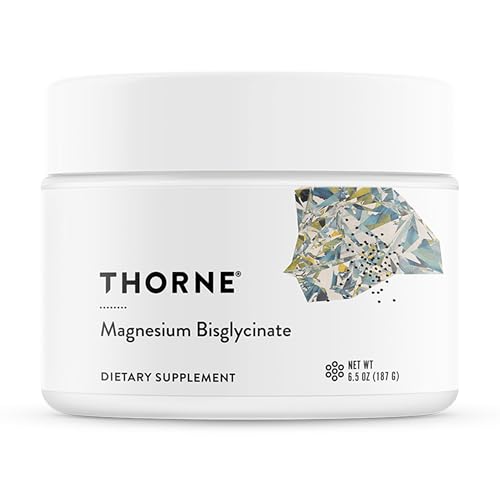
Magnesium (with a look at magnesium glycinate): Sleep quality support more than stage‑specific change
Magnesium plays roles in NMDA receptor regulation and GABAergic tone, mechanisms relevant to sleep regulation. Randomized trials in older adults with insomnia have reported improvements in sleep efficiency and self‑reported sleep quality versus placebo (e.g., RCTs circa 2012–2019), though studies are small and use varied forms and measures [Evidence: moderate].
Claims that magnesium glycinate specifically “increases deep sleep” exceed the current evidence. Most trials have not included PSG staging, and those that do generally report changes in continuity rather than clear increases in N3 [Evidence: emerging]. Still, for people with sleep fragmentation or stress‑related hyperarousal, magnesium may help consolidate sleep, which can indirectly allow normal SWS expression earlier in the night [Evidence: moderate].
Glycine: Cooling the body and smoothing sleep, with limited architecture data
Glycine is an inhibitory amino acid and co‑agonist at NMDA receptors. Small randomized crossover studies have found that pre‑sleep glycine improves subjective sleep quality and next‑day fatigue and lowers core body temperature, a signal that supports sleep initiation (e.g., Yamadera 2007; Bannai & Kawai 2012 review) [Evidence: moderate]. Polysomnography data are limited; some work suggests trends toward improved sleep efficiency, but consistent, statistically robust increases in SWS have not been demonstrated [Evidence: emerging].
Practically, glycine may help people feel more restored and fall asleep more comfortably, but claiming it reliably “boosts deep sleep” overstates current findings.
Apigenin (chamomile flavone): Calming potential, uncertain impact on stages
Apigenin, abundant in chamomile, interacts with GABA‑A receptors in preclinical models. Human trials with chamomile extract show small improvements in sleep quality for certain groups (e.g., postpartum or elderly cohorts) compared with placebo, but effects are modest and studies are heterogeneous; polysomnography is rarely included (systematic reviews 2019–2022) [Evidence: emerging]. There is no consistent evidence that apigenin increases SWS specifically [Evidence: emerging].
Tart cherry juice: Small gains in total sleep time, unclear on deep sleep
Montmorency tart cherries contain melatonin and polyphenols with anti‑inflammatory properties. Small randomized trials in older adults report modest increases in total sleep time and sleep efficiency versus placebo, along with higher urinary melatonin metabolites (e.g., Pigeon 2010; Howatson 2012; small RCTs 2018) [Evidence: moderate]. Trials typically rely on actigraphy or diaries rather than PSG; effects on deep sleep stages are not established [Evidence: emerging].
Traditional botanicals: Valerian, passionflower, and jujube seed
Valerian (Valeriana officinalis): Meta‑analyses report mixed findings; some show modest improvements in subjective sleep quality and latency versus placebo, others find no significant benefit (Cochrane review 2006; later meta‑analyses circa 2020 with small positive effects) [Evidence: moderate for subjective sleep]. A few small PSG studies suggest possible increases in slow‑wave activity, but results are inconsistent and underpowered [Evidence: emerging].
Passionflower (Passiflora incarnata): Small RCTs indicate improvements in subjective sleep quality in healthy adults with mild sleep complaints; objective staging data are lacking [Evidence: emerging].
Jujube seed (Ziziphus jujuba, Suan Zao Ren): Widely used in Traditional Chinese Medicine for calmative effects. Limited RCTs in primary insomnia report improvements in global sleep quality indexes versus placebo or standard care, but PSG staging is rarely collected [Evidence: emerging; traditional use strong].
These botanicals may support relaxation and sleep continuity, which could allow normal SWS expression, yet direct, replicated increases in N3 remain unproven for most [Evidence: emerging].
How supplements compare with CBT‑I for deep sleep goals
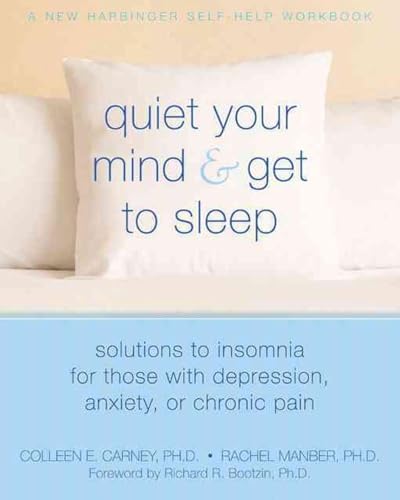
Cognitive Behavioral Therapy for Insomnia (CBT‑I) is first‑line treatment for chronic insomnia in major guidelines and supported by multiple meta‑analyses showing durable improvements in sleep latency, wake after sleep onset (WASO), and sleep efficiency, with effect sizes comparable to hypnotics and superior long‑term persistence (e.g., Trauer 2015; Wu 2015; systematic reviews through 2021) [Evidence: strong].
CBT‑I does not target sleep stages directly; rather, it reduces hyperarousal and remodels sleep‑wake behaviors. As sleep continuity improves and homeostatic pressure is better aligned, SWS often normalizes in early‑night cycles. In contrast, most supplements show modest benefits on subjective sleep or timing, with limited or no PSG‑verified increases in SWS [Evidence: strong for CBT‑I; moderate‑to‑emerging for supplements].
Practical considerations for seeking deeper sleep
Focus on continuity and timing: Regular bed/wake windows, light exposure in the morning, and dimmer evenings support robust sleep pressure and circadian alignment—conditions under which deep sleep naturally concentrates in the first third of the night [Evidence: strong].
Understand wearables: Use them for trends, not absolutes. Over‑interpreting nightly “deep sleep minutes” can increase anxiety and paradoxically worsen sleep [Evidence: moderate].
Consider supplement goals: If your main issue is taking too long to fall asleep or circadian misalignment, melatonin may help [Evidence: strong for onset/circadian]. For fragmented sleep or stress, magnesium or certain botanicals may be worth discussing with a clinician [Evidence: moderate for sleep quality; emerging for SWS]. Glycine may aid comfort and next‑day function, with uncertain architecture effects [Evidence: moderate for subjective benefits; emerging for SWS].
Safety first: Interactions and individual responses vary. Discuss options with a qualified professional, especially if you take medications, are pregnant, or have medical conditions. Avoid combining multiple sedative agents without guidance.
Bottom line
Deep sleep (SWS) is central to physical restoration, but reliably increasing it with supplements is not well supported by current PSG‑based evidence.
Melatonin helps with sleep timing and falling asleep; it does not consistently raise SWS [Evidence: strong for onset; moderate for architecture].
Magnesium and glycine may improve sleep quality and next‑day function; consistent increases in deep sleep remain unproven [Evidence: moderate for quality; emerging for SWS].
Tart cherry juice may modestly extend total sleep time; effects on SWS are unclear [Evidence: moderate for small TST gains; emerging for SWS].
Traditional remedies like valerian, passionflower, and jujube seed have long use histories and some supportive trials, but architecture‑level effects are uncertain [Evidence: emerging; traditional use strong].
For improving sleep continuity—and potentially allowing normal deep sleep to emerge—CBT‑I has the strongest and most durable evidence [Evidence: strong].
Research continues to evolve. For now, the most reliable path to “deeper” sleep is building strong sleep pressure and stable circadian cues, with targeted, evidence‑based behavioral strategies and cautious, individualized use of supplements when appropriate.
This content is for informational purposes only and does not constitute medical advice. Always consult a qualified healthcare provider before starting, stopping, or changing any supplement or medication regimen.
Herbal Remedies for Better Sleep: Evidence, Dosage, Safety, and How They Compare to Common Sleep Aids. If you’re struggling with falling asleep, staying asleep, or waking unrefreshed, you’re not alone. Many people explore herbal remedies for sleep improvement because they prefer gentle, plant‑based options or want to avoid next‑day grogginess from conventional sedatives. Research suggests several her
Introduction
Sleep is not a single uniform state—it cycles through distinct stages that each support different brain and body functions. Slow-wave sleep (SWS), also called deep non-REM sleep, is linke
Best Magnesium Supplements for Sleep: Top Picks & How to Choose. If you’re comparing options for the best magnesium supplement for sleep, you’re not alone. Many adults fall short on daily magnesium, and research suggests magnesium may support more restful nights—especially if stress, muscle tension, or nighttime restlessness are part of the picture. This guide br
Introduction
Sleep is not a single state but a structured sequence of stages that cycle across the night. Understanding this “sleep architecture” helps make sense of why some supplements may help you
Herbs for Better Sleep Quality: An Evidence‑Based Guide to Options, Dosage & Safety. Many people ask whether herbs for better sleep quality can make a real difference without next‑day grogginess or dependence. Short answer: for mild to moderate sleep troubles—especially when stress or an overactive mind is involved—several herbs have research suggesting modest benefits. Results vary
Herbal Remedies for Sleep Disorders: Evidence‑Based Herbs, Dosage, Safety & How They Compare to Conventional Treatments. If you’re lying awake at 2 a.m., you may be wondering whether herbal remedies for sleep disorders can help you fall asleep faster, stay asleep longer, or wake feeling more restored. Research suggests certain herbs can modestly improve insomnia and anxiety‑related sleeplessness, while other sleep dis