Resveratrol Bioavailability: Why Human Results Are Mixed (and How the Food Matrix Matters)
Human results for resveratrol are mixed, and bioavailability is a key reason. This focused review explains how metabolism, food matrix, and formulations shape exposure—and why that matters for interpreting clinical evidence.
·8 min read
This content is for informational purposes only and does not constitute medical advice. Always consult a qualified healthcare provider before starting, stopping, or changing any supplement or medication regimen.
Resveratrol’s rise began with the French Paradox—the 1990s observation that France’s relatively low rate of heart disease coexisted with saturated fat intake, a phenomenon sometimes attributed to red wine’s polyphenols. While intriguing, later analyses suggest wine is only one small piece of a much larger dietary and lifestyle puzzle [Evidence: moderate]. The continued scientific interest in resveratrol, a grape and knotweed polyphenol, led to extensive lab research and human trials. Yet clinical results remain mixed. A central reason: bioavailability.
This focused review examines what bioavailability means for resveratrol, how the food matrix and metabolism shape its activity, and why these factors may explain diverging trial outcomes.
What “bioavailability” means for resveratrol
Rapid metabolism and low parent compound in blood: After oral intake, resveratrol is quickly absorbed but undergoes extensive first-pass metabolism in the intestine and liver, forming glucuronide and sulfate conjugates. As a result, free (unconjugated) resveratrol in plasma is typically very low, while metabolites predominate [Walle et al., Drug Metabolism and Disposition, 2004; Cottart et al., Molecular Nutrition & Food Research, 2010; Evidence: strong].
Interindividual variability: Enzyme activity (UGTs, SULTs), gut microbiome composition, and transporters contribute to wide variability in circulating levels between people given the same dose [Cottart et al., 2010; Tomé-Carneiro et al., Critical Reviews in Food Science and Nutrition, 2013; Evidence: moderate].
Tissue exposure may differ from plasma: Despite low plasma parent compound, resveratrol and its conjugates can reach target tissues. In patients scheduled for colorectal surgery, short-term resveratrol administration led to detectable levels in colonic tissue, suggesting potential for local effects in the gut [Patel et al., Cancer Prevention Research, 2010; Evidence: moderate].
Does low bioavailability explain mixed human results?
Metabolic health outcomes: Meta-analyses of randomized trials report small improvements in fasting glucose and insulin sensitivity in people with type 2 diabetes, but effects are inconsistent in individuals without diabetes, and heterogeneity is high [Zhu et al., Nutrition & Metabolism, 2017; Liu et al., Obesity Reviews, 2014; Evidence: moderate]. Low systemic exposure and population differences may partly explain who benefits [Evidence: moderate].
Cardiovascular markers: Systematic reviews suggest modest or no consistent changes in lipids or blood pressure overall, though some subgroups (e.g., those with metabolic dysfunction) may see small benefits [Liu et al., American Journal of Hypertension, 2015; Tomé-Carneiro et al., Advances in Nutrition, 2013; Evidence: moderate].
Brain blood flow and cognition: Small trials report acute increases in cerebral blood flow and potential memory benefits in older adults, even with low circulating parent resveratrol, raising the possibility that metabolites or indirect pathways contribute [Kennedy et al., American Journal of Clinical Nutrition, 2010; Witte et al., Journal of Neuroscience, 2014; Evidence: emerging].
How the food matrix and formulation shape exposure
Wine vs. capsules: Ethanol and other wine constituents may influence absorption and first-pass metabolism, but human studies are limited and results are inconsistent. Some work suggests a matrix effect, while other trials find minimal differences [Goldberg et al., Clinical Science, 2003; Cottart et al., 2010; Evidence: emerging].
Fat co-ingestion: For lipophilic polyphenols, dietary fat can sometimes enhance absorption; for resveratrol, evidence is mixed and not definitive in humans [Manach et al., American Journal of Clinical Nutrition, 2005; Evidence: emerging].
Micronized and specialized formulations: Micronized resveratrol (e.g., SRT501) and various nanoformulations have increased plasma exposure in early studies, but translation to clear clinical benefits remains uncertain. Notably, a multiple myeloma study of SRT501 was halted due to safety signals, underlining that higher exposure is not automatically better [Popat et al., Cancer Chemotherapy and Pharmacology, 2013; Neves et al., Colloids and Surfaces B, 2013; Evidence: moderate for exposure increase; emerging for clinical benefit].
Bioenhancers and prodrugs: In animals, piperine co-administration markedly increases resveratrol exposure, but rigorous human data are sparse. Glycosylated forms (e.g., piceid) and prodrugs are under investigation to improve delivery, with preliminary findings but limited clinical endpoints so far [Johnson et al., Molecular Nutrition & Food Research, 2011; Rimando et al., Journal of Agricultural and Food Chemistry, 2004; Evidence: emerging].
Are metabolites part of the story?
Activity of conjugates: In vitro and ex vivo research suggests resveratrol sulfates and glucuronides may enter cells via transporters and be locally deconjugated, potentially regenerating active resveratrol at sites of inflammation or in tissues with high sulfatase activity. Some conjugates may have biological effects of their own [Patel et al., 2010; Rodriguez-Mateos et al., Free Radical Biology & Medicine, 2014; Evidence: emerging].
Indirect pathways: Resveratrol may act through cellular energy sensing (e.g., AMPK), nitric oxide signaling, or gut microbiome modulation, which do not require high levels of free parent compound in plasma [Pérez-Jiménez et al., Nutrition, Metabolism & Cardiovascular Diseases, 2013; Park et al., Cell, 2012; Evidence: emerging].
Sirtuins, Sinclair’s work, and the bioavailability puzzle
Early promise and assay controversies: Landmark work proposed that resveratrol directly activates SIRT1 and extends yeast lifespan [Howitz et al., Nature, 2003; Evidence: emerging]. Later studies argued the activation depended on artificial assay substrates and did not occur with native peptides, challenging the direct-activation narrative [Borra et al., Journal of Biological Chemistry, 2005; Pacholec et al., Journal of Biological Chemistry, 2010; Evidence: moderate]. More recent structural work suggests context-dependent allosteric activation is possible under certain conditions [Hubbard et al., Science, 2013; Evidence: emerging].
Human translation: Trials in metabolic syndrome and type 2 diabetes report mixed effects on insulin sensitivity and mitochondrial function; markers of SIRT1 activity in humans have not been consistently elevated. Limited bioavailability and context-dependent mechanisms may underlie these discrepancies [Timmers et al., Cell Metabolism, 2011; Yoshino et al., Cell Metabolism, 2012; Evidence: moderate].
How resveratrol compares with other dietary polyphenols
Green tea catechins (EGCG): Systematic reviews associate green tea intake or catechin-rich extracts with small reductions in LDL cholesterol and blood pressure in certain groups, with better replication across trials than seen with resveratrol [Hartley et al., American Journal of Clinical Nutrition, 2013; Onakpoya et al., International Journal of Cardiology, 2014; Evidence: moderate]. Bioavailability challenges exist for EGCG too, but the dietary exposure pattern (habitual tea drinking) may support more consistent effects [Evidence: moderate].
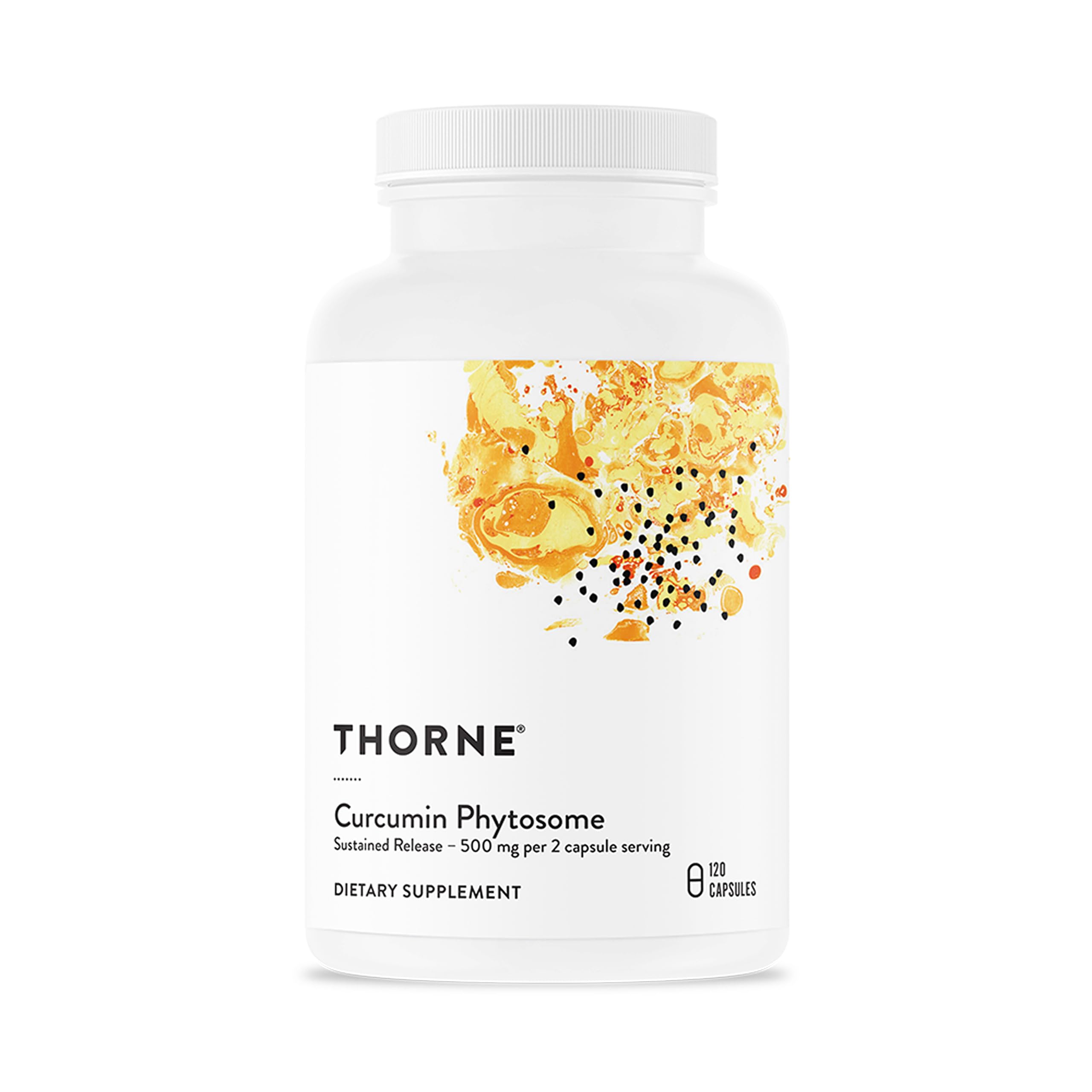
Curcumin: Meta-analyses suggest benefit for knee osteoarthritis pain and function compared with placebo, though heterogeneity and formulation issues remain. This illustrates that polyphenol-linked benefits can emerge in well-defined conditions despite bioavailability hurdles [Wang et al., Phytomedicine, 2021; Evidence: moderate].
Quercetin: Pooled analyses indicate small reductions in blood pressure, particularly at higher intakes and in hypertensive individuals, though results vary and bioavailability is also limited [Serban et al., British Journal of Nutrition, 2016; Evidence: moderate].
Traditional perspectives: polyphenol-rich plants in historical medicine
In Traditional Chinese Medicine, Hu Zhang (Polygonum cuspidatum, Japanese knotweed)—a major natural source of resveratrol—has been used for circulatory and inflammatory patterns for centuries [Pharmacopoeia of the People’s Republic of China; Evidence: traditional].
Grapes, teas, and turmeric have long-standing roles in Mediterranean, East Asian, and Ayurvedic traditions. These practices emphasize whole-plant matrices and habitual intake, which modern research increasingly considers when studying polyphenol bioactivity [Evidence: traditional].
What this means for interpreting the evidence
Low parent-compound bioavailability does not necessarily mean no biological effect; metabolites, tissue distribution, and indirect pathways complicate the picture [Evidence: moderate].
Mixed clinical outcomes may reflect who is studied (e.g., metabolic status), the form and matrix of resveratrol, background diet, and interindividual metabolism [Evidence: moderate].
Formulations that increase exposure are promising but require careful evaluation of safety and hard clinical endpoints, not just higher blood levels [Evidence: moderate].
Bottom line
Resveratrol’s rapid metabolism leads to low circulating parent compound, substantial interindividual variability, and metabolite-dominant exposure—key reasons why human trial results are mixed [Evidence: strong].
Some clinical signals—especially in metabolic dysfunction and acute cerebral blood flow—suggest potential benefits, but effects are often modest and context-dependent [Evidence: moderate to emerging].
The food matrix and formulation influence exposure, yet no single approach has consistently translated into robust clinical outcomes to date [Evidence: moderate].
Other polyphenols like EGCG, curcumin, and quercetin show more consistent benefits for specific endpoints, despite their own bioavailability challenges [Evidence: moderate].
Traditional systems have long used polyphenol-rich plants in whole-food or herb matrices, aligning with modern views that context and habit matter for bioactivity [Evidence: traditional].
As research advances, clarifying which forms, populations, and outcomes are most responsive—and whether metabolites or indirect mechanisms drive benefits—may help resolve the resveratrol paradox: strong lab promise, nuanced real-world impact.
This content is for informational purposes only and does not constitute medical advice. Always consult a qualified healthcare provider before starting, stopping, or changing any supplement or medication regimen.
Introduction
Resveratrol burst into public consciousness through the “French Paradox” in the 1990s: the observation that French populations consuming relatively high amounts of saturated fat had lower
Resveratrol. Trans-Resveratrol, Resveritrol. ## Overview
**Resveratrol** is a naturally occurring **polyphenol** found in grapes, red wine, peanuts, berries, and several medicinal plants, including *Polygonum cuspidatum* (Japanese knotweed), a common commercial source of supplemental resveratrol. It has attracted broad scientific and public i
Red Yeast Rice. Monascus Purpureus, Hong Qu. ## Overview
**Red yeast rice** is a fermented rice product made by culturing rice with the yeast *Monascus purpureus*. It has a long history in East Asia as both a food ingredient and a traditional health substance, and in modern supplement use it is most often discussed in relation to **cardiovasc
Overview
Time-restricted eating (TRE)—compressing daily food intake into a consistent window—has surged in popularity as a practical form of intermittent fasting. A central question is whether TRE mea
Introduction
[Coenzyme Q10 (CoQ10)](/supplements/coq10)—also known as ubiquinone in its oxidized form and ubiquinol in its reduced form—is a lipid-soluble molecule found in virtually every cell. It sh
Supplements for Heart Health: Evidence‑Based Options, Dosage & Safety. If you’re looking into supplements for heart health, you’re not alone. Many people want to know which nutrients can support cholesterol, blood pressure, triglycerides, heart rhythm, and overall cardiovascular resilience—without overpromising or overlooking risks. This guide reviews research-backed o