

Asthma and Allergies
Asthma and allergies frequently travel together and share underlying biology. Allergic (atopic) asthma is the most common asthma phenotype, driven by type 2 inflammation involving IgE, eosinophils, and cytokines such as IL‑4, IL‑5, and IL‑13. Allergic rhinitis (hay fever) coexists in roughly 50–80% of people with asthma, while 20–40% of those with allergic rhinitis have asthma. This “united airway” concept recognizes the nose, sinuses, and lungs as a single inflammatory system: exposure to allergens (dust mites, pollens, molds, animal dander, occupational sensitizers) can inflame both the upper and lower airways. Shared risk factors include atopy and family history, tobacco smoke, air pollution, viral respiratory infections in early life, indoor dampness/mold, and certain occupational exposures. Emerging influences include microbiome alterations, urbanization, and climate change extending pollen seasons. Clinically, allergic rhinitis can worsen asthma control, increase bronchial hyperresponsiveness, and raise exacerbation risk. Treating upper airway inflammation often improves asthma outcomes. Overlapping, evidence-based treatments include environmental allergen control; leukotriene receptor antagonists (for both nasal and bronchial symptoms); allergen immunotherapy (subcutaneous or sublingual), which reduces symptoms and medication needs for allergic rhinitis and can improve allergic asthma and may reduce progression from rhinitis to asthma in children; and biologics targeting IgE or type 2 pathways that benefit moderate-to-severe allergic or eosinophilic asthma and sometimes coexisting upper-airway disease. Antihistamines are effective for allergic rhinitis but minimally affect asthma; corticosteroids are route-specific—intranasal for rhinitis and inhaled for asthma—with some cross-benefit when both conditions are managed optimally. From a Western perspective, guidelines (GINA, NHLBI, ARIA) recommend systematic evaluation for comorbid allergic rhinitis in asthma
Updated September 8, 2026This content is for informational purposes only and does not constitute medical advice. Always consult a qualified healthcare provider before starting, stopping, or changing any supplement or medication regimen.
Shared Risk Factors
Atopy and IgE sensitization
Strong EvidenceGenetic and immunologic tendency to produce IgE to common allergens underpins allergic rhinitis and allergic asthma.
Family history of atopic disease
Strong EvidenceParental asthma, eczema, or hay fever increases risk via shared genetics and environment.
Environmental allergen exposure (dust mites, pollens, pets, molds, cockroach)
Strong EvidenceSensitization plus exposure triggers upper and lower airway inflammation.
Tobacco smoke (prenatal and secondhand)
Strong EvidenceIrritant and immunomodulatory effects increase airway inflammation and sensitization risk.
Air pollution (PM2.5, NO2, ozone)
Strong EvidencePromotes airway inflammation and may enhance allergenicity of pollens.
Early-life viral respiratory infections (e.g., rhinovirus, RSV)
Moderate EvidenceInteract with genetic susceptibility to program airway hyperresponsiveness and atopy.
Indoor dampness and mold
Moderate EvidenceFavors growth of allergenic molds; associated with wheeze and rhinitis.
Occupational sensitizers (isocyanates, flour, latex, animal proteins)
Strong EvidenceWorkplace exposures can induce rhinitis and asthma via IgE and non-IgE mechanisms.
Microbiome and early-life factors (C-section, antibiotics, farm exposure)
Emerging ResearchAltered microbial exposures shape immune tolerance and atopy risk.
Obesity and metabolic inflammation
Moderate EvidenceSystemic inflammation and mechanical effects worsen airway disease; allergy link less consistent.
Climate change (longer pollen seasons, increased pollen potency)
Emerging ResearchExtends exposure windows and allergen load.
Comorbidity Data
Prevalence
Allergic rhinitis co-occurs in approximately 50–80% of individuals with asthma, while 20–40% of those with allergic rhinitis have asthma. Comorbidity is higher in allergic (type 2) phenotypes and in children and young adults.
Mechanistic Link
Shared type 2 inflammatory pathways (IgE, Th2 cells, IL‑4/5/13), epithelial alarmins (TSLP, IL‑33), eosinophilia, and systemic inflammatory spillover connect the upper and lower airways. Neural reflexes and postnasal drainage may further influence bronchial hyperreactivity. Genetic predisposition to atopy and environmental exposures amplify both conditions.
Clinical Implications
Screen for and treat allergic rhinitis in asthma to improve control and reduce exacerbations; consider allergen immunotherapy in appropriate candidates; evaluate occupational and environmental exposures. Biologics targeting IgE and type 2 pathways may benefit patients with severe asthma and comorbid atopic disease.
Sources (3)
- ARIA (Allergic Rhinitis and its Impact on Asthma) guideline updates, Bousquet et al.
- GINA Global Strategy for Asthma Management and Prevention 2024
- NHLBI 2020 Focused Updates to the Asthma Management Guidelines
Overlapping Treatments
Environmental control and allergen avoidance
Moderate EvidenceReduces triggers and exacerbations in sensitized asthma.
Decreases rhinitis symptom burden and medication use.
Effect size varies; complete avoidance often impractical; prioritize high-impact measures (e.g., dust-mite covers, HEPA for pet dander if removal not feasible).
Corticosteroids (route-specific)
Strong EvidenceInhaled corticosteroids are first-line for persistent asthma, reducing symptoms and exacerbations.
Intranasal corticosteroids are first-line for moderate–severe allergic rhinitis.
Use appropriate route; treating rhinitis may modestly improve asthma control but does not replace ICS for asthma.
Leukotriene receptor antagonists (e.g., montelukast)
Moderate EvidenceImproves symptoms, exercise-induced bronchoconstriction; adjunct to ICS.
Reduces nasal congestion and overall rhinitis symptoms.
FDA boxed warning for serious neuropsychiatric events; reserve for patients who cannot tolerate or do not respond to first-line therapies.
Allergen immunotherapy (SCIT/SLIT)
Strong EvidenceImproves allergic asthma control, reduces exacerbations and medication needs in sensitized patients.
Strong benefit for allergic rhinitis; may prevent progression from rhinitis to asthma in children.
Requires confirmed sensitization and adherence; anaphylaxis risk with SCIT; SLIT safer but still requires epinephrine availability in some regions.
Anti-IgE biologic (omalizumab)
Strong EvidenceReduces exacerbations and improves control in moderate–severe allergic asthma.
Improves some allergic symptoms and chronic urticaria; may help seasonal rhinitis in sensitized patients.
Cost, injections, monitoring; anaphylaxis rare.
Anti–IL-4Rα biologic (dupilumab)
Strong EvidenceImproves lung function and reduces exacerbations in moderate–severe type 2 asthma.
Benefits comorbid atopic dermatitis and chronic rhinosinusitis with nasal polyps; may reduce rhinitis symptoms in type 2 disease.
Injection-site reactions, conjunctivitis; cost/access.
Antihistamines (oral, intranasal)
Strong EvidenceMinimal direct effect on bronchoconstriction; may help cough/postnasal drip when rhinitis is driver.
Effective for sneezing, itching, rhinorrhea (intranasal superior for congestion).
Prefer non-sedating second-generation agents; first-generation cause drowsiness and anticholinergic effects.
Mast cell stabilizers (cromolyn)
Moderate EvidenceLimited role today; may help mild exercise-induced or allergen-induced symptoms.
Intranasal/ocular cromolyn helps rhinitis/conjunctivitis with excellent safety.
Requires frequent dosing; less potent than steroids.
Saline nasal irrigation
Moderate EvidenceIndirect benefit by reducing postnasal drip and cough triggers.
Improves nasal symptoms and quality of life in rhinitis.
Use isotonic/sterile technique; adjunctive only.
Medical Perspectives
Two Ways of Seeing Health

Western
scientific · clinical
Western medicine applies science, technology, and clinical experience to treat symptoms through testing, diagnosis, and targeted intervention.
Surgeons · Pharmaceuticals · Clinical trials · Diagnostics 
Eastern
traditional · alternative
Eastern medicine focuses on treating the body naturally by applying traditional knowledge practiced for thousands of years, emphasizing balance and whole-person wellness.
Acupuncture · Herbal medicine · Yoga · Meditation
Gold Bamboo presents both perspectives side-by-side so you can make informed decisions. We don't advocate for one over the other — your health choices are yours.
Two Ways of Seeing Health
Western
scientific · clinical
Western medicine applies science, technology, and clinical experience to treat symptoms through testing, diagnosis, and targeted intervention.
Eastern
traditional · alternative
Eastern medicine focuses on treating the body naturally by applying traditional knowledge practiced for thousands of years, emphasizing balance and whole-person wellness.
Gold Bamboo presents both perspectives side-by-side so you can make informed decisions. We don't advocate for one over the other — your health choices are yours.
Western Perspective
Western medicine views asthma and allergies as manifestations of overlapping type 2 airway inflammation in a unified respiratory tract. Guidelines recommend routine assessment and integrated management of allergic rhinitis in patients with asthma, targeted allergen identification, and stepwise pharmacologic therapy including ICS for asthma, intranasal steroids for rhinitis, leukotriene modifiers, immunotherapy for disease modification, and biologics for severe type 2 disease.
Key Insights
- Upper- and lower-airway inflammation are biologically linked (united airway disease).
- Allergic rhinitis is a major, modifiable comorbidity in asthma.
- Allergen immunotherapy can improve both conditions and may prevent new-onset asthma in children with rhinitis.
- Biologics targeting IgE and type 2 pathways benefit severe asthma and selected comorbid atopic diseases.
Treatments
- Inhaled corticosteroids with as-needed reliever for asthma
- Intranasal corticosteroids and second-generation antihistamines for rhinitis
- Leukotriene receptor antagonists as adjuncts
- Allergen immunotherapy (SCIT/SLIT) when indicated
- Biologics (anti-IgE, anti–IL-4Rα, anti–IL-5/IL-5R for eosinophilic asthma)
- Environmental control and trigger mitigation
Deep Dive
In Western medicine, asthma and allergies are connected by a shared type 2 inflammatory program. Aeroallergen sensitization triggers IgE-mediate... In Western medicine, asthma and allergies are connected by a shared type 2 inflammatory program. Aeroallergen sensitization triggers IgE-mediated mast cell activation and downstream cytokines (IL‑4/5/13), recruiting eosinophils and driving both nasal and bronchial hyperresponsiveness. The epithelial barrier and innate alarmins (TSLP, IL‑33) prime this response. Clinically, patients with asthma and concomitant allergic rhinitis experience worse control and more exacerbations. Evidence supports integrated assessment: confirm sensitization with skin testing or specific IgE, address environmental exposures, and treat each airway compartment with route-specific anti-inflammatory therapy—intranasal steroids for rhinitis and inhaled steroids for asthma. Leukotriene modifiers provide cross-compartment relief, particularly for congestion and exercise-induced symptoms. Allergen immunotherapy alters disease course, improving symptoms and potentially preventing asthma onset in children with allergic rhinitis. For severe disease with type 2 biomarkers (eosinophils, FeNO, IgE), biologics such as omalizumab or dupilumab reduce exacerbations and improve quality of life. Addressing comorbidities (obesity, GERD, sinusitis), vaccination, and smoking cessation further consolidates control. The overall strategy is stepwise, biomarker- and risk-guided, and emphasizes the “united airway” approach to reduce total inflammatory load.
Sources
- GINA Global Strategy 2024
- NHLBI 2020 Focused Updates
- ARIA guideline updates (Bousquet et al.)
- EAACI Allergen Immunotherapy Guidelines 2017–2018
Eastern Perspective
Traditional East Asian medicine (e.g., Traditional Chinese Medicine, TCM) conceptualizes asthma (xiao chuan) and allergic rhinitis (bi yuan) as dysregulation of Lung, Spleen, and Kidney systems with external Wind triggers and internal phlegm and deficiency states. Ayurveda frames these as pranavaha srotas disorders with kapha/vaata imbalance and reduced ojas (immune resilience). Interventions aim to harmonize qi/dosha, reduce phlegm, and enhance defensive qi.
Key Insights
- Patterns include phlegm-damp or phlegm-heat obstructing the Lung and underlying qi/yang deficiency.
- Preventive tonification (e.g., Yu Ping Feng San) is used seasonally for recurrent allergic symptoms.
- Acupuncture may relieve allergic rhinitis symptoms; evidence for asthma is inconclusive.
Treatments
- Acupuncture for allergic rhinitis (e.g., LI20, Yintang, LI4, LU7; individualized)
- Herbal formulas: Yu Ping Feng San (Jade Windscreen) for prevention; Xiao Qing Long Tang or Ding Chuan Tang for cough/wheeze patterns (practitioner-guided)
- Ayurvedic approaches: nasya (medicated nasal therapy), steam inhalation, and rasayana herbs (e.g., guduchi) under supervision
Deep Dive
Eastern systems frame asthma and allergic rhinitis as imbalances of defensive and respiratory function with environmental Wind and phlegm obstru... Eastern systems frame asthma and allergic rhinitis as imbalances of defensive and respiratory function with environmental Wind and phlegm obstruction. Management pairs symptom relief with constitutional support. In TCM, acupuncture aims to free nasal passages, calm cough and wheeze, and modulate autonomic tone; RCTs suggest benefit for seasonal allergic rhinitis, whereas asthma outcomes remain uncertain. Herbal strategies differentiate patterns: Yu Ping Feng San to bolster wei qi before pollen seasons; warming, phlegm-resolving formulas (e.g., Xiao Qing Long Tang) for cold-phlegm wheeze; Ding Chuan Tang for phlegm-heat presentations. Ayurveda emphasizes clearing kapha, supporting agni, and restoring ojas through diet, nasya, steam, and rasayana herbs like guduchi, tailored to the individual. Safety and integration are paramount: quality control of botanicals, avoidance of herb–drug interactions, and coordination with guideline-based asthma care (e.g., continuing inhaled corticosteroids) are essential. For many, combining evidence-based conventional therapy with selected, low-risk Eastern modalities (e.g., acupuncture for rhinitis, saline irrigation, breathing practices) can reduce total symptom burden and medication needs while honoring patient preferences.
Sources
- Brinkhaus et al., Ann Intern Med 2013 (ACUSAR): acupuncture improved seasonal allergic rhinitis symptoms vs. sham
- Cochrane Review: Acupuncture for allergic rhinitis (low-to-moderate quality evidence)
- Cochrane Review: Acupuncture for asthma (insufficient evidence)
- Systematic reviews of Yu Ping Feng San for allergic rhinitis (variable quality, promising signals)
Evidence Ratings
Allergic rhinitis commonly coexists with asthma; managing rhinitis improves asthma control.
ARIA guidelines; GINA 2024
Allergen immunotherapy reduces symptoms in allergic rhinitis and improves allergic asthma; may prevent progression from rhinitis to asthma in children.
EAACI AIT Guidelines; PAT study and follow-ups
Anti-IgE (omalizumab) reduces exacerbations in moderate–severe allergic asthma.
Cochrane Review on omalizumab; randomized trials
Dupilumab (anti–IL-4Rα) improves lung function and reduces exacerbations in type 2 asthma and benefits upper-airway comorbidities.
NEJM trials of dupilumab in asthma and CRSwNP
Leukotriene receptor antagonists benefit both asthma (as add-on) and allergic rhinitis.
NHLBI 2020; meta-analyses of LTRAs
Antihistamines have little direct effect on bronchoconstriction in asthma but are effective for allergic rhinitis.
NHLBI 2020; ARIA guidelines
Early-life rhinovirus wheezing illnesses predict later asthma.
Prospective cohort studies (e.g., COAST)
Tobacco smoke exposure increases risk and severity of both asthma and allergic rhinitis.
GINA 2024; ARIA
Treating allergic rhinitis with intranasal corticosteroids can modestly improve asthma outcomes.
Systematic reviews of intranasal steroid impact on asthma control
Acupuncture can reduce allergic rhinitis symptoms; evidence for asthma benefit is inconclusive.
ACUSAR RCT; Cochrane reviews
Sources
- GINA. Global Strategy for Asthma Management and Prevention, 2024 report.
- NHLBI. 2020 Focused Updates to the Asthma Management Guidelines.
- Bousquet J, et al. ARIA (Allergic Rhinitis and its Impact on Asthma) guideline updates.
- EAACI Allergen Immunotherapy Guidelines (2017–2018).
- Möller C, et al. Allergen immunotherapy may prevent asthma in children with rhinoconjunctivitis (PAT study), J Allergy Clin Immunol, 2002/2006 follow-up.
- Cochrane Review: Omalizumab for asthma (multiple updates).
- Castro M, et al. Dupilumab efficacy in uncontrolled, moderate-to-severe asthma, N Engl J Med, 2018.
- Brinkhaus B, et al. Acupuncture in seasonal allergic rhinitis (ACUSAR), Ann Intern Med, 2013.
- Cochrane Reviews: Acupuncture for allergic rhinitis (2015) and for asthma (2017).
- FDA Drug Safety Communication: Boxed Warning for montelukast (2020).
Related Topics
Recommended Products
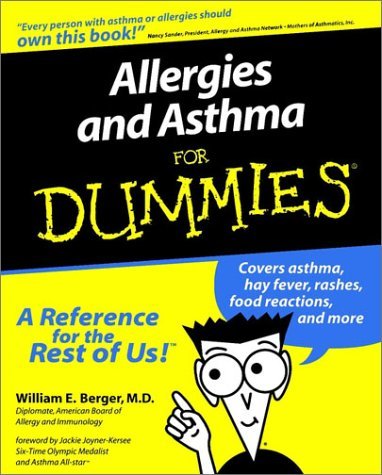
Allergies and Asthma For Dummies: Berger, William E.
If allergies make you wheeze, sneeze, drip, itch, puff, or droop, or if asthma makes you feel like an elephant is standing on your chest, you'll want to read Allergies and Asthma for Dummies. Aut

Coway Airmega AP-1512HH(W) True HEPA Purifier with Air Quality Monitoring, Auto, Timer, Filter Indicator, and Eco Mode, 16.8 x 18.3 x 9.7, White
COWAY Air Purifiers for Home Large Room Up to 1,860 ft², Washable Pre-Filter and HEPA Filter for Smoke, Allergies, Pet Dander, Odor, AQI, Smart & Rapid Mode, Timer, 3yr Warranty, Airmega 250 · AP-
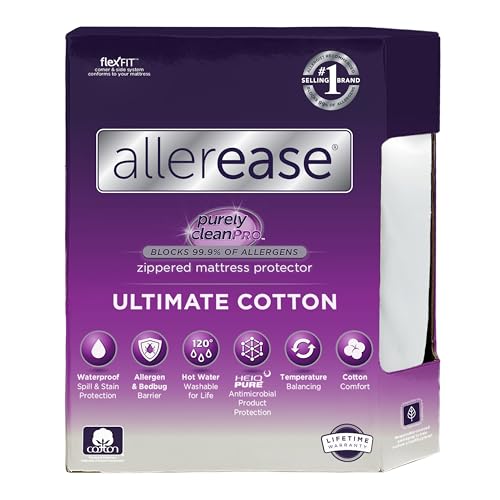
AllerEase Ultimate Allergy Protection and Comfort Zippered Mattress Protector, Queen
AllerEase is made with fabrics ... accumulating. ... <strong>Tightly-woven fabric zips closed to block 99.9% of household allergens—like pollen, pet dander, and dust mites—from collecting in your mat
Health Disclaimer
This content is for informational purposes only and does not constitute medical advice. Always consult a qualified healthcare provider before starting, stopping, or changing any supplement or medication regimen.