

Asthma
Overview
Asthma is a chronic inflammatory condition of the airways in which the bronchial tubes become overly responsive to triggers such as allergens, respiratory infections, exercise, smoke, cold air, and environmental irritants. This airway hyperresponsiveness can lead to wheezing, coughing, chest tightness, and shortness of breath, with symptoms that may vary over time and in intensity. During flare-ups, airway muscles constrict, the lining becomes inflamed, and mucus production can increase, narrowing airflow and making breathing more difficult.
Asthma affects children and adults worldwide and is one of the most common chronic respiratory conditions. Its impact ranges from mild intermittent symptoms to severe disease associated with frequent exacerbations, emergency care, and reduced quality of life. Public health burden remains substantial, particularly where access to diagnosis, inhaled medications, and environmental control is limited. Asthma often coexists with other allergic or inflammatory conditions, including allergic rhinitis, eczema, chronic sinus disease, and food allergy, reflecting shared immune and environmental influences.
From a biomedical standpoint, asthma is increasingly understood as a heterogeneous syndrome rather than a single disease. Different patterns of inflammation and symptom triggers are recognized, including allergic asthma, eosinophilic asthma, exercise-induced bronchoconstriction, occupational asthma, and virus-associated asthma. Genetic susceptibility, early-life exposures, air pollution, tobacco smoke, obesity, and social determinants of health may all shape risk and severity. For many people, asthma follows a relapsing-remitting course, with long symptom-free periods interrupted by episodes of worsening airway inflammation.
Across medical systems, asthma is viewed as a disorder involving both acute airway reactivity and longer-term imbalance. Conventional medicine emphasizes inflammation, bronchoconstriction, and trigger control, while traditional systems often describe patterns involving disrupted lung function, phlegm accumulation, impaired vitality, or imbalance in respiratory energy. Because symptoms can become serious quickly, asthma is widely regarded as a condition that warrants ongoing professional evaluation, especially when symptoms are frequent, worsening, or interfering with sleep and activity.
Compare Treatment Options
Asthma is a chronic inflammatory disease of the airways marked by variable symptoms such as wheezing, coughing, chest tightness, and shortness of breath. The airways become overly responsive to triggers like allergens, viral infections, exercise, smoke, cold air, pollution, and occupational irritants. Symptoms can fluctuate over time, and the same person may have long periods of stability followed by sudden worsening, sometimes called an exacerbation or flare. Diagnosis and treatment planning often draw on symptom patterns, trigger history, lung function testing such as spirometry, and the frequency of urgent medication use. Treatment options vary because asthma is not a single uniform condition. Some people have mild intermittent symptoms, while others have frequent attacks, allergic asthma, exercise-induced symptoms, or difficult-to-control disease with repeated steroid bursts or emergency care. Western care often focuses on airway inflammation control, bronchodilation, trigger reduction, and escalation based on severity. Eastern approaches may emphasize constitution, breathing regulation, stress response, and support for symptom burden or quality of life. A balanced review is useful because evidence strength differs across approaches, and the best fit often depends on symptom pattern, urgency, tolerance for medication risk, access, and whether the goal is quick relief, prevention, or broader supportive care.
View treatment comparison (6 options)Medical Perspectives
Two Ways of Seeing Health

Western
scientific · clinical
Western medicine applies science, technology, and clinical experience to treat symptoms through testing, diagnosis, and targeted intervention.

Eastern
traditional · alternative
Eastern medicine focuses on treating the body naturally by applying traditional knowledge practiced for thousands of years, emphasizing balance and whole-person wellness.
Gold Bamboo presents both perspectives side-by-side so you can make informed decisions. We don't advocate for one over the other — your health choices are yours.
Western Medicine Perspective
Western Medicine Perspective
In conventional medicine, asthma is defined as a chronic inflammatory airway disease with variable airflow limitation. Diagnosis is typically based on symptom history and supported by objective testing such as spirometry, bronchodilator responsiveness, peak flow variability, or bronchoprovocation when appropriate. Clinicians also assess exacerbation history, nighttime symptoms, trigger patterns, allergy status, occupational exposures, and related conditions such as rhinitis, gastroesophageal reflux, obesity, and anxiety. Contemporary guidelines emphasize that asthma exists on a spectrum and that underlying inflammatory patterns may differ between individuals.
Management in western medicine focuses on several broad principles: confirming the diagnosis, monitoring symptom control and lung function, reducing exposure to relevant triggers, and using therapies aimed at controlling inflammation and relieving bronchospasm. Research strongly supports the central role of inhaled anti-inflammatory therapy, particularly inhaled corticosteroid-based approaches, in reducing exacerbations and improving control for many patients. Additional options used in clinical practice may include bronchodilators, leukotriene-modifying agents, and in more severe cases, biologic therapies targeting specific immune pathways such as IgE, IL-5, IL-4/IL-13, or TSLP. Education on inhaler technique, adherence, and action planning is also considered a core component of care.
Western research also recognizes the importance of environmental and social factors in asthma outcomes. Indoor allergens, mold, tobacco smoke, combustion particles, workplace sensitizers, and outdoor air pollution are associated with poorer control in many populations. Severe exacerbations may be triggered by viral infections, especially in children, and by under-treated chronic inflammation. Because untreated or poorly controlled asthma can lead to hospitalization and, in rare cases, death, conventional medicine treats worsening respiratory symptoms as potentially significant and encourages timely medical assessment.
Eastern & Traditional Perspective
Eastern / Traditional Medicine Perspective
In Traditional Chinese Medicine (TCM), asthma-like conditions are often interpreted through patterns such as Lung qi deficiency, Kidney qi deficiency, invasion of wind-cold or wind-heat, and accumulation of phlegm or phlegm-heat obstructing the lungs. Symptoms are not viewed solely as a local airway problem but as reflecting broader imbalance in the body’s functional systems. Acute wheezing episodes may be associated with excess patterns such as phlegm and external pathogenic influence, while recurrent or longstanding asthma may be framed as an underlying deficiency affecting the Lung, Spleen, or Kidney systems. Traditional assessment typically considers cough quality, sputum, fatigue, digestion, sweating, tongue appearance, and pulse characteristics.
Within Ayurveda, asthma is commonly discussed in relation to Shwasa Roga, often involving imbalance in Vata and Kapha doshas. Wheezing, heaviness, congestion, and breathlessness may be interpreted as obstruction of respiratory channels by aggravated Kapha, combined with disturbed movement of Vata. Broader constitutional tendencies, digestion, environmental exposures, stress, and seasonal influences are often considered relevant. Traditional approaches may include individualized dietary principles, breathing practices, herbal formulations, and lifestyle measures intended to support respiratory balance, though practices vary widely by lineage and practitioner.
In naturopathic and integrative traditions, asthma is often approached through a whole-person lens, with attention to immune regulation, environmental triggers, stress, sleep, nutrition, and comorbid allergic disease. Modalities such as breathing retraining, mind-body practices, and certain herbal traditions have been explored as adjunctive supports. However, the evidence base is mixed, and high-quality studies do not support replacing standard asthma care with traditional therapies alone. Across traditional systems, it is commonly acknowledged that individuals with significant or escalating breathing difficulty benefit from evaluation by qualified healthcare professionals, particularly because acute asthma symptoms can become dangerous.
Related Topics
Allergies
Allergies — condition topic in the Gold Bamboo health ontology.
Eczema
Eczema — condition topic in the Gold Bamboo health ontology.
Gastroesophageal Reflux Disease
GERD — condition topic in the Gold Bamboo health ontology.
How They Relate
Asthma & Allergies
Asthma and allergies frequently travel together and share underlying biology. Allergic (atopic) asthma is the most common asthma phenotype, driven by type 2 inflammation involving IgE, eosinophils,...
Eczema (Atopic Dermatitis) & Asthma
Eczema (atopic dermatitis, AD) and asthma frequently coexist as part of the atopic spectrum. Epidemiologic studies show that people with AD have a higher risk of developing asthma, especially when ...
GERD & Asthma
GERD (gastroesophageal reflux disease) and asthma frequently coexist and can influence each other’s severity and management. Symptom-based studies suggest reflux complaints are very common in peopl...
Supplements & Products
Recommended Products
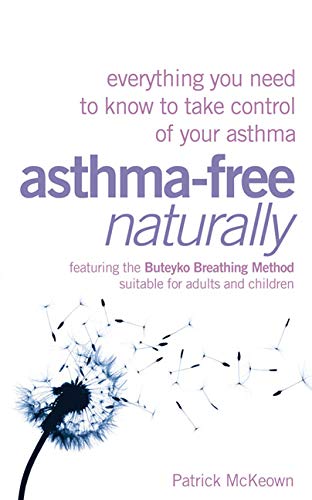
By Patrick McKeown - Asthma-Free Naturally: Everything You Need to Know to Take Control of Your Asthma: Patrick McKeown: Amazon.com
<strong>The Buteyko breathing method is the single most effective self-help treatment for asthma and can be used by adults and children</strong>. With the programme, asthma sufferers / stop persistent

Inhaler Spacer for Adults, Aerochamber Spacer with Comfortable Adult Face Mask, Spacer for Inhaler & MDI, Improves Pump & Aeroflow Chamber Delivery for Asthma, Blue
Our inhaler spacer <strong>features a mouthpiece and a detachable face mask that stays firmly in place with an airtight seal so you can breathe in the medicine without any risk of spillage or leakage<

Respironics Hs757-100 Disposable Oval Plastic Mouthpieces (100 Pack)
Includes 18 Ultrafines and 9 Reusable Filters (27 Total). CPAP Filters for Philips Respironics Dream Station 1 CPAP Machine ... Pack of 25 Disposable Mouthpieces (Compatible with Contec Spirometer SP1
Evidence & Sources
Supported by multiple clinical trials and systematic reviews
- Global Initiative for Asthma (GINA)
- National Heart, Lung, and Blood Institute (NHLBI)
- World Health Organization (WHO)
- National Institute of Allergy and Infectious Diseases (NIAID)
- American Thoracic Society
- European Respiratory Journal
- The New England Journal of Medicine
- Journal of Allergy and Clinical Immunology
- NCCIH (National Center for Complementary and Integrative Health)
This content is for informational purposes only and does not constitute medical advice. Always consult a qualified healthcare provider before starting, stopping, or changing any supplement or medication regimen.