

Alzheimer's Disease and Cardiovascular Disease
Alzheimer’s disease (AD) and cardiovascular disease (CVD) are tightly linked along a brain–heart axis. They share many modifiable risk factors—hypertension, diabetes, dyslipidemia, obesity, smoking, inactivity, sleep apnea, depression, social isolation, and exposure to air pollution—while aging and genetics (for example APOE ε4) contribute non‑modifiable risk. Vascular pathology commonly coexists with Alzheimer’s neuropathology; autopsy and imaging studies show that 50–80% of people with clinical AD also have cerebrovascular lesions. Epidemiologically, midlife vascular risks strongly predict later-life cognitive decline and dementia. The Lancet Commission estimates that addressing a suite of modifiable risks could delay or prevent roughly 40% of dementias. Mechanistically, CVD contributes to AD through small-vessel disease, endothelial dysfunction, impaired cerebral perfusion, blood–brain barrier disruption, and inflammation/oxidative stress. These processes can accelerate amyloid and tau pathology, hinder amyloid clearance along perivascular pathways, and produce white-matter injury. Specific CVD entities—hypertension, atrial fibrillation (AF), coronary disease, heart failure, and chronic kidney disease—each carry elevated dementia risk; AF is associated with a 30–40% higher dementia risk, partly via embolic injury and hypoperfusion. The overlap creates practical opportunities: what protects the heart often protects the brain. High-quality trials show that intensive blood-pressure control reduces mild cognitive impairment and slows white-matter disease, while multidomain lifestyle programs (diet, exercise, vascular risk control, cognitive training) improve or preserve cognition in at-risk older adults. Mediterranean/MIND-style diets, regular aerobic and resistance exercise, smoking cessation, weight management, sleep apnea treatment, hearing correction, and aggressive management of diabetes and lipids are foundational. For AF, oral anticoagulation prevents stroke
Updated September 8, 2026This content is for informational purposes only and does not constitute medical advice. Always consult a qualified healthcare provider before starting, stopping, or changing any supplement or medication regimen.
Shared Risk Factors
Age
Strong EvidenceAdvancing age is the strongest risk factor for AD and a major driver of CVD via vascular remodeling and cumulative exposure to risks.
Hypertension (especially midlife)
Strong EvidenceChronically elevated blood pressure damages small cerebral and systemic vessels, promoting ischemic injury and white-matter disease.
Type 2 diabetes/insulin resistance
Strong EvidenceMetabolic dysfunction promotes atherogenesis, inflammation, glycation, and microvascular disease.
Dyslipidemia
Moderate EvidenceElevated LDL-C and low HDL-C drive atherosclerosis; lipid metabolism intersects with APOE biology.
Obesity (midlife)
Moderate EvidenceAdiposity increases inflammation, insulin resistance, and vascular risk.
Smoking
Strong EvidenceAccelerates vascular injury and oxidative stress; increases thrombotic risk.
Physical inactivity/low fitness
Strong EvidenceReduces neurotrophic signaling and worsens vascular health.
Obstructive sleep apnea
Moderate EvidenceIntermittent hypoxia and sympathetic surges damage vessels and brain.
Depression/social isolation
Moderate EvidencePsychosocial stressors elevate inflammation and reduce healthy behaviors.
Hearing loss
Moderate EvidencePotential marker of shared vascular/inflammatory pathways and sensory deprivation.
Air pollution (PM2.5/NO2)
Emerging ResearchPromotes systemic and neuroinflammation and endothelial dysfunction.
Elevated homocysteine/B-vitamin deficiency
Moderate EvidenceEndothelial toxicity and prothrombotic effects.
APOE ε4 genotype
Moderate EvidenceAffects lipid transport, amyloid processing, and atherogenesis.
Comorbidity Data
Prevalence
Cerebrovascular lesions co-occur in ~50–80% of clinically diagnosed AD at autopsy; vascular risk factors (hypertension, diabetes, dyslipidemia) are present in a majority of AD patients. AF, CAD, or HF each confer ~1.3–2× higher risk of cognitive impairment/dementia; 25–50% of HF patients have measurable cognitive impairment.
Mechanistic Link
Vascular dysfunction (arteriolosclerosis, impaired vasoreactivity), chronic hypoperfusion, microinfarcts, and white-matter disease interact with amyloid/tau pathology. Endothelial and blood–brain barrier injury impair amyloid clearance; AF adds embolic events and reduced cardiac output. Systemic inflammation/oxidative stress and insulin resistance further propagate neurodegeneration.
Clinical Implications
Aggressive control of vascular risks can delay cognitive decline: manage BP, lipids, and diabetes; treat AF with anticoagulation when indicated; prioritize exercise, Mediterranean/MIND diet, smoking cessation, sleep apnea therapy, and hearing correction. Screen cognition in CVD patients and optimize secondary prevention after stroke/TIA.
Sources (5)
- Livingston G, et al. Lancet Commission on dementia prevention, intervention, and care (2020).
- Gorelick PB, et al. Vascular contributions to cognitive impairment and dementia. AHA/ASA Statement (Stroke).
- SPRINT MIND Investigators. NEJM 2019.
- FINGER Trial. Lancet 2015.
- Kalantarian S, et al. AF and dementia risk meta-analysis.
Overlapping Treatments
Blood pressure control (ACEi/ARB/CCB/thiazide; individualized targets)
Strong EvidenceReduces risk of MCI and slows white-matter disease; likely lowers dementia risk over time.
Strongly lowers stroke, MI, HF, and mortality.
Avoid hypotension in frail patients; monitor electrolytes/renal function.
Aerobic + resistance exercise (150–300 min/wk moderate + 2 days strength)
Strong EvidenceImproves executive function and may slow cognitive decline; enhances neurotrophic signaling and perfusion.
Improves BP, lipids, insulin sensitivity, weight, and cardiorespiratory fitness.
Tailor to comorbidities; start gradually.
Mediterranean/MIND-style diet
Moderate EvidenceObservationally linked to lower AD incidence and slower decline; small trials suggest modest benefit.
Reduces CVD events and improves risk factors.
RCT cognitive effects are mixed; focus on overall pattern adherence.
Smoking cessation
Strong EvidenceAssociated with lower dementia risk versus continued smoking.
Major reductions in CAD/stroke risk within 1–2 years.
Combine behavioral support and pharmacotherapy when appropriate.
Diabetes management (metformin, GLP‑1 RA, SGLT2i; diet)
Moderate EvidenceBetter glycemic control linked to slower cognitive decline; GLP‑1 RAs show neuroprotective signals (emerging).
Strong reductions in CVD events (especially with SGLT2i/GLP‑1 RA) and HF/renal benefits.
Avoid hypoglycemia; drug-specific contraindications and interactions.
Lipid management (statins ± ezetimibe/PCSK9i)
Moderate EvidenceStatins appear cognitively neutral overall; some studies suggest modest risk reduction.
Robust reduction in ASCVD events and mortality.
Use for ASCVD risk; not solely to prevent dementia.
AF stroke prevention (DOACs preferred when indicated)
Moderate EvidenceObservational data suggest lower dementia risk versus no anticoagulation (likely via stroke prevention).
Prevents ischemic stroke/systemic embolism with favorable safety profile vs warfarin.
Bleeding risk; ensure renal dosing and adherence.
Sleep apnea treatment (CPAP/mandibular devices; weight loss)
Emerging ResearchMay improve attention/executive function and slow decline in OSA; improves nocturnal oxygenation.
Lowers BP, AF burden, and cardiovascular symptoms.
Adherence is key; periodic re-titration needed.
Weight management (dietary quality, activity, possibly anti-obesity meds)
Moderate EvidenceMidlife weight reduction may lower later dementia risk via metabolic/vascular pathways.
Improves multiple CVD risks and outcomes.
Avoid rapid weight loss in frail elders; monitor sarcopenia.
Hearing assessment and correction (hearing aids/cochlear implants)
Moderate EvidenceACHIEVE trial shows slowed cognitive decline in high-risk older adults with hearing intervention.
Improves social engagement and may reduce sympathetic stress linked to CVD risk.
Benefit depends on adherence and appropriate fitting.
Medical Perspectives
Two Ways of Seeing Health

Western
scientific · clinical
Western medicine applies science, technology, and clinical experience to treat symptoms through testing, diagnosis, and targeted intervention.
Surgeons · Pharmaceuticals · Clinical trials · Diagnostics 
Eastern
traditional · alternative
Eastern medicine focuses on treating the body naturally by applying traditional knowledge practiced for thousands of years, emphasizing balance and whole-person wellness.
Acupuncture · Herbal medicine · Yoga · Meditation
Gold Bamboo presents both perspectives side-by-side so you can make informed decisions. We don't advocate for one over the other — your health choices are yours.
Two Ways of Seeing Health
Western
scientific · clinical
Western medicine applies science, technology, and clinical experience to treat symptoms through testing, diagnosis, and targeted intervention.
Eastern
traditional · alternative
Eastern medicine focuses on treating the body naturally by applying traditional knowledge practiced for thousands of years, emphasizing balance and whole-person wellness.
Gold Bamboo presents both perspectives side-by-side so you can make informed decisions. We don't advocate for one over the other — your health choices are yours.
Western Perspective
Western medicine recognizes vascular contributions to cognitive impairment and dementia (VCID) and substantial overlap between AD and CVD risk. Mixed Alzheimer’s–vascular pathology is common, and vascular risk modification is a central strategy to delay cognitive decline while preventing cardiovascular events.
Key Insights
- Midlife hypertension, diabetes, obesity, and smoking robustly predict later-life dementia and CVD.
- AF, CAD, HF, and CKD independently raise dementia risk via embolic injury, hypoperfusion, and inflammation.
- Intensive BP control reduces MCI and white-matter progression (SPRINT MIND).
- Multidomain lifestyle programs (FINGER) preserve cognition in at-risk elders.
- Statins are cardiovascularly beneficial and cognitively neutral to modestly protective; they do not worsen cognition.
- Hearing correction reduces rate of cognitive decline in high-risk older adults (ACHIEVE).
Treatments
- Evidence-based ASCVD risk reduction (BP, lipids, diabetes).
- Lifestyle: Mediterranean/MIND diet; structured aerobic/resistance exercise; smoking cessation.
- AF detection and anticoagulation when indicated.
- OSA screening/treatment; weight management; hearing assessment.
Deep Dive
From a Western biomedical standpoint, Alzheimer’s disease and cardiovascular disease share a common web of causation centered on vascular biolog... From a Western biomedical standpoint, Alzheimer’s disease and cardiovascular disease share a common web of causation centered on vascular biology. Long before symptoms arise, hypertension, diabetes, dyslipidemia, obesity, smoking, and inactivity reshape the endothelium, stiffen small arteries, and impair neurovascular coupling. These changes reduce cerebral perfusion, disrupt the blood–brain barrier, and impede perivascular clearance of amyloid-β, while systemic inflammation and insulin resistance accelerate tau and amyloid pathology. The result is mixed neuropathology—amyloid plaques and tau tangles superimposed on microinfarcts, lacunes, and white-matter hyperintensities. Clinical cohorts and autopsy series confirm this interaction: most older adults with dementia harbor both neurodegenerative and vascular lesions. Randomized evidence supports prevention leverage at the vascular level. Intensive blood-pressure control reduces mild cognitive impairment and slows white-matter disease (SPRINT MIND), and multidomain lifestyle programs (FINGER) maintain cognition in at-risk elders. Statins remain cornerstones for ASCVD risk without harming cognition; anticoagulation in atrial fibrillation prevents strokes and may lower dementia risk. Hearing correction and sleep apnea treatment add brain-health benefits. Practically, clinicians should embed brain-protective goals into standard CVD prevention: target guideline-concordant BP and lipids, screen and treat AF and OSA, prescribe aerobic/resistance exercise and Mediterranean/MIND diets, support smoking cessation and weight control, and assess hearing. These steps yield dual gains—fewer cardiovascular events now and delayed cognitive decline later.
Sources
- Livingston G, et al. Lancet Commission 2020.
- SPRINT MIND. NEJM 2019.
- FINGER Trial. Lancet 2015.
- AHA/ASA Statements on VCID and brain health.
- ACHIEVE Hearing RCT. NEJM 2023.
Eastern Perspective
Eastern traditions conceptualize brain–heart interdependence through circulatory, energetic, and mind–body lenses. In Traditional Chinese Medicine (TCM), cognitive decline often reflects phlegm-damp obstruction, blood stasis, and insufficiency of kidney essence affecting the ‘Sea of Marrow’ (brain) and Heart–Shen. Ayurveda emphasizes rasayana (rejuvenation), balance of doshas, and medhya (cognition-enhancing) botanicals; yoga and breathwork support autonomic balance and vascular health. Many Eastern modalities parallel Western lifestyle pillars—movement, stress reduction, sleep, and anti-inflammatory diets—and may modestly aid cognition and CVD risk when integrated safely.
Key Insights
- Qi/blood circulation and ‘blood stasis’ map onto endothelial/vascular dysfunction.
- Mind–body practices (tai chi, qigong, yoga, meditation) improve BP, fitness, mood, and sleep—factors relevant to brain and heart.
- Selected botanicals (e.g., Ginkgo biloba, Bacopa monnieri, Salvia miltiorrhiza) have preliminary evidence for cognitive or cardiovascular effects, but quality, dosing, and interactions vary.
- Acupuncture may modestly reduce BP and improve post-stroke cognition in some studies.
Treatments
- Tai chi/qigong for balance, BP, and executive function support.
- Yoga (postures/breathing/meditation) to lower BP and stress.
- Acupuncture for hypertension and cognitive symptoms (adjunctive).
- Herbals: Ginkgo biloba (EGb 761) for cognitive symptoms; Bacopa for memory; Salvia miltiorrhiza/Terminalia arjuna for circulatory support (with caution for interactions).
Deep Dive
Eastern medical systems frame the brain–heart relationship through circulation and mind–body balance. In TCM, cognitive decline often reflects p... Eastern medical systems frame the brain–heart relationship through circulation and mind–body balance. In TCM, cognitive decline often reflects phlegm-damp obstruction and blood stasis hindering nourishment of the brain’s ‘Sea of Marrow,’ compounded by kidney essence deficiency; the Heart governs the Shen (mind), so cardiac and mental vitality are interdependent. Ayurveda similarly emphasizes rasayana (rejuvenation) and medhya (cognition) within a lifestyle matrix of diet, movement, sleep, and stress regulation. Interventions that ‘move blood and qi’ or restore balance (tai chi, qigong, yoga, breathing practices, meditation) demonstrate measurable cardiovascular benefits—lower blood pressure, improved autonomic tone and fitness—and small-to-moderate cognitive gains in older adults and post-stroke patients. Selected botanicals—Ginkgo biloba (standardized EGb 761) for cognitive symptoms, Bacopa monnieri for memory, Salvia miltiorrhiza or Terminalia arjuna for circulatory support—have emerging but heterogeneous evidence and require careful attention to dosing, product quality, and drug–herb interactions (for example, ginkgo with anticoagulants). Acupuncture may modestly reduce blood pressure and aid post-stroke cognitive rehabilitation as an adjunct. Integrated care can align Eastern modalities with Western prevention: mind–body exercise to support cardiorespiratory fitness and executive function; sleep hygiene and breathwork for autonomic balance; anti-inflammatory, plant-forward dietary principles; and cautious, practitioner-guided use of botanicals alongside standard pharmacotherapy. This culturally responsive blend aims to enhance adherence, reduce vascular stressors, and support cognitive reserve while honoring safety and evidence constraints.
Sources
- Cochrane: Ginkgo biloba for dementia (uncertain/heterogeneous effects).
- Systematic reviews on tai chi/yoga reducing BP and improving cognition.
- Meta-analyses of acupuncture for hypertension/post-stroke cognitive impairment.
Evidence Ratings
Midlife hypertension increases late-life dementia risk and its control reduces cognitive decline.
SPRINT MIND (NEJM 2019); AHA/ASA statements; Lancet Commission 2020.
Multidomain lifestyle intervention preserves cognition in at-risk older adults.
FINGER Trial (Lancet 2015) and extension studies.
Atrial fibrillation is associated with ~30–40% higher dementia risk independent of stroke.
Kalantarian S, et al. Meta-analysis, Heart Rhythm/JACC EP.
Oral anticoagulation in AF is associated with lower dementia risk versus no anticoagulation.
Meta-analyses/observational cohorts (JAHA).
Statins do not increase dementia risk and may be modestly protective.
Cochrane review; large cohort/meta-analyses (JACC/Neurology).
Mediterranean/MIND dietary patterns are linked to lower AD risk.
Morris MC, et al. Alzheimer’s & Dementia; multiple cohorts.
Obstructive sleep apnea increases risk of cognitive decline; CPAP may improve cognition in affected patients.
Systematic reviews (Sleep Medicine Reviews).
Hearing intervention slows cognitive decline in high-risk older adults.
ACHIEVE Trial (NEJM 2023).
Air pollution exposure increases dementia risk.
Systematic reviews/cohorts (BMJ, Alzheimer’s & Dementia).
Sources
- Livingston G, et al. Dementia prevention, intervention, and care: 2020 report of the Lancet Commission. Lancet. 2020;396:413-446. https://www.thelancet.com/commissions/dementia-2020
- SPRINT MIND Investigators. Effect of Intensive Blood-Pressure Control on the Prevention of Mild Cognitive Impairment or Probable Dementia. N Engl J Med. 2019;380:240-249. https://www.nejm.org/doi/full/10.1056/NEJMoa1803164
- Ngandu T, et al. A 2-year multidomain intervention prevents cognitive decline in at-risk elderly people (FINGER). Lancet. 2015;385:2255-2263. https://www.thelancet.com/journals/lancet/article/PIIS0140-6736(15)60461-5/fulltext
- Gorelick PB, et al. Vascular contributions to cognitive impairment and dementia: A statement for healthcare professionals. Stroke. 2011;42:2672-2713 and updates. https://www.ahajournals.org/doi/10.1161/STR.0b013e3182299496
- AHA Presidential Advisory: Defining Optimal Brain Health in Adults. Stroke. 2017;48:e284–e303. https://www.ahajournals.org/doi/10.1161/STR.0000000000000148
- Kalantarian S, et al. Atrial fibrillation and cognitive decline/dementia: a meta-analysis. Heart Rhythm. 2013;10:1337–1344. https://doi.org/10.1016/j.hrthm.2013.05.014
- Friberg L, Rosenqvist M. Less dementia with oral anticoagulation in AF: observational data. Eur Heart J. 2018;39:453-460. https://doi.org/10.1093/eurheartj/ehx579
- Morris MC, et al. MIND diet associated with reduced incidence of Alzheimer’s disease. Alzheimer’s & Dementia. 2015;11:1007-1014. https://doi.org/10.1016/j.jalz.2014.11.009
- ACHIEVE Trial (Hearing intervention). N Engl J Med. 2023;389:1071-1080. https://www.nejm.org/doi/full/10.1056/NEJMoa2301441
- Richardson K, et al. Statins and cognitive function: systematic review/meta-analysis. Ann Intern Med. 2013;159:688-697; updated cohort/meta-analyses show neutrality. https://www.acpjournals.org/doi/10.7326/0003-4819-159-10-201311190-00007
- Cochrane Review: Ginkgo biloba for cognitive impairment and dementia. Cochrane Database Syst Rev. 2020. https://doi.org/10.1002/14651858.CD003120.pub7
- Yu J, et al. Tai chi for hypertension: systematic review/meta-analysis. J Altern Complement Med. 2020;26: 593-602. https://doi.org/10.1089/acm.2019.0447
- Cramer H, et al. Yoga for blood pressure: systematic review/meta-analysis. Am J Hypertens. 2018;31: 240–248. https://doi.org/10.1093/ajh/hpx176
- Leng Y, et al. Association of obstructive sleep apnea with dementia. Sleep Med Rev. 2017;36: 96–105. https://doi.org/10.1016/j.smrv.2016.10.004
- Peters R, et al. Air pollution and dementia: systematic review. J Alzheimers Dis. 2019;70:S145–S163. https://doi.org/10.3233/JAD-180631
- Schneider JA, et al. Mixed brain pathologies account for most dementia cases in community-dwelling older persons. Neurology. 2007;69:2197–2204. https://doi.org/10.1212/01.wnl.0000271090.28148.24
Related Topics
Recommended Products

The Alzheimer's Solution: A Breakthrough Program to Prevent and Reverse the Symptoms of Cognitive Decline at Every Age: Sherzai, Dean, Sherzai, Ayesha
Based on the largest clinical and observational study to date, neurologists and codirectors of the Brain Health and Alzheimer’s Prevention Program at Loma Linda University Medical Center, Drs. Dean an
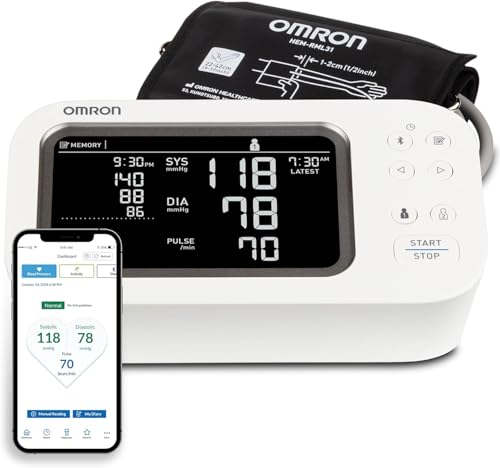
OMRON Platinum Blood Pressure Monitor for Home Use & Upper Arm Blood Pressure Cuff - #1 Doctor & Pharmacist Recommended Brand - Clinically Validated - AFib Detection - Connect App
CONFIDENCE IN EVERY READING: Monitor your heart health with the OMRON Platinum Upper Arm Blood Pressure Monitor's <strong>Advanced Accuracy with AFib Detection Technology</strong>; Store up to 10
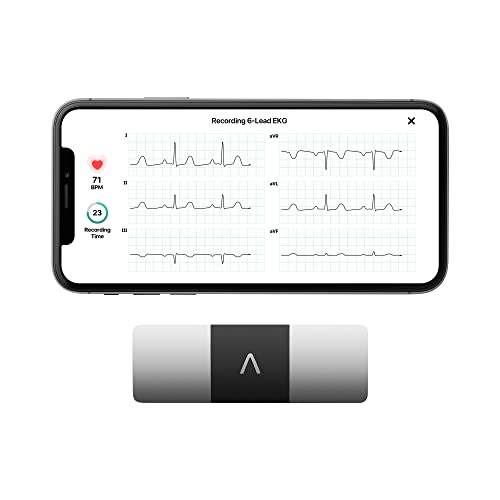
KardiaMobile 6-Lead Personal EKG Monitor – Six Views of ...
Stay on top of your health with heart rate monitors that provide accurate real-time data, seamless device integration, and long-lasting battery life.
Health Disclaimer
This content is for informational purposes only and does not constitute medical advice. Always consult a qualified healthcare provider before starting, stopping, or changing any supplement or medication regimen.