

Alzheimer's Disease
Overview
Alzheimer's disease is a progressive neurodegenerative condition and the most common cause of dementia. It is characterized by a gradual decline in memory, language, reasoning, orientation, and the ability to perform everyday activities. Over time, behavioral and psychological changes may also emerge, including apathy, agitation, sleep disturbance, anxiety, or depression. Although mild forgetfulness can occur with normal aging, Alzheimer's disease involves persistent and worsening impairment that goes beyond typical age-related changes.
Globally, Alzheimer's disease represents a major public health challenge because of aging populations and the substantial impact on patients, families, caregivers, and healthcare systems. Risk increases with age, but it is not considered an inevitable part of aging. Genetics, vascular health, metabolic factors, head injury history, sleep quality, hearing loss, social isolation, and broader lifestyle factors are all being studied as contributors to risk. Research also suggests that Alzheimer's disease begins developing years, and sometimes decades, before symptoms become obvious.
From a biological standpoint, Alzheimer's disease has traditionally been associated with the accumulation of beta-amyloid plaques outside nerve cells and tau tangles inside neurons, along with inflammation, synaptic dysfunction, and progressive brain cell loss. Brain regions involved in memory and learning, especially the hippocampus and related cortical areas, are often affected early. However, the disease is increasingly understood as multifactorial rather than driven by a single pathway alone.
Because Alzheimer's disease develops gradually and overlaps with other causes of cognitive decline, evaluation typically involves a broad clinical picture rather than one symptom or test alone. Many experts emphasize the importance of early assessment, caregiver support, and individualized care planning. People with memory concerns or functional decline are generally best served by evaluation from qualified healthcare professionals, since other medical, neurological, psychiatric, or medication-related issues can mimic or worsen dementia symptoms.
Medical Perspectives
Two Ways of Seeing Health

Western
scientific · clinical
Western medicine applies science, technology, and clinical experience to treat symptoms through testing, diagnosis, and targeted intervention.

Eastern
traditional · alternative
Eastern medicine focuses on treating the body naturally by applying traditional knowledge practiced for thousands of years, emphasizing balance and whole-person wellness.
Gold Bamboo presents both perspectives side-by-side so you can make informed decisions. We don't advocate for one over the other — your health choices are yours.
Western Medicine Perspective
Western / Conventional Medicine Perspective
In conventional medicine, Alzheimer's disease is understood as a progressive brain disorder defined by characteristic changes in cognition, function, and brain pathology. Diagnosis is based on clinical history, cognitive testing, functional assessment, neurological evaluation, and, when appropriate, laboratory testing and brain imaging to help exclude other causes. In some settings, biomarkers such as amyloid PET imaging or cerebrospinal fluid markers may be used to support diagnosis, especially in earlier or atypical presentations. Increasingly, blood-based biomarkers are also being studied as tools for screening and diagnostic support.
Conventional management generally focuses on several domains: confirming diagnosis, identifying coexisting conditions, addressing safety and daily functioning, and supporting caregivers. Commonly used prescription medications may modestly help symptoms in some individuals by targeting neurotransmitter systems, while newer disease-modifying therapies aim to reduce amyloid burden in selected patients with early-stage disease. Research suggests these newer therapies may slow decline in certain populations, though they also involve important limitations, monitoring needs, cost considerations, and ongoing debate about real-world benefit. Nonpharmacologic care remains central and may include structured routines, environmental adjustments, cognitive engagement, sleep support, physical activity, and management of hearing, vision, vascular risk, and mood symptoms.
Western medicine also places increasing emphasis on risk reduction and prevention science. Studies indicate that controlling blood pressure, diabetes, smoking, inactivity, sleep disorders, and other modifiable factors may influence long-term cognitive health, even though no single intervention is considered a guaranteed preventive strategy. Because Alzheimer's disease often coexists with vascular brain injury or other neurodegenerative processes, comprehensive medical assessment is considered important. Clinicians generally encourage individualized care plans developed in consultation with neurologists, geriatricians, primary care clinicians, and other specialists as needed.
Eastern & Traditional Perspective
Eastern / Traditional Medicine Perspective
In Traditional Chinese Medicine (TCM), cognitive decline resembling Alzheimer's disease is not historically defined by the modern biomedical label, but symptoms such as memory loss, confusion, reduced mental clarity, and behavioral changes have often been interpreted through patterns involving the Kidneys, Heart, Liver, Spleen, and the balance of essence, marrow, phlegm, and blood circulation. Traditional frameworks may describe decline as related to kidney essence deficiency, phlegm misting the mind, blood stasis obstructing the channels, or insufficiency of heart and spleen nourishment. Approaches have traditionally included individualized herbal formulas, acupuncture, dietary adjustment, movement practices such as tai chi or qigong, and broader efforts to support sleep, emotional balance, and vitality.
In Ayurveda, symptoms associated with age-related cognitive decline may be discussed under concepts involving disturbed vata, depletion of ojas, and impaired mental clarity. Traditional approaches have included medhya rasayana herbs, lifestyle regularity, oil-based therapies, breath practices, meditation, and nourishment aimed at supporting memory, calmness, and resilience in aging. In naturopathic and integrative traditions, attention is often given to whole-person factors such as inflammation, oxidative stress, nutrition, sleep, stress, digestion, and social connectedness.
Modern research into eastern and traditional approaches for Alzheimer's disease is growing but remains mixed. Studies have investigated acupuncture, tai chi, mindfulness-based practices, and herbal compounds for cognition, behavior, quality of life, caregiver stress, and functional outcomes. Some findings are promising, particularly for supportive care and symptom burden, but the evidence is often limited by small sample sizes, variable methodology, inconsistent formulations, and difficulties standardizing traditional diagnostic frameworks. For that reason, these approaches are generally viewed as complementary areas of interest rather than established replacements for conventional evaluation and dementia care. Any integration of traditional therapies is best discussed with qualified healthcare professionals, especially because herb-drug interactions, frailty, and coexisting medical conditions may affect safety.
How They Relate
Alzheimer's Disease & Cardiovascular Disease
Alzheimer’s disease (AD) and cardiovascular disease (CVD) are tightly linked along a brain–heart axis. They share many modifiable risk factors—hypertension, diabetes, dyslipidemia, obesity, smoking...
Supplements & Products
Recommended Products
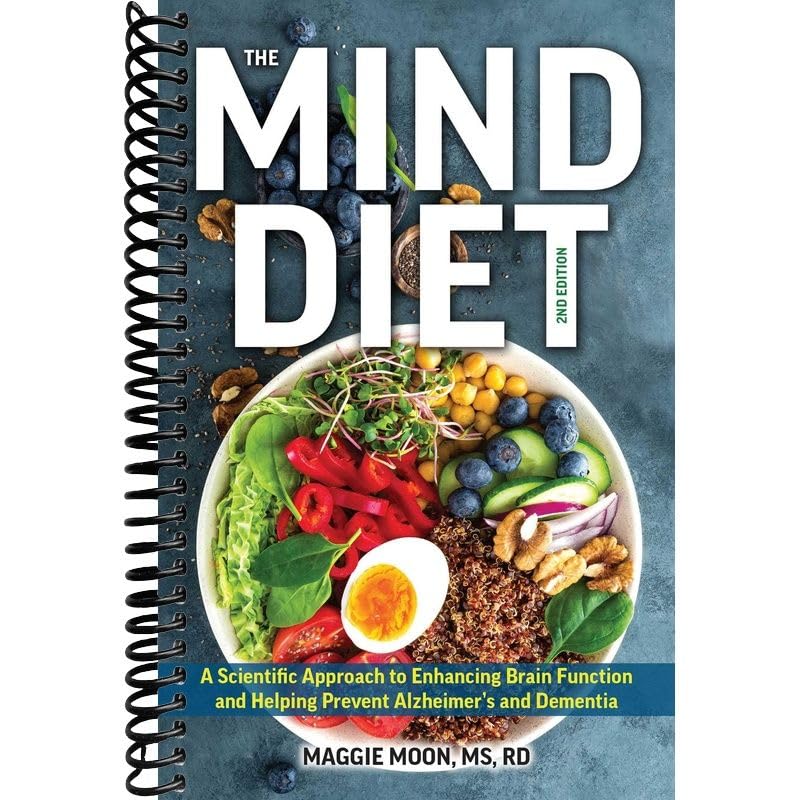
The MIND Diet: 2nd Edition: A Scientific Approach to Enhancing Brain Function and Helping Prevent Alzheimer's and Dementia, Fully Updated with New ... Tips and Tools Based on the Latest Research: Moon, Maggie
Taking care of yourself doesn’t ... The MIND Diet, 2nd Edition <strong>uses accessible, easy-to-follow guidance to explain the science behind improving brain function through diet and lifestyle change

Nature's Way Ginkgold Advanced Ginkgo Extract, Supplements for Support of Memory and Focus*, Ginkgo Biloba Extract, Supports Focus & Cognitive Function*, 150 Tablets (Packaging May Vary)
NOW Supplements, Ginkgo Biloba 120 mg, Double Strength, Non-GMO Project Verified, 200 Veg Capsules ... Brief content visible, double tap to read full content. Full content visible, double tap to read

Doctors Best Bacopa with Synapsa, Supports Cognitive Performance, Non-GMO, Gluten Free, Soy Free, Vegan 60 Veggie Caps
Bacopa monnieri whole plant extract (from Synapsa, standardized to 55% Bacosides) 320 mg, Modified cellulose (vegetarian capsule), microcrystalline cellulose, silicon dioxide, magnesium stearate (vege
Evidence & Sources
Promising research with growing clinical support from multiple studies
- National Institute on Aging (NIA)
- Alzheimer's Association
- World Health Organization (WHO)
- National Institute for Health and Care Excellence (NICE)
- The Lancet Commission on dementia prevention, intervention, and care
- New England Journal of Medicine
- Nature Reviews Neurology
- National Center for Complementary and Integrative Health (NCCIH)
This content is for informational purposes only and does not constitute medical advice. Always consult a qualified healthcare provider before starting, stopping, or changing any supplement or medication regimen.