

Liver Cirrhosis
Overview
Liver cirrhosis is a chronic, progressive condition in which normal liver tissue is gradually replaced by scar tissue (fibrosis) and regenerative nodules, altering the organ’s structure and impairing its function. Because the liver plays central roles in metabolism, detoxification, hormone regulation, bile production, immune signaling, and nutrient storage, cirrhosis can affect nearly every body system. It is generally considered the end stage of many long-standing liver diseases rather than a single disease entity on its own.
Common causes include chronic viral hepatitis (especially hepatitis B and C), alcohol-associated liver disease, and metabolic dysfunction–associated steatotic liver disease (previously often discussed as nonalcoholic fatty liver disease and nonalcoholic steatohepatitis). Other causes include autoimmune hepatitis, cholestatic diseases such as primary biliary cholangitis and primary sclerosing cholangitis, inherited disorders such as hemochromatosis and Wilson disease, chronic toxin exposure, and certain vascular or cardiac conditions. Globally, cirrhosis remains a major cause of illness and mortality, with burden varying by region according to alcohol use patterns, viral hepatitis prevalence, and rates of obesity and diabetes.
Cirrhosis may remain compensated for years, meaning the liver is significantly scarred but still able to perform many of its essential functions. Over time, some patients progress to decompensated cirrhosis, marked by serious complications such as ascites, jaundice, variceal bleeding, hepatic encephalopathy, spontaneous bacterial peritonitis, hepatorenal syndrome, and increased risk of hepatocellular carcinoma. Research suggests that earlier identification of underlying liver injury and management of drivers such as alcohol exposure, viral hepatitis, or metabolic disease may slow progression in some individuals.
The condition is clinically significant not only because of liver failure risk, but also because cirrhosis reflects a broader systemic process involving inflammation, altered circulation, immune dysfunction, nutritional compromise, and changes in the gut-liver axis. From a public health standpoint, cirrhosis is increasingly understood as both a hepatology issue and a metabolic, infectious disease, and lifestyle-related condition. Any discussion of cirrhosis benefits from medical oversight, since disease stage, cause, and complication profile strongly influence prognosis and care planning.
Compare Treatment Options
Fatty liver disease refers to excess fat buildup in the liver. In current clinical language, the most common form is often called metabolic dysfunction–associated steatotic liver disease (MASLD), previously known as nonalcoholic fatty liver disease (NAFLD). It exists on a spectrum: some people have simple fat accumulation with little immediate injury, while others develop inflammation, liver cell damage, and progressive scarring (fibrosis). Fatty liver can also be related to alcohol use, certain medications, rapid weight change, or overlapping metabolic conditions such as insulin resistance, type 2 diabetes, elevated triglycerides, and central obesity. Treatment options vary because the condition itself varies. A person with mild steatosis and no fibrosis may focus mainly on metabolic risk reduction, while someone with elevated liver enzymes, diabetes, or signs of fibrosis may need more structured medical follow-up and a broader treatment plan. Western care often emphasizes weight loss, exercise, cardiometabolic treatment, and selected medications in appropriate patients. Eastern and integrative approaches may include acupuncture, traditional herbal formulas, and food-based strategies aimed at digestion, inflammation, and metabolic balance. As with related Gold Bamboo content on Nonalcoholic Fatty Liver Disease and Natural Remedies for NAFLD, the most useful approach is often individualized and grounded in both safety and evidence quality.
View treatment comparison (6 options)Medical Perspectives
Two Ways of Seeing Health

Western
scientific · clinical
Western medicine applies science, technology, and clinical experience to treat symptoms through testing, diagnosis, and targeted intervention.

Eastern
traditional · alternative
Eastern medicine focuses on treating the body naturally by applying traditional knowledge practiced for thousands of years, emphasizing balance and whole-person wellness.
Gold Bamboo presents both perspectives side-by-side so you can make informed decisions. We don't advocate for one over the other — your health choices are yours.
Western Medicine Perspective
Western Medicine Perspective
In conventional medicine, cirrhosis is understood as the result of repeated liver injury and wound-healing responses that lead to excess collagen deposition, architectural distortion, and portal hypertension. Diagnosis typically integrates clinical history, laboratory testing, imaging, and sometimes elastography or biopsy. Clinicians distinguish between compensated and decompensated disease, often using prognostic frameworks such as the Child-Pugh score and MELD score to assess severity and risk. Surveillance for complications is central, particularly screening for esophageal varices and hepatocellular carcinoma.
Conventional management focuses on identifying and addressing the underlying cause while monitoring for complications. This may include antiviral therapy for hepatitis B or C, management of alcohol-related liver disease, treatment of autoimmune or cholestatic liver disorders, and broader metabolic risk reduction in steatotic liver disease. Supportive care often includes attention to nutrition, vaccination, infection prevention, medication safety, and avoidance of substances that may worsen hepatic injury. Studies indicate that patients with cirrhosis are especially vulnerable to drug toxicity, bleeding risk, kidney dysfunction, and infections because of altered metabolism and immune changes.
When cirrhosis progresses, management becomes complication-focused: portal hypertension, fluid retention, encephalopathy, renal impairment, and malignancy risk are major concerns. In advanced cases, liver transplantation is the definitive conventional treatment for selected patients with end-stage disease or certain liver cancers. From the western perspective, cirrhosis is one of the best-characterized chronic liver conditions in terms of pathophysiology and prognosis, though outcomes vary considerably depending on cause, comorbidities, and access to specialist care.
Eastern & Traditional Perspective
Eastern and Traditional Medicine Perspective
In Traditional Chinese Medicine (TCM), liver cirrhosis is not historically categorized by modern pathology terms, but its symptom patterns may be interpreted through frameworks such as Liver qi stagnation, blood stasis, damp-heat accumulation, Spleen deficiency, and Kidney deficiency. Abdominal distension, edema, fatigue, poor appetite, jaundice, and mental clouding may be viewed as signs of broader disharmony involving the Liver, Spleen, and Kidney systems. Traditional approaches have often aimed to “move blood,” resolve stasis, clear dampness, support digestion, and restore systemic balance rather than target scar tissue directly in a biomedical sense.
In Ayurveda, presentations resembling chronic liver disease may be discussed in relation to disturbances of pitta, impaired agni (digestive/metabolic fire), accumulation of ama (metabolic waste), and later depletion of tissue vitality. The liver is often linked with blood, digestion, and transformation processes, and traditional approaches may emphasize constitution, digestion, detoxification concepts, and systemic nourishment. Naturopathic and other traditional systems similarly tend to frame cirrhosis within whole-body imbalance, toxin burden, inflammatory load, digestion, and resilience.
Research on traditional and integrative approaches for cirrhosis is mixed and generally less robust than the evidence base for conventional hepatology care. Some studies have explored herbal formulas, acupuncture, and supportive integrative strategies for symptoms, quality of life, or laboratory markers, but findings are often limited by small samples, heterogeneous methods, and variable product quality. An important caveat is that many herbs and supplements are metabolized by the liver, and some have been associated with herb-induced liver injury or interactions with medications used in cirrhosis. For that reason, traditional therapies in this area are generally discussed most safely in coordination with qualified healthcare professionals familiar with liver disease.
Related Topics
Hepatitis
Hepatitis — condition topic in the Gold Bamboo health ontology.
Portal Hypertension
Portal Hypertension — condition topic in the Gold Bamboo health ontology.
How They Relate
Hepatitis & Liver Cirrhosis
Hepatitis (inflammation of the liver) and liver cirrhosis (advanced scarring with architectural distortion and portal hypertension) are tightly linked along a causal continuum. Persistent hepatic i...
Liver Cirrhosis & Portal Hypertension
Liver cirrhosis is advanced scarring of the liver from chronic injury (commonly long-term alcohol use, chronic viral hepatitis B or C, and nonalcoholic steatohepatitis/NASH). Portal hypertension is...
Supplements & Products
Recommended Products
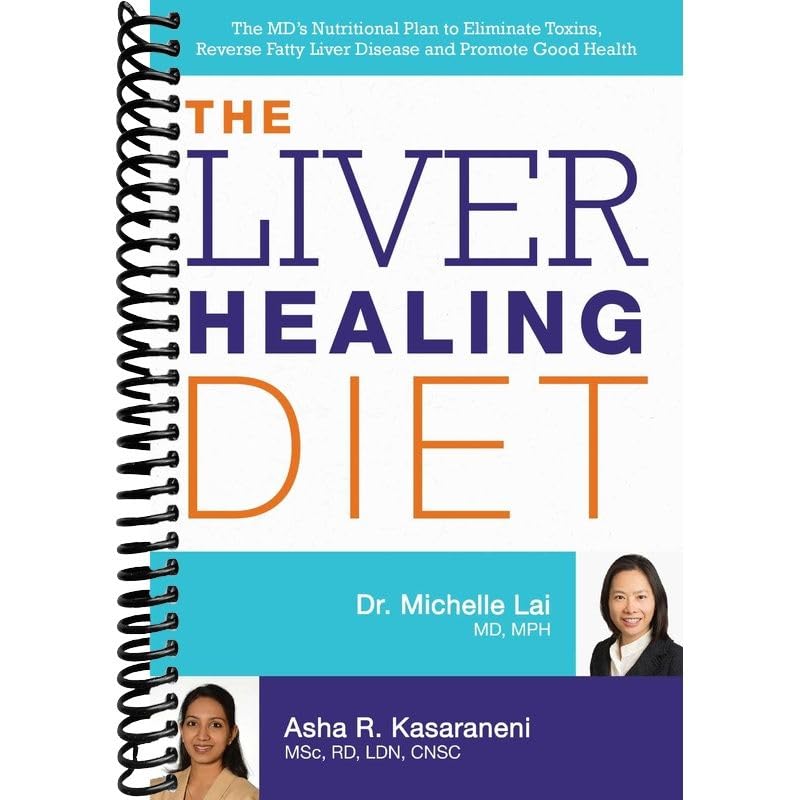
The Liver Healing Diet: The MD's Nutritional Plan to Eliminate Toxins, Reverse Fatty Liver Disease and Promote Good Health: Lai, Dr. Michelle, Kasaraneni, Asha
The Liver Healing Diet: <strong>The MD's Nutritional Plan to Eliminate Toxins, Reverse Fatty Liver Disease and Promote Good Health</strong> [Lai, Dr. Michelle, Kasaraneni, Asha] on Amazon.com. *F

Jarrow Formulas Milk Thistle Supplement 150 mg. 30:1 Milk Thistle Extract Standardized to 80% Total Flavonoids, Dietary Supplement for Liver Function Support, 200 Veggie Capsules, Up to 200 Day Supply
Dietary supplement with 150 mg of Milk Thistle Seed Extract <strong>supports Glutathione levels to support liver function</strong>. Each serving supplies a standardized 30:1 Milk Thistle extract with
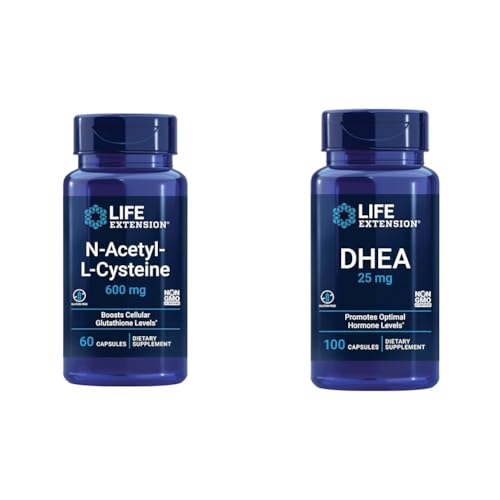
Life Extension N-Acetyl-L-Cysteine (NAC), Immune, Respiratory, Liver Health, NAC 600 mg, Potent antioxidant Support, Free-radicals, Easy to Absorb, 60 Capsules
<strong>Each NAC capsule delivers 600 mg of this powerful, rapidly absorbed nutrient</strong>. NAC is a powerful free radical scavenger and helps you combat everyday oxidative stress. NAC replenishes
Evidence & Sources
Promising research with growing clinical support from multiple studies
- World Health Organization (WHO)
- National Institute of Diabetes and Digestive and Kidney Diseases (NIDDK)
- American Association for the Study of Liver Diseases (AASLD)
- European Association for the Study of the Liver (EASL)
- The Lancet
- New England Journal of Medicine
- Journal of Hepatology
- Hepatology
- National Center for Complementary and Integrative Health (NCCIH)
This content is for informational purposes only and does not constitute medical advice. Always consult a qualified healthcare provider before starting, stopping, or changing any supplement or medication regimen.