

Hepatitis
Overview
Hepatitis refers to inflammation of the liver, an organ central to metabolism, detoxification, hormone processing, and the production of proteins involved in blood clotting and digestion. Hepatitis can arise from several causes, including viral infections (most notably hepatitis A, B, C, D, and E), alcohol-related liver injury, nonalcoholic fatty liver disease, autoimmune disease, medications or toxins, and certain metabolic disorders. The condition may be acute and short-lived or chronic, persisting for months to years and potentially progressing to fibrosis, cirrhosis, liver failure, or liver cancer.
Globally, viral hepatitis remains a major public health issue. The World Health Organization identifies hepatitis B and hepatitis C as especially significant because they can become chronic and contribute substantially to long-term liver disease and hepatocellular carcinoma. Hepatitis A and E are more commonly associated with acute infection, often linked to contaminated food or water, while hepatitis D occurs only in people with hepatitis B infection. Many individuals with hepatitis have few or no symptoms, particularly in early stages, which is one reason liver injury may go unrecognized until complications appear.
Symptoms, when present, can include fatigue, nausea, abdominal discomfort, jaundice, dark urine, pale stools, itching, poor appetite, and malaise. However, symptom patterns vary widely depending on the cause and the degree of liver inflammation. Diagnosis generally involves a combination of medical history, physical examination, liver enzyme testing, bilirubin levels, viral serologies, autoimmune markers, imaging, and sometimes liver fibrosis assessment or biopsy. Because the term "hepatitis" describes a process rather than a single disease, understanding the underlying cause is central to medical evaluation.
From a broader health perspective, hepatitis is significant not only because of liver-related complications but also because chronic liver inflammation can affect overall health, including nutrition, immune function, and quality of life. Public health strategies such as vaccination, blood screening, sanitation, safer injection practices, and antiviral therapies have greatly changed the outlook for many forms of hepatitis. Even so, access to screening and care remains uneven globally, and many cases continue to be diagnosed late. Any concern about hepatitis warrants evaluation by a qualified healthcare professional, especially because symptoms can overlap with many other liver and gastrointestinal conditions.
Medical Perspectives
Two Ways of Seeing Health

Western
scientific · clinical
Western medicine applies science, technology, and clinical experience to treat symptoms through testing, diagnosis, and targeted intervention.

Eastern
traditional · alternative
Eastern medicine focuses on treating the body naturally by applying traditional knowledge practiced for thousands of years, emphasizing balance and whole-person wellness.
Gold Bamboo presents both perspectives side-by-side so you can make informed decisions. We don't advocate for one over the other — your health choices are yours.
Western Medicine Perspective
Western Medicine Perspective
In conventional medicine, hepatitis is understood primarily through its cause, pattern of liver injury, and risk of progression. Clinicians distinguish among viral, toxic, drug-induced, autoimmune, alcohol-related, and metabolic forms of hepatitis. Viral hepatitis is defined by specific pathogens: hepatitis A and E are generally acute enterically transmitted infections; hepatitis B, C, and D can cause chronic infection and are closely monitored because of their association with cirrhosis and liver cancer. Laboratory testing often includes ALT, AST, alkaline phosphatase, bilirubin, albumin, INR, and cause-specific studies such as HBsAg, anti-HCV, HCV RNA, or autoimmune antibody panels.
Conventional care emphasizes accurate diagnosis, staging of liver damage, monitoring for complications, and cause-specific management. Research has established that direct-acting antivirals can cure most hepatitis C infections, while long-term antiviral therapy can suppress hepatitis B and reduce the risk of progression in selected patients. Vaccines are available for hepatitis A and B, representing a major preventive advance. In severe or chronic disease, clinicians may also assess for portal hypertension, cirrhosis, and hepatocellular carcinoma using imaging and surveillance strategies. Drug-induced and alcohol-related hepatitis are approached by identifying and removing the precipitating exposure when possible, while autoimmune hepatitis is typically evaluated in the context of immune-mediated liver injury.
Western medicine also recognizes hepatitis as part of a larger liver disease continuum. For example, inflammation related to metabolic dysfunction-associated steatotic liver disease may resemble or coexist with other forms of hepatitis. Because liver disease can remain silent for long periods, screening of higher-risk populations and early laboratory evaluation are considered important public health measures. Consultation with licensed healthcare providers is important for interpretation of testing, assessment of severity, and discussion of appropriate evidence-based care pathways.
Eastern & Traditional Perspective
Eastern and Traditional Medicine Perspective
In Traditional Chinese Medicine (TCM), hepatitis is not framed as a single disease entity identical to the biomedical definition, but liver-related inflammation and jaundice-like presentations are often interpreted through patterns such as Liver Qi stagnation, Damp-Heat in the Liver and Gallbladder, Spleen deficiency with Damp accumulation, or toxic heat. TCM assessment typically focuses on the overall pattern of imbalance rather than on a single pathogen alone, incorporating symptoms such as fatigue, bitter taste, rib-side discomfort, poor appetite, nausea, jaundice, tongue findings, and pulse characteristics. Historically, herbal formulas and acupuncture have been used to address these patterns, especially in the context of digestive weakness, heat signs, or lingering fatigue.
In Ayurveda, liver disorders may be discussed in relation to disturbances of Pitta, impaired Agni (digestive/metabolic fire), and accumulation of Ama (metabolic waste or toxicity). Jaundice-related syndromes have long been described in classical Ayurvedic texts, and the liver is often considered in connection with blood, digestion, and systemic heat. Traditional approaches may include dietary regulation, botanical preparations, and broader efforts to support digestive and metabolic balance. Naturopathic and traditional herbal systems have also historically used plants such as milk thistle and others for liver support, though the quality of evidence varies considerably depending on the preparation and condition studied.
From an evidence standpoint, some traditional therapies have been investigated as adjunctive approaches for liver symptoms, liver enzymes, or quality of life, but findings are mixed and often limited by study quality, product variability, and differences in diagnosis. Conventional experts commonly note that certain herbs and supplements may also cause herb-induced liver injury, underscoring the importance of careful evaluation and disclosure to healthcare providers. Integrative care discussions generally emphasize that traditional frameworks may offer supportive interpretations of systemic imbalance, while biomedical evaluation remains essential for identifying infectious hepatitis, assessing liver damage, and monitoring for serious complications.
Related Topics
Liver Cirrhosis
Liver Cirrhosis — condition topic in the Gold Bamboo health ontology.
How They Relate
Hepatitis & Liver Cirrhosis
Hepatitis (inflammation of the liver) and liver cirrhosis (advanced scarring with architectural distortion and portal hypertension) are tightly linked along a causal continuum. Persistent hepatic i...
Supplements & Products
Recommended Products
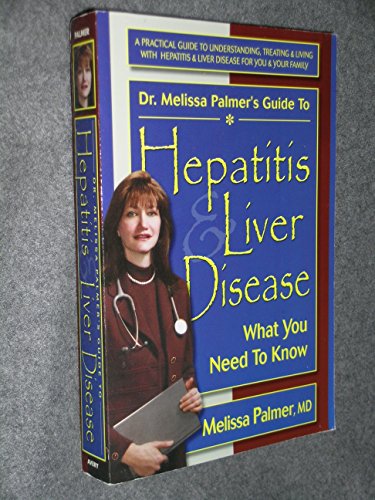
Dr. Melissa Palmer's Guide To Hepatitis and Liver Disease: A Practical Guide to Understanding, Treating & Living with Hepatitis & Liver: Palmer, Melissa
In this revised and updated edition of her groundbreaking 2000 book, renowned hepatologist Dr. Melissa Palmer <strong>discusses all facets of liver disease, from symptoms and tests to treatment option

Jarrow Formulas Milk Thistle Supplement 150 mg. 30:1 Milk Thistle Extract Standardized to 80% Total Flavonoids, Dietary Supplement for Liver Function Support, 200 Veggie Capsules, Up to 200 Day Supply
Dietary supplement with 150 mg of Milk Thistle Seed Extract <strong>supports Glutathione levels to support liver function</strong>. Each serving supplies a standardized 30:1 Milk Thistle extract with

Life Extension N-Acetyl-L-Cysteine (NAC), Immune, Respiratory, Liver Health, NAC 600 mg, Potent antioxidant Support, Free-radicals, Easy to Absorb, 60 Capsules
<strong>Each NAC capsule delivers 600 mg of this powerful, rapidly absorbed nutrient</strong>. NAC is a powerful free radical scavenger and helps you combat everyday oxidative stress. NAC replenishes
Evidence & Sources
Supported by multiple clinical trials and systematic reviews
- World Health Organization (WHO)
- Centers for Disease Control and Prevention (CDC)
- National Institute of Diabetes and Digestive and Kidney Diseases (NIDDK)
- National Institute of Allergy and Infectious Diseases (NIAID)
- American Association for the Study of Liver Diseases (AASLD)
- The Lancet
- New England Journal of Medicine
- Hepatology
- Journal of Hepatology
- National Center for Complementary and Integrative Health (NCCIH)
This content is for informational purposes only and does not constitute medical advice. Always consult a qualified healthcare provider before starting, stopping, or changing any supplement or medication regimen.