

Hepatitis and Liver Cirrhosis
Hepatitis (inflammation of the liver) and liver cirrhosis (advanced scarring with architectural distortion and portal hypertension) are tightly linked along a causal continuum. Persistent hepatic injury—most commonly from chronic viral hepatitis B (HBV) or hepatitis C (HCV), alcohol-related liver disease, or metabolic dysfunction–associated steatotic liver disease (MASLD, previously NAFLD/NASH)—drives ongoing necroinflammation and wound-healing responses that lay down extracellular matrix (fibrosis). Over years to decades, bridging fibrosis can progress to cirrhosis, with complications such as variceal bleeding, ascites, hepatic encephalopathy, and hepatocellular carcinoma (HCC). Globally, chronic HBV and HCV remain leading causes of cirrhosis and HCC, though alcohol and MASLD are growing contributors. Mechanistically, chronic hepatitis activates Kupffer cells and hepatic stellate cells, with cytokines (e.g., TGF-β, PDGF) and oxidative stress promoting collagen deposition. Co-factors—heavy alcohol use, metabolic syndrome, HIV coinfection—accelerate this cascade. Clinically, this means that effective control of the underlying hepatitis can halt or even regress fibrosis, especially before decompensation. Antiviral therapy for HBV (e.g., entecavir, tenofovir) and curative direct-acting antivirals (DAAs) for HCV have transformed outcomes, reducing progression to cirrhosis, decompensation, and HCC. In metabolic and alcohol-related hepatitis, sustained weight loss, glycemic control, and alcohol cessation are pivotal; brief advice alone is insufficient—structured programs and medications for alcohol use disorder meaningfully improve liver outcomes. Shared preventive strategies span vaccination (HBV, HAV), harm reduction for injection drug use, blood safety, and metabolic risk management. Once cirrhosis develops, management broadens beyond treating hepatitis to include portal hypertension prophylaxis (nonselective beta-blockers for appropriate patients), diuretic-based di
Updated September 8, 2026This content is for informational purposes only and does not constitute medical advice. Always consult a qualified healthcare provider before starting, stopping, or changing any supplement or medication regimen.
Shared Risk Factors
Chronic HBV infection
Strong EvidencePerinatal, sexual, or parenteral transmission leads to chronic necroinflammation and progressive fibrosis.
Chronic HCV infection
Strong EvidenceParenteral exposure (e.g., injection drug use, unscreened transfusions) leads to chronic hepatitis and fibrosis.
Alcohol use disorder
Strong EvidenceDirect hepatotoxicity and oxidative stress cause alcoholic hepatitis and fibrosis; synergistic with viral hepatitis.
Metabolic syndrome (obesity, T2D, dyslipidemia) / MASLD
Strong EvidenceInsulin resistance drives steatosis, lipotoxicity, and inflammatory NASH, a chronic hepatitis phenotype.
HIV coinfection
Moderate EvidenceImmune dysregulation and higher viral loads; ART hepatotoxicity can contribute.
Hepatotoxic drugs/toxins
Moderate EvidenceIdiosyncratic or dose-related injury (e.g., some herbals, high-dose acetaminophen) causes hepatitis; chronic/repeated injury may scar.
Genetic/metabolic liver diseases
Strong EvidenceHemochromatosis, Wilson disease, alpha-1 antitrypsin deficiency cause chronic hepatitis and scarring.
Comorbidity Data
Prevalence
Globally, ~254 million people live with chronic HBV and ~58 million with chronic HCV. Without effective therapy, 15–40% of chronic HBV and ~15–30% of chronic HCV cases develop cirrhosis over decades. Depending on region, 30–50% of cirrhosis and HCC are attributable to viral hepatitis, with alcohol and MASLD contributing substantially elsewhere.
Mechanistic Link
Chronic hepatitis sustains immune-mediated hepatocyte injury. Kupffer cell activation and stellate cell transdifferentiation drive TGF-β–mediated collagen deposition, architectural distortion, and portal hypertension. Co-factors (alcohol, metabolic syndrome, HIV) amplify inflammation and fibrogenesis.
Clinical Implications
Test-and-treat strategies for HBV/HCV reduce cirrhosis, decompensation, and HCC. Metabolic risk modification and alcohol cessation slow or reverse fibrosis in early stages. Cirrhosis requires complication screening (varices, ascites, encephalopathy) and HCC surveillance; even after HCV cure or HBV suppression, surveillance continues when advanced fibrosis/cirrhosis is present.
Sources (4)
- WHO Global hepatitis report 2024. https://www.who.int/publications/i/item/9789240098150
- AASLD HBV Guidance (2018; updates). Hepatology. https://www.aasld.org/practice-guidelines
- AASLD/IDSA HCV Guidance. https://www.hcvguidelines.org
- GBD 2019/2020 liver disease burden analyses. Lancet Gastroenterol Hepatol.
Overlapping Treatments
Antiviral therapy for HBV (tenofovir, entecavir)
Strong EvidenceSuppresses HBV DNA, normalizes ALT, reduces hepatic inflammation and flares.
Lowers risk of fibrosis progression, decompensation, and HCC; partial fibrosis regression possible.
Monitor renal function and bone density (tenofovir); risk of flare if therapy stopped; resistance monitoring for entecavir in prior lamivudine exposure.
Direct-acting antivirals (DAAs) for HCV
Strong Evidence>95% sustained virologic response (cure), resolving chronic hepatitis activity.
Reduces incidence of cirrhosis, decompensation, and HCC; fibrosis often regresses post-SVR.
Drug–drug interactions; some residual HCC risk persists in cirrhotics—surveillance must continue.
Alcohol cessation with structured support and medications (e.g., acamprosate, naltrexone per specialist guidance)
Strong EvidenceResolves alcoholic hepatitis activity and reduces further inflammatory injury.
Improves survival, reduces decompensation, and may allow fibrosis regression in earlier stages.
Select medications carefully in advanced liver disease; avoid disulfiram; integrate behavioral therapy.
Weight loss and metabolic optimization (dietary pattern, physical activity, diabetes control)
Moderate EvidenceInduces NASH resolution and ALT improvement with ≥7–10% weight loss.
Slows or reverses fibrosis in metabolic liver disease; reduces cirrhosis risk.
Avoid rapid weight loss and very low-calorie unsupervised regimens in advanced disease; ensure adequate protein.
HBV vaccination (and HAV vaccination for at-risk)
Strong EvidencePrevents acquisition of HBV (and severe HAV in chronic disease), averting chronic hepatitis.
Prevents future cirrhosis and HCC attributable to HBV; prevents HAV superinfection in chronic liver disease.
Check serologic response in immunocompromised; accelerated schedules for high-risk exposures.
Coffee consumption (2–3 cups/day if tolerated)
Moderate EvidenceAssociated with lower ALT and reduced inflammatory activity in chronic liver disease.
Associated with slower fibrosis progression and lower cirrhosis mortality.
Consider pregnancy, GERD, arrhythmias; avoid sugar-sweetened additives.
Medical Perspectives
Two Ways of Seeing Health

Western
scientific · clinical
Western medicine applies science, technology, and clinical experience to treat symptoms through testing, diagnosis, and targeted intervention.
Surgeons · Pharmaceuticals · Clinical trials · Diagnostics 
Eastern
traditional · alternative
Eastern medicine focuses on treating the body naturally by applying traditional knowledge practiced for thousands of years, emphasizing balance and whole-person wellness.
Acupuncture · Herbal medicine · Yoga · Meditation
Gold Bamboo presents both perspectives side-by-side so you can make informed decisions. We don't advocate for one over the other — your health choices are yours.
Two Ways of Seeing Health
Western
scientific · clinical
Western medicine applies science, technology, and clinical experience to treat symptoms through testing, diagnosis, and targeted intervention.
Eastern
traditional · alternative
Eastern medicine focuses on treating the body naturally by applying traditional knowledge practiced for thousands of years, emphasizing balance and whole-person wellness.
Gold Bamboo presents both perspectives side-by-side so you can make informed decisions. We don't advocate for one over the other — your health choices are yours.
Western Perspective
Western hepatology frames cirrhosis as the end-stage of diverse chronic hepatitis etiologies. The paradigm is cause-directed therapy plus complications management. High-quality evidence shows that antiviral therapy (HBV suppression, HCV cure) and lifestyle/alcohol interventions modify the natural history, preventing or reversing fibrosis before decompensation. Risk stratification uses noninvasive fibrosis tools (elastography, serum indices) and endoscopic or clinical criteria to guide portal hypertension prophylaxis and HCC surveillance.
Key Insights
- Chronic HBV/HCV are causal drivers of cirrhosis; treating them early prevents progression.
- Co-factors (alcohol, metabolic syndrome, HIV) markedly accelerate fibrosis and must be addressed in parallel.
- Even after HCV cure or HBV suppression, cirrhosis-related risks (e.g., HCC) persist; surveillance continues.
- Noninvasive fibrosis assessment enables earlier detection and monitoring of regression post-therapy.
- Portal hypertension prophylaxis (e.g., nonselective beta-blockers) and vaccination (HBV/HAV) are cornerstone preventive strategies.
Treatments
- HBV nucleos(t)ide analogues (tenofovir, entecavir)
- HCV DAAs per genotype/pangenotypic regimens
- Alcohol cessation programs with pharmacotherapy
- Weight loss, diabetes and lipid management for MASLD/MASH
- Nonselective beta-blockers for portal hypertension when indicated
- HCC surveillance with ultrasound ± AFP in advanced fibrosis/cirrhosis
- Liver transplantation for decompensated cirrhosis
Deep Dive
From a Western standpoint, hepatitis and cirrhosis represent stages along a modifiable disease spectrum. Persistent inflammatory injury from HBV... From a Western standpoint, hepatitis and cirrhosis represent stages along a modifiable disease spectrum. Persistent inflammatory injury from HBV, HCV, alcohol, or metabolic dysfunction drives fibrosis via stellate cell activation and extracellular matrix deposition. Over time, this culminates in cirrhosis with portal hypertension and oncogenic risk. The transformative insight of the last decade is that etiology-targeted therapy changes long-term outcomes: tenofovir/entecavir for HBV and pan-genotypic DAAs for HCV lower the incidence of cirrhosis, decompensation, and HCC, with evidence of fibrosis regression—especially when started before advanced architectural distortion. In parallel, addressing accelerants is essential: structured alcohol cessation, diabetes control, and weight loss have tangible antifibrotic benefits in earlier disease. Modern practice emphasizes early identification using noninvasive fibrosis tools (transient elastography, FIB-4), guideline-based antiviral initiation, vaccination (HBV, HAV), and harm reduction. Once cirrhosis exists, the focus broadens to preventing and managing complications—nonselective beta-blockers for portal hypertension where indicated, endoscopic variceal ligation when needed, diuretic-based ascites control, hepatic encephalopathy management, and HCC surveillance every six months. Even after HCV cure or HBV suppression, patients with advanced fibrosis require ongoing surveillance and cardiometabolic risk modification. For selected patients with decompensation or HCC within criteria, liver transplantation remains definitive therapy. The actionable message: test early, treat the cause, remove accelerants, and institute cirrhosis-specific prophylaxis and surveillance.
Sources
- AASLD/IDSA HCV Guidance. https://www.hcvguidelines.org
- AASLD HBV Guidance. https://www.aasld.org/practice-guidelines
- EASL Clinical Practice Guidelines on decompensated cirrhosis. J Hepatol
- Baveno VII consensus on portal hypertension. J Hepatol 2022
Eastern Perspective
Traditional Chinese Medicine (TCM) interprets chronic hepatitis and cirrhosis as patterns of Liver (Gan) qi stagnation, damp-heat, and blood stasis with underlying spleen/kidney deficiency; chronicity leads to phlegm and fixed masses (accumulations). Ayurveda views Yakrit (liver) disorders as pitta aggravation and ama (toxins) accumulation impairing rasadhatu and meda metabolism. Eastern approaches aim to harmonize and clear pathogenic factors, support digestion and vitality, and move blood to alleviate stasis—primarily as adjuncts to biomedical care.
Key Insights
- Pattern differentiation (e.g., damp-heat vs. qi/blood deficiency) guides individualized herbal formulas and acupuncture.
- Adjunct therapies may improve symptoms (fatigue, appetite, pruritus) and quality of life, while biomedical treatments address etiology.
- Cautious use is essential in advanced liver disease; some herbs can be hepatotoxic or interact with antivirals.
Treatments
- TCM formulas tailored to pattern, historically including Xiao Chai Hu Tang (for Shaoyang disharmony), Long Dan Xie Gan Tang (damp-heat clearing), and blood-moving formulas; use only under qualified supervision.
- Biejia Ruangan Pian (a Chinese patent medicine) studied for antifibrotic effects; evidence remains limited and mixed.
- Ayurvedic hepatoprotective herbs such as Phyllanthus niruri (Bhumyamalaki) and support with diet (pitta-pacifying), yoga, and pranayama for stress modulation.
- Acupuncture for symptom relief (nausea, pruritus, fatigue) as adjunctive care.
Deep Dive
Eastern traditions view chronic hepatitis and cirrhosis as manifestations of disrupted internal balance—stagnant qi and blood, damp-heat, and de... Eastern traditions view chronic hepatitis and cirrhosis as manifestations of disrupted internal balance—stagnant qi and blood, damp-heat, and depletion of foundational energies that impair the Liver’s transformative functions. Treatment aims to clear heat and dampness, move blood, soothe Liver qi, and strengthen spleen/kidney, thereby reducing symptoms such as fatigue, poor appetite, pruritus, and mood disturbance. In practice, individualized herbal formulas (e.g., damp-heat–clearing or blood-moving prescriptions) and acupuncture are combined with diet and lifestyle that reduce internal heat and stagnation. Ayurveda likewise seeks to pacify pitta, improve agni (digestive fire), and reduce ama with herbs (e.g., Phyllanthus species), gentle yoga, and breathwork to moderate stress—a known amplifier of symptom burden. As adjuncts to biomedical care, these approaches can support quality of life and self-management (sleep, appetite, energy, stress). Safety and integration are paramount: some botanicals are hepatotoxic or interact with antivirals and beta-blockers, and dosing must consider impaired metabolism in cirrhosis. Collaboration with licensed practitioners and disclosure to the hepatology team help ensure compatibility with antiviral therapy, portal hypertension prophylaxis, and diuretics. Framed this way, Eastern modalities complement the Western imperative to control etiology and prevent complications—offering symptom relief and lifestyle scaffolding while evidence for disease-modifying effects continues to evolve.
Sources
- WHO International Standard Terminologies on Traditional Medicine in the Western Pacific Region
- Cochrane reviews on herbal medicines for chronic hepatitis and cirrhosis (various years)
- Narrative reviews on Biejia Ruangan and Phyllanthus species in chronic hepatitis
Evidence Ratings
Chronic HBV and HCV infections are major causes of liver cirrhosis and HCC worldwide.
WHO Global hepatitis report 2024; AASLD/EASL guidelines.
HBV suppression with tenofovir or entecavir reduces progression to cirrhosis, decompensation, and HCC.
AASLD HBV Guidance; multiple cohort and meta-analytic studies.
DAA therapy cures HCV and leads to fibrosis regression and reduced risk of decompensation/HCC.
AASLD/IDSA HCV Guidance; meta-analyses of post-SVR outcomes.
Sustained alcohol abstinence improves survival in alcohol-related hepatitis and cirrhosis.
Guidelines and longitudinal cohort data in alcohol-related liver disease.
Weight loss of 7–10% can resolve NASH and improve fibrosis.
Randomized trials and prospective studies in MASLD/MASH.
Coffee consumption is associated with lower risk of fibrosis progression and cirrhosis mortality.
Systematic reviews and cohort studies.
Traditional herbal formulas may improve symptoms or biomarkers in chronic hepatitis/cirrhosis, but robust clinical outcome data are limited.
Cochrane and narrative reviews of TCM/Ayurveda interventions.
Sources
- WHO. Global hepatitis report 2024. https://www.who.int/publications/i/item/9789240098150
- AASLD. Hepatitis B Guidance (Terrault et al.; updates). https://www.aasld.org/practice-guidelines
- AASLD/IDSA. HCV Guidance: Recommendations for Testing, Managing, and Treating Hepatitis C. https://www.hcvguidelines.org
- EASL. Clinical Practice Guidelines on decompensated cirrhosis. J Hepatol.
- de Franchis R, et al. Baveno VII – Renewing consensus in portal hypertension. J Hepatol. 2022.
- Cochrane Library. Herbal medicines for chronic hepatitis/cirrhosis (various reviews).
- Systematic reviews on coffee and liver outcomes (e.g., Kennedy OJ et al., Aliment Pharmacol Ther; Freedman ND et al., Hepatology).
- Guidelines and reviews on MASLD/MASH lifestyle interventions (AASLD/EASL).
Related Topics
Recommended Products
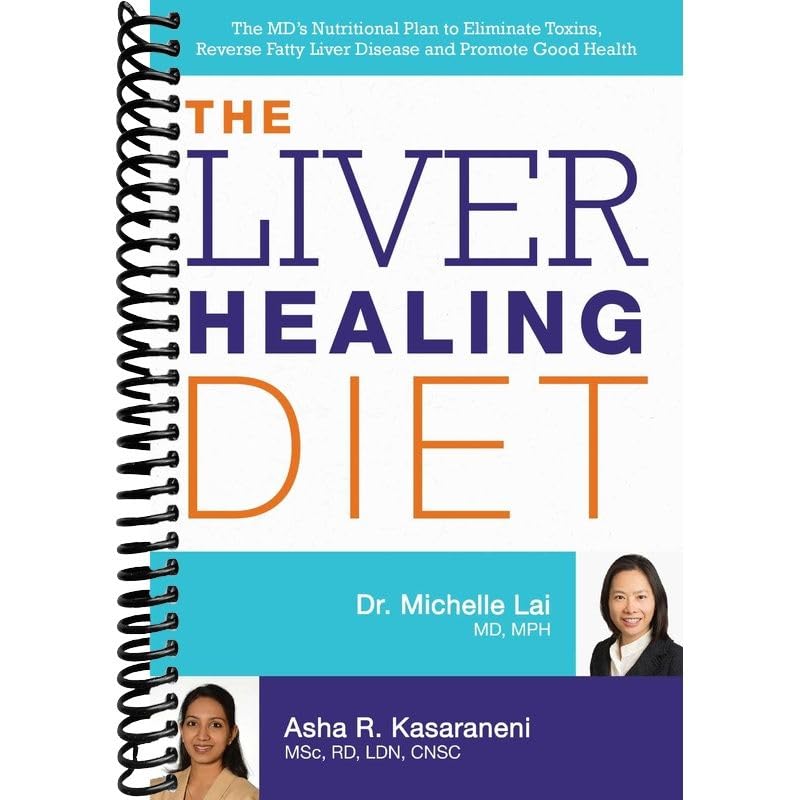
The Liver Healing Diet: The MD's Nutritional Plan to Eliminate Toxins, Reverse Fatty Liver Disease and Promote Good Health: Lai, Dr. Michelle, Kasaraneni, Asha
The Liver Healing Diet: <strong>The MD's Nutritional Plan to Eliminate Toxins, Reverse Fatty Liver Disease and Promote Good Health</strong> [Lai, Dr. Michelle, Kasaraneni, Asha] on Amazon.com. *F

Jarrow Formulas Milk Thistle Supplement 150 mg. 30:1 Milk Thistle Extract Standardized to 80% Total Flavonoids, Dietary Supplement for Liver Function Support, 200 Veggie Capsules, Up to 200 Day Supply
Dietary supplement with 150 mg of Milk Thistle Seed Extract <strong>supports Glutathione levels to support liver function</strong>. Each serving supplies a standardized 30:1 Milk Thistle extract with

NOW Supplements, NAC (N-Acetyl Cysteine) 600 mg with Selenium, 250 Veg Capsules
Buy NOW Supplements, NAC (N-Acetyl Cysteine) 600 mg with Selenium, 250 Veg Capsules on Amazon.com ✓ FREE SHIPPING on qualified orders
Health Disclaimer
This content is for informational purposes only and does not constitute medical advice. Always consult a qualified healthcare provider before starting, stopping, or changing any supplement or medication regimen.