

Epilepsy
Overview
Epilepsy is a chronic neurological condition defined by a persistent tendency to have unprovoked seizures, which are episodes of abnormal electrical activity in the brain. It is not a single disease but a spectrum of disorders with many possible causes, seizure types, ages of onset, and levels of severity. Some people experience brief lapses in awareness, while others have convulsive episodes; in many cases, seizures can also involve sensory changes, unusual movements, emotional shifts, or temporary confusion. Because seizure symptoms vary widely, epilepsy is often understood as a diverse group of brain disorders rather than one uniform diagnosis.
Globally, epilepsy is among the most common serious neurological disorders. The World Health Organization estimates that tens of millions of people live with the condition worldwide, with burden often heightened in settings where diagnosis and treatment access are limited. Epilepsy can affect children, adults, and older adults, and it carries significance far beyond seizure episodes alone. Depending on seizure frequency and type, it may influence education, employment, independence, mental health, sleep, and quality of life. Stigma and misunderstanding also remain major public health concerns in many communities.
Causes of epilepsy are broad and may include genetic factors, structural brain changes, head injury, stroke, infections, developmental conditions, immune-related mechanisms, and metabolic disturbances. In some individuals, no clear cause is identified despite modern testing. Current classification systems emphasize seizure type, epilepsy type, underlying cause when known, and associated conditions. This reflects a growing recognition that epilepsy is highly individualized, and that understanding its specific pattern is central to how it is evaluated in both conventional and traditional systems.
From a broader health perspective, epilepsy is important because it intersects with neurology, mental health, sleep, cognition, injury prevention, and long-term care planning. Research continues to explore mechanisms such as excitatory-inhibitory imbalance in the brain, neuroinflammation, channelopathies, and network dysfunction. Anyone with seizure-like episodes or a known seizure disorder benefits from evaluation by a qualified healthcare professional, since some seizure symptoms can resemble other medical conditions and epilepsy management often requires careful diagnostic clarification.
Compare Treatment Options
Epilepsy is a chronic neurological condition marked by a tendency to have recurrent unprovoked seizures. A seizure happens when groups of brain cells fire abnormally, which can affect awareness, movement, sensation, behavior, or autonomic function. Epilepsy is not one single disorder: it includes many seizure types and syndromes, from focal epilepsy arising in one part of the brain to generalized epilepsies involving broader brain networks. Causes vary and may include genetic factors, prior brain injury, stroke, infection, developmental differences, or an unknown cause. Treatment options vary because the goals are broader than simply reducing seizure counts. Clinicians often consider seizure type, EEG and imaging findings, injury risk, side effects, mood and cognition, sleep, pregnancy planning, and quality of life. In conventional care, anti-seizure medications remain the foundation for many people, while epilepsy surgery, neuromodulation, and dietary therapies may be considered for drug-resistant cases. In integrative and traditional systems, approaches such as acupuncture, mind-body practices, and individualized herbal medicine are sometimes explored as adjuncts, though evidence quality is generally more limited and careful coordination is important because uncontrolled seizures can carry serious risks.
View treatment comparison (6 options)Medical Perspectives
Two Ways of Seeing Health

Western
scientific · clinical
Western medicine applies science, technology, and clinical experience to treat symptoms through testing, diagnosis, and targeted intervention.

Eastern
traditional · alternative
Eastern medicine focuses on treating the body naturally by applying traditional knowledge practiced for thousands of years, emphasizing balance and whole-person wellness.
Gold Bamboo presents both perspectives side-by-side so you can make informed decisions. We don't advocate for one over the other — your health choices are yours.
Western Medicine Perspective
Western Medicine Perspective
In conventional medicine, epilepsy is understood as a disorder of recurrent unprovoked seizures arising from abnormal neuronal activity. Diagnosis typically depends on clinical history and may be supported by tests such as electroencephalography (EEG) and brain imaging, especially MRI. Modern neurology classifies seizures as focal, generalized, or of unknown onset, and it distinguishes epilepsy syndromes based on age of onset, seizure patterns, EEG features, genetics, and imaging findings. This classification matters because different forms of epilepsy may carry different prognoses and respond differently to therapies.
Conventional treatment aims to reduce seizure frequency, prevent injury, and support overall functioning. Anti-seizure medications remain the mainstay of care, and many patients achieve substantial seizure control with appropriately selected drugs. For people whose seizures remain uncontrolled, additional approaches may include epilepsy surgery, vagus nerve stimulation, responsive neurostimulation, deep brain stimulation, and in selected cases specialized dietary therapies such as ketogenic approaches. Western care also emphasizes management of coexisting issues such as depression, anxiety, sleep disorders, cognitive effects, medication adverse effects, reproductive health considerations, and the risk of status epilepticus or sudden unexpected death in epilepsy (SUDEP).
Research in conventional medicine increasingly focuses on precision approaches, including genetic testing, biomarker development, autoimmune epilepsy recognition, and individualized surgical planning. Studies also examine the role of inflammation, brain networks, and disease-modifying strategies beyond symptom suppression. Even with advances in treatment, a significant subset of patients has drug-resistant epilepsy, which is why multidisciplinary evaluation in specialized centers is often considered important in contemporary neurological care.
Eastern & Traditional Perspective
Eastern/Traditional Medicine Perspective
In Traditional Chinese Medicine (TCM), epilepsy has historically been discussed under categories often translated as seizure disorders or convulsive disorders. Traditional frameworks may interpret recurrent seizures through patterns involving “wind,” phlegm, heat, stagnation, or disturbances affecting the Heart, Liver, and Kidney systems. In this view, episodes may arise when internal wind is stirred, phlegm obstructs the orifices, or emotional and constitutional factors disrupt the harmonious flow of qi and spirit. Assessment is typically pattern-based rather than diagnosis-based, meaning two people with the same biomedical diagnosis could be understood differently within TCM depending on associated symptoms, pulse, tongue, sleep, digestion, and emotional state.
Traditional East Asian approaches have included herbal formulas, acupuncture, moxibustion, and lifestyle regulation, primarily framed around restoring balance and reducing the internal conditions believed to contribute to seizure susceptibility. Some historical texts also distinguish between acute manifestations and the longer-term constitutional terrain in which episodes recur. Modern integrative discussions sometimes explore whether acupuncture may help with stress, sleep, or quality-of-life dimensions in people living with epilepsy, but the quality of evidence for seizure reduction remains limited and mixed.
In Ayurveda, seizure disorders are often discussed under the concept of Apasmara, a condition traditionally associated with disturbances of consciousness, memory, and mental-emotional balance involving doshic derangement. Classical interpretations frequently relate symptoms to imbalances in Vata, with possible involvement of Pitta or Kapha depending on presentation. Ayurvedic approaches have historically included herbal preparations, diet and routine regulation, purification concepts, and mind-body practices aimed at restoring systemic balance.
Across traditional systems, epilepsy is typically viewed as a whole-person disorder involving the nervous system, consciousness, constitution, and environmental influences. At the same time, because seizures can signal urgent neurological risk, traditional approaches are best understood as complementary frameworks rather than substitutes for emergency assessment or specialist evaluation. Research on traditional therapies is growing, but for seizure control specifically, the evidence base remains less robust than for established conventional treatments.
Related Topics
Depression
Depression — condition topic in the Gold Bamboo health ontology.
Ketogenic Diet
Ketogenic Diet — diet topic in the Gold Bamboo health ontology.
How They Relate
Epilepsy & Depression
Epilepsy and depression have a strong, bidirectional relationship that affects diagnosis, treatment choices, quality of life, and safety. Depression is among the most common comorbidities in people...
Epilepsy & Ketogenic Diet
The ketogenic diet (KD) is a high-fat, very low-carbohydrate nutrition therapy developed a century ago after clinicians observed that fasting could reduce seizures. Today, KD and its variants are c...
Supplements & Products
Recommended Products
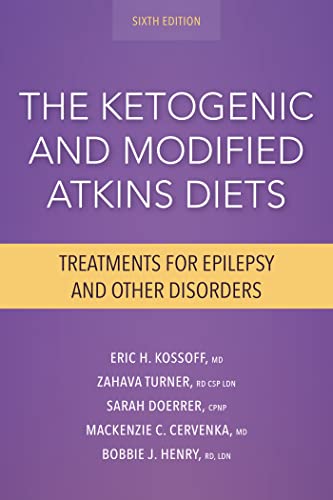
The Ketogenic and Modified Atkins Diets: Treatments for Epilepsy and Other Disorders: Kossoff MD, Eric, Turner RD CSP LDN, Zahava, Doerrer CPNP, Sarah, Cervenka MD, Mackenzie C., Barron RD LDN, Bobbie J.
by Eric Kossoff MD (Author), Zahava ... edition, The Ketogenic and Modified Atkins Diets is <strong>the established, authoritative book on these groundbreaking epilepsytreatments</strong>....

Sports Research Organic MCT Oil - Keto & Vegan MCTs C8, C10 from Coconuts - Fatty Acid Brain & Body Fuel, Non-GMO & Gluten Free - Flavorless Oil, Perfect in Coffee, Tea & Protein Shakes - 32 oz
Caprylic Acid (C8. 0), Capric Acid (C10. 0), INGREDIENTS. Organic MCT oil (from organic coconut oil)., CONTAINS. Tree nuts (coconut). As a Dietary Supplement begin by using 1 tablespoon per day until

KETO-MOJO GK+ Bluetooth Glucose & Ketone Testing Kit + Free APP for Ketosis & Diabetes Support. 20 Blood Test Strips (10 Each), Meter, 20 Lancets, Lancing Device, and Control Solutions
CLINICAL-GRADE KETONE & GLUCOSE TESTING The GK+ Meter <strong>delivers fast, accurate readings for both ketones and glucose</strong>. Trusted by healthcare professionals and used in over 100 clini
Evidence & Sources
Supported by multiple clinical trials and systematic reviews
- World Health Organization (WHO)
- International League Against Epilepsy (ILAE)
- National Institute of Neurological Disorders and Stroke (NINDS)
- Centers for Disease Control and Prevention (CDC)
- The Lancet Neurology
- Epilepsia
- New England Journal of Medicine
- National Center for Complementary and Integrative Health (NCCIH)
This content is for informational purposes only and does not constitute medical advice. Always consult a qualified healthcare provider before starting, stopping, or changing any supplement or medication regimen.