

Epilepsy and Depression
Epilepsy and depression have a strong, bidirectional relationship that affects diagnosis, treatment choices, quality of life, and safety. Depression is among the most common comorbidities in people with epilepsy (PWE), with point prevalence roughly one in four and lifetime prevalence even higher. Conversely, a history of depression increases the subsequent risk of developing epilepsy, indicating shared biological underpinnings rather than depression being solely a psychosocial reaction to seizures. Shared mechanisms include alterations in serotonergic, GABAergic, and glutamatergic systems; hypothalamic–pituitary–adrenal (HPA) axis dysregulation; neuroinflammatory cytokine changes; and hippocampal/limbic network dysfunction. Social determinants—stigma, unemployment, and reduced social support—further amplify risk and burden for both conditions. Clinically, depression is the strongest predictor of reduced quality of life in PWE and is tightly linked to increased suicidality. Several anti-seizure medications (ASMs) can influence mood, for better or worse: lamotrigine often has a favorable mood profile, while levetiracetam, topiramate, phenobarbital, and perampanel can precipitate or worsen depression, irritability, or aggression in some patients. The FDA has issued a class warning that ASMs may increase suicidal thoughts and behaviors, underscoring the need for systematic screening (e.g., NDDI-E, PHQ-9) and close follow-up. Treating depression in epilepsy improves quality of life and may indirectly support seizure control. First-line options include psychotherapy (CBT, behavioral activation, psychoeducation) and antidepressants with low seizure risk at therapeutic doses (SSRIs/SNRIs, mirtazapine, trazodone). Bupropion and high-risk tricyclics should generally be avoided in epilepsy due to seizure threshold concerns. Coordination between neurology and psychiatry is essential to manage drug–drug interactions: enzyme-inducing ASMs can lower antidepressant levels, and SS
Updated September 8, 2026This content is for informational purposes only and does not constitute medical advice. Always consult a qualified healthcare provider before starting, stopping, or changing any supplement or medication regimen.
Shared Risk Factors
Genetic and neurobiological vulnerability
Moderate EvidenceShared alterations in serotonergic/GABAergic signaling, neuroplasticity (hippocampus/limbic networks), and HPA axis dysregulation raise risk for both disorders.
Neuroinflammation
Moderate EvidencePro-inflammatory cytokines (e.g., IL-1β, TNF-α) are implicated in epileptogenesis and depression pathophysiology.
Structural brain disease
Strong EvidenceTemporal lobe/hippocampal sclerosis, stroke, TBI, tumors, and neurodegeneration increase risk for both conditions.
Adverse childhood experiences and psychosocial stressors
Strong EvidenceTrauma, stigma, unemployment, and social isolation elevate risk and worsen outcomes.
Sleep disorders
Moderate EvidenceInsomnia, sleep apnea, and circadian disruption are prevalent and bidirectionally aggravating.
Substance use (including alcohol)
Strong EvidenceAlcohol misuse and withdrawal provoke seizures and are linked to depressive disorders.
Medication effects and interactions
Strong EvidenceSome ASMs can worsen mood; enzyme inducers alter antidepressant exposure; certain antidepressants lower seizure threshold.
Comorbidity Data
Prevalence
Depression affects ~20–30% of people with epilepsy at any time; lifetime prevalence is higher. People with prior depression have roughly a 2–3× increased risk of subsequent epilepsy, indicating bidirectionality.
Mechanistic Link
Shared limbic/hippocampal network dysfunction, monoaminergic imbalance, HPA axis overactivity, and neuroinflammation connect the two disorders. Seizure-related injury and psychosocial burden further contribute.
Clinical Implications
Routinely screen all PWE for depression (e.g., NDDI-E, PHQ-9). Choose ASMs with favorable mood profiles when possible; monitor for suicidality. Treat depression to improve quality of life and potentially seizure outcomes. Coordinate neurology–psychiatry care and manage drug–drug interactions.
Sources (4)
- Kanner AM. Depression and epilepsy: A bidirectional relationship. Epilepsia. 2011;52(Suppl 1):21-27.
- Tellez-Zenteno JF et al. Psychiatric comorbidity in epilepsy: A population-based analysis. Epilepsia. 2007;48(12):2336-2344.
- Hesdorffer DC et al. Depression and the risk of unprovoked seizures. Ann Neurol. 2000;47(5):563-567.
- Fiest KM et al. Depression and anxiety in epilepsy: a systematic review and meta-analysis. Epilepsia. 2013;54(7):1120-1127.
Overlapping Treatments
Psychotherapy (CBT/behavioral activation, psychoeducation)
Strong EvidenceImproves adherence, coping, and possibly reduces seizure precipitants (stress/sleep dysregulation).
Reduces depressive symptoms and relapse risk.
Ensure therapist familiarity with epilepsy; integrate seizure safety planning.
SSRIs/SNRIs (e.g., sertraline, escitalopram, venlafaxine)
Moderate EvidenceGenerally neutral on seizures at therapeutic doses; treating depression can improve overall seizure management.
First-line pharmacotherapy for major depression.
Avoid bupropion and high-risk TCAs; monitor for hyponatremia and interactions with enzyme-inducing ASMs.
Lamotrigine (ASM)
Moderate EvidenceEffective antiseizure agent, especially focal seizures.
Favorable mood profile; antidepressant effects in bipolar depression suggest benefit for depressive symptoms in some PWE.
Titrate slowly to reduce serious rash risk; watch interaction with valproate.
Vagus nerve stimulation (VNS)
Moderate EvidenceAdjunctive therapy for refractory epilepsy.
Approved for treatment-resistant depression; mood benefits can occur independent of seizure control.
Surgical device; voice changes and cough are common adverse effects.
Exercise (aerobic/resistance)
Moderate EvidenceMay reduce seizure frequency in some; improves sleep and cognition; safe with precautions.
Antidepressant effects comparable to standard treatments in mild–moderate depression.
Use seizure-safe environments; avoid dehydration/sleep loss.
Sleep optimization (CBT‑I, OSA evaluation)
Strong EvidenceImproves seizure threshold and daytime functioning.
Reduces depressive symptoms and fatigue.
Treat coexisting sleep apnea; review sedatives that may worsen OSA.
Mindfulness-based therapies
Emerging ResearchReduce stress reactivity and may lessen seizure precipitants.
Small–moderate improvements in depressive symptoms and relapse prevention.
Use guided programs; not a substitute for urgent care in suicidality.
Ketogenic/modified Atkins diet
Emerging ResearchEvidence-based for refractory epilepsy.
Preliminary data suggest mood improvements in some adults; weight and glycemic benefits can help energy/mood.
Requires supervision; monitor lipids, renal stones, micronutrients.
Vitamin D and folate repletion
Emerging ResearchCounteracts ASM-associated deficiencies and bone risk.
Low levels associate with depressive symptoms; repletion may support mood.
Check levels; avoid excess. Valproate and enzyme inducers often lower folate/Vit D.
Medical Perspectives
Two Ways of Seeing Health

Western
scientific · clinical
Western medicine applies science, technology, and clinical experience to treat symptoms through testing, diagnosis, and targeted intervention.
Surgeons · Pharmaceuticals · Clinical trials · Diagnostics 
Eastern
traditional · alternative
Eastern medicine focuses on treating the body naturally by applying traditional knowledge practiced for thousands of years, emphasizing balance and whole-person wellness.
Acupuncture · Herbal medicine · Yoga · Meditation
Gold Bamboo presents both perspectives side-by-side so you can make informed decisions. We don't advocate for one over the other — your health choices are yours.
Two Ways of Seeing Health
Western
scientific · clinical
Western medicine applies science, technology, and clinical experience to treat symptoms through testing, diagnosis, and targeted intervention.
Eastern
traditional · alternative
Eastern medicine focuses on treating the body naturally by applying traditional knowledge practiced for thousands of years, emphasizing balance and whole-person wellness.
Gold Bamboo presents both perspectives side-by-side so you can make informed decisions. We don't advocate for one over the other — your health choices are yours.
Western Perspective
Robust epidemiology shows a bidirectional link: depression is common in epilepsy and independently increases risk for incident epilepsy. Mechanistically, shared limbic circuitry, neurotransmitter imbalance, HPA axis activation, and neuroinflammation plausibly connect both. Clinically, depression drives poor quality of life, higher healthcare use, and suicidality in PWE. Evidence-based care emphasizes routine screening, choosing ASMs with favorable mood effects, safe use of antidepressants, psychotherapy, and neuromodulation when indicated.
Key Insights
- Point prevalence of depression in PWE is roughly 20–30%, with strong association to reduced quality of life and suicidality.
- Depression predates epilepsy in a subset of patients, doubling or tripling future epilepsy risk.
- ASM selection matters: lamotrigine has a favorable mood profile; levetiracetam, topiramate, phenobarbital, and perampanel may worsen mood.
- SSRIs/SNRIs are generally safe in epilepsy at therapeutic doses; avoid bupropion and high-risk TCAs.
- VNS benefits both refractory epilepsy and treatment-resistant depression.
Treatments
- Screen with NDDI-E, PHQ-9, or HADS; assess suicidality routinely.
- Select/adjust ASMs considering mood profile; treat sleep disorders and substance use.
- Offer CBT/behavioral activation; add SSRIs/SNRIs or mirtazapine when indicated.
- Consider VNS in refractory cases; coordinate neurology–psychiatry care.
- Monitor for drug–drug interactions and hyponatremia.
Deep Dive
Across epidemiologic, clinical, and mechanistic studies, epilepsy and depression exhibit a robust, bidirectional connection. Depression is prese... Across epidemiologic, clinical, and mechanistic studies, epilepsy and depression exhibit a robust, bidirectional connection. Depression is present in roughly one in four people with epilepsy and is a major driver of poor quality of life and suicidality. Longitudinal data indicate that individuals with a history of depression face elevated risk of later epilepsy, suggesting common vulnerability pathways beyond the psychosocial effects of seizures. Shared biology includes limbic network dysfunction (notably hippocampal/temporal circuits), monoaminergic imbalance, HPA axis dysregulation, and neuroinflammation. Clinically, these links inform screening and treatment: validated tools like the NDDI-E or PHQ-9 should be used routinely, and any positive screen or suicidality warrants prompt intervention. ASM selection should account for psychiatric profiles: lamotrigine often benefits mood, while levetiracetam, topiramate, phenobarbital, and perampanel can worsen mood or irritability in some patients. Antidepressants are effective; SSRIs/SNRIs and mirtazapine are generally safe at therapeutic doses, while bupropion and certain tricyclics carry higher seizure risk. Coordination is key because enzyme-inducing ASMs (carbamazepine, phenytoin, phenobarbital, primidone) can lower antidepressant exposure, and some SSRIs inhibit CYP enzymes affecting ASM levels. Nonpharmacologic therapies—CBT/behavioral activation, exercise, sleep optimization—improve depressive symptoms and support seizure control. Vagus nerve stimulation stands out for dual efficacy in refractory epilepsy and treatment-resistant depression. Systematic, integrated care that prioritizes mood as a core epilepsy outcome improves safety, adherence, and overall prognosis.
Sources
- Gilliam FG et al. A rapid screening instrument for depression in epilepsy (NDDI-E). Neurology. 2006;66:698-701.
- Kanner AM. Depression and epilepsy: A bidirectional relationship. Epilepsia. 2011;52(Suppl 1):21-27.
- FDA. Suicidal behavior and ideation and antiepileptic drugs: FDA Alert. 2008.
- ILAE Task Force. Screening and treatment of psychiatric comorbidities in epilepsy. Epilepsia. 2019.
- Fiest KM et al. Depression and anxiety in epilepsy: systematic review. Epilepsia. 2013;54(7):1120-1127.
Eastern Perspective
Traditional East Asian medicine (TEAM/TCM) views epilepsy (dian xian) and depression (yu zheng) as sharing patterns such as Liver qi stagnation, phlegm obstructing the orifices, and disharmony of Heart–Spleen. Treatments aim to restore flow, transform phlegm, and calm the shen through acupuncture and herbal formulas. Modern clinical evidence is limited and heterogeneous; acupuncture shows potential mood benefits and uncertain antiseizure effects, best used as an adjunct to standard care with neurologist oversight.
Key Insights
- Shared patterns: Liver qi stagnation and phlegm-heat can underlie both seizure tendency and depressive affect.
- Acupuncture points commonly used: LR3, PC6, HT7, DU20, ST40, GB20; protocols vary by presentation.
- Formulas often cited: Xiao Yao San or Chai Hu Shu Gan San (qi stagnation), Wen Dan Tang (phlegm-heat), Ding Xian Wan (epilepsy), Gan Mai Da Zao Tang (restlessness/low mood).
- Evidence for acupuncture in epilepsy is inconclusive; for depression, modest benefits vs usual care are reported, with uncertainty vs sham controls.
Treatments
- Adjunctive acupuncture for depressive symptoms and stress regulation; consider low-frequency protocols if seizure risk is a concern.
- Pattern-guided herbal therapy under licensed practitioners, with strict review for interactions with ASMs.
- Breathwork, qigong/taichi, and mindful movement to reduce stress and improve sleep.
Deep Dive
Traditional East Asian medicine conceptualizes both epilepsy (dian xian) and depression (yu zheng) through shared patterns—often Liver qi stagna... Traditional East Asian medicine conceptualizes both epilepsy (dian xian) and depression (yu zheng) through shared patterns—often Liver qi stagnation with phlegm obstructing the orifices and disharmony of Heart–Spleen—leading to disrupted shen (mind–spirit). Treatment aims to course the Liver, transform phlegm, and calm the shen, typically with acupuncture and individualized herbal formulas. Contemporary evidence supports acupuncture’s potential to relieve depressive symptoms (especially versus usual care), while effects versus sham are mixed; for epilepsy, clinical trials are few and heterogeneous, with inconclusive impact on seizure frequency. Given limited certainty, these modalities are best positioned as adjuncts to guideline-based neurological and psychiatric care. Practical integration may include acupuncture focused on stress regulation and sleep (e.g., LR3, PC6, HT7, DU20, ST36/ST40) alongside breathwork, qigong, or tai chi to reduce arousal and improve sleep quality—common precipitants of seizures and contributors to low mood. Any herbal therapy should be coordinated with the treating neurologist because of potential interactions with ASMs (for example, additive sedation, effects on CYP enzymes, or electrolyte changes that could affect seizure threshold). When framed within a collaborative care model that respects both biomedical safety and patient preferences, eastern modalities can complement core treatments by addressing stress, sleep, and resilience, while neurologic management controls seizures and psychiatric care treats depressive symptoms.
Sources
- Cheuk DK, Wong V. Acupuncture for epilepsy. Cochrane Database Syst Rev. 2014:CD005062.
- Smith CA et al. Acupuncture for depression. Cochrane Database Syst Rev. 2018:CD004046.
- WHO Western Pacific Region. WHO Standard Acupuncture Point Locations. 2008.
Evidence Ratings
Depression is highly prevalent in people with epilepsy (~20–30% point prevalence).
Fiest KM et al. Epilepsia. 2013;54(7):1120-1127.
The epilepsy–depression relationship is bidirectional; prior depression increases risk of incident epilepsy.
Hesdorffer DC et al. Ann Neurol. 2000;47(5):563-567.
Depression is the strongest predictor of poor quality of life in epilepsy.
Kanner AM. Epilepsia. 2011;52(Suppl 1):21-27.
ASMs as a class carry a small increased risk of suicidal thoughts/behavior.
FDA Safety Communication, 2008.
SSRIs/SNRIs are generally safe in epilepsy at therapeutic doses.
ILAE Task Force. Epilepsia. 2019.
Lamotrigine has a favorable mood profile compared with several other ASMs.
Kanner AM. Epilepsia. 2011;52(Suppl 1):21-27.
Vagus nerve stimulation benefits both refractory epilepsy and treatment-resistant depression.
Ben-Menachem E. Neurology. 1994;43(11):S26–S30; Aaronson ST et al. Am J Psychiatry. 2017;174(7):640-648.
Acupuncture’s effect on seizure frequency is uncertain; modest benefit for depression vs usual care.
Cheuk DK. Cochrane 2014; Smith CA. Cochrane 2018.
Exercise is safe and may improve mood and possibly seizures in PWE.
Arida RM et al. Epilepsy Behav. 2013;26:61-64.
Sleep disorders exacerbate both seizures and depression; treating them improves outcomes.
ILAE Task Force. Epilepsia. 2019.
Sources
- Kanner AM. Depression and epilepsy: A bidirectional relationship. Epilepsia. 2011;52(Suppl 1):21-27.
- Fiest KM, Dykeman J, Patten SB, et al. Depression and anxiety in adult epilepsy: A systematic review and meta-analysis. Epilepsia. 2013;54(7):1120-1127.
- Tellez-Zenteno JF, Patten SB, Jetté N, Williams J, Wiebe S. Psychiatric comorbidity in epilepsy: A population-based analysis. Epilepsia. 2007;48(12):2336-2344.
- Hesdorffer DC, Hauser WA, Olafsson E, Ludvigsson P, Kjartansson O. Depression and the risk of unprovoked seizures. Ann Neurol. 2000;47(5):563-567.
- Gilliam FG, Barry JJ, Hermann BP, et al. Rapid screening for depression in epilepsy (NDDI-E). Neurology. 2006;66:698-701.
- FDA. Suicidal behavior and ideation and antiepileptic drugs: FDA Alert. 2008. https://www.fda.gov/
- ILAE Task Force on Psychiatric Comorbidities in Epilepsy. Screening and treatment recommendations. Epilepsia. 2019.
- Ben-Menachem E. Vagus nerve stimulation for treatment of partial seizures. Neurology. 1994;44(10):225-230.
- Aaronson ST, Sears P, Ruvuna F, et al. Vagus nerve stimulation for treatment-resistant depression: Efficacy and safety. Am J Psychiatry. 2017;174(7):640-648.
- Arida RM, Scorza FA, Cavalheiro EA. Physical exercise and epilepsy: Evidence and hypotheses. Epilepsy Behav. 2013;26:61-64.
- Cheuk DKL, Wong V. Acupuncture for epilepsy. Cochrane Database Syst Rev. 2014;CD005062.
- Smith CA, Armour M, Lee MS, Wang LQ, Hay PJ. Acupuncture for depression. Cochrane Database Syst Rev. 2018;CD004046.
- Rossi S, Antal A, Bestmann S, et al. Safety and recommendations for TMS. Clin Neurophysiol. 2021;132:269-306.
Related Topics
Recommended Products

Epilepsy: A Patient and Family Guide: Devinsky MD, Orrin
-- Oliver Sacks, M.D. Orrin Devinsky, MD, is a <strong>professor of neurology, neurosurgery, and psychiatry at the NYU School of Medicine, and director of the NYU Comprehensive Epilepsy Centers and th
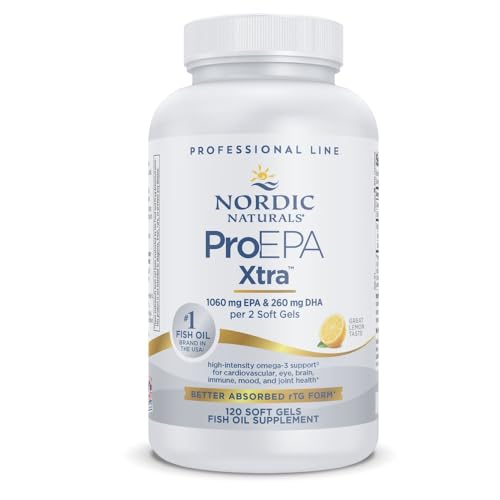
Nordic Naturals ProEPA Xtra, Lemon - 120 Soft Gels - 1640 mg Omega-3 - High-Intensity EPA Formula for Positive Mood, Heart Health & Cellular Function - Non-GMO - 60 Servings
High Potency EPA; ProEPA Xtra <strong>offers a high-potency EPA concentrate in fewer soft gels than our standard EPA product</strong>. It also supports healthy immunity, and has been shown by original
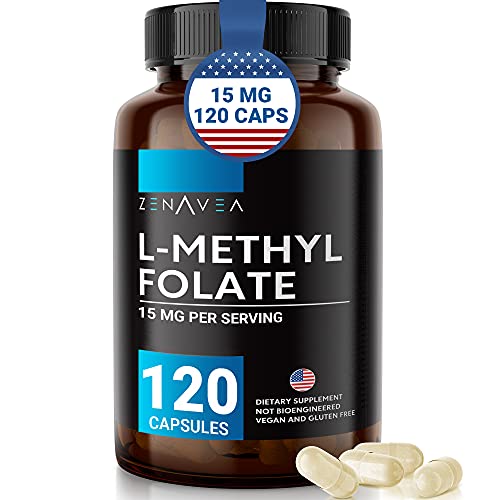
MethylPro L-Methylfolate 15 mg - Bioavailable Folate Supplement for Brain Health & Neurotransmitter Support - Vegetarian & Hypoallergenic - 30 Servings - 30 Count
Bioavailable L-Methylfolate Formula: MethylPro L-Methylfolate 15 mg <strong>delivers a professional-strength vitamin B9 supplement to support normal levels of serotonin, norepinephrine, and dopamine</
Health Disclaimer
This content is for informational purposes only and does not constitute medical advice. Always consult a qualified healthcare provider before starting, stopping, or changing any supplement or medication regimen.