

Eczema
Also known as: Atopic Dermatitis (Eczema), Atopic Dermatitis, Eczema (Atopic Dermatitis)
Overview
Eczema, most commonly referring to atopic dermatitis (AD), is a chronic inflammatory skin condition marked by itching, dryness, redness, and a disrupted skin barrier. It often begins in infancy or childhood, but it can also persist into adulthood or first appear later in life. Atopic dermatitis is part of the broader atopic spectrum, which may also include asthma, allergic rhinitis, and food allergy. The condition tends to follow a relapsing-remitting course, with periods of flares and relative calm.
At a biologic level, eczema is now understood as more than "dry skin." Research suggests it involves a combination of skin barrier dysfunction, immune dysregulation, genetic predisposition, and environmental triggers. Variants affecting proteins such as filaggrin have been associated with impaired barrier integrity in some patients, allowing greater water loss and increased penetration of irritants, allergens, and microbes. The result can be a cycle of itching, scratching, inflammation, and further barrier injury.
Eczema is common worldwide and carries a substantial quality-of-life burden. Studies indicate it can affect sleep, mental health, school or work performance, and family routines, especially when itching is severe. In children, prevalence is high in many countries, and adult disease is increasingly recognized. Severity varies widely: some individuals experience intermittent mild patches, while others have widespread inflammation, frequent infections, or significant psychosocial stress.
The term "eczema" is sometimes used broadly for several dermatitis conditions, but atopic dermatitis has specific diagnostic features and mechanisms. Common triggers or aggravating factors may include harsh soaps, climate changes, sweating, stress, infections, allergens, and irritant exposures, though triggers differ between individuals. Because many rashes can look similar, clinicians typically interpret eczema in the context of history, age, distribution of lesions, and associated atopic symptoms. Any persistent, severe, or atypical rash warrants evaluation by a qualified healthcare professional.
Compare Treatment Options
Eczema, most often referring to atopic dermatitis, is a chronic inflammatory skin condition marked by itching, dryness, redness, and a weakened skin barrier. Symptoms can wax and wane over time, and the condition often overlaps with other allergic or atopic conditions such as asthma or seasonal allergies. In many people, eczema is driven by a mix of genetics, immune dysregulation, skin-barrier dysfunction, and environmental triggers such as soaps, fragrances, heat, sweat, stress, or allergens. Treatment options vary because eczema is not a single uniform experience. Some people mainly struggle with dry, mildly itchy skin that responds to moisturization and trigger reduction, while others have frequent flares, sleep disruption, infection risk, or widespread inflammation that may require prescription anti-inflammatory treatment. Western care often emphasizes barrier repair and targeted control of inflammation, while Eastern approaches may focus on pattern-based treatment, itch reduction, stress regulation, and whole-body balance. A balanced plan often depends on flare severity, duration, lifestyle fit, urgency for relief, and comfort with treatment risk.
View treatment comparison (6 options)Medical Perspectives
Two Ways of Seeing Health

Western
scientific · clinical
Western medicine applies science, technology, and clinical experience to treat symptoms through testing, diagnosis, and targeted intervention.

Eastern
traditional · alternative
Eastern medicine focuses on treating the body naturally by applying traditional knowledge practiced for thousands of years, emphasizing balance and whole-person wellness.
Gold Bamboo presents both perspectives side-by-side so you can make informed decisions. We don't advocate for one over the other — your health choices are yours.
Western Medicine Perspective
Western Medicine Perspective
In conventional medicine, atopic dermatitis is understood as a multifactorial chronic inflammatory disease involving the interaction of genetics, the epidermal barrier, the immune system, skin microbiome changes, and environmental exposures. A major concept is barrier-first dysfunction: when the outer skin layer is compromised, it loses moisture and becomes more permeable. This can activate immune pathways—especially type 2 inflammation involving cytokines such as IL-4, IL-13, and IL-31—which contribute to itching and ongoing inflammation. Colonization with Staphylococcus aureus is also common and may worsen flares.
Diagnosis is generally clinical rather than dependent on a single test. Conventional assessment considers itch, chronicity, lesion appearance, distribution, age of onset, personal or family history of atopy, and signs of infection or complications. Differential diagnosis may include contact dermatitis, seborrheic dermatitis, psoriasis, scabies, fungal infection, and other inflammatory skin disorders. In some cases, patch testing, allergy evaluation, or further dermatologic assessment may be used when the presentation is unclear or when contact allergy is suspected.
Modern management frameworks focus on skin barrier support, trigger reduction, control of inflammation, and prevention of complications. Research-supported therapies include emollient-based skin care, topical anti-inflammatory medications, nonsteroidal topical agents, phototherapy, systemic immunomodulators, and biologic or targeted oral therapies for more severe disease. Clinical guidelines also emphasize treatment of secondary infection when present, monitoring for sleep disturbance and psychosocial burden, and adjusting therapy based on disease severity and body surface involvement. Because long-term disease control often requires an individualized plan, follow-up with a clinician is commonly important, especially for moderate-to-severe or treatment-resistant disease.
A growing area of research examines the relationship between eczema and food allergy, environmental allergy, microbiome interventions, and early-life prevention strategies. Evidence is strongest for established dermatologic and immunologic treatments, while many adjunctive approaches remain under study. Conventional medicine generally views atopic dermatitis as a condition that can often be managed effectively, but not universally eliminated, and recognizes that symptom patterns may change over time.
Eastern & Traditional Perspective
Eastern / Traditional Medicine Perspective
Traditional East Asian medicine systems, including Traditional Chinese Medicine (TCM), have historically described eczema-like disorders in terms of patterns of imbalance rather than a single disease entity. These patterns may include Wind, Dampness, Heat, Dryness, and Blood deficiency, with different presentations linked to different constitutional or environmental influences. For example, red, oozing, inflamed lesions may be interpreted as forms of Damp-Heat or Wind-Heat, while chronic dry, thickened, intensely itchy skin may be associated with Blood dryness, Yin deficiency, or lingering Wind. Pattern identification traditionally guides the choice of herbal formulas, acupuncture strategies, diet-related theory, and lifestyle balancing practices.
In Ayurveda, eczema is often discussed under frameworks related to Vicharchika or similar inflammatory skin disorders, involving imbalance among the doshas—particularly Pitta, Kapha, and Vata, depending on symptom expression. Oozing, heat, and redness may be viewed through a Pitta-Kapha lens, whereas dry, scaling, fissured skin may reflect greater Vata involvement. Ayurvedic traditions often place strong emphasis on digestion, detoxification concepts, constitutional tendencies, and the relationship between diet, stress, and skin health. Naturopathic and other traditional systems likewise tend to frame eczema as a sign of broader systemic imbalance involving inflammation, immune reactivity, stress load, environmental burden, and barrier weakness.
From an evidence standpoint, some traditional interventions—such as certain topical botanical preparations, acupuncture, and multi-herb formulas—have been studied for atopic dermatitis, but the quality and consistency of findings vary. Some trials suggest potential benefit for itch, sleep, or symptom scores, while other studies are limited by small sample size, heterogeneity of formulations, short follow-up, or variable methodological quality. Safety is an important consideration, especially with herbal products, because issues such as product quality, contamination, herb-drug interactions, and liver toxicity in rare cases have been reported in the broader literature.
Integrative care models sometimes incorporate traditional approaches alongside dermatologic management, particularly for chronic itch, stress reduction, and quality-of-life support. However, because eczema can overlap with infection, allergy, or other skin disease, traditional assessment is best understood as complementary to, rather than a replacement for, medical evaluation when symptoms are severe, worsening, widespread, or diagnostically uncertain.
Related Topics
Asthma
Asthma — condition topic in the Gold Bamboo health ontology.
Food Allergies
Food Allergies — condition topic in the Gold Bamboo health ontology.
How They Relate
Eczema (Atopic Dermatitis) & Asthma
Eczema (atopic dermatitis, AD) and asthma frequently coexist as part of the atopic spectrum. Epidemiologic studies show that people with AD have a higher risk of developing asthma, especially when ...
Eczema (Atopic Dermatitis) & Food Allergies (IgE- and non–IgE–mediated)
Eczema (atopic dermatitis, AD) and food allergies often travel together, especially in infancy and early childhood. Understanding how and why they co‑occur helps families and clinicians choose test...
Supplements & Products
Recommended Products

The Good Skin Solution: Natural Healing for Eczema, Psoriasis, Rosacea and Acne: Jones, Shann Nix
Discover the surprising connection between your skin and gut health with this easy-to-understand guide on natural treatments for eczema and other skin conditions Eczema is the most common skin disorde
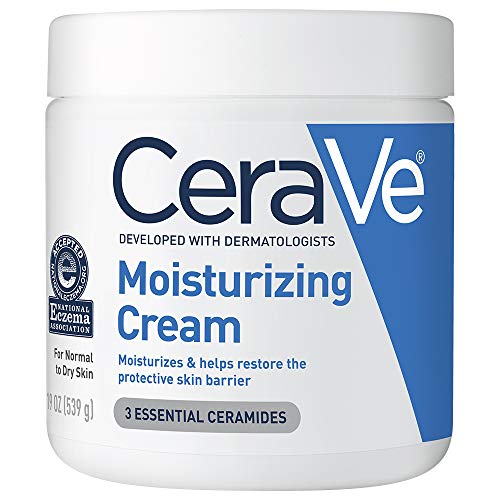
CeraVe Moisturizing Cream, Body and Face Moisturizer for Dry Skin, Body Cream with Hyaluronic Acid and Ceramides, Daily Moisturizer, Oil-Free, Fragrance Free, Non-Comedogenic, 19 Ounce
Amazon.com : CeraVe Moisturizing Cream, Body and Face Moisturizer for Dry Skin, <strong>Body Cream with Hyaluronic Acid and Ceramides</strong>, Daily Moisturizer, Oil-Free, Fragrance Free, Non-Comedog
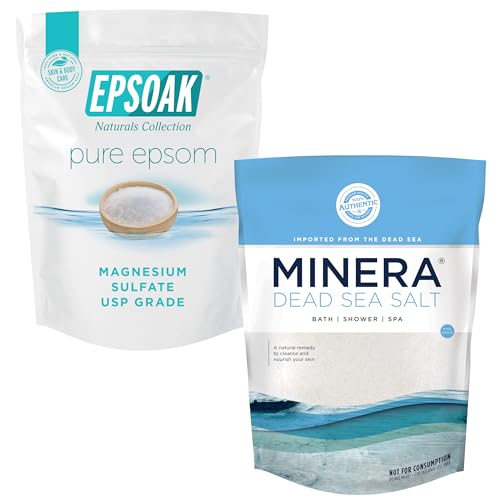
Minera Fine Grain Dead Sea Salt for Bath & Foot Soaks – 5 lbs, Fast-Dissolving, 100% Pure and Natural, Unscented, Skin-Softening Sea Salt : Bath Minerals And Salts
Amazon.com : Minera Fine Grain Dead Sea Salt for Bath & Foot Soaks – 5 lbs, <strong>Fast-Dissolving, 100% Pure and Natural, Unscented, Skin-Softening Sea Salt</strong> : Bath Minerals And Salts :
Evidence & Sources
Supported by multiple clinical trials and systematic reviews
- American Academy of Dermatology
- American Academy of Allergy, Asthma & Immunology
- National Institute of Allergy and Infectious Diseases (NIAID)
- National Eczema Association
- National Center for Complementary and Integrative Health (NCCIH)
- The Lancet
- Journal of Allergy and Clinical Immunology
- The New England Journal of Medicine
- British Journal of Dermatology
- World Allergy Organization Journal
This content is for informational purposes only and does not constitute medical advice. Always consult a qualified healthcare provider before starting, stopping, or changing any supplement or medication regimen.