

Food Allergies
Also known as: IgE- and non–IgE–mediated, Food Allergies (IgE- and non–IgE–mediated)
Overview
Food allergies are adverse immune reactions to foods, and they are generally divided into IgE-mediated and non–IgE-mediated forms, with some conditions showing mixed immune patterns. In IgE-mediated food allergy, the immune system produces immunoglobulin E (IgE) antibodies against specific food proteins. This can trigger symptoms within minutes to a few hours after exposure, ranging from hives, swelling, vomiting, and wheezing to anaphylaxis, a severe systemic reaction. Non–IgE-mediated food allergy involves other immune pathways and tends to cause delayed symptoms, often affecting the gastrointestinal tract and skin. Examples include food protein-induced enterocolitis syndrome (FPIES), food protein-induced allergic proctocolitis, and some presentations of eosinophilic gastrointestinal disease, although classification can vary by condition.
Food allergy has become a major public health concern in many countries. Research suggests that children are affected more often than adults, though adult-onset food allergy also occurs. Common trigger foods include cow’s milk, egg, peanut, tree nuts, soy, wheat, fish, and shellfish, with important geographic variation. Some allergies, such as milk and egg allergy in childhood, may resolve over time, while others, such as peanut, tree nut, fish, and shellfish allergy, are more likely to persist. Distinguishing food allergy from food intolerance is essential: intolerances, such as lactose intolerance, do not involve the same immune mechanisms and are managed differently.
The impact of food allergy extends beyond acute symptoms. It can affect nutrition, growth, social participation, school and workplace safety, and psychological well-being. Families often face challenges related to label reading, cross-contact, dining outside the home, and uncertainty about reactions. In non–IgE-mediated disease, diagnosis may be especially delayed because symptoms can be subtle, chronic, or overlap with other digestive and dermatologic conditions.
From a clinical standpoint, food allergy is best understood as a spectrum of immune-mediated disorders rather than a single diagnosis. Accurate characterization of the reaction type matters because it shapes evaluation, monitoring, prognosis, and the language clinicians use to discuss risk. Across both conventional and traditional health systems, there is broad recognition that immune reactivity to foods can reflect a complex interplay among genetic predisposition, barrier function, immune regulation, environmental exposures, and gut health, although these systems explain the process in different ways. Because severe reactions can occur, especially in IgE-mediated allergy, assessment by a qualified healthcare professional is considered important.
Medical Perspectives
Two Ways of Seeing Health

Western
scientific · clinical
Western medicine applies science, technology, and clinical experience to treat symptoms through testing, diagnosis, and targeted intervention.

Eastern
traditional · alternative
Eastern medicine focuses on treating the body naturally by applying traditional knowledge practiced for thousands of years, emphasizing balance and whole-person wellness.
Gold Bamboo presents both perspectives side-by-side so you can make informed decisions. We don't advocate for one over the other — your health choices are yours.
Western Medicine Perspective
Western Medicine Perspective
In conventional medicine, food allergy is understood as an immune-mediated hypersensitivity to specific food proteins. IgE-mediated allergy occurs when sensitization leads to mast cell and basophil activation on re-exposure, releasing histamine and other mediators. This mechanism helps explain the rapid onset of symptoms such as urticaria, angioedema, coughing, wheezing, vomiting, and cardiovascular compromise. Non–IgE-mediated allergy is less straightforward immunologically and is thought to involve cell-mediated and other inflammatory pathways, leading to more delayed manifestations such as chronic vomiting, diarrhea, blood or mucus in stools, feeding difficulties, poor growth, or dermatitis-like symptoms, depending on the condition.
Diagnosis in western medicine relies on a combination of clinical history, timing of symptoms, physical findings, and targeted testing. For suspected IgE-mediated allergy, clinicians may use skin prick testing, serum specific IgE testing, and in selected cases component-resolved diagnostics to improve risk assessment. However, positive sensitization tests alone do not confirm clinical allergy, since sensitization can exist without symptoms. The oral food challenge, performed in a supervised medical setting, is widely regarded as the reference standard when diagnosis is uncertain. For non–IgE-mediated allergy, there is often no single confirmatory laboratory test; diagnosis may depend on careful history, elimination and reintroduction patterns, specialist evaluation, endoscopy/biopsy in some gastrointestinal disorders, and observation over time.
Conventional management focuses on accurate diagnosis, avoidance of confirmed triggers, emergency preparedness for severe reactions, nutritional monitoring, and periodic reassessment for tolerance development. Research over the last decade has also expanded interest in oral immunotherapy and related desensitization approaches for selected IgE-mediated allergies, particularly peanut, though these strategies involve benefits, risks, and ongoing specialist supervision. Studies also continue to examine the role of early introduction of allergenic foods in infancy for prevention in some populations, reflecting a shift from older avoidance-based thinking. Overall, the evidence base in western medicine is strongest for diagnosis, epidemiology, prevention strategies in infancy, and emergency management of IgE-mediated allergy, while non–IgE-mediated conditions remain more heterogeneous and in some areas less standardized.
Eastern & Traditional Perspective
Eastern/Traditional Medicine Perspective
Traditional medical systems do not typically classify food allergy according to IgE or non–IgE pathways, but many describe patterns that overlap with recurrent food reactivity, digestive disturbance, skin eruptions, and respiratory symptoms. In Traditional Chinese Medicine (TCM), food-related hypersensitivity may be interpreted through patterns involving Spleen deficiency, Damp accumulation, Wei Qi imbalance, or Lung and Skin disharmony. A tendency toward loose stools, poor appetite, bloating, eczema, or recurrent mucus may be viewed as reflecting impaired transformation and transportation of الغذاء and fluids, while sudden rashes or swelling after exposure may be framed as an acute manifestation of Wind or Heat acting on a susceptible terrain.
In Ayurveda, food reactivity may be discussed in relation to impaired digestion (agni), accumulation of metabolic byproducts (ama), imbalance in doshas, and altered tissue responses. Gastrointestinal symptoms may be associated with derangements in Pitta or Kapha, while chronic skin manifestations may be understood through a broader systemic imbalance affecting digestion, immunity, and elimination. Naturopathic and functional traditions often emphasize barrier integrity, inflammatory load, microbiome balance, and individual susceptibility, concepts that sometimes parallel emerging biomedical interest in epithelial function and immune regulation, though the language and level of evidence differ.
Traditional approaches have historically focused on pattern assessment, dietary observation, and constitutional support rather than isolated allergen-specific immunology. Some practitioners may incorporate herbal medicine, acupuncture, digestive support strategies, or broader lifestyle frameworks. However, the research base for these approaches in true food allergy, especially IgE-mediated allergy with anaphylaxis risk, remains limited compared with conventional allergy medicine. Available studies are often small, heterogeneous, or focused on related conditions such as eczema, functional gastrointestinal symptoms, or immune modulation rather than clearly diagnosed food allergy. For that reason, traditional frameworks are best understood as complementary explanatory models rather than replacements for medical evaluation, particularly where severe or rapidly progressive reactions are possible.
Related Topics
Eczema
Eczema — condition topic in the Gold Bamboo health ontology.
How They Relate
Eczema (Atopic Dermatitis) & Food Allergies (IgE- and non–IgE–mediated)
Eczema (atopic dermatitis, AD) and food allergies often travel together, especially in infancy and early childhood. Understanding how and why they co‑occur helps families and clinicians choose test...
Supplements & Products
Recommended Products

Food Allergies: A Complete Guide for Eating When Your Life Depends on It (A Johns Hopkins Press Health Book): Sicherer, Scott H.
Scott H. Sicherer, MD, is a professor of pediatrics and the director of the Jaffe Food Allergy Institute at the Icahn School of Medicine at Mount Sinai. He is the deputy editor of the Journal of Aller

EpiPen Trainer, Reusable for CPR & First Aid Training
Epi Pen Trainer Practice Device. <strong>Designed to replicate the real Epi Pen or Epi Pen Jr Auto-Injector</strong>. Be prepared to respond to an allergic emergency (anaphylaxis).
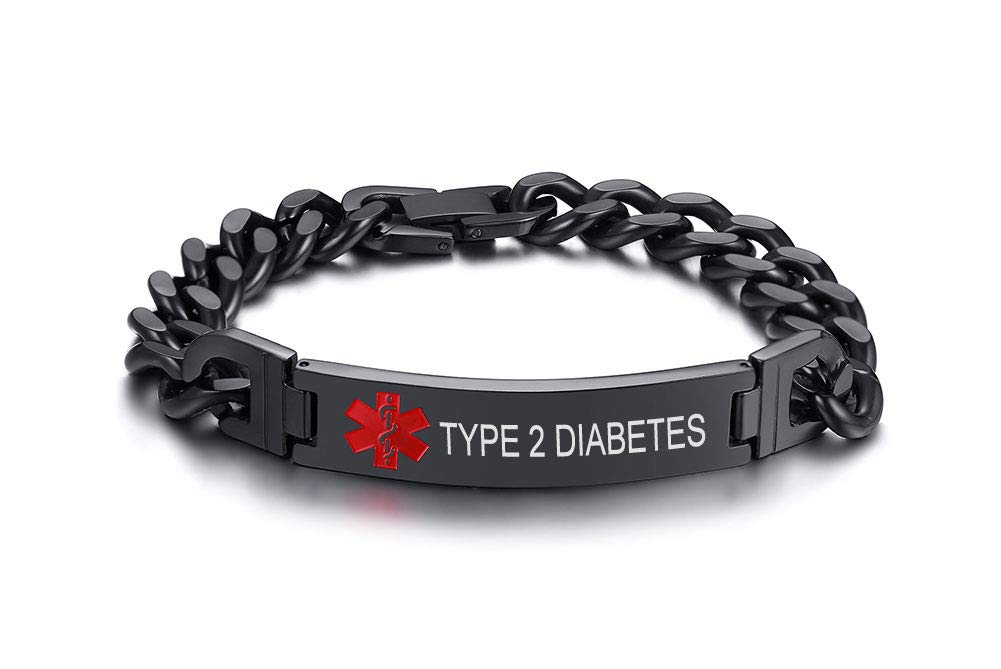
VNOX Medical Alert Bracelets for Men Women with Free Engraving Adjustable Leather Emergency Medical ID Bracelets Wristband,Black
Medical Bracelets Size: Width 0.5 Inches(14mm), Length 6-8.2 inches(150-215mm). Material: <strong>316L Stainless Steel+ Leather, Never Rust, Sturdy and Durable, High Quality</strong>. PEOPLE WITH THE
Evidence & Sources
Promising research with growing clinical support from multiple studies
- NIAID-Sponsored Expert Panel, Guidelines for the Diagnosis and Management of Food Allergy
- American Academy of Allergy, Asthma & Immunology (AAAAI)
- European Academy of Allergy and Clinical Immunology (EAACI)
- World Allergy Organization (WAO)
- National Institute of Allergy and Infectious Diseases (NIAID)
- New England Journal of Medicine (LEAP study)
- The Journal of Allergy and Clinical Immunology
- NCCIH (National Center for Complementary and Integrative Health)
This content is for informational purposes only and does not constitute medical advice. Always consult a qualified healthcare provider before starting, stopping, or changing any supplement or medication regimen.