

Eczema (Atopic Dermatitis) and Food Allergies (IgE- and non–IgE–mediated)
Eczema (atopic dermatitis, AD) and food allergies often travel together, especially in infancy and early childhood. Understanding how and why they co‑occur helps families and clinicians choose testing and care plans that are both safer and more effective. Epidemiology shows clear overlap: children with eczema are several times more likely to have a true, challenge‑proven food allergy than children without eczema, with risk highest in those with early‑onset, moderate‑to‑severe disease. This fits the “atopic march,” where eczema tends to appear first, followed by food allergy, allergic rhinitis, and asthma in some children. In adults, new food allergy is less common and the link to eczema is weaker. Biology connects the two. Many people with eczema have a weakened skin barrier—sometimes due to filaggrin (FLG) gene variants—allowing allergens to enter through broken skin and drive a type‑2 immune response (IL‑4/IL‑13) and IgE production. Environmental exposure to food proteins (for example, peanut dust in household dust) and microbiome imbalances of the skin and gut may further tilt toward sensitization. Together, these factors make food allergy more likely in a subset of children with eczema. Clinically, food can trigger two different patterns: immediate, IgE‑mediated reactions (minutes to 2 hours; hives, vomiting, wheeze, anaphylaxis), and delayed eczematous flares (hours to days) that are harder to prove and less common. Typical culprits in infants and toddlers include egg, cow’s milk, peanut, soy, and wheat. The worse and earlier the eczema, the higher the chance of food allergy—but most eczema flares are not caused by food. Diagnosis relies on history first, then targeted tests when appropriate. Skin prick tests (SPT) and serum specific IgE (sIgE) can suggest sensitization but often over‑call allergy; component‑resolved diagnostics (for example, Ara h 2 for peanut) may refine risk. The oral food challenge, performed by an allergy specialist, remains the gold‑標
Updated September 8, 2026This content is for informational purposes only and does not constitute medical advice. Always consult a qualified healthcare provider before starting, stopping, or changing any supplement or medication regimen.
Shared Risk Factors
Filaggrin (FLG) loss-of-function and skin barrier defects
Strong EvidenceFLG variants reduce natural moisturizing factors, increasing transepidermal water loss and microfissures that permit allergen entry, promoting sensitization.
Type 2 immune bias (IL-4/IL-13/TSLP axis)
Moderate EvidenceEpithelial alarmins drive Th2-skewed responses that sustain eczema inflammation and IgE class-switching to foods.
Environmental food protein exposure through impaired skin
Moderate EvidencePeanut and other food proteins in household dust can contact inflamed skin, leading to sensitization, especially when barrier is compromised.
Microbiome dysbiosis (skin and gut)
Emerging ResearchReduced microbial diversity and shifts in commensals (e.g., Staphylococcus aureus overgrowth on skin; altered infant gut flora) correlate with atopy.
Early-life eczema severity and age of onset
Strong EvidenceSevere, early-onset eczema predicts higher likelihood of food allergy and earlier sensitization.
Irritants and dry environment (soaps, detergents, hard water)
Emerging ResearchIrritants worsen barrier dysfunction, potentially increasing percutaneous allergen entry.
Comorbidity Data
Prevalence
Children with eczema have substantially higher odds of food allergy; meta-analysis suggests ~6-fold increased odds of challenge-proven allergy versus children without eczema. In specialty cohorts of infants with moderate–severe eczema, roughly 20–40% have IgE-mediated food allergy, varying by population and methodology. Adult-onset food allergy among people with eczema is less common.
Mechanistic Link
Skin barrier defects (often driven by FLG variants) allow environmental food proteins to penetrate inflamed skin. Keratinocyte alarmins (TSLP, IL-33) promote a Th2 milieu, leading to IgE class switching. Environmental exposures (e.g., peanut dust) and microbiome shifts further prime sensitization. This transcutaneous route complements, and may compete with, the oral route that typically promotes tolerance.
Clinical Implications
Infants with early, moderate–severe eczema are considered high risk for food allergy. Early, guided introduction of peanut and egg reduces future allergy in many of these infants. Routine broad food avoidance is not recommended for eczema alone; targeted evaluation is reserved for suggestive histories. Coordination between dermatology, allergy, and nutrition helps prevent over-restriction and growth compromise.
Sources (5)
- Tsakok T et al. J Allergy Clin Immunol. 2016. Systematic review/meta-analysis on AD and food allergy
- Du Toit G et al. N Engl J Med. 2015. LEAP trial
- Perkin MR et al. N Engl J Med. 2016. EAT trial
- Brown SJ & McLean WHI. J Allergy Clin Immunol. 2012. Filaggrin and allergic disease
- Brough HA et al. J Allergy Clin Immunol. 2013. Environmental peanut exposure and sensitization
Overlapping Treatments
Early introduction of allergenic foods (e.g., peanut, egg) in high‑risk infants
Strong EvidenceDoes not treat eczema directly but early, supervised introduction has not been shown to worsen eczema and can reduce anxiety around feeding.
Strongly reduces risk of developing peanut allergy; evidence suggests benefit for egg with appropriate protocols.
High‑risk infants (severe eczema and/or existing egg allergy) should be evaluated by an allergy specialist before introduction; not a treatment for existing anaphylactic allergy.
Targeted dietary avoidance with dietitian guidance (when allergy is confirmed)
Moderate EvidenceMay reduce eczematous flares in the subset with proven food triggers; avoids unnecessary restrictions that can worsen eczema care burden.
Prevents reactions and supports safe nutrition planning.
Over‑restriction without confirmed allergy risks nutrient deficiencies and impaired growth; periodic reassessment for tolerance is important.
Skin barrier optimization (liberal emollients, gentle cleansing, topical anti‑inflammatories)
Emerging ResearchCore strategy to reduce flares and itch; restores barrier function.
By minimizing skin inflammation and permeability, may lower risk of transcutaneous sensitization over time.
Emollients alone have not consistently prevented eczema or food allergy in RCTs; still essential for eczema management.
Anti‑IgE biologic (omalizumab)
Strong EvidenceMay modestly improve itch/urticaria symptoms in some patients but is not a primary eczema therapy.
Reduces reactions to accidental exposures and can facilitate oral immunotherapy for multiple foods.
Specialist therapy; does not replace avoidance or emergency plans; cost and access considerations.
IL‑4Rα blockade (dupilumab)
Emerging ResearchSubstantially improves moderate–severe eczema by dampening type‑2 inflammation.
Lowers total and specific IgE; preliminary data suggest reduced reactivity for some, but it does not reliably induce oral tolerance.
Not a substitute for confirmed food allergy management; specialist oversight required.
Probiotics/prebiotics (strain‑specific)
Emerging ResearchSmall, strain‑dependent reductions in eczema severity reported in some studies.
Inconsistent evidence for preventing or treating food allergy.
Benefits are strain‑ and population‑specific; discuss suitability and safety with clinicians.
Medical Perspectives
Two Ways of Seeing Health

Western
scientific · clinical
Western medicine applies science, technology, and clinical experience to treat symptoms through testing, diagnosis, and targeted intervention.
Surgeons · Pharmaceuticals · Clinical trials · Diagnostics 
Eastern
traditional · alternative
Eastern medicine focuses on treating the body naturally by applying traditional knowledge practiced for thousands of years, emphasizing balance and whole-person wellness.
Acupuncture · Herbal medicine · Yoga · Meditation
Gold Bamboo presents both perspectives side-by-side so you can make informed decisions. We don't advocate for one over the other — your health choices are yours.
Two Ways of Seeing Health
Western
scientific · clinical
Western medicine applies science, technology, and clinical experience to treat symptoms through testing, diagnosis, and targeted intervention.
Eastern
traditional · alternative
Eastern medicine focuses on treating the body naturally by applying traditional knowledge practiced for thousands of years, emphasizing balance and whole-person wellness.
Gold Bamboo presents both perspectives side-by-side so you can make informed decisions. We don't advocate for one over the other — your health choices are yours.
Western Perspective
Western medicine views eczema and food allergies as related atopic conditions that share genetic risk, epithelial barrier dysfunction, and type‑2 immune activation. The relationship is strongest in infants with early, moderate–severe eczema, where transcutaneous sensitization can precede clinical food allergy. Testing and treatment emphasize differentiating sensitization from true allergy and balancing skin care with safe nutrition.
Key Insights
- Children with eczema have markedly higher odds of challenge‑proven food allergy; risk tracks with severity and early onset.
- Barrier defects (including filaggrin variants) and environmental food protein exposure through inflamed skin likely drive sensitization.
- Immediate IgE‑mediated reactions must be distinguished from delayed eczematous flares, which are harder to confirm and less common.
- SPT and sIgE indicate sensitization, not necessarily clinical allergy; oral food challenge remains the diagnostic gold standard.
- Early introduction of peanut (and, with protocols, egg) lowers future allergy risk in high‑risk infants without worsening eczema.
Treatments
- Eczema control: emollients, topical corticosteroids or calcineurin inhibitors; infection control when indicated
- Targeted testing (SPT/sIgE; component testing) guided by history; oral food challenges in specialist settings
- Early guided introduction of allergenic foods for high‑risk infants (per guidelines)
- For confirmed food allergy: avoidance plans, education, emergency preparedness; consideration of OIT/adjunct biologics in select cases
- Multidisciplinary care with dermatology, allergy, and nutrition to avoid over‑restriction and monitor growth
Deep Dive
From a western clinical lens, eczema and food allergies share a common atopic foundation but are not interchangeable. Epidemiology highlights th... From a western clinical lens, eczema and food allergies share a common atopic foundation but are not interchangeable. Epidemiology highlights their overlap: children with atopic dermatitis, particularly those with early onset and moderate–to–severe disease, have markedly higher odds of food allergy confirmed by oral food challenge. Mechanistic studies explain why. Defects in the epidermal barrier—including filaggrin loss‑of‑function variants—allow environmental food proteins to penetrate through inflamed skin. Keratinocyte alarmins like TSLP and IL‑33 prompt a type‑2 immune cascade (IL‑4/IL‑13), driving IgE class switching. Environmental peanut protein in dust has been associated with increased sensitization in households with atopic children, reinforcing the importance of the skin as an immune gateway. Clinically, two patterns are important to distinguish. Immediate, IgE‑mediated reactions occur within minutes to two hours of ingestion and can include hives, vomiting, wheeze, or anaphylaxis. Delayed eczematous flares after food exposure can occur but are harder to prove and are less common than many families expect. Because skin prick tests and serum specific IgE detect sensitization rather than clinical reactivity, they have limited positive predictive value when used broadly in eczema. Component‑resolved diagnostics (e.g., Ara h 2 for peanut) can refine risk but do not replace the gold‑standard oral food challenge, which remains the definitive test when the history is equivocal. Management balances skin care with safe nutrition. For eczema, barrier repair with emollients, topical anti‑inflammatories, infection control, and trigger minimization are foundational. For confirmed food allergy, strict avoidance, nutrition counseling, and emergency preparedness are central; omalizumab and oral immunotherapy are options in select settings. Importantly, early introduction of peanut—and with appropriate protocols, egg—reduces the development of food allergy in high‑risk infants and does not worsen eczema. Broad elimination diets without clear evidence of allergy can lead to nutritional compromise and should be avoided. Coordinated care between dermatology, allergy, and nutrition helps families target testing, avoid over‑restriction, and periodically reassess for tolerance as many children outgrow milk and egg allergies.
Sources
- NIAID-Sponsored Guidelines for the Diagnosis and Management of Food Allergy in the United States, 2010; Addendum Guidelines for Prevention of Peanut Allergy, 2017
- EAACI Guidelines for Food Allergy Diagnosis, 2020
- American Academy of Dermatology (AAD) Atopic Dermatitis Guidelines
- Tsakok T et al. J Allergy Clin Immunol. 2016
- Du Toit G et al. N Engl J Med. 2015 (LEAP); Perkin MR et al. N Engl J Med. 2016 (EAT)
- Brough HA et al. J Allergy Clin Immunol. 2013
- Chalmers JR et al. Lancet. 2020 (BEEP trial)
- NEJM 2024: Omalizumab for multiple food allergies (OUtMATCH)
Eastern Perspective
Traditional systems frame eczema and food reactions as interconnected disturbances of the body’s terrain—particularly digestion, fluid metabolism, and defensive qi. In Traditional Chinese Medicine (TCM), atopic dermatitis often reflects wind‑damp‑heat with underlying blood or yin deficiency, while food reactions may arise from spleen qi deficiency and dampness accumulation. Ayurveda describes related imbalances of agni (digestive fire), ama (metabolic residues), and pitta/kapha aggravation affecting the skin. Care focuses on calming itch and inflammation, restoring barrier integrity, and improving digestive resilience with individualized diet and botanicals.
Key Insights
- Diet is personalized: emphasis on easily digestible, minimally processed foods while temporarily reducing items believed to promote dampness or heat during flares.
- Skin and gut are linked; supporting digestion (spleen qi/agni) is thought to reduce reactivity and improve the skin milieu.
- External and internal herbal therapies are used to clear heat/dampness and nourish blood/skin, alongside mindfulness and stress reduction to mitigate itch–scratch cycles.
- Acupuncture and acupressure are used to modulate itch and stress, potentially influencing neuroimmune pathways.
Treatments
- TCM herbal formulas (e.g., Xiao‑Feng‑San–based patterns) under qualified supervision
- Gentle topical botanicals and barrier‑supportive oils (e.g., sunflower oil) avoiding known allergens
- Acupuncture for itch and stress modulation
- Ayurvedic dietary guidance to support agni and reduce ama; selected herbs such as turmeric and neem within traditional frameworks
- Probiotics/fermented foods as tolerated to support the gut ecosystem
Deep Dive
Traditional and integrative frameworks view the skin and digestion as a continuous ecosystem. In Traditional Chinese Medicine (TCM), atopic derm... Traditional and integrative frameworks view the skin and digestion as a continuous ecosystem. In Traditional Chinese Medicine (TCM), atopic dermatitis often reflects wind and damp‑heat at the surface, underpinned by blood or yin deficiency. Food reactions may arise when spleen qi is weak, leading to dampness and phlegm that manifest as bloating, loose stools, or skin aggravation. Ayurveda similarly links chronic itching and erythema to pitta/kapha aggravation with impaired agni (digestive fire) and accumulation of ama (metabolic residues). From these perspectives, a reactive skin state and heightened food responses share roots in terrain imbalance rather than isolated organ dysfunction. Care emphasizes restoring harmony: calming itch and heat, supporting barrier integrity, and improving digestive resilience. Diet is individualized, prioritizing simple, home‑cooked foods; during flares, some traditions temporarily reduce items believed to aggravate dampness or heat (oily, very sweet, or heavily processed foods), while reintroducing variety as the skin stabilizes. TCM herbal formulas—often Xiao‑Feng‑San–based when wind‑damp‑heat predominates—aim to clear heat and nourish blood, and are adjusted to the patient’s pattern by trained practitioners. Gentle external applications and barrier‑supportive plant oils such as sunflower may help the stratum corneum without introducing new allergens. Acupuncture is used to reduce itch perception and stress, which can lessen scratching and secondary inflammation. Evidence for these approaches is evolving. Small trials and reviews suggest potential benefits of certain herbal combinations and probiotics for eczema symptoms, though product standardization and safety monitoring are essential. For food allergy, traditional systems rarely claim to replace strict avoidance or emergency plans; instead, they focus on building tolerance capacity by improving digestion, sleep, and stress balance while coordinating with biomedical allergy care. This integrative stance aligns with modern recognition that skin integrity, neuroimmune pathways, and the microbiome influence both eczema and allergic reactivity. Thoughtful collaboration between qualified traditional practitioners and conventional clinicians can help tailor diet and topical care while safeguarding nutrition and allergy safety.
Sources
- Hon KL et al. World J Dermatol. 2015 (review of Chinese herbal medicine in AD)
- Cochrane Review: Probiotics for eczema, 2018
- Cochrane Review: Acupuncture for eczema (limited/inconclusive evidence)
- Classical TCM and Ayurvedic texts and contemporary integrative reviews
Evidence Ratings
Children with eczema have substantially increased odds of challenge‑proven food allergy compared with children without eczema.
Tsakok T et al. J Allergy Clin Immunol. 2016. Systematic review/meta-analysis
Filaggrin loss‑of‑function variants raise risk of both eczema and peanut allergy.
Brown SJ & McLean WHI. J Allergy Clin Immunol. 2012. Review of filaggrin and allergic disease
Environmental peanut protein exposure to inflamed skin increases risk of peanut sensitization.
Brough HA et al. J Allergy Clin Immunol. 2013
Early, guided peanut introduction in infants with severe eczema and/or egg allergy reduces peanut allergy by about 70–80%.
Du Toit G et al. N Engl J Med. 2015 (LEAP trial)
Routine elimination diets rarely improve eczema without confirmed allergy and can impair nutrition and growth.
NICE CG116 (2011) and AAD Atopic Dermatitis Guidelines
Probiotics provide small, strain‑specific improvements in eczema severity; effects on food allergy are inconsistent.
Cochrane Review, 2018
Omalizumab reduces reactions to accidental food exposures and can facilitate OIT; effects on eczema are limited.
NEJM 2024: OUtMATCH trial
Dupilumab improves moderate–severe eczema and lowers IgE levels but does not reliably induce food tolerance.
AAD Atopic Dermatitis Guidelines; observational reports
Sources
- Tsakok T, Marrs T, Mahmou A, et al. Does atopic dermatitis cause food allergy? A systematic review and meta-analysis. J Allergy Clin Immunol. 2016.
- Du Toit G, Roberts G, Sayre PH, et al. Randomized trial of peanut consumption in infants at risk for peanut allergy (LEAP). N Engl J Med. 2015.
- Perkin MR, Logan K, Tseng A, et al. Randomized trial of introduction of allergenic foods in breast-fed infants (EAT). N Engl J Med. 2016.
- Brown SJ, McLean WHI. One remarkable molecule: Filaggrin. J Allergy Clin Immunol. 2012.
- Brough HA, Liu AH, Sicherer S, et al. Atopic dermatitis increases the effect of environmental peanut exposure on peanut sensitization. J Allergy Clin Immunol. 2013.
- NIAID-Sponsored Food Allergy Guidelines (2010) and Addendum Guidelines for the Prevention of Peanut Allergy (2017).
- EAACI Guidelines on the diagnosis of IgE-mediated food allergy (2020).
- American Academy of Dermatology (AAD) Atopic Dermatitis Guidelines (updates through 2023).
- Chalmers JR, et al. Daily emollient during infancy for prevention of atopic dermatitis (BEEP). Lancet. 2020.
- Cochrane Review: Probiotics for eczema. 2018.
- NEJM. 2024. Omalizumab for the treatment of multiple food allergies (OUtMATCH).
- NICE CG116: Food allergy in under 19s: assessment and diagnosis. 2011.
Related Topics
Topics
- Atopic Dermatitis
- Peanut Allergy
- Egg Allergy
- Cow’s Milk Allergy
Recommended Products

Food Allergies: A Complete Guide for Eating When Your Life Depends on It (A Johns Hopkins Press Health Book): Sicherer, Scott H.
Scott H. Sicherer, MD, is a professor of pediatrics and the director of the Jaffe Food Allergy Institute at the Icahn School of Medicine at Mount Sinai. He is the deputy editor of the Journal of Aller
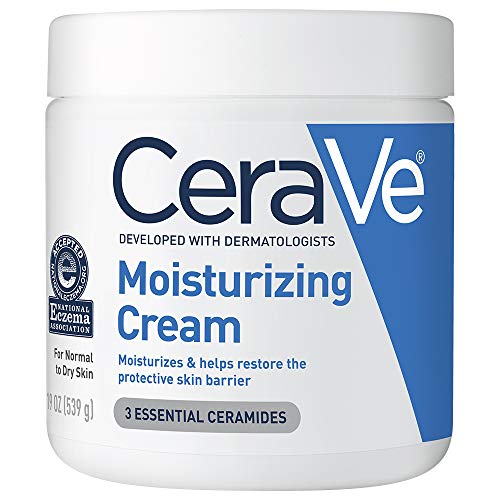
CeraVe Moisturizing Cream, Body and Face Moisturizer for Dry Skin, Body Cream with Hyaluronic Acid and Ceramides, Daily Moisturizer, Oil-Free, Fragrance Free, Non-Comedogenic, 19 Ounce
Amazon.com : CeraVe Moisturizing Cream, Body and Face Moisturizer for Dry Skin, <strong>Body Cream with Hyaluronic Acid and Ceramides</strong>, Daily Moisturizer, Oil-Free, Fragrance Free, Non-Comedog

Vanicream Moisturizing Skin Cream with Pump Dispenser - 16 fl oz (1 lb) - Moisturizer Formulated Without Common Irritants for Those with Sensitive Skin
Vanicream Gentle Facial Cleanser with Pump Dispenser - 8 fl oz - Formulated Without Common Irritants for Those with Sensitive Skin ... La Roche-Posay Toleriane Hydrating Gentle Face Cleanser, Hydratin
Health Disclaimer
This content is for informational purposes only and does not constitute medical advice. Always consult a qualified healthcare provider before starting, stopping, or changing any supplement or medication regimen.