

Eczema (Atopic Dermatitis) and Asthma
Eczema (atopic dermatitis, AD) and asthma frequently coexist as part of the atopic spectrum. Epidemiologic studies show that people with AD have a higher risk of developing asthma, especially when AD is early-onset, moderate-to-severe, or accompanied by allergic sensitization. This progression—often called the atopic march—typically moves from eczematous skin inflammation in infancy to allergic rhinitis and/or asthma in later childhood, though adult-onset patterns also occur. Shared biology underpins this connection: type 2 (Th2) immune skewing mediated by interleukins 4 and 13, elevated IgE, epithelial alarmins (TSLP, IL-33), and eosinophilia create a systemic allergic milieu. In AD, skin barrier defects—exacerbated by filaggrin (FLG) mutations—permit epicutaneous allergen sensitization that may prime airway hyperreactivity, linking cutaneous and respiratory disease. Co-occurrence is clinically meaningful. About 20–30% of individuals with AD report asthma, and 30–50% of children with moderate–severe AD may develop asthma over time. While controlling eczema has many benefits, robust evidence that eczema treatment alone prevents asthma is limited; however, reducing allergen exposure, treating comorbid allergic rhinitis, and controlling systemic type 2 inflammation can improve overall outcomes. The advent of targeted biologics—particularly IL-4/IL-13 blockade with dupilumab—demonstrates that a single pathway can be therapeutically leveraged across skin and airway, improving eczema severity and asthma control in appropriately selected patients. Shared risk factors include family history of atopy, FLG loss-of-function variants, early-life allergic sensitization, tobacco smoke and air pollution, obesity, and microbiome perturbations. Overlapping management focuses on: trigger avoidance (smoke, aeroallergens, irritants), vaccination and infection prevention, short courses of systemic corticosteroids for acute severe flares/exacerbations (with caution), and select immuno
Updated September 8, 2026This content is for informational purposes only and does not constitute medical advice. Always consult a qualified healthcare provider before starting, stopping, or changing any supplement or medication regimen.
Shared Risk Factors
Family history and personal atopy
Strong EvidenceA parental or sibling history of atopic diseases (AD, asthma, allergic rhinitis) strongly increases risk for both eczema and asthma via shared genetic and immune predisposition.
Filaggrin (FLG) loss-of-function variants
Strong EvidenceFLG mutations disrupt the skin barrier, promoting epicutaneous allergen sensitization and systemic type 2 inflammation; in the presence of AD, these variants also increase asthma risk.
Early-life allergic sensitization and elevated IgE
Strong EvidenceInfantile sensitization to foods or aeroallergens and high total/specific IgE predict subsequent atopic airway disease.
Tobacco smoke and air pollution (PM2.5, NO2)
Strong EvidenceEnvironmental pollutants promote epithelial injury and Th2-skewed inflammation, worsening both conditions and increasing incidence in children.
Microbiome alterations (skin–gut–lung axis)
Emerging ResearchMicrobial dysbiosis (e.g., Staphylococcus aureus skin colonization; reduced gut microbial diversity in infancy) associates with atopy and may influence immune maturation across organs.
Obesity and metabolic inflammation
Moderate EvidenceAdipose-driven systemic inflammation and reduced lung mechanics contribute to worse control; obesity associates with higher AD prevalence and severity in some cohorts.
Psychological stress and poor sleep
Emerging ResearchNeuroimmune interactions and cortisol dysregulation can exacerbate pruritus, scratching, and airway reactivity.
Comorbidity Data
Prevalence
Asthma occurs in roughly 20–30% of people with eczema; children with moderate–severe early-onset AD have an estimated 30–50% risk of later asthma. AD roughly doubles to triples the odds of asthma versus non-AD peers.
Mechanistic Link
Shared type 2 inflammation (IL‑4/IL‑13, IgE, eosinophils), epithelial alarmins (TSLP/IL‑33), and barrier dysfunction enable epicutaneous sensitization that can prime airway hyperresponsiveness—the so‑called atopic march. FLG mutations amplify this risk in AD.
Clinical Implications
Screen patients with AD—especially moderate–severe or IgE‑sensitized phenotypes—for wheeze, cough, and exercise intolerance; manage comorbid allergic rhinitis; select therapies (e.g., dupilumab) that can benefit both conditions; use systemic corticosteroids only for short-term rescue; emphasize smoke/pollution avoidance and vaccination.
Sources (4)
- van der Hulst AE et al. J Allergy Clin Immunol. 2007;120(3):565-569.
- Paller AS et al. J Allergy Clin Immunol. 2019;143(1):46-59.
- Silverberg JI. Ann Allergy Asthma Immunol. 2015;114(3):213-220.
- Weidinger S, Novak N. Lancet. 2016;387(10023):1109-1122.
Overlapping Treatments
Dupilumab (IL-4Rα antagonist)
Strong EvidenceReduces eczema severity, itch, and flares; improves quality of life in moderate–severe AD.
Improves asthma control and reduces exacerbations in type 2/eosinophilic or OCS-dependent asthma.
Conjunctivitis (more in AD), transient eosinophilia; injection-site reactions; helminth infection caution; cost and access considerations.
Environmental control (smoke, aeroallergens, irritants, indoor humidity)
Moderate EvidenceFewer irritant/allergen-triggered flares; better barrier function with optimized humidity.
Reduced symptoms and exacerbations in sensitized asthma; critical to avoid tobacco smoke and high pollution.
Greatest benefit when sensitization is documented; requires sustained household adherence.
Short courses of systemic corticosteroids for severe exacerbations
Strong EvidenceMay abort severe acute AD flares when other options are unavailable; not for maintenance.
Standard of care for acute asthma exacerbations to reduce relapse/hospitalization.
Avoid chronic use due to metabolic, bone, ocular, and infection risks; use steroid-sparing long-term strategies.
Allergen immunotherapy (SCIT/SLIT) in aeroallergen-sensitized patients
Moderate EvidenceSelected patients with dust mite–driven AD may see modest symptom reduction.
Improves asthma symptoms and reduces medication/exacerbations in allergic asthma.
Requires confirmed sensitization; risk of systemic reactions; long duration (3–5 years).
Vitamin D repletion (if deficient)
Moderate EvidenceSome RCTs show reduced AD severity in deficient individuals.
Reduces severe exacerbations in asthma patients with low baseline 25(OH)D.
Check levels; avoid excessive dosing; benefits less clear if not deficient.
Stress, sleep, and behavioral interventions
Emerging ResearchImproves itch–scratch cycle and quality of life; may reduce flare frequency.
Better symptom perception, adherence, and reduced triggers of exacerbations.
Adjunctive to, not a replacement for, pharmacotherapy.
Smoking cessation and pollution mitigation
Strong EvidenceFewer flares and improved skin outcomes with smoke avoidance.
Improved asthma control and fewer exacerbations.
Secondhand and thirdhand smoke also matter; consider air filtration in high-pollution settings.
Omalizumab (anti-IgE) – selected cases
Emerging ResearchOff-label; case series/small trials suggest benefit in IgE-mediated AD subgroups.
Approved and effective for allergic asthma, reduces exacerbations and corticosteroid use.
Not approved for AD; patient selection critical; cost and access considerations.
Medical Perspectives
Two Ways of Seeing Health

Western
scientific · clinical
Western medicine applies science, technology, and clinical experience to treat symptoms through testing, diagnosis, and targeted intervention.
Surgeons · Pharmaceuticals · Clinical trials · Diagnostics 
Eastern
traditional · alternative
Eastern medicine focuses on treating the body naturally by applying traditional knowledge practiced for thousands of years, emphasizing balance and whole-person wellness.
Acupuncture · Herbal medicine · Yoga · Meditation
Gold Bamboo presents both perspectives side-by-side so you can make informed decisions. We don't advocate for one over the other — your health choices are yours.
Two Ways of Seeing Health
Western
scientific · clinical
Western medicine applies science, technology, and clinical experience to treat symptoms through testing, diagnosis, and targeted intervention.
Eastern
traditional · alternative
Eastern medicine focuses on treating the body naturally by applying traditional knowledge practiced for thousands of years, emphasizing balance and whole-person wellness.
Gold Bamboo presents both perspectives side-by-side so you can make informed decisions. We don't advocate for one over the other — your health choices are yours.
Western Perspective
Eczema and asthma are linked by shared genetic susceptibility (e.g., FLG mutations) and type 2 immune pathways. Barrier failure in AD fosters epicutaneous sensitization, fueling systemic Th2 inflammation that can manifest as airway hyperresponsiveness. Epidemiology supports a bidirectional association, strongest from early, severe, IgE-associated AD to later asthma.
Key Insights
- AD roughly doubles–triples asthma risk; risk scales with AD severity and allergen sensitization.
- Type 2 cytokines (IL-4/IL-13) and epithelial alarmins (TSLP/IL-33) drive both diseases; targeting IL-4Rα benefits skin and airways.
- Preventive emollient use alone has not reliably prevented AD or asthma; early food introduction reduces food allergy but not clearly asthma.
- Treating allergic rhinitis improves asthma control in atopic patients and should be integrated.
- Environmental tobacco smoke and air pollution worsen both.
Treatments
- Dupilumab for moderate–severe AD and type 2 asthma
- Allergen immunotherapy for allergic asthma and select aeroallergen-driven AD
- Short-course systemic steroids for acute exacerbations only
- Vitamin D repletion in deficient patients
- Comprehensive trigger avoidance and vaccination (e.g., influenza)
Deep Dive
From a Western medical standpoint, eczema and asthma represent organ-specific manifestations of a shared atopic diathesis. Genome–environment in... From a Western medical standpoint, eczema and asthma represent organ-specific manifestations of a shared atopic diathesis. Genome–environment interactions skew immunity toward a type 2 profile characterized by IL‑4/IL‑13 signaling, elevated IgE, and eosinophilic inflammation. In eczema, impaired epidermal barrier function—often linked to filaggrin deficiency—permits allergen ingress and microbial dysbiosis, amplifying systemic sensitization via alarmins (TSLP, IL‑33). This milieu predisposes susceptible patients to airway hyperresponsiveness and allergic asthma, particularly when early-onset AD is moderate to severe and accompanied by sensitization. Epidemiology confirms that AD increases asthma risk two- to threefold, with comorbidity frequently including allergic rhinitis. Clinically, this overlap mandates proactive screening for respiratory symptoms in AD and integrated management of upper and lower airways. Therapeutically, convergence on type 2 pathways enables cross-benefit: dupilumab improves both diseases, while allergen immunotherapy benefits allergic asthma and may assist aeroallergen-driven AD. Environmental control—especially elimination of tobacco smoke exposure—has meaningful impact across both conditions. Short courses of systemic corticosteroids are reserved for acute exacerbations but are inappropriate for chronic control due to adverse effects. Evidence to date does not show that eczema control alone reliably prevents asthma, highlighting the need for comprehensive risk modification (vaccination, pollution mitigation, weight management, treatment of rhinitis) and, when indicated, targeted biologics.
Sources
- GINA 2024 Strategy Report. Global Initiative for Asthma.
- AAD/AAAAI/ACAAI Atopic Dermatitis guidelines 2023–2024.
- Paller AS et al. J Allergy Clin Immunol. 2019;143(1):46-59.
- Weidinger S, Novak N. Lancet. 2016;387(10023):1109-1122.
- Castro M et al. N Engl J Med. 2018;378:2486-2496 (dupilumab in asthma).
- Simpson EL et al. N Engl J Med. 2016;375:2335-2348 (dupilumab in AD).
Eastern Perspective
Traditional East Asian medicine links the Lung and skin: the Lung “governs” the exterior and Wei Qi (defense). Patterns such as Wind‑Heat or Damp‑Heat affecting the skin (eczema) and Phlegm‑Heat obstructing the Lung (asthma) can share root deficiencies in Lung, Spleen, or Kidney. Ayurveda views eczema (Vicharchika/Twakroga) and asthma (Tamaka Shwasa) as imbalances of Pitta/Kapha with Vata involvement, aggravated by diet, environment, and stress. Treatments aim to harmonize internal balance and restore barrier/respiratory resilience.
Key Insights
- Skin–Lung functional connection is central; chronicity reflects underlying organ/system deficiencies.
- Diet, digestion, and environmental factors (damp, heat, allergens) modulate flares.
- Individualized pattern diagnosis guides therapy; external and internal approaches are combined.
Treatments
- TCM herbal formulas (e.g., Xiao Feng San for eczema; Ding Chuan Tang or Ma Xing Shi Gan Tang for asthma) under licensed supervision
- Acupuncture (points often include LU7, LI11, SP10, ST36) as adjunct for itch/stress and respiratory symptoms
- Ayurvedic measures: anti-inflammatory herbs (e.g., turmeric/Haridra, licorice/Yashtimadhu), Nasya (nasal therapies), and Panchakarma in selected patients
Deep Dive
Eastern traditions conceptualize a functional skin–lung axis. In Traditional Chinese Medicine, the Lung governs the skin and Wei Qi; external pe... Eastern traditions conceptualize a functional skin–lung axis. In Traditional Chinese Medicine, the Lung governs the skin and Wei Qi; external pernicious factors (Wind, Damp, Heat) and internal deficiencies (Lung/Spleen/Kidney) explain waxing–waning eczema and episodic asthma. Treatment harmonizes organ systems and the exterior: formulas such as Xiao Feng San address Wind‑Damp‑Heat in eczema, while Ding Chuan Tang or Ma Xing Shi Gan Tang clear Phlegm‑Heat in asthma. Acupuncture seeks to regulate Lung Qi, reduce itch, calm stress, and support sleep—important modulators of both conditions. Ayurveda frames eczema (Vicharchika/Twakroga) and asthma (Tamaka Shwasa) as Pitta‑Kapha imbalances with Vata dysregulation, managed through tailored diet, botanicals (e.g., turmeric, licorice), Nasya, and cleansing procedures in selected patients. Modern studies of these modalities suggest possible symptom benefits but are limited by small size and heterogeneity; thus, they are best considered adjuncts to evidence‑based care. Safety is paramount—herb–drug interactions, product quality, and patient factors (age, pregnancy, comorbidities) require oversight by qualified practitioners. A pragmatic integrative plan combines barrier repair and anti‑inflammatory pharmacotherapy with validated lifestyle measures (sleep, stress reduction, pollution avoidance) and, where desired, carefully supervised traditional therapies aligned with the individual’s pattern and preferences.
Sources
- Huangdi Neijing (classical TCM text).
- Zhang W et al. J Ethnopharmacol. 2014–2019 (systematic reviews of Xiao Feng San for AD; low–moderate quality).
- Cochrane: Acupuncture for eczema (2018) – limited/low-certainty evidence.
- Cochrane: Chinese herbal medicine for asthma (2015/2020 updates) – heterogeneous, low–moderate quality.
- Cochrane: Yoga for asthma (2016) – small benefits on quality of life, uncertain on lung function.
Evidence Ratings
People with eczema have a 2–3× higher risk of developing asthma.
van der Hulst AE et al. J Allergy Clin Immunol. 2007;120(3):565-569 (meta-analysis).
Type 2 inflammation (IL-4/IL-13) is a shared mechanistic pathway in eczema and asthma.
Weidinger S, Novak N. Lancet. 2016;387(10023):1109-1122.
FLG loss-of-function variants increase asthma risk in individuals with AD.
Palmer CN et al. Nat Genet. 2006;38:441-446; Weidinger S. Lancet. 2016.
Dupilumab improves both moderate–severe AD and type 2/eosinophilic asthma.
Simpson EL et al. N Engl J Med. 2016;375:2335-2348; Castro M et al. N Engl J Med. 2018;378:2486-2496.
Allergen immunotherapy benefits allergic asthma and may modestly help aeroallergen-driven AD.
EAACI Guidelines 2018; Tam HH et al. Cochrane Database Syst Rev. 2016 (AIT for AD).
Vitamin D supplementation reduces severe asthma exacerbations in deficient individuals.
Martineau AR et al. Lancet Respir Med. 2017;5(11):881-890 (IPD meta-analysis).
Environmental tobacco smoke and air pollution worsen both eczema and asthma outcomes.
WHO Air Pollution and Child Health 2018; Berhane K et al. Am J Respir Crit Care Med. 2016;193:1211-1220.
Treating eczema prevents subsequent asthma.
Paller AS et al. J Allergy Clin Immunol. 2019;143(1):46-59 (atopic march review—preventive evidence inconclusive).
Sources
- van der Hulst AE, Klip H, Brand PL. Risk of developing asthma in young children with atopic eczema: a systematic review. J Allergy Clin Immunol. 2007;120(3):565-569.
- Paller AS, Spergel JM, Mina-Osorio P, Irvine AD. The atopic march and atopic multimorbidity. J Allergy Clin Immunol. 2019;143(1):46-59.
- Weidinger S, Novak N. Atopic dermatitis. Lancet. 2016;387(10023):1109-1122.
- Palmer CN et al. Common loss-of-function variants of the epidermal barrier protein filaggrin are a major predisposing factor for atopic dermatitis. Nat Genet. 2006;38:441-446.
- Simpson EL et al. Two Phase 3 Trials of Dupilumab versus Placebo in Atopic Dermatitis. N Engl J Med. 2016;375:2335-2348.
- Castro M et al. Dupilumab Efficacy and Safety in Moderate-to-Severe Uncontrolled Asthma. N Engl J Med. 2018;378:2486-2496.
- GINA 2024 Global Strategy for Asthma Management and Prevention (ginasthma.org).
- Tam HH et al. Allergen immunotherapy for atopic dermatitis. Cochrane Database Syst Rev. 2016;CD008774.
- Martineau AR et al. Vitamin D supplementation to prevent asthma exacerbations: IPD meta-analysis. Lancet Respir Med. 2017;5(11):881-890.
- WHO. Air pollution and child health: prescribing clean air. 2018.
- Silverberg JI. Association of atopic dermatitis with allergic conditions in adults. Ann Allergy Asthma Immunol. 2015;114(3):213-220.
- Fujimura KE, Lynch SV. Microbiota in allergy and asthma. Curr Opin Immunol. 2015;36:70-77.
- Meng Y et al. Chinese herbal medicine for asthma: systematic review. Cochrane Database (various updates).
- Cochrane Review: Acupuncture for eczema (2018).
Related Topics
Recommended Products
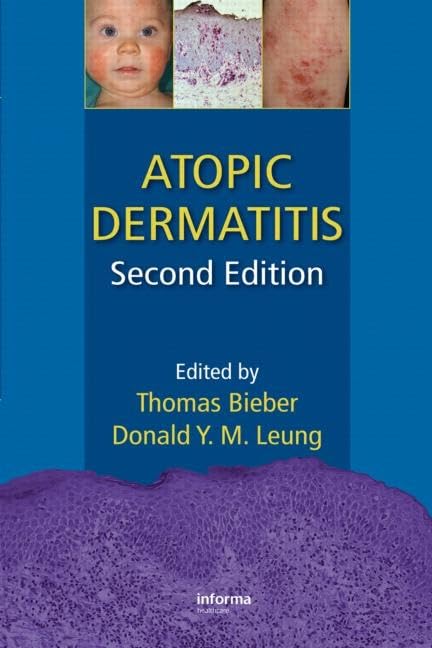
Atopic Dermatitis
coverage of the most recent areas of advancement: pathophysiology, mechanisms and cellular aspects, epidemiologic, genetic, and immunologic aspects of atopic dermatitis ... Thomas Bieber, Donald Y. M.

Coway Airmega AP-1512HH(W) True HEPA Purifier with Air Quality Monitoring, Auto, Timer, Filter Indicator, and Eco Mode, 16.8 x 18.3 x 9.7, White
COWAY Air Purifiers for Home Large Room Up to 1,860 ft², Washable Pre-Filter and HEPA Filter for Smoke, Allergies, Pet Dander, Odor, AQI, Smart & Rapid Mode, Timer, 3yr Warranty, Airmega 250 · AP-
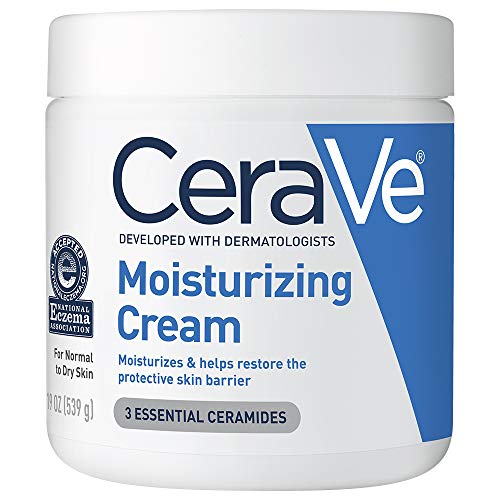
CeraVe Moisturizing Cream, Body and Face Moisturizer for Dry Skin, Body Cream with Hyaluronic Acid and Ceramides, Daily Moisturizer, Oil-Free, Fragrance Free, Non-Comedogenic, 19 Ounce
Amazon.com : CeraVe Moisturizing Cream, Body and Face Moisturizer for Dry Skin, <strong>Body Cream with Hyaluronic Acid and Ceramides</strong>, Daily Moisturizer, Oil-Free, Fragrance Free, Non-Comedog
Health Disclaimer
This content is for informational purposes only and does not constitute medical advice. Always consult a qualified healthcare provider before starting, stopping, or changing any supplement or medication regimen.