Moderate Evidence

Promising research with growing clinical support from multiple studies

Herbal Remedies for Metabolic Syndrome

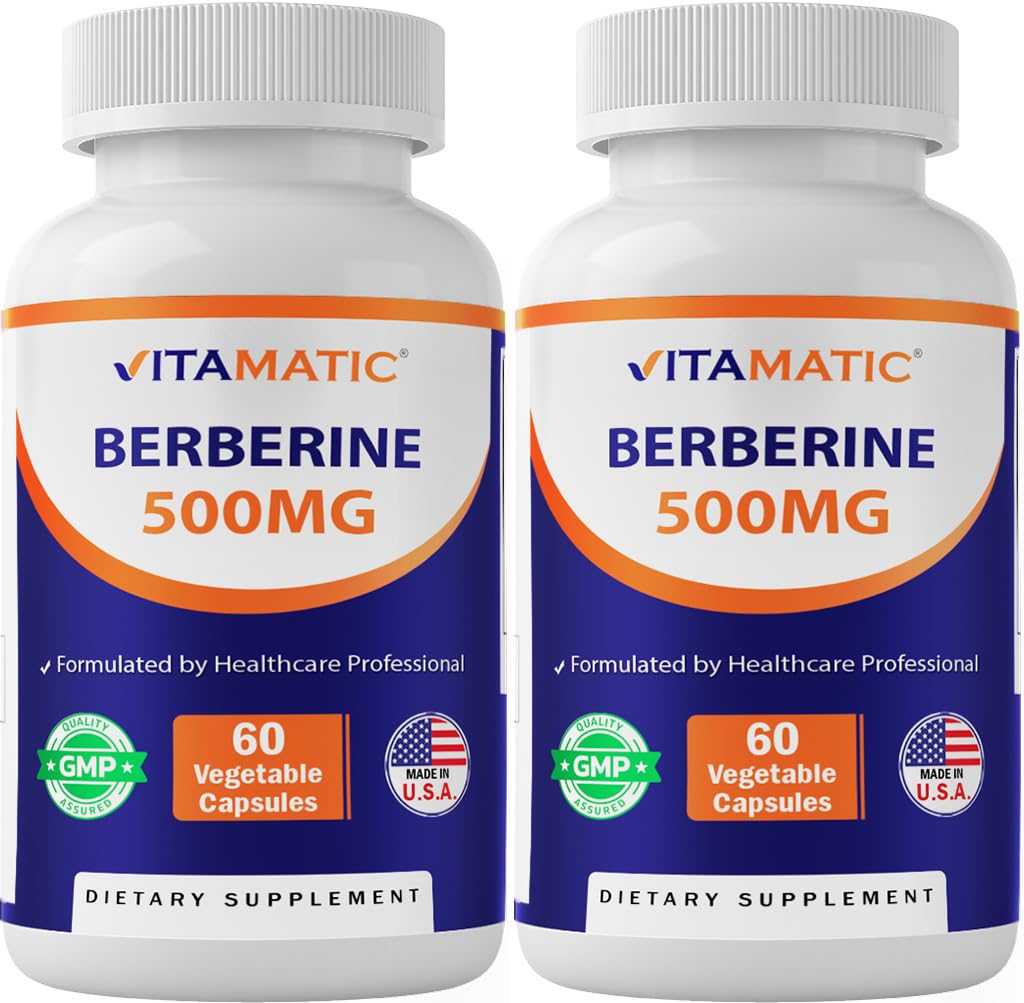
Metabolic syndrome is a cluster of cardiometabolic risk factors—abdominal obesity, high blood pressure, insulin resistance or elevated fasting glucose, high triglycerides, and low HDL cholesterol—that travel together and raise the risk of type 2 diabetes and cardiovascular disease. Biomedical criteria (harmonized by major societies) typically diagnose the syndrome when at least three of these are present. Under the hood, insulin resistance, low-grade inflammation, dyslipidemia, endothelial dysfunction, and neurohormonal changes interlock to drive disease. If people use herbs, the yardsticks that matter are the same ones used in clinical care: better glycemic control (fasting glucose, HbA1c, insulin resistance indices), healthier lipids (lower triglycerides and LDL-C, higher HDL-C), lower blood pressure, weight and waist reduction, and improvements in inflammatory markers such as CRP. From a western evidence-based perspective, lifestyle change—nutrient-dense diet patterns, physical activity, sleep, and weight management—remains foundational. Medications are added to target specific abnormalities (for example, metformin or GLP-1 receptor agonists for glycemia/weight; statins for lipids; ACE inhibitors/ARBs for blood pressure). Alongside this, several botanicals have been studied as adjuncts. Berberine (an isoquinoline alkaloid found in Coptis and Berberis species) is one of the most researched; meta-analyses report reductions in fasting glucose, HbA1c, triglycerides, and LDL-C, plausibly via AMPK activation, effects on gut microbiota, and modulation of lipid metabolism. Cinnamon (rich in cinnamaldehyde and procyanidins) has shown modest improvements in fasting glucose and HbA1c in some trials, though heterogeneity is high; proposed mechanisms include improved insulin receptor signaling and delayed gastric emptying. Green tea catechins (notably EGCG) may support small reductions in body weight and LDL-C through increased fat oxidation and catechol-O-methyltransferase–

cardiovascular Updated March 17, 2026

This content is for informational purposes only and does not constitute medical advice. Always consult a qualified healthcare provider before starting, stopping, or changing any supplement or medication regimen.

Western Medicine

Diagnosis

Diagnosis uses harmonized criteria (e.g., Joint Interim Statement): the presence of any three of the following—elevated waist circumference (population/sex-specific cutoffs), fasting glucose ≥100 mg/dL or on glucose-lowering therapy, triglycerides ≥150 mg/dL or on therapy, HDL-C <40 mg/dL (men) or <50 mg/dL (women) or on therapy, and blood pressure ≥130/85 mmHg or on antihypertensives. Work-up includes physical exam, waist measurement, fasting lipid panel, fasting glucose/HbA1c, and blood pressure, with optional markers such as hsCRP or HOMA-IR in research settings.

Treatments

  • Lifestyle therapy: dietary pattern emphasizing whole foods, fiber, unsaturated fats; caloric moderation; regular aerobic and resistance exercise; sleep optimization; tobacco cessation
  • Weight-management strategies, including behavioral programs; referral for obesity pharmacotherapy or bariatric evaluation when indicated
  • Glycemic management per diabetes/pre-diabetes guidelines
  • Lipid management per cardiovascular prevention guidelines
  • Blood pressure management per hypertension guidelines
  • Evidence-based herbal adjuncts with clinical data (as add-ons to lifestyle/medical care): berberine, cinnamon, green tea catechins (EGCG), curcumin, garlic; with emerging evidence for fenugreek, gymnema, and banaba

Medications

  • metformin
  • semaglutide (GLP-1 receptor agonist class)
  • tirzepatide (GIP/GLP-1 receptor agonist class)
  • empagliflozin (SGLT2 inhibitor class)
  • atorvastatin
  • rosuvastatin
  • ezetimibe
  • fenofibrate
  • lisinopril
  • losartan
  • hydrochlorothiazide
  • amlodipine

Limitations

For botanicals, trials often vary in extract standardization, dose, and duration; many are small, short, or single-center, with risk of bias and reliance on surrogate outcomes. Publication bias is possible. Herb–drug interactions and long-term safety are less well characterized. Conventional therapies, while effective, can cause side effects and may not fully address lifestyle drivers.

Evidence: Strong Evidence

Sources

  • Harmonized diagnostic criteria: 2009 Joint Interim Statement by IDF, AHA/NHLBI, and partners
  • Berberine: A 2022 systematic review and meta-analysis in Frontiers in Pharmacology reported improvements in glycemic and lipid parameters versus control
  • Cinnamon: A 2020 meta-analysis in Nutrients found modest reductions in fasting glucose/HbA1c with substantial heterogeneity
  • Green tea/EGCG: A Cochrane review (updated through 2020) found small, inconsistent effects on weight; other meta-analyses suggest modest LDL-C reductions
  • Curcumin: A 2021 Phytotherapy Research meta-analysis showed improvements in HOMA-IR, triglycerides, and CRP in metabolic risk states
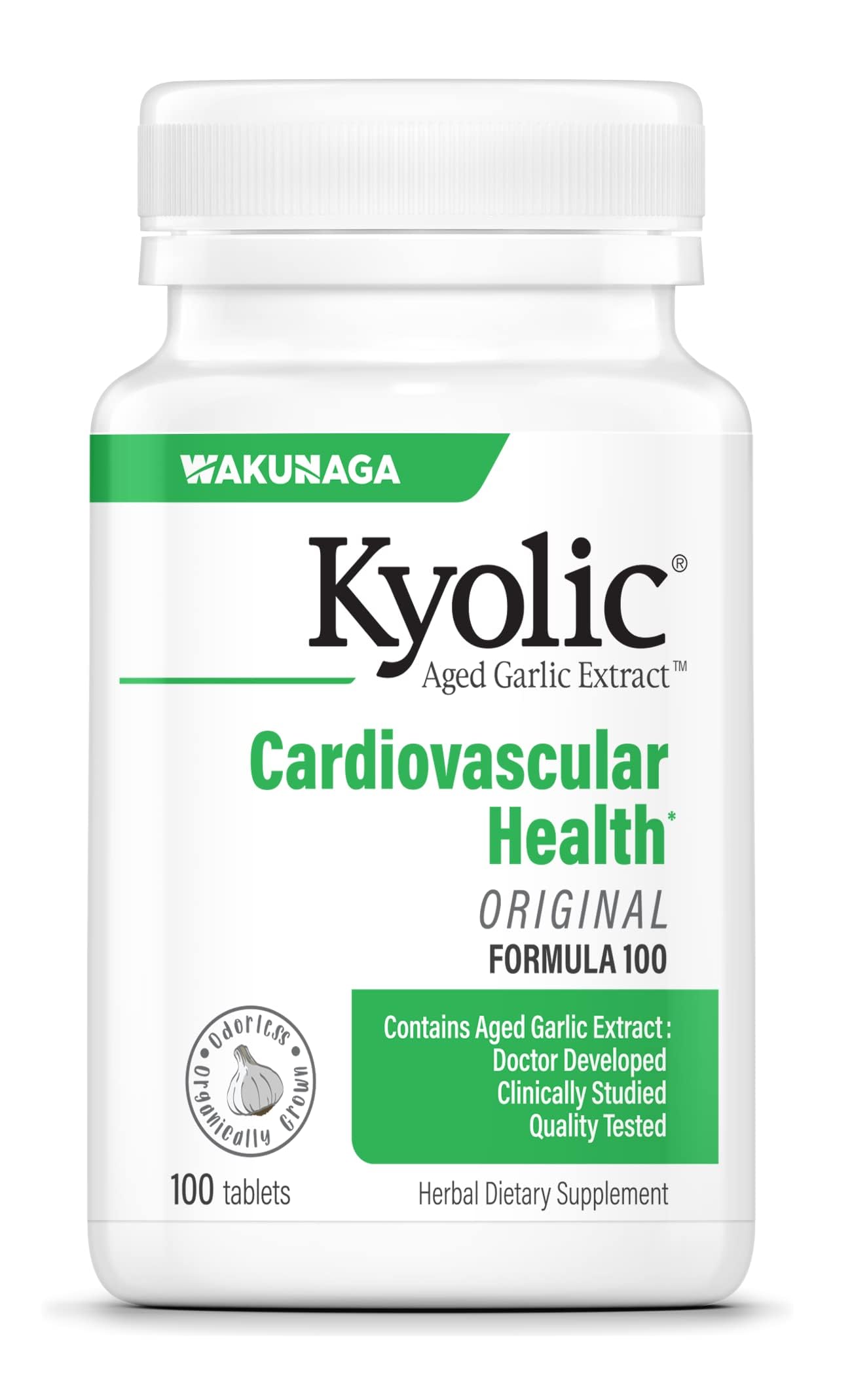
  • Garlic: A 2020 Nutrition Reviews meta-analysis reported reductions in total cholesterol and blood pressure with smaller effects on fasting glucose

Eastern & Traditional Medicine

Traditional Chinese Medicine (TCM)

TCM frames metabolic syndrome as a disorder of Spleen (digestive/metabolic function) with Dampness/Phlegm accumulation, frequently complicated by Liver Qi stagnation, Damp-Heat, and, over time, Yin deficiency with internal heat. Treatment aims to strengthen Spleen Qi, transform Dampness/Phlegm, move Qi and Blood, clear Heat, and nourish Yin as needed. Formulas are individualized based on pattern differentiation (tongue, pulse, symptoms), and modified over time.

Techniques

  • Herbal formulas for Dampness/Phlegm and Spleen Qi deficiency: Shen Ling Bai Zhu San; Liu Jun Zi Tang; Er Chen Tang
  • For Damp-Heat and insulin resistance: Huang Lian Jie Du Tang or Ban Xia Xie Xin Tang modifications; Coptis (Huang Lian, a berberine source), Scutellaria (Huang Qin), Phellodendron (Huang Bai)
  • For Liver Qi stagnation and overeating: Xiao Yao San modifications
  • For hypertension or dizziness patterns: Tian Ma Gou Teng Yin modifications
  • For blood stasis common in cardiometabolic risk: Xue Fu Zhu Yu Tang
  • Preparation methods: decoctions (tang), granules, and patent pills tailored to pattern; combination rationale is to address root (ben) and branch (biao) simultaneously
Licensed acupuncturists/TCM herbalists Doctors of Chinese Medicine Integrative medicine physicians with TCM training
Evidence: Moderate Evidence

Ayurveda

Ayurveda conceptualizes metabolic syndrome within Prameha/Medoroga and Santarpanajanya Vyadhi—conditions of overnutrition characterized by Kapha and Meda (adipose/lipid) aggravation, Ama (metabolic toxins), and impaired Agni (digestive/metabolic fire). Management seeks to kindle Agni, reduce Ama, balance Kapha, and support channels (srotas) through personalized herbal combinations, diet (ahara), lifestyle (vihara), and cleansing strategies.

Techniques

  • Herbs: Haridra (Curcuma longa/curcumin), Guggulu (Commiphora mukul), Methi (Trigonella foenum-graecum/fenugreek), Gurmar (Gymnema sylvestre), Amalaki (Emblica officinalis), Karela (Momordica charantia)
  • Classical formulations: Triphala for digestion and weight balance; Trikatu (Piper longum, Piper nigrum, Zingiber officinale) to kindle Agni; Nishamalaki (Haridra + Amalaki) for glycemic balance; Gokshuradi Guggulu and Kanchanar Guggulu for lipids with Kapha/Medo involvement
  • Preparation methods: churnas (powders), kwath/decoctions, guggulu resins standardized to guggulsterone markers, and ghritas (medicated ghee) when indicated by constitution
  • Individualization by prakriti (constitution), vikriti (current imbalance), digestive strength, and comorbidities; progressive adjustment as markers and symptoms change
Ayurvedic physicians (BAMS) Ayurvedic practitioners/consultants Integrative clinicians with Ayurvedic training
Evidence: Emerging Research

Sources

  • Pattern descriptions drawn from classical texts and modern TCM internal medicine manuals
  • A 2022 systematic review in Phytomedicine reported that berberine-containing Coptis formulas improved glycemic and lipid measures compared with controls in metabolic disorders
  • A 2019 review in Chinese Journal of Integrative Medicine summarized benefits of multi-herb TCM formulas on triglycerides, waist circumference, and blood pressure, noting heterogeneity and risk of bias
  • Classical Ayurvedic texts (Charaka Samhita, Sushruta Samhita) on Prameha/Medoroga
  • A 2021 meta-analysis in Phytotherapy Research found curcumin improved insulin resistance indices, triglycerides, and CRP
  • A 2020 Journal of Ethnopharmacology meta-analysis reported fenugreek improved fasting glucose and HbA1c in diabetes
  • Evidence for guggul in dyslipidemia is mixed; a 2003 JAMA RCT in hypercholesterolemia found no LDL-C benefit versus placebo, contrasting with earlier Indian trials

Integrative Perspective

Direct comparison shows meaningful overlaps. TCM Huang Lian (Coptis) and Ayurvedic Haridra (turmeric) correspond to berberine and curcumin—compounds studied in modern trials for insulin resistance, dyslipidemia, and inflammation. Cinnamon and fenugreek, long used in traditional kitchens and formulas for Kapha/Ama or Dampness/Phlegm, align with evidence suggesting modest glycemic benefits. Green tea catechins and aged garlic extract have supportive data for weight, lipids, and blood pressure—targets that mirror western outcome measures for metabolic risk. Core differences lie in how treatments are selected. Western protocols favor standardized extracts, defined actives, and fixed regimens tested against single outcomes, enabling clearer attribution of effects but sometimes missing individual context. TCM and Ayurveda individualize multi-herb prescriptions to address a patient’s specific pattern (for example, Damp-Heat vs. Yin deficiency) and may adjust as symptoms and labs evolve. This can be clinically appealing but complicates trial design and standardization. Where do claims converge or diverge? Modern studies support several traditional claims: berberine-containing herbs for glycemia and lipids; curcumin for inflammatory tone and insulin sensitivity; garlic for lipids and blood pressure. Evidence is less consistent for guggul in dyslipidemia and remains preliminary for gymnema and banaba in metabolic syndrome specifically. Practical integration is feasible. Clinicians and patients can prioritize lifestyle and guideline-based therapies while considering botanicals with the best data as adjuncts, with monitoring of fasting glucose/HbA1c, lipid panel, blood pressure, weight/waist circumference, and hsCRP. Collaboration with qualified TCM or Ayurvedic practitioners can help match traditional patterns to biomedical targets. Safety and regulation merit attention. Herb–drug interactions are possible: berberine may affect CYP3A4 and P-glycoprotein and could interact with statins, cyclosporine, or glucose-lowering drugs; garlic and curcumin may increase bleeding risk with anticoagulants/antiplatelets; cassia cinnamon contains coumarin, which can stress the liver; green tea catechins may alter absorption of certain beta-blockers and reduce non-heme iron uptake; fenugreek can potentiate hypoglycemia and affect medication absorption; guggul has been linked to rashes and abnormal liver tests in some reports. Quality varies: contamination or adulteration (including heavy metals) has been documented in some imported herbal products; third-party–tested products and professional-grade dispensaries may reduce risk. Monitoring and open communication between prescribers and traditional practitioners are essential to anticipate interactions and adjust conventional medications when objective improvements occur. Key research gaps include large, multicenter RCTs with standardized extracts tied to pharmacokinetic markers; head-to-head studies of pattern-based multi-herb formulas; long-term safety and cardiovascular event outcomes; and mechanistic work on herb–drug interactions. Actionable next steps for clinicians and patients include: aligning any botanical plan with clear biomedical targets; choosing standardized, quality-assured products; scheduling lab and blood pressure follow-up at appropriate intervals; and discussing all supplements with healthcare providers. Consult your healthcare provider before making changes to your health regimen.

Sources

  1. 2009 Joint Interim Statement (AHA/NHLBI, IDF, IAS, IASO) on metabolic syndrome diagnostic criteria
  2. A 2022 Frontiers in Pharmacology meta-analysis on berberine for glycemic and lipid control
  3. A 2020 Nutrients meta-analysis on cinnamon and glycemic indices
  4. Cochrane Review (updated to ~2020) on green tea for weight management
  5. A 2021 Phytotherapy Research meta-analysis on curcumin for metabolic risk and inflammation
  6. A 2020 Nutrition Reviews meta-analysis on garlic for lipids and blood pressure
  7. A 2020 Journal of Ethnopharmacology meta-analysis on fenugreek for glycemic control
  8. 2003 JAMA RCT on guggulipid in hypercholesterolemia showing no LDL benefit
  9. Reports on herb–drug interactions for berberine (CYP3A4/P-gp), EGCG–beta blocker absorption, and anticoagulant interactions with garlic/curcumin
  10. CDC and peer-reviewed reports on heavy metal contamination in some Ayurvedic/TCM products

Related Content

comparisons

Natural Remedies for Obesity — West vs East: East vs West

Natural Remedies for Obesity — West vs East. Obesity is a chronic, relapsing condition shaped by biology, behavior, and environment. Western medicine typically defines it by body mass index (BMI ≥30 kg/m² for adults), waist circumference, and body composition, alongside metabolic markers such as fasting glucose, HbA1c, lipid profile, blood pre

relationships

Metabolic Syndrome and Psoriasis

Metabolic Syndrome and Psoriasis. Psoriasis is a chronic, immune‑mediated skin disease, while metabolic syndrome is a cluster of cardiometabolic risk factors (central obesity, dyslipidemia, hypertension, and impaired glucose regulation). Research increasingly shows these two conditions travel together, linked by shared inflammatory

comparisons

Coronary Artery Disease — Herbal Remedies (West vs East): East vs West

Coronary Artery Disease — Herbal Remedies (West vs East). Coronary artery disease (CAD) arises when atherosclerotic plaque narrows or blocks the coronary arteries, reducing blood flow to the heart muscle. The biomedical goals of care are clear: prevent heart attacks and strokes, reduce symptoms like angina, and extend healthy life through risk-factor contr

comparisons

Natural Remedies for High Cholesterol: East vs West

Natural Remedies for High Cholesterol. High cholesterol is a modifiable risk factor for atherosclerosis and cardiovascular disease. In Western medicine, the biology centers on lipoproteins: low-density lipoprotein cholesterol (LDL‑C) carries cholesterol into artery walls and is a major target for risk reduction, while high-density lipopr

comparisons

High Cholesterol (Hyperlipidemia) — Western and Eastern Perspectives: East vs West

High Cholesterol (Hyperlipidemia) — Western and Eastern Perspectives. High cholesterol (hyperlipidemia) refers to elevated levels of lipids—primarily LDL cholesterol and triglycerides—in the blood. Persistently high LDL contributes to atherosclerotic plaque formation, raising the risk of heart attack and stroke. Western medicine frames this as a modifiable cardiovascu

relationships

Endometriosis and Herbal Remedies

Endometriosis and Herbal Remedies. Endometriosis is a chronic, estrogen-responsive inflammatory condition in which tissue similar to the uterine lining grows outside the uterus, contributing to pelvic pain, painful periods, dyspareunia, and subfertility. Biologically, it is driven by inflammation (elevated prostaglandins and cytokine

Health Disclaimer

This content is for informational purposes only and does not constitute medical advice. Always consult a qualified healthcare provider before starting, stopping, or changing any supplement or medication regimen.