

Promising research with growing clinical support
The Updated Hygiene Hypothesis: How ‘Old Friends’ Shape Autoimmune Risk via the Gut
The updated hygiene (Old Friends) hypothesis explains how reduced microbial diversity may shape gut–immune development and influence autoimmune risk in T1D, MS, RA, and Hashimoto’s.
This content is for informational purposes only and does not constitute medical advice. Always consult a qualified healthcare provider before starting, stopping, or changing any supplement or medication regimen.
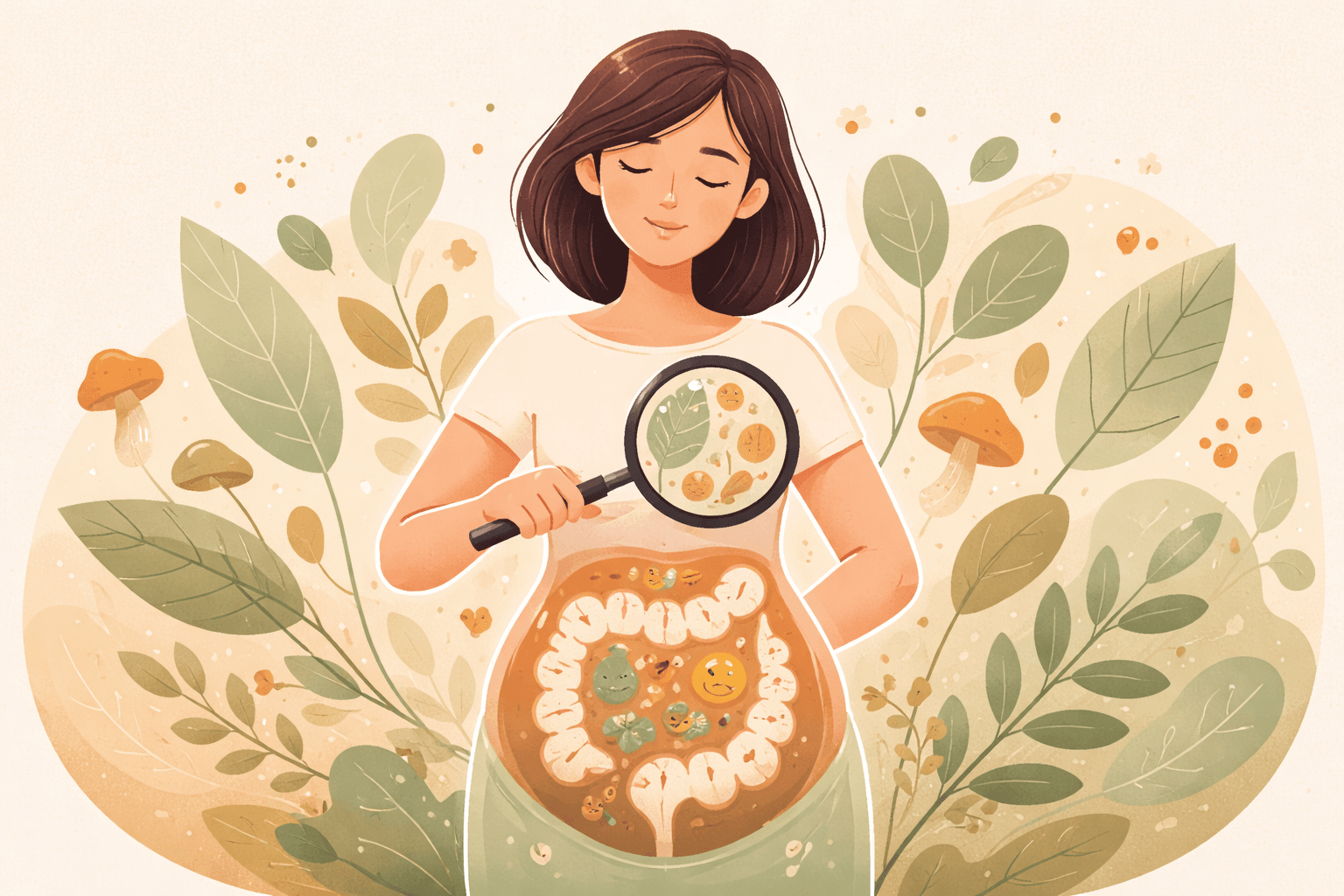
Overview The “hygiene hypothesis” has evolved. Today’s update—often called the Old Friends hypothesis—suggests that reduced exposure to diverse environmental microbes may alter immune education in early life and, over time, increase susceptibility to autoimmune conditions. Research points to the gut microbiome as a central mediator of this relationship, shaping immune tolerance, inflammatory tone, and how the body responds to self and non‑self. This article unpacks what the updated hypothesis means for autoimmunity and where the evidence stands.
What the Updated Hygiene (Old Friends) Hypothesis Says
- Core idea: Human immune systems co‑evolved with a wide range of microbes (our “old friends”)—from soil organisms to commensal gut bacteria and even some parasites. Reduced contact with this microbial diversity (through urbanization, sanitation, smaller family size, antibiotics, and indoor lifestyles) may deprive the immune system of critical training cues that foster tolerance. Evidence level: strong for allergy/asthma; moderate for autoimmunity (based on multiple reviews).
- Key reviews: Seminal updates by Graham Rook and colleagues argue that missing microbial exposures can undercut the development of regulatory immune circuits that normally restrain autoimmunity (review articles in Clinical & Experimental Immunology and Evolution, Medicine, and Public Health). Evidence level: moderate (narrative and mechanistic reviews).
How Early-Life Microbial Signals Train Immunity
- Immune education window: Research suggests the first years of life are a sensitive period when gut microbial diversity and metabolites (e.g., short-chain fatty acids) help expand regulatory T cells and shape mucosal tolerance. Germ‑free animal models consistently show exaggerated autoimmune responses that normalize when commensal microbes are introduced. Evidence level: strong in animal models; emerging in humans.
- Observational human data: Large cohort studies have linked early environmental factors that limit microbial contact (e.g., cesarean birth, low breastfeeding, high antibiotic exposure) with altered microbiome trajectories and later immune dysregulation. For example, a Nature study comparing infants across countries with different type 1 diabetes incidence reported microbiome and immune differences tracking with disease risk. Evidence level: moderate (prospective cohorts, multi‑omics).
Links to Specific Autoimmune Conditions
- Type 1 diabetes (T1D): Prospective cohorts following infants at genetic risk report that distinct microbial patterns and reduced microbiome stability precede islet autoantibody seroconversion. Meta-analyses also associate cesarean delivery with a modestly increased T1D risk. Evidence level: moderate (systematic reviews, prospective cohorts).
- Multiple sclerosis (MS): Systematic reviews report consistent differences in the gut microbiota of people with MS versus healthy controls, including enrichment of certain taxa that may influence pro‑ or anti‑inflammatory pathways. Transplant of MS‑associated microbiota can augment disease in mouse models. Evidence level: moderate (systematic reviews; translational models).
- Rheumatoid arthritis (RA): Early, untreated RA has been linked with compositional shifts such as enrichment of Prevotella species. While causality is unproven, these patterns support a gut–immune axis in joint autoimmunity. Evidence level: moderate (case–control studies; small longitudinal cohorts).
- Hashimoto’s thyroiditis: Patients often show gut dysbiosis relative to controls, and small studies report associations between intestinal permeability markers and thyroid autoimmunity. Evidence level: emerging (small clinical and cross‑sectional studies).
Mechanisms: From Tolerance Gaps to Immune Confusion
- Regulatory tone: “Old friends” help expand regulatory T cells and induce tolerogenic dendritic cells via microbial metabolites (e.g., butyrate) and cell-wall signals, potentially buffering against autoimmune flares. Evidence level: strong in preclinical models; moderate in human correlative studies.
- Barrier integrity: Reduced microbial diversity and inflammation can weaken gut barrier function, increasing antigen trafficking and immune activation. Evidence level: moderate (human biomarker studies; animal models).
- Molecular mimicry: Some microbial peptides resemble human proteins closely enough to cross‑activate autoreactive T or B cells. Reviews synthesize examples across T1D, MS, and thyroid autoimmunity, though direct human causality remains limited. Evidence level: emerging (immunologic assays, epitope mapping, small clinical series).
What the Intervention Evidence Shows (and Doesn’t)
- Helminth exposure and therapy: Observational studies of naturally helminth‑exposed populations suggest lower autoimmune prevalence, but randomized controlled trials using therapeutic helminths in inflammatory bowel disease have largely failed to show benefit. MS trials are small and mixed. Evidence level: moderate for lack of efficacy in IBD RCTs; emerging for other autoimmune conditions.
- Farm and outdoor exposures: “Farm effect” research consistently links early farm exposure with lower allergic disease. Translating this to autoimmunity is less certain, but some cohorts suggest broader immune regulatory benefits from diverse environmental microbial contact. Evidence level: strong for allergy/asthma; emerging for autoimmunity.
- Diet patterns that may increase microbial diversity: Anti‑inflammatory, fiber‑rich patterns are associated with greater microbiome richness and regulatory metabolites. Autoimmune-specific elimination diets like the Autoimmune Protocol (AIP) have shown symptom and inflammatory marker improvements in small, uncontrolled studies in IBD and Hashimoto’s, but controlled trials are limited. Evidence level: emerging (pilot trials, uncontrolled interventions).
Bridging Traditional Perspectives
- Traditional Chinese Medicine (TCM): Autoimmunity is often framed as internal disharmony—imbalances of organ systems such as Spleen (digestive function) and Liver, with concepts like “dampness” and “heat” describing inflammatory states. TCM approaches emphasize restoring harmony through diet, herbs, and lifestyle rhythms that support digestion and barrier integrity. Evidence level: traditional (historical clinical practice; limited modern RCTs in specific autoimmune diseases).
- Ayurveda: The concept of ama (accumulated, incompletely digested substances) maps loosely onto modern ideas of metabolic and immune burden. Building strong agni (digestive fire) through individualized diet, spices, and daily routines is thought to reduce systemic inflammation. Modern research on gut–immune modulation by spices (e.g., turmeric’s curcuminoids) and fermented foods echoes aspects of these traditions, though direct autoimmune outcomes remain under‑studied. Evidence level: traditional for framework; emerging for specific food components in inflammation.
What This Means for Prevention Research
- Timing matters: Research suggests the greatest leverage may lie in prenatal and early‑life windows when the immune system is being programmed. Evidence level: moderate (cohort studies, mechanistic models).
- Multiple levers: Microbial diversity is shaped by birth mode, feeding practices, antibiotic stewardship, contact with natural environments, and diet quality. Trials targeting one lever at a time may underperform compared with multi‑component strategies. Evidence level: emerging (implementation studies, systems biology insights).
- Caution against oversimplification: Modern sanitation saves lives. The goal is not “less clean” but “more contact with beneficial biodiversity” alongside safe hygiene—sometimes described as “targeted hygiene.” Evidence level: strong for benefits of sanitation; moderate for targeted hygiene frameworks.
Bottom Line
- Reduced exposure to diverse “old friends” microbes may impair immune education and tilt the system toward autoimmunity, with the gut microbiome as a key intermediary. Evidence is strongest in allergy, with accumulating but still moderate support in autoimmune diseases such as T1D, MS, RA, and Hashimoto’s.
- Mechanisms center on impaired immune tolerance, weakened barrier function, altered microbial metabolites, and, in some cases, molecular mimicry. Most causal data are from animal and translational models; human trials are limited.
- Early‑life appears to be a critical window, and multi‑factor approaches that support microbial diversity (dietary patterns, prudent antibiotic use, nature contact) are active areas of research—not prescriptions.
- Traditional systems like TCM and Ayurveda conceptualize autoimmunity as internal disharmony linked to digestive dysfunction, aligning with modern views that the gut environment can influence systemic immune balance.
- Ongoing randomized trials and longitudinal cohorts will clarify which strategies most reliably reduce autoimmune risk without compromising infection control. For now, the updated hygiene hypothesis offers a coherent framework—supported by mechanistic and epidemiologic evidence—for understanding how the gut’s microbial ecology may shape lifelong immune resilience.
Health Disclaimer
This content is for informational purposes only and does not constitute medical advice. Always consult a qualified healthcare provider before starting, stopping, or changing any supplement or medication regimen.