

Autoimmune Disease
Overview
Autoimmune disease refers to a broad group of conditions in which the immune system mistakenly targets the body’s own tissues. Rather than responding only to infections or harmful foreign substances, immune cells, antibodies, and inflammatory signals react against organs, joints, glands, nerves, skin, blood vessels, or connective tissue. This category includes more than 80 recognized disorders, such as rheumatoid arthritis, systemic lupus erythematosus, type 1 diabetes, multiple sclerosis, inflammatory bowel disease, Hashimoto thyroiditis, Graves’ disease, psoriasis, celiac disease, and Sjögren syndrome. Some autoimmune diseases affect a single organ, while others involve multiple systems throughout the body.
Autoimmune disease is clinically important because it is common, often chronic, and highly variable. Collectively, autoimmune disorders affect millions of people worldwide and are seen more often in women than in men for many conditions, especially during early and middle adulthood. Symptoms can be nonspecific at first—such as fatigue, joint pain, rashes, digestive complaints, numbness, or low-grade fever—which can delay recognition. Many conditions follow a relapsing and remitting course, with periods of increased immune activity alternating with quieter phases. Over time, uncontrolled inflammation may contribute to tissue damage, disability, and reduced quality of life.
Current understanding suggests that autoimmune disease arises from a complex interaction of genetics, immune dysregulation, hormones, environmental exposures, infections, microbiome influences, and lifestyle-related factors. Family history can increase susceptibility, but inherited risk alone usually does not fully explain disease onset. Researchers have explored roles for viral triggers, smoking, certain medications, chronic stress, intestinal barrier dysfunction, and changes in gut microbial diversity. In many cases, the precise trigger remains unclear, and different autoimmune conditions likely emerge through different biological pathways.
Because autoimmune disease is an umbrella term rather than a single illness, evaluation and long-term management vary widely by diagnosis. Conventional care generally focuses on confirming the specific condition, monitoring inflammation and organ involvement, and reducing immune-mediated damage. Integrative and traditional systems often emphasize systemic balance, digestive function, stress regulation, and individualized constitutional patterns. Across all perspectives, a balanced understanding recognizes that autoimmune disease is not one uniform disorder but a diverse set of immune-mediated conditions requiring careful, ongoing assessment by qualified healthcare professionals.
Medical Perspectives
Two Ways of Seeing Health

Western
scientific · clinical
Western medicine applies science, technology, and clinical experience to treat symptoms through testing, diagnosis, and targeted intervention.

Eastern
traditional · alternative
Eastern medicine focuses on treating the body naturally by applying traditional knowledge practiced for thousands of years, emphasizing balance and whole-person wellness.
Gold Bamboo presents both perspectives side-by-side so you can make informed decisions. We don't advocate for one over the other — your health choices are yours.
Western Medicine Perspective
Western Medicine Perspective
In conventional medicine, autoimmune disease is understood as a problem of loss of immune tolerance—the mechanisms that normally prevent the immune system from attacking self-antigens become impaired. This can involve autoreactive T cells, B cells that produce autoantibodies, cytokine imbalance, complement activation, and dysregulated innate immune responses. Different diseases have distinct immunologic signatures: for example, rheumatoid arthritis is associated with synovial inflammation and autoantibodies such as rheumatoid factor and anti-CCP; lupus may involve immune complex deposition and multi-organ inflammation; type 1 diabetes reflects immune destruction of pancreatic beta cells. Modern immunology also recognizes overlap between autoimmune and autoinflammatory processes in some disorders.
Diagnosis generally relies on a combination of clinical history, physical examination, laboratory testing, imaging, and sometimes biopsy. Common laboratory tools may include antinuclear antibodies (ANA), disease-specific autoantibodies, inflammatory markers such as ESR and CRP, thyroid markers, celiac serologies, blood counts, metabolic testing, and organ-function studies. Imaging or endoscopy may be used when joints, bowel, lungs, blood vessels, or the nervous system are involved. Because many symptoms overlap with infections, endocrine disorders, malignancy, or functional syndromes, differential diagnosis is an important part of evaluation.
Conventional management is typically aimed at controlling inflammation, preserving organ function, reducing flares, and preventing complications. Depending on the disease, approaches may include corticosteroids, nonsteroidal anti-inflammatory drugs, disease-modifying antirheumatic drugs (DMARDs), biologic therapies targeting cytokines or immune cells, hormone replacement in endocrine autoimmune disease, or organ-specific supportive care. Research also supports the role of vaccination planning, cardiovascular risk reduction, bone health monitoring, mental health care, and multidisciplinary follow-up. Although many autoimmune conditions are not considered curable in the conventional sense, studies indicate that early recognition and targeted treatment can significantly improve long-term outcomes.
Western medicine increasingly acknowledges that autoimmune disease exists within a broader biopsychosocial context. Sleep disturbance, chronic stress, pain sensitization, fatigue, deconditioning, and depression or anxiety can shape disease burden even when laboratory markers are stable. For that reason, supportive measures such as nutrition counseling, physical rehabilitation, smoking cessation, and behavioral health support are often considered part of comprehensive care. Any complementary approach is typically viewed through the lens of safety, interactions, and evidence quality, particularly when patients are using immunomodulating therapies.
Eastern & Traditional Perspective
Eastern / Traditional Medicine Perspective
In Traditional Chinese Medicine (TCM), autoimmune disease is not classified as a single entity. Instead, symptoms are interpreted through pattern-based frameworks involving imbalances such as deficiency, heat, dampness, phlegm, blood stasis, or disruption of Liver, Spleen, Kidney, and Lung systems, depending on the presentation. For example, joint swelling and pain may be described in terms of Bi syndrome with wind-damp-heat obstruction, while chronic fatigue, dryness, digestive weakness, or recurrent flares may be associated with deficiencies of qi, blood, yin, or Kidney essence. TCM theory often views chronic inflammatory illness as a dynamic mix of underlying deficiency and excess pathogenic factors, with treatment principles traditionally tailored to the person’s overall pattern rather than the Western diagnosis alone.
In Ayurveda, autoimmune-type conditions are often discussed through concepts such as agni (digestive/metabolic fire), ama (toxic or incompletely processed metabolic residue), doshic imbalance, impaired tissue nourishment, and disturbed immune resilience, sometimes framed through ojas. Chronic inflammation may be interpreted as a combination of aggravated doshas—frequently involving Vata in pain and irregularity, Pitta in inflammatory or heat-dominant states, and Kapha in congestion or heaviness—along with weakened digestion and accumulation. Ayurvedic assessment traditionally considers constitution, digestion, elimination, mental state, and disease stage. Related approaches in naturopathy and functional traditions often emphasize intestinal health, stress burden, nutrient status, and environmental influences as contributors to immune imbalance.
Traditional and integrative systems commonly explore modalities such as herbal medicine, acupuncture, mind-body practices, dietary frameworks, gentle movement, breathing practices, and restorative routines. Research into some of these approaches—especially acupuncture, anti-inflammatory dietary patterns, and selected botanicals—suggests possible benefit for symptom relief, quality of life, stress modulation, or pain in certain autoimmune-related disorders. However, evidence remains uneven, and results are often disease-specific rather than generalizable to autoimmune disease as a whole. In addition, herbal products and supplements may interact with immunosuppressive drugs, anticoagulants, or other medications, making coordination with qualified healthcare professionals important.
From an eastern and traditional perspective, the emphasis is often on individualization, long-term balance, and supporting the body’s regulatory capacity rather than defining one single autoimmune mechanism. This perspective may resonate with people seeking a broader understanding of chronic illness experience, especially where fatigue, digestion, sleep, emotional stress, and systemic resilience are central concerns. At the same time, traditional frameworks are best understood as complementary explanatory models, not replacements for medical evaluation when autoimmune disease is suspected or when organ-threatening symptoms are present.
Related Topics
Thyroid Disease
Thyroid Disease — condition topic in the Gold Bamboo health ontology.
How They Relate
Autoimmune Disease & Thyroid Disease
Autoimmune diseases and thyroid disease intersect frequently because autoimmune thyroid diseases (AITD)—primarily Hashimoto’s thyroiditis and Graves’ disease—are among the most common organ‑specifi...
Supplements & Products
Recommended Products
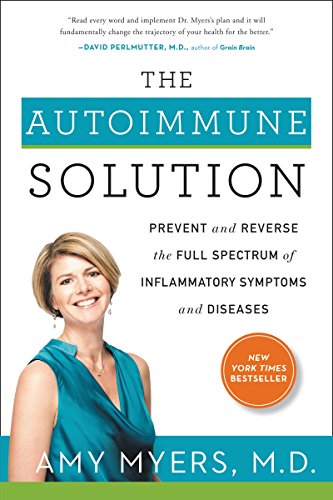
The Autoimmune Solution: Prevent and Reverse the Full Spectrum of Inflammatory Symptoms and Diseases: Amy Myers M.D.
In The Autoimmune Solution, Dr. Amy Myers, a renowned leader in functional medicine, offers her medically proven approach to prevent a wide range of inflammatory-related symptoms and diseases, includi
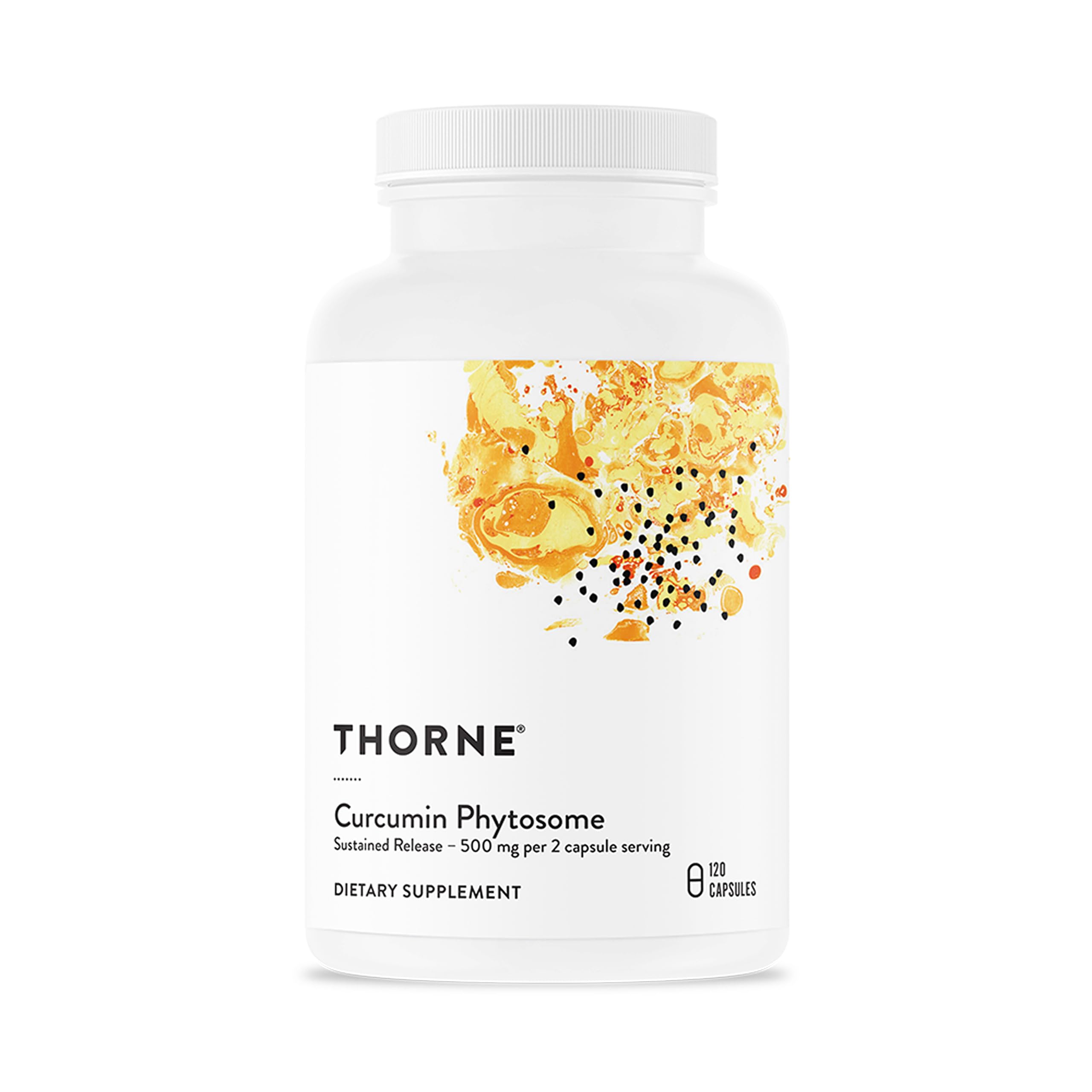
THORNE - Curcumin Phytosome 500 mg (Meriva) - Sustained Release, Clinically Studied - Supports Healthy Inflammatory Response in Joints, Muscles, GI Tract, Liver, Brain & Nerves* - 60 Servings
Buy THORNE - Curcumin Phytosome 500 mg (Meriva) - Sustained Release, Clinically Studied - <strong>Supports Healthy Inflammatory Response in Joints, Muscles, GI Tract, Liver, Brain & Nerves</strong

Nordic Naturals Ultimate Omega, Lemon Flavor - 180 Soft Gels - 1280 mg Omega-3 - High-Potency Fish Oil with EPA & DHA - Promotes Brain & Heart Health - Non-GMO - 90 Servings
Buy Nordic Naturals Ultimate Omega, Lemon Flavor - 180 Soft Gels - 1280 mg Omega-3 - High-Potency Fish Oil with EPA & DHA - Promotes Brain & Heart Health - Non-GMO - 90 Servings on Amazon.com
Evidence & Sources
Promising research with growing clinical support from multiple studies
- National Institute of Allergy and Infectious Diseases (NIAID)
- National Center for Complementary and Integrative Health (NCCIH)
- Nature Reviews Immunology
- The Lancet
- New England Journal of Medicine
- BMJ
- Autoimmunity Reviews
- Journal of Autoimmunity
- World Health Organization (WHO)
- American College of Rheumatology
This content is for informational purposes only and does not constitute medical advice. Always consult a qualified healthcare provider before starting, stopping, or changing any supplement or medication regimen.