

Thyroid Disease
Overview
Thyroid disease refers to a broad group of conditions affecting the thyroid gland, a small butterfly-shaped organ in the neck that helps regulate metabolism, energy production, temperature control, heart rate, digestion, and aspects of growth and mood through the hormones thyroxine (T4) and triiodothyronine (T3). Thyroid disorders are common worldwide and include hypothyroidism (underactive thyroid), hyperthyroidism (overactive thyroid), autoimmune thyroid disease such as Hashimoto’s thyroiditis and Graves’ disease, goiter, thyroid nodules, thyroiditis, and thyroid cancer. Because thyroid hormones influence many organ systems, symptoms can be wide-ranging and sometimes nonspecific, including fatigue, weight changes, palpitations, bowel changes, menstrual irregularities, skin and hair changes, heat or cold intolerance, and shifts in mood or cognition.
From a public health perspective, thyroid disease is significant because it is both common and frequently underrecognized, particularly in women, older adults, during pregnancy and postpartum, and in people with autoimmune conditions or a family history of thyroid disorders. Iodine status also plays a major role globally: inadequate iodine intake remains an important cause of goiter and hypothyroidism in some regions, while autoimmune thyroid disease is a dominant cause in many iodine-sufficient countries. Thyroid dysfunction may develop gradually, and mild or subclinical abnormalities can complicate decisions about evaluation and management.
Thyroid disease is not a single disorder but a spectrum of endocrine and immune-related processes. In hypothyroidism, thyroid hormone production is insufficient, often due to autoimmune destruction of the gland. In hyperthyroidism, excess hormone is produced, commonly from Graves’ disease or autonomous nodules. Structural abnormalities such as nodules are especially common with age, and while most are benign, some warrant further assessment because a small proportion may represent malignancy. Inflammatory forms of thyroid disease, including postpartum thyroiditis and subacute thyroiditis, can cause temporary phases of overactivity followed by underactivity.
Research consistently shows that accurate understanding of thyroid disease depends on combining symptoms, physical examination, blood testing, and sometimes imaging or antibody testing. Conventional medicine focuses on hormone regulation, cause identification, and long-term monitoring, while traditional systems often interpret thyroid-related symptoms through broader patterns involving metabolism, stress, inflammation, digestion, constitutional balance, and energetic regulation. Across systems, an important theme is that thyroid disorders can affect quality of life substantially, yet outcomes often improve when concerns are evaluated carefully by qualified healthcare professionals.
Medical Perspectives
Two Ways of Seeing Health

Western
scientific · clinical
Western medicine applies science, technology, and clinical experience to treat symptoms through testing, diagnosis, and targeted intervention.

Eastern
traditional · alternative
Eastern medicine focuses on treating the body naturally by applying traditional knowledge practiced for thousands of years, emphasizing balance and whole-person wellness.
Gold Bamboo presents both perspectives side-by-side so you can make informed decisions. We don't advocate for one over the other — your health choices are yours.
Western Medicine Perspective
Western Medicine Perspective
In conventional medicine, thyroid disease is understood primarily as a disorder of endocrine regulation, sometimes closely linked to autoimmunity, nutrient status, medications, inflammation, or structural gland changes. Diagnosis commonly begins with laboratory assessment of thyroid-stimulating hormone (TSH) and, when indicated, free T4, free T3, and thyroid antibody tests such as thyroid peroxidase (TPO) antibodies or TSH receptor antibodies. Imaging may include ultrasound for nodules or gland enlargement and radioiodine uptake/scintigraphy in selected hyperthyroid conditions. Fine-needle aspiration may be used to evaluate suspicious nodules. In pregnancy, thyroid status receives special attention because dysfunction may affect both maternal health and fetal development.
The major clinical categories are approached differently. Hypothyroidism is often associated with autoimmune thyroiditis and may lead to fatigue, constipation, dry skin, cold intolerance, and slowed metabolism. Hyperthyroidism may present with weight loss, tremor, anxiety, heat intolerance, insomnia, and rapid heartbeat, with Graves’ disease being a leading cause. Thyroid nodules are common and usually benign, but their size, ultrasound characteristics, and cytology guide further evaluation. Thyroiditis may be painful or painless and can be temporary or chronic. Thyroid cancer, though less common than benign disease, is an important part of the differential diagnosis for nodules and neck masses.
Conventional management is based on the specific diagnosis, severity, and patient context. Research supports hormone replacement for clear hypothyroidism, while hyperthyroidism may be managed through antithyroid medications, radioiodine, or surgery depending on the condition and individual factors. Nodules and cancers are approached through risk stratification and surveillance or intervention as appropriate. In mild or subclinical disease, especially when laboratory changes are small, management decisions can be nuanced and depend on age, symptoms, cardiovascular risk, pregnancy status, and underlying cause. Mainstream endocrinology also recognizes that some persistent symptoms may overlap with other conditions, making comprehensive assessment important rather than attributing all symptoms to the thyroid alone.
Overall, the western medical perspective on thyroid disease is well developed and strongly evidence-based in diagnosis and treatment frameworks, particularly for overt hypo- and hyperthyroidism, autoimmune thyroid disease, and thyroid nodule evaluation. At the same time, there remain areas of active discussion, including optimal thresholds for treating subclinical disease, interpretation of symptoms when laboratory values are borderline, and the role of environmental, dietary, and immune-modulating factors in long-term thyroid health.
Eastern & Traditional Perspective
Eastern and Traditional Medicine Perspective
In Traditional Chinese Medicine (TCM), thyroid disease is generally not categorized as a single isolated gland disorder but is understood through broader patterns of imbalance involving systems such as the Liver, Spleen, Kidney, and Heart, as well as concepts of Qi stagnation, phlegm accumulation, yin deficiency, yang deficiency, heat, and blood stasis. For example, symptoms associated with hypothyroid patterns may be interpreted in relation to Kidney yang deficiency or Spleen qi deficiency, while hyperthyroid-like presentations may be viewed through patterns involving yin deficiency with empty heat, Liver fire, or phlegm-heat. Goiter and nodular swelling have traditionally been discussed in relation to “phlegm” and constrained Qi. TCM assessment typically emphasizes the whole-person pattern, incorporating digestion, sleep, emotional state, menstrual history, pulse, and tongue findings.
In Ayurveda, thyroid-related symptoms may be framed through disturbances in agni (metabolic fire), dosha balance, and tissue nourishment. Slowed metabolism, fatigue, weight gain, and fluid retention may be associated with Kapha predominance and weakened digestive/metabolic function, while more accelerated states resembling hyperthyroidism may be linked to Pitta aggravation, sometimes with Vata involvement. Ayurveda traditionally places emphasis on constitutional assessment, stress, digestion, daily rhythms, and the interconnectedness of endocrine and nervous system function. Naturopathic and integrative traditions likewise often consider thyroid disorders within a wider context that may include nutrient sufficiency, stress physiology, immune balance, gastrointestinal health, sleep, and environmental exposures.
Evidence for traditional and integrative approaches is mixed and generally less robust than for conventional endocrinology, especially when examining thyroid hormone normalization or long-term disease outcomes. Some studies have explored acupuncture, mind-body practices, dietary patterns, selenium status, and supportive herbal traditions in relation to symptoms, autoimmune markers, or quality of life, but findings are often preliminary, heterogeneous, or condition-specific. Traditional systems are therefore best understood as offering interpretive frameworks and supportive strategies, rather than replacing diagnostic testing or endocrinology-based evaluation.
A balanced integrative view acknowledges that many people seek traditional approaches for symptom burden, stress reduction, or quality-of-life support alongside standard care. Because thyroid disease can involve autoimmune processes, cardiovascular effects, pregnancy-related considerations, and in some cases cancer risk, most authoritative sources emphasize that any traditional or complementary approach is best considered within the context of evaluation by appropriately qualified healthcare professionals.
Related Topics
Autoimmune Disease
Autoimmune Disease — condition topic in the Gold Bamboo health ontology.
How They Relate
Autoimmune Disease & Thyroid Disease
Autoimmune diseases and thyroid disease intersect frequently because autoimmune thyroid diseases (AITD)—primarily Hashimoto’s thyroiditis and Graves’ disease—are among the most common organ‑specifi...
Supplements & Products
Recommended Products
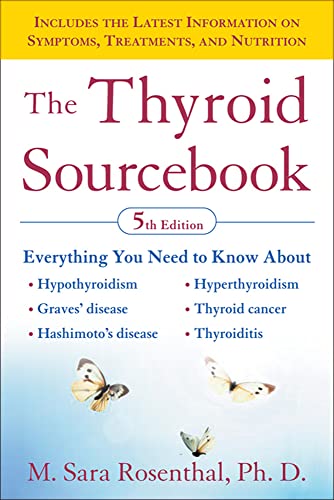
The Thyroid Sourcebook (5th Edition): Rosenthal, M. Sara
M. Sara Rosenthal ... The New York Times called this book "<strong>an excellent source of information</strong>." The Thyroid Sourcebook features patient narratives; information on the compli
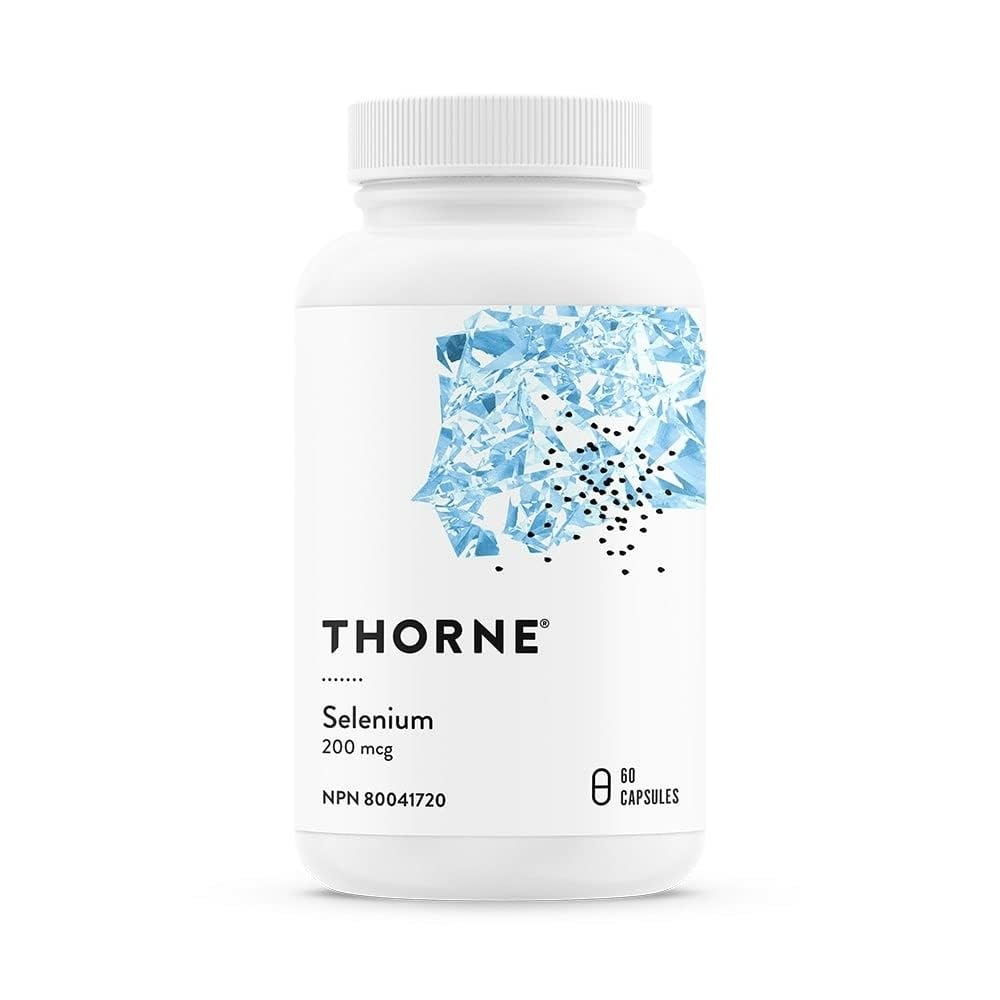
THORNE - Selenium - 200 mcg Selenium Supplement for Antioxidant Support* - 60 Capsules : Everything Else
One Capsule Contains: Selenium (as L-Selenomethionine) 200 mcg.

Nordic Naturals Ultimate Omega, Lemon Flavor - 90 Soft Gels - 1280 mg Omega-3 - High-Potency Omega-3 Fish Oil Supplement with EPA & DHA - Promotes Brain & Heart Health - Non-GMO - 45 Servings
Buy Nordic Naturals Ultimate Omega, Lemon Flavor - 90 Soft Gels - 1280 mg Omega-3 - High-Potency Omega-3 Fish Oil Supplement with EPA & DHA - Promotes Brain & Heart Health - Non-GMO - 45 Servi
Evidence & Sources
Supported by multiple clinical trials and systematic reviews
- American Thyroid Association
- National Institute of Diabetes and Digestive and Kidney Diseases (NIDDK)
- National Center for Complementary and Integrative Health (NCCIH)
- World Health Organization (WHO)
- The Lancet Diabetes & Endocrinology
- New England Journal of Medicine
- Journal of Clinical Endocrinology & Metabolism
- Thyroid
This content is for informational purposes only and does not constitute medical advice. Always consult a qualified healthcare provider before starting, stopping, or changing any supplement or medication regimen.