

Oxygen Therapy
Overview
Oxygen therapy refers to the medical use of supplemental oxygen to increase the amount of oxygen available to the lungs, bloodstream, and tissues. It is a foundational treatment in modern medicine for people whose oxygen levels are too low, a state often called hypoxemia. Oxygen may be delivered in hospitals, emergency settings, long-term care facilities, or at home through devices such as nasal cannulas, masks, high-flow systems, and mechanical ventilators. Its role is especially important in conditions that impair breathing, gas exchange, circulation, or tissue oxygen delivery.
From a physiological perspective, oxygen is essential for cellular energy production. When the body cannot maintain adequate oxygenation, organs such as the brain, heart, and kidneys may be affected. Conventional medicine therefore uses oxygen therapy as a supportive treatment in a wide range of clinical situations, including chronic obstructive pulmonary disease (COPD), pneumonia, acute respiratory distress, severe asthma exacerbations, heart failure, sleep-related breathing disorders in selected contexts, neonatal care, and perioperative medicine. In some situations, hyperbaric oxygen therapy is used, in which oxygen is delivered at increased atmospheric pressure for specific indications such as decompression sickness, carbon monoxide poisoning, and selected wound-healing problems.
Although oxygen is often perceived as universally beneficial, modern clinical practice recognizes that it is a drug-like therapy that requires appropriate use. Both too little oxygen and excessive oxygen exposure can be harmful. Research has shown that unnecessary hyperoxia may contribute to oxidative stress, worsen carbon dioxide retention in some patients, or be associated with poorer outcomes in selected acute illnesses. As a result, current practice emphasizes measured, monitored oxygen delivery rather than routine use without indication.
Within integrative health discussions, oxygen therapy can also refer more broadly to wellness-oriented practices that claim to improve vitality or detoxification. These uses are distinct from medically indicated oxygen therapy and often have a much weaker evidence base. A balanced understanding therefore requires distinguishing standard clinical oxygen treatment, which is well established for defined indications, from broader alternative claims that may be traditional, experimental, or insufficiently studied. In any setting, questions about oxygen use are best evaluated with qualified healthcare professionals because oxygen needs, benefits, and risks vary substantially by condition and context.
Medical Perspectives
Two Ways of Seeing Health

Western
scientific · clinical
Western medicine applies science, technology, and clinical experience to treat symptoms through testing, diagnosis, and targeted intervention.

Eastern
traditional · alternative
Eastern medicine focuses on treating the body naturally by applying traditional knowledge practiced for thousands of years, emphasizing balance and whole-person wellness.
Gold Bamboo presents both perspectives side-by-side so you can make informed decisions. We don't advocate for one over the other — your health choices are yours.
Western Medicine Perspective
Western Medicine Perspective
In conventional medicine, oxygen therapy is understood as a method to correct or prevent inadequate tissue oxygenation. Clinicians typically assess need using pulse oximetry, arterial blood gas testing, physical examination, and the broader clinical picture. The goal is not simply to provide as much oxygen as possible, but to maintain oxygen saturation within a target range appropriate to the person’s underlying condition. This approach reflects evidence that both hypoxemia and excessive oxygen exposure can be problematic.
In acute care, oxygen is commonly used for respiratory distress, shock, trauma, pneumonia, sepsis, acute heart and lung disease, and perioperative support. In chronic care, long-term oxygen therapy has been studied most extensively in people with severe chronic hypoxemia, especially in advanced COPD, where landmark trials found survival benefit in carefully selected patients. Hyperbaric oxygen therapy is recognized by mainstream medicine for a narrower list of conditions, supported to varying degrees by clinical evidence and expert consensus, including decompression illness, arterial gas embolism, carbon monoxide poisoning, certain radiation injuries, and selected difficult wounds.
Western medicine also places strong emphasis on safety and limitation of use. Potential complications include nasal dryness, skin irritation from delivery devices, fire risk, oxygen toxicity at high concentrations or prolonged exposure, and worsening carbon dioxide retention in susceptible individuals. Because of these risks, medical organizations frame oxygen as a monitored intervention rather than a benign wellness add-on. For people considering oxygen-related therapies outside standard medical settings, clinicians often distinguish between evidence-supported uses and claims that remain unproven or investigational.
Eastern & Traditional Perspective
Eastern and Traditional Medicine Perspective
Traditional medical systems generally did not develop oxygen therapy in the modern biomedical sense, because compressed oxygen delivery is a technological intervention rooted in contemporary medicine. However, many Eastern and traditional healing systems have long emphasized concepts that overlap symbolically with respiration, vitality, and energy. In Traditional Chinese Medicine (TCM), breathing is closely linked with the Lung system and the movement of Qi, with respiration seen as central to vitality, defensive energy, and the relationship between the body and the external environment. In Ayurveda, breath is related to Prana, a core life force associated with mental clarity, vitality, and the functional balance of systems throughout the body.
From these perspectives, difficulty breathing or weakness may be understood not only as a mechanical problem of oxygen exchange but also as a disturbance in the body’s overall energetic regulation. Traditional approaches have therefore often focused on supporting respiratory resilience through herbal medicine, breathing practices, movement disciplines, meditation, bodywork, and constitutional balancing. Examples include qigong, pranayama, acupuncture, and botanicals traditionally used to support lung function or circulation. These approaches are generally framed as supporting the body’s regulatory capacity rather than directly replacing oxygen in states of medically significant hypoxemia.
In integrative care, some practitioners view oxygen therapy as compatible with traditional frameworks when used as a supportive modern intervention during acute or advanced illness, while traditional therapies may be considered for broader goals such as comfort, recovery, stress regulation, or functional support. Research on these combinations is still developing, and evidence quality varies widely by modality and condition. As with many integrative topics, medically supervised oxygen therapy for low oxygen levels is distinct from traditional breath- and energy-based practices, even when both are discussed under the broader theme of respiratory support.
Related Topics
Pulmonary Fibrosis
Pulmonary Fibrosis — condition topic in the Gold Bamboo health ontology.
How They Relate
Pulmonary Fibrosis & Oxygen Therapy
Pulmonary fibrosis is a group of interstitial lung diseases characterized by scarring of the lung’s delicate interstitial tissue. As fibrous tissue replaces normal, elastic alveolar walls, the surf...
Supplements & Products
Recommended Products
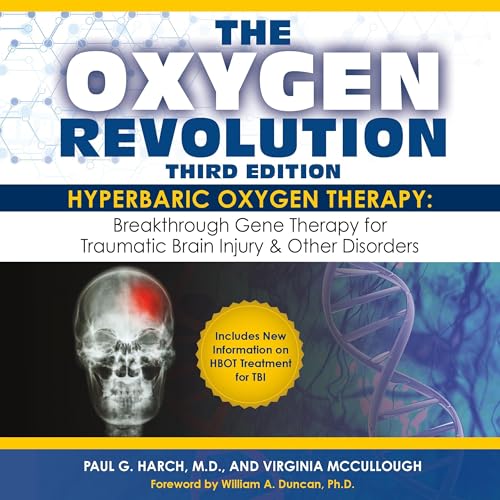
The Oxygen Revolution: Hyperbaric Oxygen Therapy: The New Treatment for Post Traumatic Stress Disorder (PTSD), Traumatic Brain Injury, Stroke, Autism and More: Harch M.D., Paul G., McCullough, Virginia
The Oxygen Revolution, Third Edition: Hyperbaric Oxygen Therapy (HBOT): The Definitive Treatment of Traumatic Brain Injury (TBI) & Other Disorders · Paul G. Harch M.D.
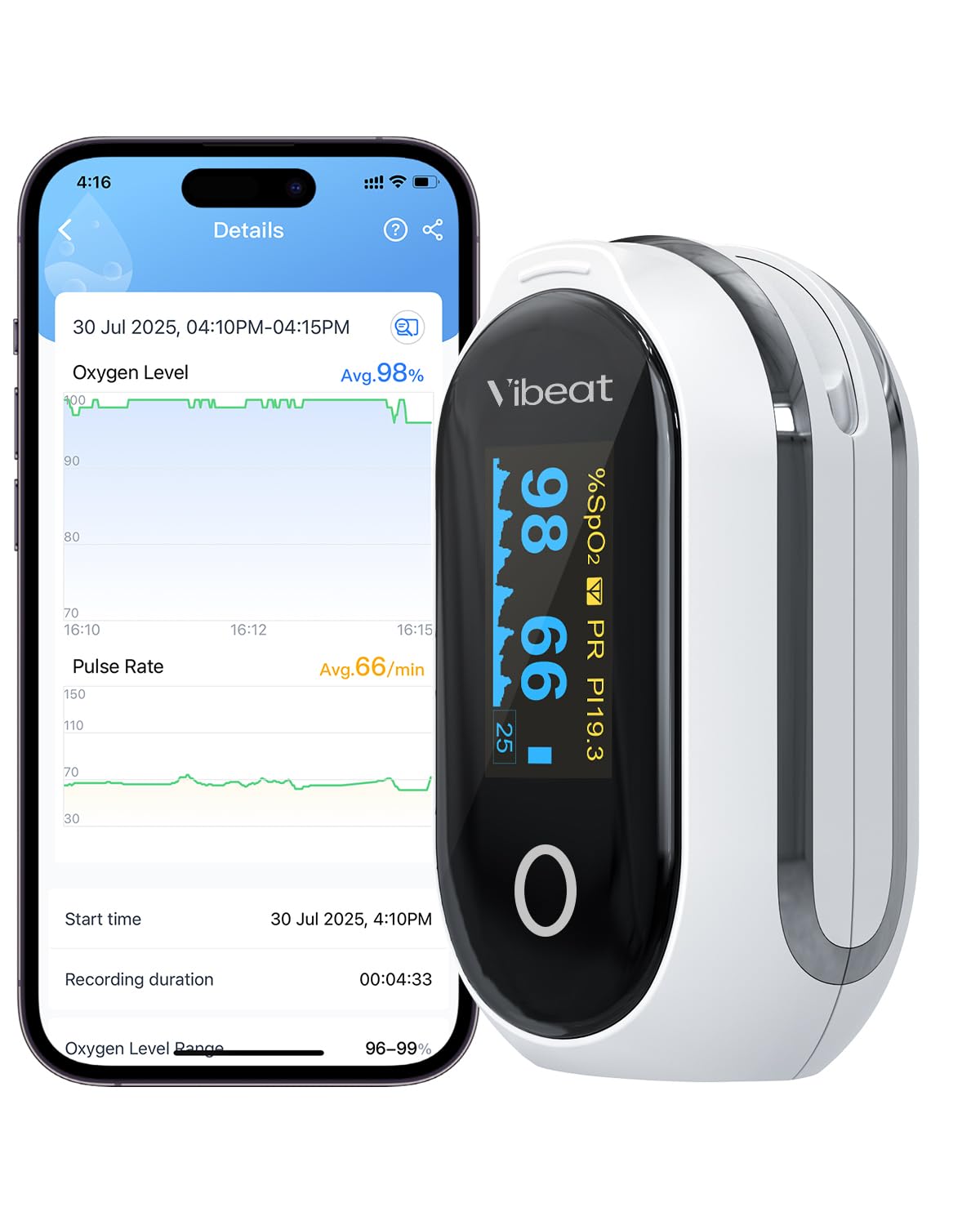
Masimo MightySat Fingertip Pulse Oximeter with Bluetooth ...
Monitor your blood oxygen levels and pulse with a <strong>compact, medical-grade pulse oximeter</strong>. Portable design with one-button operation and lanyard included.

Salter Labs 7Ft Salter Style Adult Oxygen Nasal Cannula with Safe 3-Channel Design, Thread Grip Connector 16SOFTTG-7
7-foot, clear, Salter Style adult-size oxygen nasal cannula with threaded connector, <strong>rated for flows up to 6 liters per minute</strong>. Tubing by Salter Labs is designed with 3-channels to ma
Evidence & Sources
Supported by multiple clinical trials and systematic reviews
- World Health Organization (WHO)
- National Institutes of Health (NIH)
- National Center for Complementary and Integrative Health (NCCIH)
- Global Initiative for Chronic Obstructive Lung Disease (GOLD)
- New England Journal of Medicine
- JAMA
- British Thoracic Society Guideline for oxygen use in adults in healthcare and emergency settings
- Undersea and Hyperbaric Medical Society (UHMS)
This content is for informational purposes only and does not constitute medical advice. Always consult a qualified healthcare provider before starting, stopping, or changing any supplement or medication regimen.