

Pulmonary Fibrosis and Oxygen Therapy
Pulmonary fibrosis is a group of interstitial lung diseases characterized by scarring of the lung’s delicate interstitial tissue. As fibrous tissue replaces normal, elastic alveolar walls, the surface area for gas exchange shrinks and the blood–air barrier thickens. This impairs diffusion of oxygen from the alveoli into the bloodstream, especially during exertion when demand rises and capillary transit time shortens. People commonly experience progressive breathlessness, dry cough, fatigue, and sometimes clubbing; over time, exertional hypoxemia often appears first, followed by resting hypoxemia as disease advances and complications like pulmonary hypertension develop. These changes are central to why clinicians consider supplemental oxygen. Oxygen therapy encompasses several approaches tailored to needs and settings. Long‑term home oxygen is used for chronic resting hypoxemia, typically via stationary concentrators at home for much of the day. Ambulatory or portable oxygen supports activity and community mobility using portable concentrators, cylinders, or (where available) liquid oxygen. Nocturnal oxygen targets sleep‑related desaturation. High‑flow nasal systems provide heated, humidified oxygen at higher flows to reduce work of breathing and improve oxygenation, though data in pulmonary fibrosis are limited. In palliative contexts, oxygen may be offered for relief of distressing breathlessness, especially when hypoxemia is present. Physiologically, supplemental oxygen increases the fraction of inspired oxygen, raises alveolar and arterial oxygen tensions, can offset diffusion limitation, and improves tissue oxygen delivery; patients often report less dyspnea and greater exercise capacity when adequately titrated. Clinical guidance recommends starting long‑term oxygen for severe chronic resting hypoxemia in interstitial lung disease, extrapolating survival evidence from COPD while acknowledging low‑certainty data in fibrosis. Ambulatory oxygen is suggested for
Updated August 10, 2026This content is for informational purposes only and does not constitute medical advice. Always consult a qualified healthcare provider before starting, stopping, or changing any supplement or medication regimen.
Overlapping Treatments
Pulmonary rehabilitation
Strong EvidenceImproves exercise capacity, dyspnea, and health‑related quality of life in interstitial lung disease; may enhance activity tolerance despite fibrosis.
Optimizes oxygen use during exertion, supports titration education, and can reduce perceived breathlessness at a given oxygen flow.
Benefits may wane without ongoing practice; access and insurance coverage vary.
Antifibrotic medications (nintedanib, pirfenidone)
Strong EvidenceSlow decline in lung function and may delay progression to severe hypoxemia.
By stabilizing disease, may reduce escalation of oxygen needs over time.
Adverse effects and monitoring requirements; do not reverse established hypoxemia.
Breathing retraining (pursed‑lip breathing, paced breathing)
Moderate EvidenceReduces dynamic dyspnea and anxiety associated with breathlessness during activities.
Improves synchrony with oxygen delivery devices and may lower perceived flow needs during exertion.
Best learned with therapist guidance; evidence strongest when combined with rehabilitation.
High‑flow nasal cannula (HFNC) in selected settings
Emerging ResearchMay improve oxygenation and comfort in advanced fibrotic disease or acute exacerbations.
Delivers stable, heated, humidified oxygen at higher flows, reducing entrainment of room air and work of breathing.
Limited outpatient ILD data; equipment availability and cost considerations.
Palliative and supportive care
Moderate EvidenceAddresses refractory dyspnea, anxiety, and quality‑of‑life concerns; aligns treatment with patient goals.
Clarifies when oxygen is for symptom relief versus disease modification; integrates non‑oxygen strategies (e.g., fans, positioning).
Oxygen may not relieve dyspnea if hypoxemia is absent; individualized planning needed.
Vaccination, infection prevention, and trigger management
Moderate EvidenceReduces risk of respiratory infections that can worsen fibrosis and gas‑exchange impairment.
Helps maintain stable oxygen needs by preventing exacerbations.
Follow regional recommendations and clinician guidance.
Management of comorbidities (pulmonary hypertension, GERD, deconditioning)
Moderate EvidenceTreating comorbid contributors can improve symptoms and functional status.
Stabilizing cardiopulmonary load can reduce fluctuations in oxygen requirements.
Requires multidisciplinary coordination; treatment responses vary.
Medical Perspectives
Two Ways of Seeing Health

Western
scientific · clinical
Western medicine applies science, technology, and clinical experience to treat symptoms through testing, diagnosis, and targeted intervention.
Surgeons · Pharmaceuticals · Clinical trials · Diagnostics 
Eastern
traditional · alternative
Eastern medicine focuses on treating the body naturally by applying traditional knowledge practiced for thousands of years, emphasizing balance and whole-person wellness.
Acupuncture · Herbal medicine · Yoga · Meditation
Gold Bamboo presents both perspectives side-by-side so you can make informed decisions. We don't advocate for one over the other — your health choices are yours.
Two Ways of Seeing Health
Western
scientific · clinical
Western medicine applies science, technology, and clinical experience to treat symptoms through testing, diagnosis, and targeted intervention.
Eastern
traditional · alternative
Eastern medicine focuses on treating the body naturally by applying traditional knowledge practiced for thousands of years, emphasizing balance and whole-person wellness.
Gold Bamboo presents both perspectives side-by-side so you can make informed decisions. We don't advocate for one over the other — your health choices are yours.
Western Perspective
Western medicine views oxygen therapy in pulmonary fibrosis as symptomatic and supportive care that improves tissue oxygen delivery when diffusion limitation and ventilation–perfusion mismatch cause hypoxemia. Guidelines recommend long‑term oxygen for severe chronic resting hypoxemia and ambulatory oxygen for significant exertional desaturation, with recognized benefits in exercise capacity and dyspnea. Survival benefit remains uncertain in interstitial lung disease (ILD), and recommendations rely partly on extrapolation from COPD and on patient‑centered outcomes.
Key Insights
- Fibrotic remodeling thickens the alveolar–capillary membrane and reduces DLCO, producing exertional hypoxemia early and resting hypoxemia later.
- Long‑term oxygen is recommended in ILD with severe chronic resting hypoxemia; certainty of evidence is low but the clinical rationale is strong.
- Ambulatory oxygen improves dyspnea and health‑related quality of life in fibrotic ILD with exertional hypoxemia (e.g., AmbOx trial).
- Nocturnal desaturation is common; nocturnal oxygen may be used when documented, though high‑quality outcome data are limited.
- High‑flow nasal cannula shows promise in comfort and oxygenation, but outpatient ILD evidence is emerging.
Treatments
- Long‑term home oxygen (stationary concentrator)
- Ambulatory/portable oxygen (portable concentrator, cylinders, liquid systems where available)
- Nocturnal oxygen for sleep‑related desaturation
- High‑flow nasal cannula in advanced disease or exacerbations
- Pulmonary rehabilitation alongside oxygen for exertional support
Deep Dive
Pulmonary fibrosis progressively thickens and scars the interstitium, diminishing alveolar surface area and lengthening diffusion distance for o... Pulmonary fibrosis progressively thickens and scars the interstitium, diminishing alveolar surface area and lengthening diffusion distance for oxygen. This pathophysiology manifests first as exertional hypoxemia because physical activity shortens capillary transit time and magnifies the diffusion barrier; over time, resting hypoxemia often develops. Supplemental oxygen directly addresses this gas‑exchange deficit by raising the fraction of inspired oxygen, increasing alveolar oxygen tension, and thus the gradient driving diffusion into blood. Clinically, oxygen reduces dyspnea and can improve exercise capacity, enabling patients to perform daily tasks and participate in pulmonary rehabilitation. Guidelines from major societies recommend long‑term oxygen for people with interstitial lung disease who have severe chronic resting hypoxemia, acknowledging that the certainty of evidence is lower than in COPD yet the physiologic rationale and patient‑centered benefits are compelling. Ambulatory oxygen is suggested for those with significant exertional desaturation, supported by randomized crossover data showing improvements in breathlessness and health‑related quality of life. Nocturnal oxygen is considered when sleep studies or overnight oximetry reveal desaturation, though robust outcome data remain limited. High‑flow nasal cannula, which delivers heated, humidified oxygen at higher flows to reduce room‑air entrainment and work of breathing, is used in hospitals and selectively at home; evidence in outpatient pulmonary fibrosis is still emerging. Practical implementation entails matching device type to lifestyle: stationary concentrators for home, portable concentrators or cylinders for community mobility, and—where available—liquid oxygen for high flows at lighter weight. Clinicians titrate flow to meet guideline saturation targets during rest, sleep, and exertion. Safety is paramount: oxygen supports combustion, so strict no‑smoking policies and fire precautions are essential. Nasal dryness, skin irritation, and tubing hazards are common but manageable; carbon dioxide retention is uncommon in isolated fibrosis but warrants vigilance if there is overlap with other conditions. Insurance and coverage vary by region and criteria, which can affect access to ambulatory systems. Integrating oxygen with antifibrotic therapy, pulmonary rehabilitation, vaccination, and comorbidity management offers the most comprehensive approach, while palliative care ensures that treatment intensity aligns with patient goals as disease advances.
Sources
- ATS Clinical Practice Guideline: Home Oxygen Therapy for Adults with Chronic Lung Disease (Ann Am Thorac Soc, 2020)
- Visca D et al. Ambulatory oxygen in fibrotic interstitial lung disease (AmbOx): randomized crossover trial (Lancet Respir Med, 2018)
- Bell EC, Cox NS, Goh N et al. Oxygen therapy for interstitial lung disease: systematic review (Eur Respir Rev, 2017)
- British Thoracic Society Guideline for Home Oxygen Use in Adults (Thorax, 2015)
- Holland AE et al. Pulmonary rehabilitation for interstitial lung disease (Cochrane Review, 2014/2017 update)
- Abernethy AP et al. Palliative oxygen vs. room air for refractory dyspnea (Lancet, 2010)
Eastern Perspective
Traditional and integrative frameworks emphasize relieving breathlessness, supporting vitality, and aligning care with patient goals. In Traditional Chinese Medicine (TCM), breathlessness may reflect Lung qi deficiency, phlegm‑damp accumulation, or blood stasis; therapies aim to strengthen Lung and Spleen qi, move stagnation, and calm the spirit. Ayurveda may interpret progressive dyspnea through imbalances in vata and kapha, with attention to digestion, vitality (ojas), and gentle pranayama. These approaches do not replace oxygen when hypoxemia is present; rather, they complement it by easing symptoms, anxiety, and deconditioning.
Key Insights
- Gentle breathing practices (qigong, pranayama) can reduce dyspnea perception and anxiety and improve pacing during activity.
- Acupuncture is traditionally used to modulate dyspnea and stress; small studies suggest benefits in breathlessness and quality of life in chronic lung disease.
- Herbal strategies in TCM aimed at nourishing Lung qi and resolving phlegm are described historically; modern evidence in pulmonary fibrosis is limited and heterogeneous.
- Mind–body practices and energy conservation align with pulmonary rehabilitation goals, potentially enhancing adherence to oxygen use and daily activity pacing.
Treatments
- Breathwork (qigong, tai chi, pranayama) integrated with rehabilitation
- Acupuncture for dyspnea and anxiety management
- Herbal formulations under qualified supervision (evidence limited in fibrosis)
- Meditation and guided relaxation for symptom burden
- Nutrition and digestion support to maintain strength
Deep Dive
Traditional frameworks approach breathlessness as a disturbance of vital energy and balance rather than a single structural defect. In Tradition... Traditional frameworks approach breathlessness as a disturbance of vital energy and balance rather than a single structural defect. In Traditional Chinese Medicine, pulmonary fibrosis–related dyspnea may be conceptualized as Lung qi deficiency complicated by phlegm and blood stasis. Treatment emphasizes tonifying Lung and Spleen qi to support energy, resolving phlegm to ease chest fullness, and moving blood to reduce stagnation that can worsen fatigue and discomfort. Techniques include individualized herbal formulas, acupuncture to modulate respiratory effort and calm the shen (spirit), and qigong to coordinate breath and movement. In Ayurveda, breathlessness can reflect vata derangement and kapha accumulation; gentle pranayama, attention to digestion and nourishment, and restorative routines are used to maintain ojas (vitality) and reduce symptom burden. These traditions do not position their therapies as substitutes for oxygen when hypoxemia is present; rather, they provide supportive tools that may enhance comfort, reduce anxiety, and improve functional coping. Breathwork practices—qigong, tai chi, and pranayama—encourage slow, coordinated breathing, which can lower the perception of dyspnea, complement pacing strategies, and help patients synchronize with oxygen delivery during activity. Acupuncture has been used for breathlessness and stress, with small studies in chronic lung disease suggesting improvements in symptoms and quality of life. Nutrition and gentle strengthening support resilience, while mindful movement mitigates deconditioning. An integrative plan brings these elements together with biomedical care: oxygen therapy to correct hypoxemia; antifibrotic medications to slow decline; pulmonary rehabilitation for conditioning and skills; and mind–body practices to ease the lived experience of breathlessness. Clear communication among patients, pulmonologists, rehabilitation teams, and qualified traditional practitioners helps align choices with safety and personal goals, ensuring complementary methods reinforce—not replace—the benefits of oxygen therapy.
Sources
- Chan AW et al. Acupuncture for chronic breathlessness: systematic review (Complement Ther Med, 2015)
- Yang M et al. Qigong for COPD symptoms: meta‑analysis (Complement Ther Med, 2016)
- Sudarshan Kriya/pranayama studies in chronic lung disease: narrative reviews (various)
- World Health Organization: Benchmarks for training in traditional/complementary medicine (TCM, Ayurveda)
Evidence Ratings
Long‑term oxygen is recommended for ILD with severe chronic resting hypoxemia to improve symptoms and oxygenation.
ATS Clinical Practice Guideline: Home Oxygen Therapy for Adults with Chronic Lung Disease (2020)
Ambulatory oxygen improves dyspnea and health‑related quality of life in fibrotic ILD with exertional hypoxemia.
Visca D et al., AmbOx randomized crossover trial (Lancet Respir Med, 2018)
Supplemental oxygen acutely increases exercise capacity (e.g., six‑minute walk distance) in ILD.
Bell EC et al., Eur Respir Rev (2017) systematic review
Survival benefit of long‑term oxygen in ILD remains uncertain due to lack of disease‑specific RCTs.
ATS Home Oxygen Guideline (2020); Bell EC et al. (2017)
Nocturnal oxygen may be considered when significant sleep‑related desaturation is documented, but outcome evidence is limited.
ATS Home Oxygen Guideline (2020)
High‑flow nasal cannula can improve oxygenation and comfort, but outpatient ILD evidence is preliminary.
Narrative reviews of HFNC in chronic respiratory failure (2018–2022)
Sources
- ATS Clinical Practice Guideline: Home Oxygen Therapy for Adults with Chronic Lung Disease. Ann Am Thorac Soc. 2020;17(3):e225–e252.
- Visca D, Montgomery A, de Lauretis A et al. Effect of ambulatory oxygen on quality of life in fibrotic lung disease (AmbOx). Lancet Respir Med. 2018;6(10):759-770.
- Bell EC, Cox NS, Goh N, Glaspole I, Westall G, Holland AE. Oxygen therapy for interstitial lung disease: A systematic review. Eur Respir Rev. 2017;26(143):160080.
- Hardinge M et al. British Thoracic Society Guidelines for Home Oxygen Use in Adults. Thorax. 2015;70(Suppl 1):i1–i43.
- Holland AE, Hill CJ, et al. Pulmonary rehabilitation for interstitial lung disease. Cochrane Database Syst Rev. 2014;(10):CD006322. Updates 2017.
- Abernethy AP et al. Effect of palliative oxygen vs room air in relief of breathlessness in patients with refractory dyspnea. Lancet. 2010;376(9743):784-793.
- BTS Clinical Statement on air travel for passengers with respiratory disease. Thorax. 2022;77(4):329–358.
- Pulmonary Fibrosis Foundation. Oxygen Therapy in Pulmonary Fibrosis (patient resources and position statements).
Related Topics
Recommended Products
Ultimate Pulmonary Wellness (1): Greenspan, Noah, Mangus, Mark W., Braun, Norma MT
Ultimate Pulmonary Wellness is <strong>a resource for all people living with respiratory disease including patients, their families and caretakers; and clinicians</strong>. This well-rounded guidebook
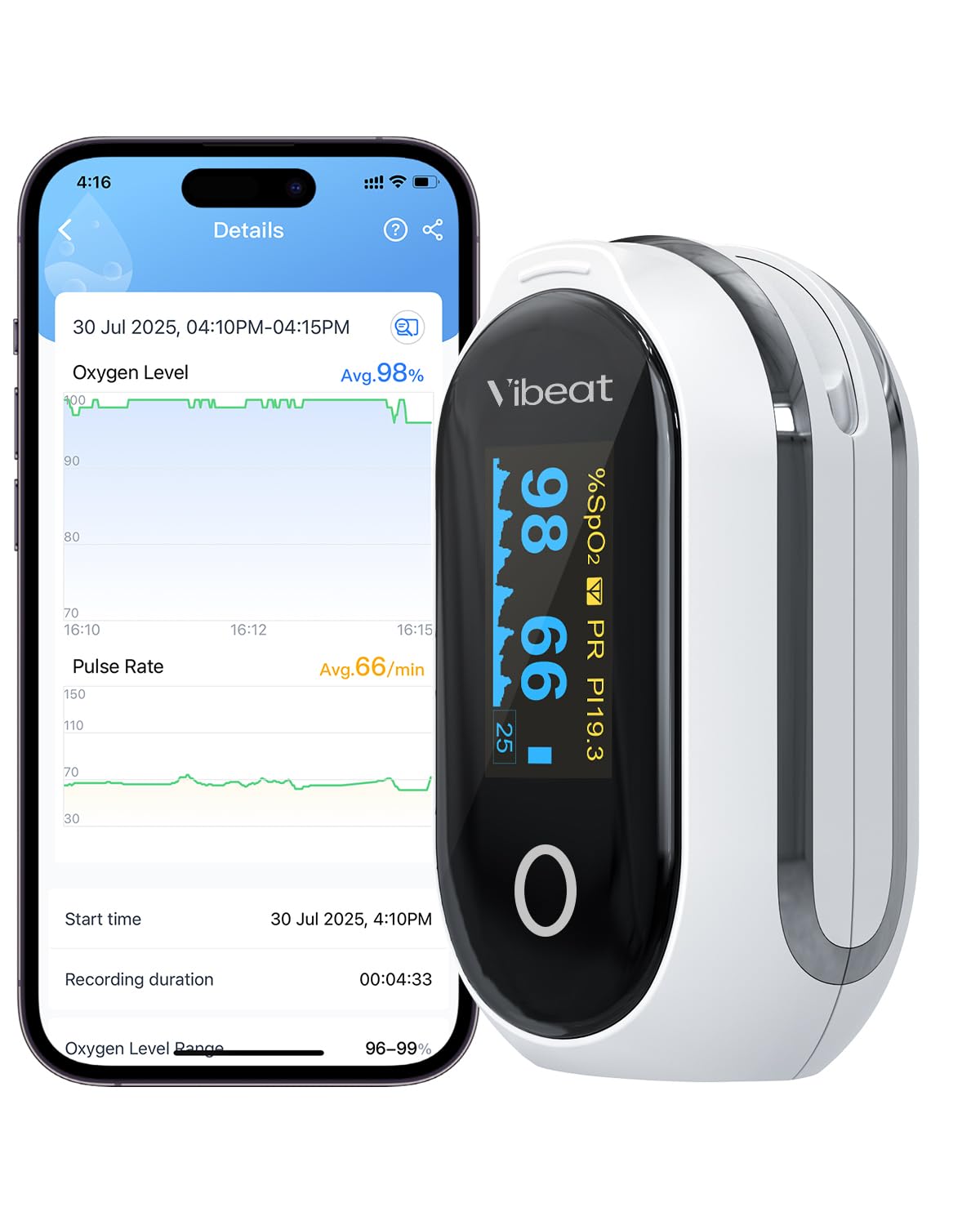
Masimo MightySat Fingertip Pulse Oximeter with Bluetooth ...
Monitor your blood oxygen levels and pulse with a <strong>compact, medical-grade pulse oximeter</strong>. Portable design with one-button operation and lanyard included.

Ayr Saline Nasal Gel, With Soothing Aloe, 0.5 Ounce Tube (Pack of 1)
Aquegel Nasal Moisturizer (Original Unscented), 12-Hour Nasal Moisture Relief, Water-Based Nose Gel, Oxygen Therapy Moisturizer, Dry Nose, Dryness, Nosebleeds, Cannula, Saline Gel · Boogie Saline Nasa
Health Disclaimer
This content is for informational purposes only and does not constitute medical advice. Always consult a qualified healthcare provider before starting, stopping, or changing any supplement or medication regimen.