

Pulmonary Fibrosis
Overview
Pulmonary fibrosis is a chronic lung condition marked by scarring (fibrosis) of the lung tissue, especially the interstitium—the supportive tissue surrounding the air sacs. As scar tissue builds, the lungs become stiffer and less able to transfer oxygen into the bloodstream efficiently. Over time, this can lead to symptoms such as progressive shortness of breath, dry cough, reduced exercise tolerance, fatigue, and low oxygen levels. Pulmonary fibrosis may occur on its own, as in idiopathic pulmonary fibrosis (IPF), or develop in association with autoimmune disease, environmental or occupational exposures, certain medications, radiation, or other forms of interstitial lung disease.
The term is often used broadly, but in clinical medicine it exists within the larger category of interstitial lung diseases (ILDs). IPF is one of the most recognized and serious forms because it tends to worsen over time and has been studied extensively. Prevalence estimates vary by population and diagnostic criteria, but pulmonary fibrosis is generally considered uncommon yet clinically significant, particularly because it can lead to substantial disability, hospitalizations, and shortened survival in advanced cases. Improved imaging, multidisciplinary diagnosis, and greater awareness have increased recognition of these disorders in recent decades.
Pulmonary fibrosis is important not only because of its effect on breathing, but also because it often affects overall function and quality of life. People living with the condition may experience deconditioning, sleep disruption, anxiety, depression, and limitations in daily activities. Some forms remain relatively stable for periods of time, while others progress steadily or worsen in sudden episodes called acute exacerbations. Prognosis depends heavily on the underlying cause, pattern of lung injury, extent of fibrosis, and response to supportive care.
From a broad health perspective, pulmonary fibrosis sits at the intersection of inflammation, abnormal wound healing, immune dysregulation, and tissue remodeling. Conventional medicine emphasizes early recognition, identifying the cause when possible, slowing disease progression, and managing symptoms and complications. Traditional and integrative systems often frame the condition in terms of chronic weakness, impaired respiratory vitality, systemic imbalance, and the need to support resilience and function. Because pulmonary fibrosis can mimic or overlap with other cardiopulmonary conditions, evaluation by qualified healthcare professionals is considered important for accurate diagnosis and ongoing monitoring.
Medical Perspectives
Two Ways of Seeing Health

Western
scientific · clinical
Western medicine applies science, technology, and clinical experience to treat symptoms through testing, diagnosis, and targeted intervention.

Eastern
traditional · alternative
Eastern medicine focuses on treating the body naturally by applying traditional knowledge practiced for thousands of years, emphasizing balance and whole-person wellness.
Gold Bamboo presents both perspectives side-by-side so you can make informed decisions. We don't advocate for one over the other — your health choices are yours.
Western Medicine Perspective
Western Medicine Perspective
In conventional medicine, pulmonary fibrosis is understood as the result of repeated or dysregulated injury to the lung tissue, followed by abnormal repair and excessive deposition of fibrous connective tissue. In idiopathic pulmonary fibrosis, the exact trigger remains unknown, but current models emphasize epithelial cell injury, aging-related changes, genetic susceptibility, altered immune signaling, and activation of fibroblasts that produce collagen and scar tissue. In other cases, clinicians investigate connective tissue diseases such as rheumatoid arthritis or systemic sclerosis, inhalational exposures such as silica or asbestos, chronic hypersensitivity pneumonitis, medication toxicity, and prior radiation exposure.
Diagnosis generally relies on a combination of clinical history, pulmonary function testing, high-resolution CT imaging, laboratory evaluation, and sometimes lung biopsy, often interpreted through a multidisciplinary discussion involving pulmonology, radiology, and pathology. Typical findings may include restrictive lung physiology, reduced diffusing capacity, and characteristic imaging patterns such as usual interstitial pneumonia (UIP). Conventional management focuses on clarifying the subtype, monitoring progression, and addressing complications such as hypoxemia, pulmonary hypertension, respiratory infections, gastroesophageal reflux, and acute exacerbations. In IPF and some progressive fibrosing ILDs, antifibrotic medications have been shown to slow decline in lung function, though they are not considered curative.
Supportive care is a major part of the western approach. Research and clinical guidelines highlight the role of pulmonary rehabilitation, vaccination, oxygen therapy when indicated, smoking cessation, nutrition support, and palliative symptom management. Selected patients may be evaluated for lung transplantation, particularly when disease progresses despite standard management. Conventional medicine also places strong emphasis on distinguishing pulmonary fibrosis from reversible or treatable causes of breathlessness, and on ongoing follow-up because disease trajectory can change over time. Any complementary approach is generally viewed as needing careful coordination with a treating clinician, especially because advanced lung disease can carry substantial risks.
Eastern & Traditional Perspective
Eastern and Traditional Medicine Perspective
In Traditional Chinese Medicine (TCM), pulmonary fibrosis is not defined as a single disease entity in the modern biomedical sense, but symptoms such as chronic cough, labored breathing, fatigue, and dryness may be interpreted through patterns involving the Lung, Spleen, and Kidney systems. Classical pattern descriptions may include Lung yin deficiency, Lung qi deficiency, phlegm and blood stasis obstructing the channels, or a longer-term depletion of Kidney essence affecting the grasping of qi. Traditional theory often views chronic respiratory disease as a combination of deficiency at the root and obstruction at the branch, meaning underlying weakness coexists with impaired movement of fluids, qi, and blood.
Within TCM and related East Asian practices, care is traditionally oriented toward pattern differentiation, with goals such as supporting respiratory function, reducing phlegm accumulation, nourishing yin, and improving overall vitality. Modalities may include acupuncture, individualized herbal formulas, breathing practices, dietary strategies, and gentle movement disciplines such as qigong or tai chi. Contemporary integrative research has explored whether some of these approaches may help with symptoms, exercise tolerance, or quality of life in chronic lung disease, but findings for pulmonary fibrosis specifically remain limited and heterogeneous. As a result, the evidence base is generally considered less established than that for conventional diagnostic and disease-monitoring methods.
In Ayurveda, pulmonary fibrosis may be interpreted through disturbances involving Prana Vata, Kapha accumulation, and in some presentations depletion of tissue vitality or impaired respiratory channels (pranavaha srotas). Traditional frameworks may describe the condition in terms of dryness, obstruction, weakened resilience, and progressive loss of lung capacity. Ayurvedic and naturopathic systems often emphasize broad constitutional balance, digestion, inflammation modulation, breath training, and restorative care. While such perspectives may offer supportive frameworks for understanding chronic illness, high-quality clinical evidence for disease-modifying effects in pulmonary fibrosis remains limited.
Across traditional systems, a consistent theme is that chronic respiratory scarring reflects a long-standing imbalance affecting both breath and systemic vitality. These approaches are most commonly discussed as complementary rather than replacement frameworks, particularly because pulmonary fibrosis can progress and may require close medical surveillance, oxygen assessment, and evaluation for complications. Integrative care discussions generally note the importance of working with qualified practitioners who can communicate across disciplines.
Related Topics
Oxygen Therapy
Oxygen Therapy — treatment topic in the Gold Bamboo health ontology.
How They Relate
Pulmonary Fibrosis & Oxygen Therapy
Pulmonary fibrosis is a group of interstitial lung diseases characterized by scarring of the lung’s delicate interstitial tissue. As fibrous tissue replaces normal, elastic alveolar walls, the surf...
Supplements & Products
Recommended Products
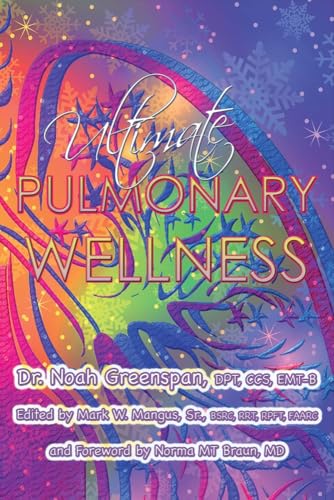
Ultimate Pulmonary Wellness (1): Greenspan, Noah, Mangus, Mark W., Braun, Norma MT
Ultimate Pulmonary Wellness is <strong>a resource for all people living with respiratory disease including patients, their families and caretakers; and clinicians</strong>. This well-rounded guidebook

Innovo Deluxe iP900AP Fingertip Pulse Oximeter Blood Oxygen Saturation Monitor with Alarm, Plethysmograph and Perfusion Index
The Innovo Deluxe Fingertip pulse ... features, the Plethysmograph and Perfusion Index (PI), that will <strong>improve the reliability of the readings dramatically</strong>....

Coway Airmega AP-1512HH(W) True HEPA Purifier with Air Quality Monitoring, Auto, Timer, Filter Indicator, and Eco Mode, 16.8 x 18.3 x 9.7, White
COWAY Air Purifiers for Home Large Room Up to 1,860 ft², Washable Pre-Filter and HEPA Filter for Smoke, Allergies, Pet Dander, Odor, AQI, Smart & Rapid Mode, Timer, 3yr Warranty, Airmega 250 · AP-
Evidence & Sources
Promising research with growing clinical support from multiple studies
- American Thoracic Society (ATS)
- European Respiratory Society (ERS)
- National Heart, Lung, and Blood Institute (NHLBI)
- National Institute for Health and Care Excellence (NICE)
- The New England Journal of Medicine
- The Lancet Respiratory Medicine
- CHEST
- National Center for Complementary and Integrative Health (NCCIH)
This content is for informational purposes only and does not constitute medical advice. Always consult a qualified healthcare provider before starting, stopping, or changing any supplement or medication regimen.