

Eye Movement Desensitization and Reprocessing
Also known as: EMDR, Eye Movement Desensitization and Reprocessing, EMDR (Eye Movement Desensitization and Reprocessing)
Overview
Eye Movement Desensitization and Reprocessing (EMDR) is a structured psychotherapy developed to help people process distressing memories and reduce the emotional intensity associated with trauma and other adverse experiences. It is most commonly discussed in relation to post-traumatic stress disorder (PTSD), but it has also been studied for anxiety, phobias, grief-related distress, and some pain and stress-related conditions. EMDR typically involves recalling distressing memories while engaging in bilateral stimulation, such as guided eye movements, tapping, or alternating auditory cues, within a phased therapeutic framework.
The model underlying EMDR proposes that some traumatic or overwhelming experiences may become insufficiently processed and remain stored in a way that continues to trigger emotional, cognitive, and physical distress. In practice, EMDR sessions often focus on identifying target memories, associated beliefs, emotions, and body sensations, then reprocessing them in a way that appears to reduce their charge over time. The treatment is generally delivered by trained mental health professionals and is usually integrated with broader trauma-informed assessment, stabilization, and follow-up care.
EMDR has gained substantial international visibility because major professional organizations have recognized it as a treatment option for trauma-related symptoms. Research over the past several decades suggests that EMDR can reduce PTSD symptoms in many individuals, and in some studies it has shown benefits comparable to other trauma-focused psychotherapies. At the same time, questions remain about which components are most essential, whether bilateral stimulation adds unique benefit beyond exposure and cognitive processing elements, and how well findings generalize across different diagnoses and populations.
As with most mental health interventions, EMDR is not a one-size-fits-all approach. Factors such as trauma complexity, dissociation, co-occurring psychiatric conditions, therapeutic alliance, pacing, and clinician training can influence outcomes. A balanced understanding therefore places EMDR within the broader landscape of trauma treatment: well-established for PTSD in many guidelines, promising for some related conditions, and best considered in consultation with qualified healthcare professionals who can assess individual context and safety.
Medical Perspectives
Two Ways of Seeing Health

Western
scientific · clinical
Western medicine applies science, technology, and clinical experience to treat symptoms through testing, diagnosis, and targeted intervention.

Eastern
traditional · alternative
Eastern medicine focuses on treating the body naturally by applying traditional knowledge practiced for thousands of years, emphasizing balance and whole-person wellness.
Gold Bamboo presents both perspectives side-by-side so you can make informed decisions. We don't advocate for one over the other — your health choices are yours.
Western Medicine Perspective
Western Medicine Perspective
From a conventional mental health perspective, EMDR is understood primarily as a trauma-focused psychotherapy. It is often described through the lens of memory reconsolidation, fear extinction, attentional taxation, and adaptive information processing. Although the exact mechanism is still debated, studies indicate that EMDR may help reduce vividness and emotional reactivity attached to traumatic memories while facilitating more adaptive beliefs about the event and the self. Standard EMDR protocols are organized into eight phases, including history-taking, preparation, assessment, desensitization, installation of adaptive beliefs, body scan, closure, and reevaluation.
In evidence reviews and clinical guidelines, EMDR is most strongly associated with treatment of PTSD. Organizations such as the World Health Organization, U.S. Department of Veterans Affairs/Department of Defense, and other guideline bodies have included EMDR among recognized trauma therapies. Meta-analyses generally find that EMDR can significantly reduce PTSD symptoms, though comparative findings vary depending on study design and comparator treatment. Some reviews suggest outcomes similar to trauma-focused cognitive behavioral therapy in certain populations, while others note ongoing uncertainty about the specific contribution of the eye movement component.
Within conventional care, EMDR is typically viewed as a psychotherapy requiring specialized training, careful screening, and clinical monitoring. Clinicians may consider factors such as emotional stability, dissociation, psychosis, substance use, acute suicidality, and medical or neurologic issues that could affect treatment pacing or tolerability. Adverse effects are generally psychological rather than physical and may include temporary increases in distress, vivid dreams, fatigue, or activation of difficult memories between sessions. For this reason, mainstream practice emphasizes informed consent, stabilization skills, and integration within an overall treatment plan rather than presenting EMDR as a stand-alone solution for all forms of distress.
Eastern & Traditional Perspective
Eastern/Traditional Medicine Perspective
Traditional medical systems did not historically describe EMDR by name, since it is a modern psychotherapy. However, from an Eastern and integrative perspective, EMDR is often interpreted as a method that helps restore balance after overwhelming experiences disrupt the connection between mind, body, and emotional regulation. In these frameworks, trauma is frequently understood not only as a psychological imprint but also as a disturbance expressed through the nervous system, breath, sleep, digestion, energy, and bodily tension. The use of rhythmic bilateral stimulation may be seen as conceptually resonant with traditional practices that employ patterned sensory input, grounding, breath awareness, and body-based regulation to help the system settle.
In Traditional Chinese Medicine (TCM), trauma-related symptoms may be discussed in terms of disruptions involving the Heart, Liver, and Kidney systems, disturbance of the Shen (spirit/mind), and impaired flow of Qi and Blood. Emotional shock or chronic stress may be understood as contributing to agitation, fear, hypervigilance, insomnia, or somatic tension. While EMDR itself is not a TCM treatment, integrative practitioners may view it as compatible with a broader effort to calm the Shen and reduce embodied distress when used alongside appropriate supportive care.
In Ayurveda, trauma-related patterns may be framed through aggravation of Vata, especially when symptoms include fear, restlessness, sleep disturbance, startle responses, and mental overactivity. A traditional lens often emphasizes grounding, routine, sensory regulation, and restoration of internal steadiness. Naturopathic and mind-body traditions similarly tend to interpret unresolved stress as affecting the whole organism, not just cognition. From these perspectives, EMDR may be regarded as one modern tool that aligns with a holistic principle long present in traditional systems: that healing can involve reprocessing experience through both awareness and bodily regulation.
Because direct traditional evidence on EMDR is limited, Eastern and traditional interpretations are largely conceptual and integrative rather than historical or trial-based. A cautious, balanced view recognizes that traditional systems may offer useful frameworks for understanding stress physiology and mind-body recovery, while the core research base for EMDR itself comes from modern clinical psychology and psychiatry.
Related Topics
Post-Traumatic Stress Disorder
Post-traumatic stress disorder — condition topic in the Gold Bamboo health ontology.
How They Relate
Post-traumatic stress disorder (PTSD) & EMDR (Eye Movement Desensitization and Reprocessing)
Post‑traumatic stress disorder (PTSD) is a mental health condition that can follow exposure to traumatic events such as assault, combat, accidents, disasters, or prolonged abuse. Core symptom clust...
Supplements & Products
Recommended Products
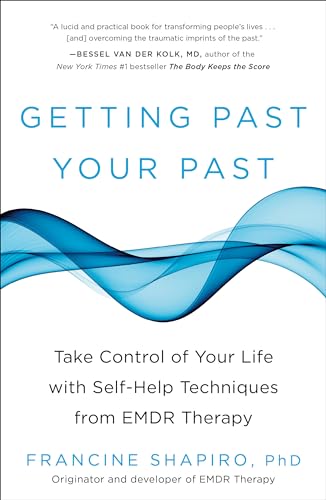
Getting Past Your Past: Take Control of Your Life with Self-Help Techniques from EMDR Therapy: Shapiro, Francine
Francine Shapiro, the developer ... psychotherapy, <strong>translates her groundbreaking method into practical suggestions for those who have been stuck in past events from which they have been unable

ALMAWAVE SENSE EMDR Bilateral Stimulation Tappers, Handheld Vibration Therapy Device with Light for Anxiety and Stress Relief, Includes Free Protocol Book
BILATERAL STIMULATION FOR EMDR DEVICE – <strong>Recreates the EMDR technique with alternating vibrations and left-right lights, just like a light bar</strong>. An essential tool for desensitization an
Evidence & Sources
Supported by multiple clinical trials and systematic reviews
- World Health Organization (WHO) Guidelines for the Management of Conditions Specifically Related to Stress
- U.S. Department of Veterans Affairs/Department of Defense Clinical Practice Guideline for PTSD
- National Center for Complementary and Integrative Health (NCCIH)
- American Psychiatric Association practice guideline literature on PTSD
- Cochrane Database of Systematic Reviews
- Journal of Traumatic Stress
- European Journal of Psychotraumatology
- The Lancet Psychiatry
This content is for informational purposes only and does not constitute medical advice. Always consult a qualified healthcare provider before starting, stopping, or changing any supplement or medication regimen.