

Post-traumatic stress disorder (PTSD) and EMDR (Eye Movement Desensitization and Reprocessing)
Post‑traumatic stress disorder (PTSD) is a mental health condition that can follow exposure to traumatic events such as assault, combat, accidents, disasters, or prolonged abuse. Core symptom clusters include intrusive memories and nightmares, avoidance of reminders, negative changes in mood and thinking, and hyperarousal (e.g., irritability, poor sleep, hypervigilance). In the United States, lifetime prevalence is roughly 6–8%, with significant functional impacts on work, relationships, and health. Many people experience short‑term distress after trauma; PTSD is diagnosed when symptoms persist beyond one month, cause impairment, and meet specific criteria. Within the first month, clinicians may use the diagnosis of acute stress disorder; many individuals improve naturally, while others benefit from early, trauma‑informed support. EMDR (Eye Movement Desensitization and Reprocessing) is a structured psychotherapy delivered in eight phases: history taking, preparation (stabilization skills), assessment (identifying target memories), desensitization (processing with bilateral stimulation such as guided eye movements), installation (strengthening adaptive beliefs), body scan, closure, and reevaluation. Leading theories propose that bilateral stimulation taxes working memory so traumatic images become less vivid and distressing, that it triggers an orienting/relaxation response facilitating adaptive learning, and that it may mimic aspects of REM‑like memory reconsolidation. Regardless of the precise mechanism, clinical outcomes are the focus of research. Evidence from randomized trials and meta‑analyses indicates EMDR is effective for adult PTSD compared with waitlist and supportive therapies, and its efficacy appears broadly comparable to other first‑line, trauma‑focused psychotherapies such as trauma‑focused CBT, prolonged exposure, and cognitive processing therapy. Major guidelines (WHO, NICE, and the 2023 VA/DoD guideline) recommend EMDR for PTSD, while the 2017 U.
Updated September 8, 2026This content is for informational purposes only and does not constitute medical advice. Always consult a qualified healthcare provider before starting, stopping, or changing any supplement or medication regimen.
Medical Perspectives
Two Ways of Seeing Health

Western
scientific · clinical
Western medicine applies science, technology, and clinical experience to treat symptoms through testing, diagnosis, and targeted intervention.
Surgeons · Pharmaceuticals · Clinical trials · Diagnostics 
Eastern
traditional · alternative
Eastern medicine focuses on treating the body naturally by applying traditional knowledge practiced for thousands of years, emphasizing balance and whole-person wellness.
Acupuncture · Herbal medicine · Yoga · Meditation
Gold Bamboo presents both perspectives side-by-side so you can make informed decisions. We don't advocate for one over the other — your health choices are yours.
Two Ways of Seeing Health
Western
scientific · clinical
Western medicine applies science, technology, and clinical experience to treat symptoms through testing, diagnosis, and targeted intervention.
Eastern
traditional · alternative
Eastern medicine focuses on treating the body naturally by applying traditional knowledge practiced for thousands of years, emphasizing balance and whole-person wellness.
Gold Bamboo presents both perspectives side-by-side so you can make informed decisions. We don't advocate for one over the other — your health choices are yours.
Western Perspective
Western clinical medicine views EMDR as a first‑line, trauma‑focused psychotherapy for PTSD. It is delivered via a standardized, eight‑phase protocol that targets distressing memories and associated beliefs and sensations while applying bilateral stimulation (e.g., saccadic eye movements, alternating taps, or tones). Multiple randomized controlled trials and meta‑analyses show EMDR reduces PTSD symptom severity and functional impairment, with outcomes comparable to trauma‑focused CBT and exposure‑based approaches. Major guidelines (VA/DoD 2023, NICE 2018, WHO 2013) endorse EMDR for adults with PTSD. While precise mechanisms remain debated, leading models emphasize working‑memory taxation and memory reconsolidation processes. Research supports careful screening, stabilization, and adaptations for complex presentations and comorbidities.
Key Insights
- Multiple meta‑analyses show EMDR outperforms waitlist/usual care and is comparable to other trauma‑focused therapies for adult PTSD.
- Guidelines from VA/DoD (2023), NICE (2018), and WHO (2013) recommend EMDR; APA (2017) offered a conditional recommendation given fewer trials at that time.
- Working‑memory and reconsolidation models have empirical support, including evidence that eye movements add incremental benefit beyond exposure alone.
- Dropout rates in some studies are similar to or slightly lower than in exposure therapy, though results vary by setting and population.
- Limitations include heterogeneity of protocols, smaller evidence bases for complex PTSD, early interventions, children, and digital/accelerated formats.
Treatments
- EMDR (standard 8‑phase protocol; sessions commonly 60–90 minutes)
- Trauma‑focused CBT, Prolonged Exposure, Cognitive Processing Therapy
- SSRIs/SNRIs for PTSD symptoms (e.g., sertraline, paroxetine; class effect)
- Adjuncts for specific symptoms (e.g., prazosin for nightmares)
- Stabilization skills training (grounding, emotion regulation)
Deep Dive
PTSD arises when traumatic experiences overwhelm the brain’s capacity to process and integrate memory, leaving sensory fragments, threat apprais... PTSD arises when traumatic experiences overwhelm the brain’s capacity to process and integrate memory, leaving sensory fragments, threat appraisals, and autonomic arousal readily reactivated by reminders. The DSM-5 framework groups core symptoms into intrusion, avoidance, negative cognition/mood, and hyperarousal—features that impair daily functioning for an estimated 6–8% of adults over a lifetime. Not everyone exposed to trauma develops PTSD; natural recovery is common. Clinically, persistent symptoms beyond one month with functional impairment differentiate PTSD from normal stress reactions or acute stress disorder. EMDR is a structured, trauma-focused psychotherapy that targets distressing memories and associated beliefs and body sensations. Treatment proceeds through history and case formulation; preparation with stabilization and coping skills; assessment of a target memory and related negative/positive cognitions; desensitization with bilateral stimulation (eye movements, tones, or taps) while the client briefly holds the memory in mind; installation of adaptive beliefs; body scanning for residual distress; closure; and reevaluation. Competing models explain efficacy. Working‑memory theories posit that holding a vivid, emotional image in mind while tracking bilateral stimuli taxes limited cognitive resources, rendering the image less vivid and less distressing upon reconsolidation. Alternative models emphasize orienting responses, parasympathetic shifts, or REM‑like processing. Randomized trials and meta-analyses show EMDR produces large symptom reductions versus waitlist or usual care and achieves outcomes similar to trauma‑focused CBT, prolonged exposure, and cognitive processing therapy. Guideline bodies—including WHO, NICE, and the VA/DoD—recommend EMDR for adult PTSD, although the APA (2017) issued a conditional recommendation reflecting fewer trials at that time. Research limitations include heterogeneous protocols, relatively fewer head‑to‑head trials in diverse settings, and smaller evidence bases for complex PTSD, early post‑trauma interventions, and pediatric populations. Practically, a typical course ranges from 6–12 sessions for single‑incident trauma, with more extensive, phase‑oriented work for complex trauma or significant comorbidity. Short‑term increases in distress, intense dreams, or fatigue can occur. Caution and stabilization are prioritized for individuals with uncontrolled dissociation, acute suicidality, active psychosis, or severe substance misuse. EMDR is often integrated with medications (e.g., SSRIs/SNRIs; prazosin for nightmares) and with other therapies for insomnia, pain, or depression. Evidence does not clearly show that routine combination outperforms high‑quality psychotherapy alone, so personalization and measurement‑based care are emphasized.
Sources
- VA/DoD Clinical Practice Guideline for the Management of Posttraumatic Stress Disorder and Acute Stress Disorder, 2023
- National Institute for Health and Care Excellence (NICE) Guideline NG116: Post-traumatic stress disorder, 2018
- World Health Organization. Guidelines for the management of conditions that are specifically related to stress, 2013
- American Psychological Association (APA) Clinical Practice Guideline for the Treatment of PTSD in Adults, 2017
- Bisson JI et al. Psychological therapies for chronic PTSD in adults. Cochrane Database Syst Rev. 2013
- Mavranezouli I et al. Psychological Medicine. 2020; network meta-analysis of PTSD psychotherapies
- Cusack K et al. Clinical Psychology Review. 2016; systematic review/meta-analysis
- Lee CW, Cuijpers P. J Behav Ther Exp Psychiatry. 2013; meta-analysis of eye-movement contribution
- van den Hout MA, Engelhard IM. Clin Psychol Rev. 2012; mechanisms of EMDR
Eastern Perspective
Traditional and integrative frameworks emphasize restoring balance in mind–body systems disrupted by trauma. In Traditional Chinese Medicine, traumatic stress can be conceptualized as disturbance of the Shen (spirit) and dysregulation of Heart, Liver, and Kidney systems, often manifesting as insomnia, irritability, and somatic tension. Ayurveda describes trauma‑related patterns of aggravated Vata (restlessness, hyperarousal) and sometimes Pitta (anger, heat). Mind–body practices—meditation, breathwork, yoga, and acupuncture—are used to calm the nervous system, cultivate awareness, and support reintegration after trauma. From an integrative standpoint, EMDR complements these approaches by directly processing traumatic memories while traditional practices build safety, grounding, and resilience between sessions.
Key Insights
- Mind–body practices can reduce physiological arousal and improve sleep, potentially supporting EMDR readiness and consolidation of therapeutic gains.
- Yoga and mindfulness show benefits for PTSD symptoms in clinical studies, though effect sizes and study quality vary.
- Acupuncture is traditionally used to soothe Shen and regulate Qi; preliminary trials suggest possible benefit for PTSD symptoms, but evidence is less robust than for trauma‑focused psychotherapies.
- Integrative care often follows a phased approach: stabilization and somatic regulation, memory processing (e.g., EMDR), and reintegration with lifestyle practices.
- Cultural tailoring and attention to community, ritual, and meaning-making can be therapeutic for survivors of prolonged or collective trauma.
Treatments
- Mindfulness-based interventions (e.g., MBSR, MBCT adaptations)
- Trauma-sensitive yoga and breathwork (e.g., paced/alternate-nostril breathing)
- Acupuncture (selected points to calm Shen and regulate sleep/anxiety)
- Ayurvedic lifestyle measures emphasizing grounding routines and nourishment
- Nature exposure and contemplative practices to support regulation
Deep Dive
Traditional healing systems frame trauma as a disruption of the mind–body network that governs safety, energy flow, and meaning. In Traditional ... Traditional healing systems frame trauma as a disruption of the mind–body network that governs safety, energy flow, and meaning. In Traditional Chinese Medicine, traumatic shock may agitate the Shen (spirit) and dysregulate the Heart, Liver, and Kidney systems, giving rise to insomnia, anxiety, irritability, and somatic tension. Treatment aims to calm the Shen, harmonize Qi, and restore restorative sleep—often through acupuncture, herbal formulas (individualized by pattern), and lifestyle guidance. Ayurveda interprets trauma-related hyperarousal as aggravated Vata, sometimes with Pitta irritability, and employs grounding routines, warm nourishment, breath practices, meditation, and bodywork to reestablish stability and connection. From an integrative perspective, EMDR can complement these approaches. Mind–body practices such as mindfulness meditation, trauma‑sensitive yoga, and paced breathing down‑regulate autonomic arousal and cultivate interoceptive awareness—capacities that can enhance EMDR preparation and facilitate consolidation between sessions. Small to moderate clinical effects have been reported for mindfulness‑based programs and yoga in PTSD, though the evidence is more heterogeneous than for first‑line trauma‑focused psychotherapies. Acupuncture is traditionally used to soothe the nervous system; preliminary trials suggest symptom benefits but with mixed quality and fewer rigorous comparisons. In complex or prolonged trauma, many integrative clinicians adopt phased care: first establishing safety, regulation, and social support; then engaging in memory processing (e.g., EMDR); and finally reinforcing gains through daily practices that promote sleep, nutrition, movement, and community connection. Cultural adaptation—incorporating language, ritual, and community healing—can be especially important for refugees, Indigenous communities, and survivors of collective violence. Across traditions, the shared goal is to help individuals transform traumatic imprints into integrated memories while rebuilding a sense of safety, agency, and meaning.
Sources
- van der Kolk BA et al. J Clin Psychiatry. 2014; RCT of yoga adjunctive to PTSD treatment
- Boyd JE et al. Clin Psychol Rev. 2018; meta-analysis of mindfulness-based interventions for PTSD
- Kim YD et al. Evid Based Complement Alternat Med. 2013; systematic review of acupuncture for PTSD
- NICE NG116 (2018) – notes on non-trauma-focused interventions and stepped care
- Schenkluhn F et al. Eur J Psychotraumatol. 2022; yoga/mind–body therapies for PTSD (review)
Evidence Ratings
EMDR is superior to waitlist/usual care for reducing adult PTSD symptoms.
Bisson JI et al. Cochrane Database Syst Rev. 2013; Mavranezouli I et al., Psychological Medicine, 2020 (network meta-analysis).
EMDR achieves outcomes comparable to trauma-focused CBT and exposure-based therapies in adults.
Mavranezouli I et al., Psychological Medicine, 2020; Cusack K et al., Clin Psychol Rev, 2016.
Eye movements/bilateral stimulation add incremental benefit beyond imaginal exposure alone.
Lee CW, Cuijpers P. J Behav Ther Exp Psychiatry. 2013 (meta-analysis).
Major guidelines (VA/DoD 2023, NICE 2018, WHO 2013) recommend EMDR for adult PTSD.
VA/DoD CPG 2023; NICE NG116 2018; WHO Stress-Related Conditions Guidelines 2013.
Evidence for EMDR in complex PTSD and prolonged, repeated trauma is promising but less definitive; treatment often requires more sessions and careful stabilization.
De Jongh A et al. J Trauma Stress. 2016; guideline commentaries (VA/DoD 2023).
Short-term increases in distress, vivid dreams, and fatigue can occur during EMDR processing.
Shapiro F. EMDR: Basic Principles, Protocols, and Procedures. 2018; APA CPG 2017 adverse effects notes.
Combining EMDR with pharmacotherapy is common; there is no clear evidence that routine combination is superior to high-quality psychotherapy alone for core PTSD outcomes.
VA/DoD CPG 2023; Cusack K et al., Clin Psychol Rev, 2016 (comparative effectiveness).
EMDR shows benefits in children/adolescents with PTSD, though the evidence base is smaller than in adults.
Moreno-Alcázar A et al. Eur Child Adolesc Psychiatry. 2017 (meta-analysis).
Sources
- VA/DoD Clinical Practice Guideline for the Management of Posttraumatic Stress Disorder and Acute Stress Disorder. 2023.
- National Institute for Health and Care Excellence (NICE). Guideline NG116: Post-traumatic stress disorder. 2018.
- World Health Organization. Guidelines for the management of conditions that are specifically related to stress. 2013.
- American Psychological Association (APA). Clinical Practice Guideline for the Treatment of PTSD in Adults. 2017.
- Bisson JI, Roberts NP, Andrew M, Cooper R, Lewis C. Psychological therapies for chronic PTSD in adults. Cochrane Database Syst Rev. 2013.
- Mavranezouli I, Daly C, Dias S, et al. The clinical effectiveness of psychological treatments for PTSD: a systematic review and network meta-analysis. Psychological Medicine. 2020.
- Cusack K, Jonas DE, Forneris CA, et al. Psychological treatments for adults with posttraumatic stress disorder: A systematic review and meta-analysis. Clin Psychol Rev. 2016.
- Lee CW, Cuijpers P. A meta-analysis of the contribution of eye movements in processing emotional memories. J Behav Ther Exp Psychiatry. 2013.
- van den Hout MA, Engelhard IM. How does EMDR work? Clin Psychol Rev. 2012.
- van der Kolk BA, Stone L, West J, et al. Yoga as an adjunctive treatment for PTSD: A randomized controlled trial. J Clin Psychiatry. 2014.
- Moreno-Alcázar A, Radua J, Landin-Romero R, et al. EMDR therapy in children and adolescents with PTSD: A meta-analysis. Eur Child Adolesc Psychiatry. 2017.
- De Jongh A, Resick PA, Zoellner LA, et al. A critical analysis of the current treatment guidelines for complex PTSD. J Trauma Stress. 2016.
- Bernardy NC, Friedman MJ. Benzodiazepines in PTSD. J Clin Psychiatry. 2015.
Related Topics
Topics
- Trauma-focused CBT
- Prolonged Exposure Therapy
- Cognitive Processing Therapy
- SSRIs
Recommended Products
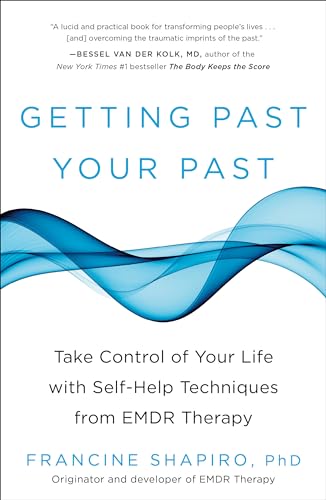
Getting Past Your Past: Take Control of Your Life with Self-Help Techniques from EMDR Therapy: Shapiro, Francine
Francine Shapiro, the developer ... psychotherapy, <strong>translates her groundbreaking method into practical suggestions for those who have been stuck in past events from which they have been unable
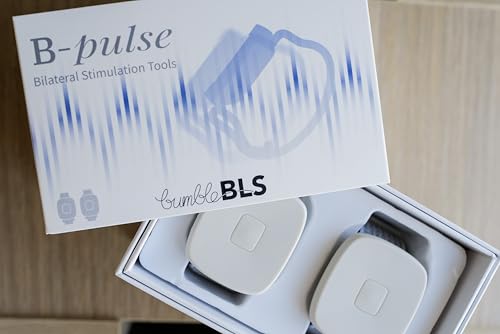
B-Pulse Bilateral Stimulation Tool, Dual Vibration Units with Adjustable Straps, EMDR Therapy Device for Children and Adults
BILATERAL STIMULATION: <strong>Includes two synchronized units (left and right) that produce alternating vibrations for bilateral stimulation in therapy</strong>. ADAPTABLE DESIGN: Includes adjustable
Health Disclaimer
This content is for informational purposes only and does not constitute medical advice. Always consult a qualified healthcare provider before starting, stopping, or changing any supplement or medication regimen.