

Post-Traumatic Stress Disorder
Also known as: PTSD, Post-traumatic stress disorder (PTSD)
Overview
Post-traumatic stress disorder (PTSD) is a mental health condition that can develop after exposure to actual or threatened death, serious injury, or sexual violence. The triggering event may be directly experienced, witnessed, learned about in relation to a close other, or encountered repeatedly in certain occupational settings. PTSD is characterized by clusters of symptoms that persist beyond the immediate aftermath of trauma, including intrusive memories or flashbacks, avoidance of reminders, negative changes in mood and thinking, and heightened arousal or reactivity. Symptoms can interfere with sleep, concentration, relationships, work, and overall quality of life.
PTSD is clinically significant because trauma exposure is common, while only a subset of people develop persistent post-traumatic symptoms. Risk appears to be shaped by a combination of factors, including trauma severity, repeated exposure, childhood adversity, limited social support, prior mental health conditions, and biological vulnerability. PTSD may occur in civilians, military veterans, first responders, survivors of abuse or assault, refugees, and people affected by accidents, disasters, or medical trauma. It can also co-occur with depression, anxiety, substance use disorders, chronic pain, and traumatic brain injury, which may complicate recognition and care.
From a public health perspective, PTSD is important not only because of its emotional and psychological effects, but also because it is associated with broader physical health burdens. Research suggests links between PTSD and dysregulation of stress-response systems, sleep disturbance, cardiovascular risk, immune and inflammatory changes, and increased healthcare utilization. PTSD may be acute or long-standing, and symptom expression varies widely across individuals and cultures. Some people mainly experience fear-based symptoms, while others present with guilt, shame, dissociation, irritability, or somatic complaints.
PTSD is now understood as a complex biopsychosocial condition rather than simply a reaction of weakness or poor coping. Contemporary frameworks emphasize the interaction of neurobiology, memory processing, meaning-making, social context, and resilience. Although many effective approaches exist, trauma-informed and individualized assessment remains central. Because symptoms can overlap with other psychiatric and medical conditions, formal evaluation by qualified healthcare professionals is generally important when PTSD is suspected.
Compare Treatment Options
Post-traumatic stress disorder (PTSD) is a trauma-related mental health condition that can develop after exposure to actual or threatened death, serious injury, sexual violence, or other overwhelming events. Symptoms often cluster into intrusive memories or nightmares, avoidance of reminders, negative changes in mood or beliefs, and persistent hyperarousal such as irritability, sleep disruption, or exaggerated startle. PTSD can look different across individuals: some people are most affected by flashbacks and fear, while others struggle more with emotional numbness, dissociation, shame, insomnia, or bodily tension. Treatment options vary because PTSD is not a single-pattern condition. Research-supported Western approaches often center on trauma-focused psychotherapy and, in some cases, medication for specific symptom clusters. Eastern and integrative approaches may emphasize regulation of the nervous system, sleep, breath, body awareness, and whole-person recovery. In practice, people often explore combinations of approaches depending on symptom severity, duration, daily functioning, preference for talk-based versus body-based care, urgency, and tolerance for intensive trauma processing. Gold Bamboo's related PTSD, EMDR, CBT, and psychosomatic therapy content all point to the same theme: matching the approach to the person's symptom pattern and readiness matters.
View treatment comparison (7 options)Medical Perspectives
Two Ways of Seeing Health

Western
scientific · clinical
Western medicine applies science, technology, and clinical experience to treat symptoms through testing, diagnosis, and targeted intervention.

Eastern
traditional · alternative
Eastern medicine focuses on treating the body naturally by applying traditional knowledge practiced for thousands of years, emphasizing balance and whole-person wellness.
Gold Bamboo presents both perspectives side-by-side so you can make informed decisions. We don't advocate for one over the other — your health choices are yours.
Western Medicine Perspective
Western / Conventional Medicine Perspective
In conventional medicine, PTSD is defined diagnostically in systems such as the DSM-5-TR and ICD-11, with emphasis on trauma exposure and specific symptom clusters. Western models describe PTSD as involving altered threat processing, persistent fear conditioning, impaired extinction learning, and trauma-related memory fragmentation or overconsolidation. Neurobiological research has identified changes in brain regions involved in fear, memory, and regulation—particularly the amygdala, hippocampus, and prefrontal cortex—as well as dysregulation of the hypothalamic-pituitary-adrenal (HPA) axis and autonomic nervous system. These findings do not act as standalone diagnostic tests, but they help explain why individuals with PTSD may remain physiologically and psychologically reactive long after danger has passed.
Assessment in conventional care typically involves clinical interview, validated screening or diagnostic tools, and evaluation for co-occurring conditions such as depression, panic symptoms, suicidality, substance use, sleep disorders, chronic pain, and dissociation. Research supports several trauma-focused psychotherapies as first-line approaches, including trauma-focused cognitive behavioral therapies, cognitive processing therapy, prolonged exposure, and eye movement desensitization and reprocessing (EMDR). These approaches are intended to help patients process traumatic memories, reduce avoidance, and modify entrenched beliefs related to safety, guilt, trust, or control. Studies indicate that these therapies can significantly reduce symptoms for many people, though response varies and some individuals discontinue treatment because it can be emotionally demanding.
Medication may also play a role in conventional management, particularly when symptoms are severe, persistent, or accompanied by comorbid depression or anxiety. Certain SSRIs and SNRIs have the strongest guideline-based support, although benefits are often moderate rather than dramatic. Other medicines may be considered in selected cases for specific symptoms such as nightmares, sleep disturbance, or hyperarousal, but the evidence base is mixed for many off-label uses. Western medicine increasingly emphasizes trauma-informed care, cultural sensitivity, measurement-based follow-up, and attention to functional recovery rather than symptom reduction alone. Importantly, not every trauma-related distress state is PTSD, and careful diagnosis matters because acute stress reactions, complex trauma presentations, grief, depression, and moral injury may require different clinical framing.
Eastern & Traditional Perspective
Eastern / Traditional Medicine Perspective
Traditional and integrative medical systems generally do not use the modern diagnostic label PTSD in its historical form, but they have long described conditions involving shock, fright, disturbed sleep, agitation, intrusive recollection, emotional withdrawal, and loss of vitality after overwhelming experience. In Traditional Chinese Medicine (TCM), trauma-related symptoms may be interpreted through patterns such as disturbance of the Shen (spirit/mind), constraint of Liver qi, deficiency of Heart blood or Heart yin, disharmony between the Heart and Kidney, or phlegm and heat disturbing the mind. Depending on the pattern, presentations may include palpitations, insomnia, startle response, vivid dreams, anxiety, dissociation-like symptoms, and somatic tension. Traditional therapies may include acupuncture, herbal formulas, breathing practices, and body-based regulation approaches aimed at restoring internal balance rather than targeting a single disease entity.
In Ayurveda, trauma-related states are often framed in terms of disturbed manas (mind), imbalance of the doshas—especially aggravated Vata, which is associated with fear, instability, hypervigilance, and sleep disruption—and depletion of resilience or ojas. Classical and contemporary Ayurvedic interpretation may connect trauma symptoms with nervous system dysregulation, digestive irregularity, fatigue, emotional volatility, and difficulty feeling grounded. Traditional approaches have included herbs, oil therapies, meditation, routine stabilization, and gentle somatic practices intended to support calm and integration. Naturopathic and integrative traditions likewise often emphasize sleep, autonomic regulation, social connection, nutrition, and mind-body therapies as part of a broader healing framework.
From an evidence standpoint, some complementary approaches used in PTSD—particularly acupuncture, mindfulness-based interventions, yoga, and certain somatic practices—have been studied with growing interest. Research suggests potential benefit for stress reduction, sleep, and symptom burden in some populations, but findings are heterogeneous and methodology varies. As a result, these modalities are often discussed as potentially supportive or adjunctive rather than clearly established standalone treatments for PTSD. In both Eastern and integrative settings, appropriate trauma-informed assessment remains important, especially because severe symptoms, suicidality, dissociation, and substance use may require coordinated care with licensed mental health and medical professionals.
Related Topics
Eye Movement Desensitization and Reprocessing
EMDR — treatment topic in the Gold Bamboo health ontology.
How They Relate
Post-traumatic stress disorder (PTSD) & EMDR (Eye Movement Desensitization and Reprocessing)
Post‑traumatic stress disorder (PTSD) is a mental health condition that can follow exposure to traumatic events such as assault, combat, accidents, disasters, or prolonged abuse. Core symptom clust...
Supplements & Products
Recommended Products

The Body Keeps the Score: Brain, Mind, and Body in the Healing of Trauma: van der Kolk M.D., Bessel
Bessel van der Kolk may focus on ... Children “The Body Keeps the Score <strong>eloquently articulates how overwhelming experiences affect the development of brain, mind, and body awareness</strong>,
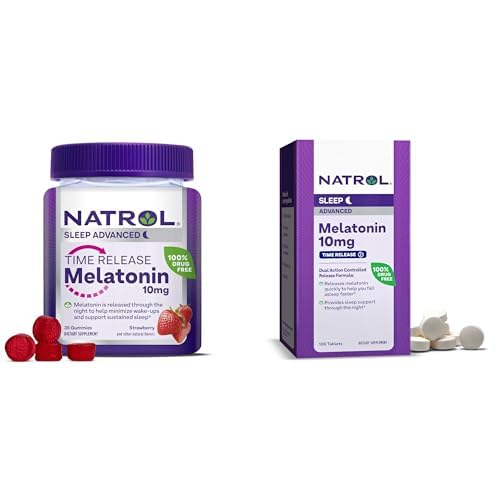
Natrol Melatonin 3 mg Time Release, Dietary Supplement to Minimize Wake Ups, Nighttime Sleep Aid, 100 Tablets, Up to a 100 Day Supply
Life Extension Melatonin 6 Hour Timed Release, 3 mg, Extended-Release Formula for Optimal Sleep Support, Healthy circadian Rhythms, Cellular Defense, Gluten-Free, Non-GMO, Vegetarian, 60 Tablets · Nat
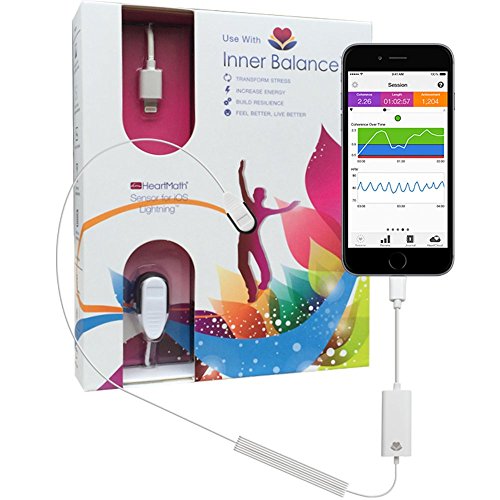
HeartMath Inner Balance Lightning
Research shows that when we are ... improved cognitive function. Inner Balance <strong>uses HeartMath's patented technology to monitor the subtle beat-to-beat changes in your heart rhythms</stron
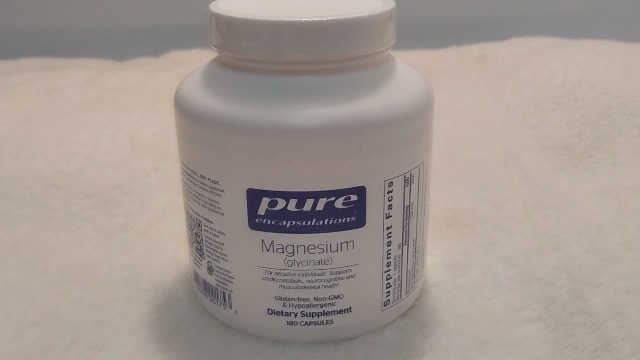
Pure Encapsulations Magnesium (Glycinate) - Supplement to Support Stress Relief, Sleep, Heart Health, Nerves, Muscles, and Metabolism* - with Magnesium Glycinate - 180 Capsules
... Naturebell Pure Magnesium Glycinate ... Non-GMO, Fiiler Free · THORNE - Magnesium Glycinate - <strong>Supports Restful Sleep, Muscle Relaxation, Heart Health & Metabolism</strong>* - Chelated
Integrative Therapeutics Lavela WS 1265 - Lavender Essential Oil Supplement for Sleep & Stress Support* - Dairy-Free - 60 Softgels (60 Servings)
Integrative Therapeutics Lavela WS 1265 - <strong>Lavender Essential Oil Supplement for Sleep & Stress Support</strong>* - Dairy-Free - 60 Softgels (60 Servings) English Lavender (Lavandula angust
Evidence & Sources
Supported by multiple clinical trials and systematic reviews
- American Psychiatric Association, DSM-5-TR
- World Health Organization, ICD-11
- U.S. Department of Veterans Affairs & Department of Defense Clinical Practice Guideline for PTSD
- National Institute for Health and Care Excellence (NICE) Guideline: Post-traumatic stress disorder
- National Center for PTSD, U.S. Department of Veterans Affairs
- National Institute of Mental Health (NIMH)
- Cochrane Database of Systematic Reviews
- JAMA Psychiatry
- The Lancet Psychiatry
- NCCIH (National Center for Complementary and Integrative Health)
This content is for informational purposes only and does not constitute medical advice. Always consult a qualified healthcare provider before starting, stopping, or changing any supplement or medication regimen.