

PCOS and Insulin Resistance
Polycystic ovary syndrome (PCOS) and insulin resistance (IR) are tightly linked metabolic–reproductive conditions that amplify one another. Most people with PCOS display some degree of whole‑body or tissue‑specific insulin resistance, even when lean. Compensatory hyperinsulinemia feeds forward on the ovary (stimulating theca cell androgen production and suppressing hepatic sex hormone–binding globulin), exacerbating hyperandrogenism, anovulation, and clinical features such as hirsutism and acne. In parallel, IR predisposes to impaired glucose tolerance, type 2 diabetes (T2D), gestational diabetes (GDM), nonalcoholic fatty liver disease (NAFLD), and elements of metabolic syndrome—all of which are overrepresented in PCOS. Shared drivers include genetic susceptibility, central adiposity/weight gain, sedentary behavior, poor sleep or obstructive sleep apnea, high‑glycemic diets and ultra‑processed foods, chronic stress, and endocrine‑disrupting chemical exposures. Ethnic background (e.g., South Asian) can increase metabolic risk at lower BMIs. Conversely, pregnancy and puberty are windows of heightened insulin resistance that can unmask PCOS phenotypes. Clinically, recognizing the bidirectional relationship changes care. Guidelines recommend glucose screening at PCOS diagnosis (preferably with a 75‑g oral glucose tolerance test) and periodically thereafter. Lifestyle interventions producing modest weight loss (5–10%) and improvements in cardiorespiratory fitness can restore ovulation, reduce androgens, and improve insulin sensitivity. Metformin is widely used to treat IR in PCOS, improving menstrual cyclicity and metabolic indices; GLP‑1 receptor agonists increasingly support weight loss and metabolic control and may aid reproductive outcomes, though they are off‑label for PCOS. Nutraceuticals such as myo‑/D‑chiro‑inositol have moderate evidence for ovulatory and metabolic benefits; thiazolidinediones are effective insulin sensitizers but limited by adverse effects (e
Updated August 10, 2026This content is for informational purposes only and does not constitute medical advice. Always consult a qualified healthcare provider before starting, stopping, or changing any supplement or medication regimen.
Shared Risk Factors
Genetic susceptibility
Moderate EvidenceShared polygenic architecture (e.g., variants near DENND1A and metabolic loci) increases risk for both hyperandrogenism and impaired insulin signaling.
Central adiposity/weight gain
Strong EvidenceVisceral fat drives lipotoxicity, inflammatory signaling, and worsens insulin sensitivity.
Sedentary lifestyle/low fitness
Strong EvidenceReduced skeletal muscle glucose uptake and mitochondrial capacity increase insulin resistance.
High glycemic load/ultra‑processed diet
Moderate EvidenceRapid glucose excursions and ectopic fat deposition impair insulin action.
Sleep disturbance/obstructive sleep apnea
Moderate EvidenceIntermittent hypoxia and circadian disruption impair insulin signaling and increase sympathetic tone.
Chronic psychosocial stress
Emerging ResearchHPA axis activation and cortisol dynamics worsen glucose homeostasis.
Endocrine‑disrupting chemicals (e.g., BPA)
Emerging ResearchObservational links to higher androgens and impaired insulin signaling; causality not fully established.
Ethnic susceptibility (e.g., South Asian)
Moderate EvidenceHigher insulin resistance and metabolic risk at lower BMI thresholds.
Peripubertal and prenatal programming
Emerging ResearchPuberty and in‑utero exposures (androgens, maternal hyperglycemia) influence future insulin sensitivity and ovarian function.
Comorbidity Data
Prevalence
Insulin resistance is present in ~50–80% of individuals with PCOS (even 20–25% of lean PCOS). Women with PCOS have ~2–4× higher risk of impaired glucose tolerance/T2D and higher prevalence of metabolic syndrome, NAFLD, and GDM compared with BMI‑matched controls.
Mechanistic Link
Hyperinsulinemia augments ovarian theca‑cell androgen synthesis (via insulin/IGF‑1 receptor crosstalk), suppresses hepatic SHBG (raising free androgens), and may amplify LH pulse frequency. Adipose inflammation, lipotoxicity, and altered adipokines further impair insulin signaling; androgens may worsen visceral fat deposition, creating a vicious cycle.
Clinical Implications
Screen all with PCOS for dysglycemia at diagnosis (prefer 75‑g OGTT) and every 1–3 years; address weight, diet, and activity early; consider metformin for metabolic indications and cycle regulation; evaluate comorbidities (BP, lipids, NAFLD, OSA). In pregnancy planning, mitigate GDM risk and optimize weight/glycemia; consider stopping weight‑loss agents (e.g., GLP‑1 RAs) well before conception.
Sources (5)
- Teede HJ et al. International evidence‑based guideline for PCOS (2018, 2023 update).
- Dunaif A. Insulin resistance in PCOS. Endocr Rev.
- ADA Standards of Care in Diabetes 2024.
- ACOG Practice Bulletin: PCOS (No. 194).
- Vassilatou E. NAFLD and PCOS review.
Overlapping Treatments
Lifestyle: calorie deficit with Mediterranean/low‑glycemic emphasis
Strong Evidence5–10% weight loss can restore ovulation, reduce androgens, improve fertility and quality of life.
Improves insulin sensitivity, fasting/postprandial glucose, and reduces hepatic fat.
Personalize to preference and culture; monitor for disordered eating.
Structured exercise (≥150–300 min/week aerobic + 2–3 days resistance)
Strong EvidenceImproves ovulatory function and androgen profile independent of weight loss.
Enhances glucose disposal and insulin sensitivity in muscle and liver.
Progress gradually; resistance training is key for sustained insulin sensitivity.
Sleep optimization and OSA treatment
Moderate EvidenceMay improve metabolic severity and daytime function.
CPAP and sleep regularity improve insulin sensitivity and glycemic control.
Screen for OSA if snoring/daytime sleepiness or resistant metabolic disease.
Metformin
Strong EvidenceImproves menstrual cyclicity, ovulation (especially with clomiphene/letrozole), and metabolic profile; may reduce GDM risk.
Reduces hepatic gluconeogenesis, improves insulin sensitivity, and lowers A1C in dysglycemia.
GI side effects; use renal dosing; not a weight‑loss drug; counsel on B12 monitoring.
GLP‑1 receptor agonists (e.g., liraglutide, semaglutide)
Moderate EvidencePromote weight loss and may improve menstrual function and hyperandrogenism in obesity‑related PCOS (off‑label).
Robust weight loss and glycemic benefits; reduce insulin resistance and cardiometabolic risk.
Off‑label for PCOS; avoid in pregnancy; GI effects; consider gallbladder/pancreatitis risks.
Inositols (myo‑/D‑chiro, often 40:1)
Moderate EvidenceImprove ovulation, menstrual regularity, and reduce androgens in many studies.
Act as insulin second messengers, improving insulin sensitivity and glucose handling.
Product quality varies; optimal dose/formulation still under study.
Thiazolidinediones (e.g., pioglitazone)
Moderate EvidenceImprove ovulation and androgens via insulin sensitization.
Increase peripheral insulin sensitivity and lower A1C in insulin‑resistant states.
Weight gain, edema, fracture risk; avoid in pregnancy and heart failure.
Berberine (herbal alkaloid)
Emerging ResearchSmall RCTs suggest improvements in lipids, androgens, and ovulation vs. metformin in some cohorts.
Improves glycemia and insulin sensitivity in T2D/IR populations.
Drug interactions (CYPs, P‑gp); GI upset; quality variability; avoid in pregnancy.
Acupuncture (including electroacupuncture)
Emerging ResearchMay improve ovulation and androgen levels in some trials.
Signals of improved insulin sensitivity have been reported.
Heterogeneous protocols; benefits modest; choose qualified practitioner.
Medical Perspectives
Two Ways of Seeing Health

Western
scientific · clinical
Western medicine applies science, technology, and clinical experience to treat symptoms through testing, diagnosis, and targeted intervention.
Surgeons · Pharmaceuticals · Clinical trials · Diagnostics 
Eastern
traditional · alternative
Eastern medicine focuses on treating the body naturally by applying traditional knowledge practiced for thousands of years, emphasizing balance and whole-person wellness.
Acupuncture · Herbal medicine · Yoga · Meditation
Gold Bamboo presents both perspectives side-by-side so you can make informed decisions. We don't advocate for one over the other — your health choices are yours.
Two Ways of Seeing Health
Western
scientific · clinical
Western medicine applies science, technology, and clinical experience to treat symptoms through testing, diagnosis, and targeted intervention.
Eastern
traditional · alternative
Eastern medicine focuses on treating the body naturally by applying traditional knowledge practiced for thousands of years, emphasizing balance and whole-person wellness.
Gold Bamboo presents both perspectives side-by-side so you can make informed decisions. We don't advocate for one over the other — your health choices are yours.
Western Perspective
Western medicine recognizes insulin resistance as a central pathophysiologic driver of the metabolic and reproductive manifestations of PCOS. Hyperinsulinemia worsens ovarian androgen excess and anovulation, while PCOS increases lifetime risk of dysglycemia, GDM, NAFLD, and cardiovascular risk factors. Management targets both reproductive symptoms and underlying insulin resistance.
Key Insights
- IR is present in a majority of PCOS across BMI categories.
- Hyperinsulinemia directly augments ovarian androgen production and lowers SHBG, increasing free androgens.
- Women with PCOS warrant periodic glucose screening (OGTT preferred).
- Lifestyle modification and insulin sensitizers (metformin; GLP‑1 RAs for obesity) are foundational.
- Comorbidity screening (BP, lipids, NAFLD, OSA, depression) is essential.
Treatments
- Lifestyle therapy: nutrition, exercise, weight management, sleep and stress care
- Metformin for metabolic indications and cycle regulation
- GLP‑1 receptor agonists for obesity with metabolic complications (off‑label in PCOS)
- Inositol supplements as adjuncts
- Ovulation induction (letrozole first‑line) alongside metabolic optimization
- Management of cardiovascular risk factors and NAFLD
Deep Dive
From a Western biomedical view, PCOS and insulin resistance are interlocked through endocrine and metabolic feedback loops. Insulin resistance i... From a Western biomedical view, PCOS and insulin resistance are interlocked through endocrine and metabolic feedback loops. Insulin resistance in muscle and liver drives compensatory hyperinsulinemia, which acts directly on ovarian theca cells (and via IGF‑1 receptor cross‑talk) to upregulate androgen synthesis. In the liver, insulin suppresses SHBG, raising free testosterone and amplifying clinical hyperandrogenism. Androgens in turn favor visceral adiposity and worsen insulin sensitivity, establishing a self‑reinforcing cycle. Epidemiologically, insulin resistance spans 50–80% of PCOS, including lean phenotypes, and confers elevated risks of impaired glucose tolerance, type 2 diabetes, gestational diabetes, NAFLD, obstructive sleep apnea, and cardiometabolic abnormalities. Guidelines recommend screening for dysglycemia at PCOS diagnosis—preferably using a 75‑g oral glucose tolerance test—and every 1–3 years thereafter, alongside lipid, blood pressure, and liver fat assessment. Management addresses both symptom control and root metabolic dysfunction: structured lifestyle intervention (nutrition quality, calorie deficit when indicated, aerobic and resistance training, sleep optimization) yields meaningful improvements in ovulation and insulin sensitivity with as little as 5–10% weight loss. Pharmacotherapies include metformin for metabolic indications and cycle regulation; GLP‑1 receptor agonists for individuals with obesity and metabolic complications (off‑label in PCOS) can achieve substantial weight loss and may restore menses. Inositol supplements offer a low‑risk adjunct with moderate evidence; thiazolidinediones remain effective but second‑line due to adverse effects. Preconception planning is crucial to mitigate GDM risk, and agents used for weight loss (e.g., GLP‑1 RAs) should be discontinued well before attempted conception.
Sources
- Teede HJ et al. International PCOS Guideline (2018; 2023 update).
- Endocrine Society Clinical Practice Guideline (Legro RS et al., 2013).
- ADA Standards of Care 2024.
- Dunaif A. Endocr Rev on IR in PCOS.
- Cochrane and meta‑analyses on metformin, letrozole, lifestyle in PCOS.
Eastern Perspective
Traditional East‑Asian medicine and Ayurveda conceptualize PCOS and insulin resistance as disturbances of internal balance—often framed as phlegm‑damp accumulation, liver qi stagnation, and kidney deficiency (TCM), or Kapha imbalance and agni (digestive fire) impairment (Ayurveda). Approaches aim to resolve damp/phlegm, move qi, tonify kidney/liver systems, and enhance metabolic fire through herbs, acupuncture, diet, and mind–body practice.
Key Insights
- Pattern differentiation (e.g., phlegm‑damp with blood stasis) guides individualized herbal formulas and acupuncture protocols.
- Acupuncture may modulate autonomic tone and insulin signaling; small RCTs show modest metabolic and ovulatory benefits.
- Herbal agents with insulin‑sensitizing properties (e.g., berberine‑containing Coptis, bitter melon) are used traditionally for ‘sugar stagnation.’
- Yoga and pranayama improve insulin sensitivity, stress physiology, and menstrual regularity in small trials.
Treatments
- Acupuncture/electroacupuncture at points such as CV3/4, SP6, ST36, PC6, EX‑CA1 (Zigong) with course‑based treatments
- Herbal prescriptions tailored to pattern (e.g., modifications of Cang Fu Dao Tan Tang for phlegm‑damp; Gui Zhi Fu Ling Wan for stasis; Liu Wei Di Huang Wan for deficiency) with modern adjuncts like berberine
- Ayurvedic Kapha‑pacifying diet, Trikatu, Gymnema, Shatavari as individualized therapies
- Yoga‑based lifestyle: asana, pranayama, mindfulness to reduce stress and improve metabolic flexibility
Deep Dive
Eastern traditions frame PCOS and insulin resistance as manifestations of internal stagnation and deficiency. In TCM, phlegm‑damp accumulation a... Eastern traditions frame PCOS and insulin resistance as manifestations of internal stagnation and deficiency. In TCM, phlegm‑damp accumulation and liver qi stagnation obstruct the Chong–Ren channels, while kidney deficiency underlies reproductive dysregulation. These concepts map functionally onto central adiposity, low‑grade inflammation, and neuroendocrine imbalance. Treatment aims to transform damp/phlegm, move qi, and tonify kidney/liver systems through individualized herbal prescriptions and acupuncture. Acupuncture protocols (often including SP6, ST36, CV3/4, PC6, and Zigong, with electroacupuncture) have shown modest improvements in insulin sensitivity and ovulatory function in small trials, possibly via autonomic modulation and myokine/endothelial effects. Herbal strategies may include berberine‑containing Coptis for ‘sugar stagnation,’ combinations to resolve phlegm and stasis, and formulas to support deficiency patterns; Ayurveda emphasizes Kapha‑pacifying diet, digestive fire (agni) restoration, and herbs like Gymnema and Shatavari. Mind–body practices (yoga, pranayama, meditation) can reduce stress reactivity and improve insulin action, with early RCTs suggesting benefits in adolescents and adults with PCOS. Evidence quality varies: while traditional frameworks provide a holistic lens and individualized care, high‑quality randomized trials remain limited and heterogeneous. As integrative care, these modalities are best layered atop guideline‑directed lifestyle and metabolic therapy, with careful attention to herb–drug interactions, quality control, and pregnancy planning.
Sources
- Cochrane/ systematic reviews on acupuncture for PCOS (mixed/low‑certainty).
- Zhang R et al. Meta‑analysis: acupuncture and insulin resistance in PCOS.
- Wei W et al. Berberine vs metformin in PCOS (small RCTs).
- Nidhi R et al. Yoga in adolescent PCOS RCT.
- Narrative reviews on TCM pattern approaches to PCOS.
Evidence Ratings
Most individuals with PCOS exhibit insulin resistance, including a substantial proportion of lean PCOS.
Dunaif A. Endocrine Reviews; Teede HJ et al. PCOS Guideline 2018/2023.
Hyperinsulinemia increases ovarian androgen production and lowers SHBG, worsening PCOS features.
Endocrine Society Guideline; Dunaif A. Mechanistic reviews.
Women with PCOS have a 2–4× higher risk of impaired glucose tolerance and type 2 diabetes.
ADA Standards of Care 2024; PCOS Guideline 2018/2023.
Lifestyle interventions achieving 5–10% weight loss improve ovulation and insulin sensitivity in PCOS.
PCOS Guideline 2018/2023; Cochrane lifestyle reviews.
Metformin improves menstrual cyclicity and metabolic parameters in PCOS.
Endocrine Society Guideline; Cochrane reviews on metformin in PCOS.
GLP‑1 receptor agonists promote weight loss and metabolic improvements and may aid menstrual function in obese PCOS (off‑label).
Systematic reviews/meta‑analyses of GLP‑1 RAs in PCOS (2021–2023).
Myo‑/D‑chiro‑inositol improves ovulation and insulin sensitivity in PCOS.
Meta‑analyses of inositol in PCOS (2017–2021).
Thiazolidinediones improve ovulation and insulin sensitivity in PCOS but carry adverse‑effect risks.
Meta‑analyses and RCTs on pioglitazone in PCOS.
Acupuncture can modestly improve insulin sensitivity and ovulatory function in PCOS.
Systematic reviews with low‑certainty evidence; small RCTs.
Berberine improves metabolic and some reproductive parameters in PCOS and T2D.
Small RCTs and meta‑analyses; quality concerns remain.
Sources
- Teede HJ, Misso ML, Costello MF, et al. International evidence‑based guideline for the assessment and management of polycystic ovary syndrome (2018; 2023 update). Monash University.
- Legro RS, Arslanian SA, Ehrmann DA, et al. Diagnosis and Treatment of Polycystic Ovary Syndrome: An Endocrine Society Clinical Practice Guideline. J Clin Endocrinol Metab. 2013.
- American Diabetes Association. Standards of Medical Care in Diabetes—2024.
- Dunaif A. Insulin Resistance in Women with PCOS: Pathophysiology and Implications for Treatment. Endocr Rev.
- Vassilatou E. Nonalcoholic fatty liver disease and polycystic ovary syndrome. World J Gastroenterol.
- Zhang J, et al. Efficacy of GLP‑1 receptor agonists in PCOS: systematic review and meta‑analysis. Obes Rev (2021–2023).
- Unfer V, Facchinetti F, et al. Myo‑inositol effects in PCOS: meta‑analyses (2017–2021).
- Toulis KA, et al. Thiazolidinediones in PCOS: systematic review and meta‑analysis.
- Wei W, et al. Berberine versus metformin in PCOS: randomized studies. Fertil Steril; Reprod Biol Endocrinol.
- Cochrane Review: Acupuncture for ovulation induction or PCOS (latest update).
- Zhang R, et al. Acupuncture improves insulin resistance in PCOS: meta‑analysis. Evid Based Complement Alternat Med.
- Nidhi R, et al. Effect of yoga on young women with PCOS: RCT. Int J Gynaecol Obstet.
Related Topics
Recommended Products

The PCOS Plan: Prevent and Reverse Polycystic Ovary Syndrome through Diet and Fasting: Brito Pateguana ND, Nadia, Fung, Dr. Jason
Nadia Brito Pateguana is <strong>a naturopathic doctor with a focus on helping people with metabolic syndrome, including women with polycystic ovary syndrome (PCOS), overcome infertility through dieta
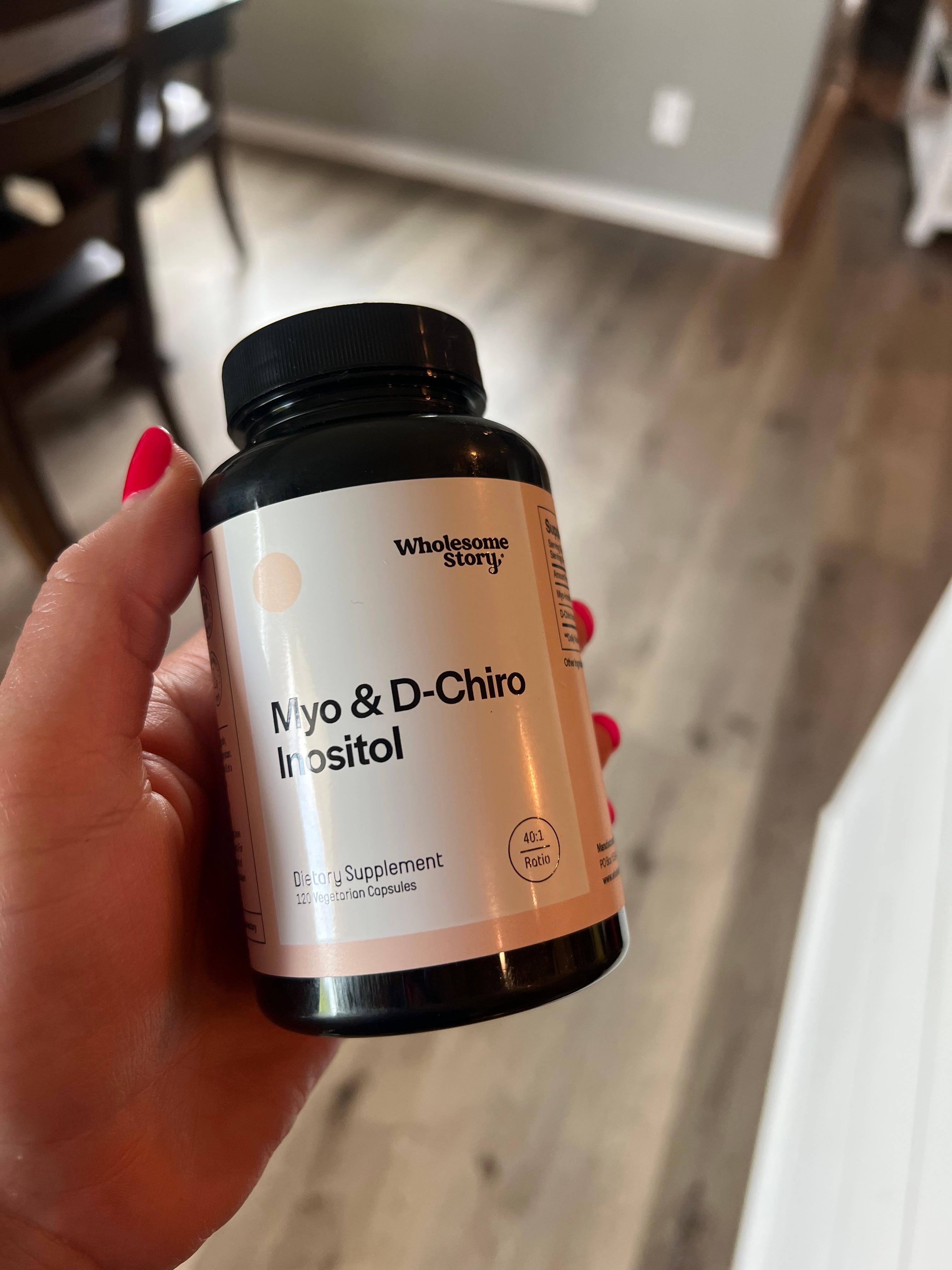
Wholesome Story Myo-Inositol & D-Chiro Inositol Supplement for Women | Fertility Supplements for Hormonal Balance & Ovarian Health Support | Myoinositol | Ideal 40:1 Ratio | 30 Servings
Our Myo & D-Chiro products contain a 40:1 ratio of Myo- to D-Chiro Inositol, shown to be <strong>the most beneficial ratio for women of reproductive age</strong>.* Myo-Inositol provides many of th
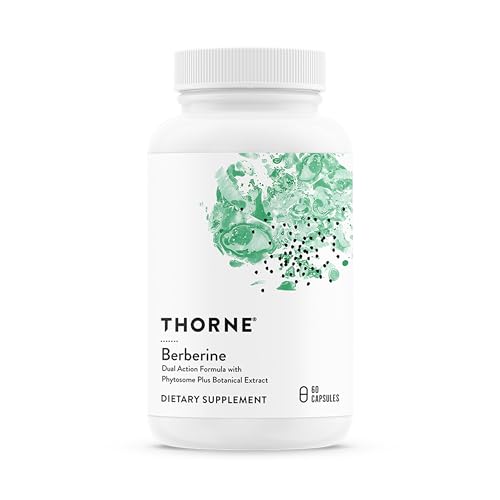
THORNE - Berberine - Dual Action Formula with Phytosome Plus Botanical Extract - Support Heart Health, Immune System, Healthy GI & Cholesterol* - Gluten-Free - 30 Servings
Buy THORNE - Berberine - Dual Action Formula with Phytosome Plus Botanical Extract - Support Heart Health, Immune System, Healthy GI & Cholesterol* - Gluten-Free - 30 Servings on Amazon.com ✓ FREE
Health Disclaimer
This content is for informational purposes only and does not constitute medical advice. Always consult a qualified healthcare provider before starting, stopping, or changing any supplement or medication regimen.