

Insulin Resistance
Insulin Resistance: An Overview
Insulin resistance is a metabolic condition in which the body's cells respond less effectively to insulin, the hormone that helps move glucose from the bloodstream into tissues for energy storage and use. When this happens, the pancreas often compensates by producing more insulin, leading to hyperinsulinemia for years before blood glucose rises enough to meet criteria for prediabetes or type 2 diabetes. Insulin resistance is therefore not a single disease but a core metabolic dysfunction linked to a broad spectrum of health concerns.
It is highly relevant in modern medicine because it commonly appears alongside overweight and obesity, central adiposity, sedentary lifestyle, sleep disruption, polycystic ovary syndrome (PCOS), metabolic syndrome, fatty liver disease, and cardiovascular risk factors such as elevated triglycerides and low HDL cholesterol. Research also associates insulin resistance with chronic low-grade inflammation, endothelial dysfunction, and altered lipid metabolism. In many individuals it develops gradually and may remain clinically silent until routine laboratory testing or downstream conditions reveal it.
From a public health perspective, insulin resistance has major significance because it sits upstream of several common chronic diseases. Studies indicate it is a central driver in the progression toward prediabetes, type 2 diabetes, nonalcoholic fatty liver disease, and atherosclerotic cardiovascular disease, while also contributing to reproductive and hormonal disturbances in some populations. Not every person with insulin resistance progresses to diabetes, and insulin sensitivity exists on a spectrum influenced by genetics, body composition, physical activity, sleep, stress biology, diet pattern, and certain medications.
Clinically, insulin resistance is usually understood through a combination of fasting glucose, hemoglobin A1c, fasting insulin, triglyceride/HDL patterns, liver markers, waist circumference, blood pressure, and sometimes oral glucose tolerance testing rather than a single universally used test. Because it can exist for years before overt disease appears, many clinicians view it as an opportunity for early risk identification. At the same time, interpretation varies, and experts continue to debate the best biomarkers and thresholds for routine use.
Medical Perspectives
Two Ways of Seeing Health

Western
scientific · clinical
Western medicine applies science, technology, and clinical experience to treat symptoms through testing, diagnosis, and targeted intervention.

Eastern
traditional · alternative
Eastern medicine focuses on treating the body naturally by applying traditional knowledge practiced for thousands of years, emphasizing balance and whole-person wellness.
Gold Bamboo presents both perspectives side-by-side so you can make informed decisions. We don't advocate for one over the other — your health choices are yours.
Western Medicine Perspective
Western / Conventional Medicine Perspective
In conventional medicine, insulin resistance is understood as a disorder of impaired insulin signaling in tissues such as skeletal muscle, liver, and adipose tissue. In muscle, glucose uptake becomes less efficient; in the liver, insulin is less able to suppress glucose production; and in adipose tissue, abnormal fat handling can increase circulating free fatty acids and inflammatory signaling. Mechanistically, research points to a complex interaction among visceral fat accumulation, mitochondrial stress, inflammatory mediators, ectopic fat deposition, genetics, hormonal influences, and disrupted circadian or sleep patterns.
Modern clinical care typically frames insulin resistance as part of a broader metabolic risk profile rather than as an isolated diagnosis. It is commonly evaluated in the setting of prediabetes, type 2 diabetes risk, metabolic syndrome, PCOS, dyslipidemia, hypertension, and fatty liver disease. Conventional management often focuses on addressing the associated risk factors and measurable outcomes such as glycemic trends, body composition, lipid levels, blood pressure, and liver health. Research supports the role of lifestyle change in improving insulin sensitivity, while pharmacologic approaches may be considered in selected contexts such as diabetes prevention, PCOS, or established metabolic disease.
Conventional medicine also emphasizes that insulin resistance is heterogeneous. Some individuals with higher body weight remain relatively insulin sensitive, while others with lower body weight may still develop significant insulin resistance, especially in the presence of genetic susceptibility, visceral adiposity, or conditions such as sleep apnea and PCOS. As a result, current practice increasingly recognizes the need for individualized assessment and ongoing monitoring by qualified healthcare professionals rather than relying on appearance or body size alone.
Eastern & Traditional Perspective
Eastern / Traditional Medicine Perspective
Traditional medical systems generally do not use the modern biochemical term insulin resistance, but many describe patterns that overlap with its symptom clusters and long-term consequences. In Traditional Chinese Medicine (TCM), presentations resembling insulin resistance may be interpreted through patterns involving Spleen qi deficiency, dampness, phlegm accumulation, heat, or stagnation, particularly when fatigue, weight gain, digestive sluggishness, excessive thirst, or metabolic imbalance are present. Classical frameworks often view these conditions as reflecting impaired transformation and transport of fluids and nutrients, with chronic imbalance gradually generating phlegm-dampness and heat.
In Ayurveda, comparable patterns are often discussed in relation to Madhumeha/Prameha, impaired agni (metabolic fire), ama accumulation, and kapha predominance, especially when there is heaviness, lethargy, excess tissue accumulation, or disturbed glucose metabolism. Ayurveda tends to frame the issue systemically, linking digestion, tissue nourishment, lifestyle rhythm, sleep, and mental state. Naturopathic and functional traditions similarly emphasize whole-system contributors such as diet pattern, physical inactivity, stress load, circadian disruption, digestive health, and inflammatory burden.
Traditional systems typically approach metabolic dysfunction through pattern differentiation and constitutional context, rather than laboratory thresholds alone. Practices may include dietary regulation, movement disciplines, sleep support, mind-body techniques, and traditional herbs that have been historically used for blood sugar balance or metabolic vitality. While some individual herbs and practices are being studied in modern research, the evidence base for whole traditional frameworks remains variable, and quality, standardization, and safety considerations are important. For that reason, any integration of traditional approaches is generally best discussed with appropriately trained practitioners and a licensed healthcare professional, particularly when glucose disorders or prescription medications are involved.
Related Topics
Polycystic Ovary Syndrome
PCOS — condition topic in the Gold Bamboo health ontology.
How They Relate
PCOS & Insulin Resistance
Polycystic ovary syndrome (PCOS) and insulin resistance (IR) are tightly linked metabolic–reproductive conditions that amplify one another. Most people with PCOS display some degree of whole‑body o...
Supplements & Products
Recommended Products

Why We Get Sick: The Hidden Epidemic at the Root of Most Chronic Disease - and How to Fight It (Audible Audio Edition): Benjamin Bikman PhD, George Newbern, Blackstone Publishing
In Why We Get Sick, internationally renowned scientist and pathophysiology Professor Benjamin Bikman <strong>explores why insulin resistance has become so prevalent and why it matters</strong>. Unless

THORNE - Berberine - Dual Action Formula with Phytosome Plus Botanical Extract - Support Heart Health, Immune System, Healthy GI & Cholesterol* - Gluten-Free - 30 Servings
Buy THORNE - Berberine - Dual Action Formula with Phytosome Plus Botanical Extract - Support Heart Health, Immune System, Healthy GI & Cholesterol* - Gluten-Free - 30 Servings on Amazon.com ✓ FREE
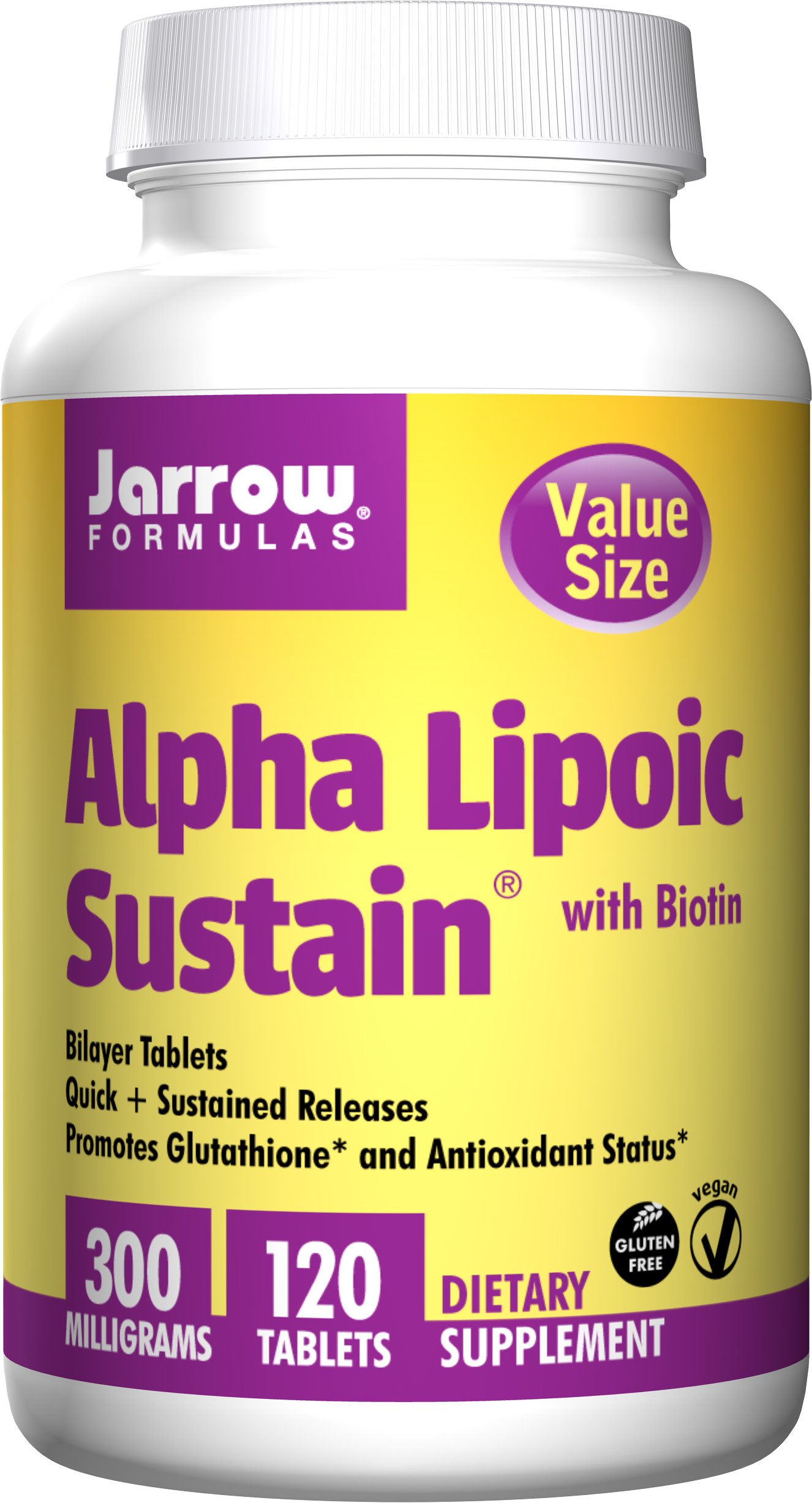
Jarrow Formulas® Alpha Lipoic Sustain with Biotin, 300 mg Alpha Lipoic Acid, Universal Antioxidant, Dietary Supplement, 60 Vegan Tablets, Up to a 60 Day Supply
Dietary Supplement: One 60 count bottle of Jarrow Formulas Alpha Lipoic Sustain with Biotin, Alpha Lipoic Acid 300 mg, Universal Antioxidant, Dietary Supplement for up to a 60-day supply
Evidence & Sources
Supported by multiple clinical trials and systematic reviews
- American Diabetes Association
- National Institute of Diabetes and Digestive and Kidney Diseases (NIDDK)
- National Institute of Diabetes and Digestive and Kidney Diseases, National Institutes of Health
- Nature Reviews Endocrinology
- Diabetes Care
- The Lancet Diabetes & Endocrinology
- Endocrine Reviews
- World Health Organization
- National Center for Complementary and Integrative Health (NCCIH)
This content is for informational purposes only and does not constitute medical advice. Always consult a qualified healthcare provider before starting, stopping, or changing any supplement or medication regimen.