

Polycystic Ovary Syndrome
Also known as: PCOS
Overview
Polycystic ovary syndrome (PCOS) is a common endocrine and metabolic condition that affects people of reproductive age. It is generally characterized by a combination of irregular or absent ovulation, higher-than-typical androgen activity (which may contribute to acne, excess facial or body hair, or scalp hair thinning), and polycystic ovarian morphology on ultrasound in some individuals. Not everyone with PCOS has ovarian cysts, and the name can be misleading; the condition is now understood as a broader disorder involving hormone signaling, metabolism, and reproductive function.
PCOS is clinically significant because it can affect menstrual cycles, fertility, insulin regulation, weight patterns, skin health, and long-term cardiometabolic risk. Research suggests that insulin resistance is common in PCOS, even in some people with lower body weight, and may interact with androgen excess to worsen symptoms. Studies also indicate increased rates of prediabetes, type 2 diabetes, dyslipidemia, sleep apnea, and mood concerns such as anxiety and depression. Because symptoms vary widely, PCOS is often described as a heterogeneous syndrome rather than a single uniform disease.
Diagnosis is typically based on established criteria such as the Rotterdam criteria, which consider ovulatory dysfunction, hyperandrogenism, and ovarian appearance after excluding other possible causes. PCOS often emerges in adolescence or early adulthood, but diagnosis can be delayed because symptoms may overlap with normal pubertal changes or other endocrine conditions. In addition, not all individuals present with the same symptom pattern, and some seek evaluation primarily for irregular periods, while others present because of fertility concerns, skin changes, or metabolic abnormalities.
From a public health perspective, PCOS is one of the most common hormone-related conditions in reproductive-age women, with prevalence estimates varying depending on the diagnostic criteria used. Current understanding emphasizes that PCOS is not only a reproductive disorder but also a lifelong metabolic and inflammatory condition in many cases. Conventional care often focuses on symptom patterns and risk reduction, while traditional systems may frame the condition in terms of systemic imbalance, menstrual regulation, digestion, stress, and constitutional factors. In all frameworks, individualized assessment remains important, and healthcare professionals commonly evaluate for related issues such as glucose intolerance, thyroid disorders, elevated prolactin, and nonclassic congenital adrenal hyperplasia.
Compare Treatment Options
Polycystic ovary syndrome (PCOS) is a common endocrine-metabolic condition that can affect ovulation, hormone balance, skin, body weight, insulin sensitivity, and fertility. Although the name highlights "polycystic ovaries," the condition is not defined only by ovarian cysts. In clinical practice, PCOS is usually understood through a pattern that may include irregular or absent menstrual cycles, signs of higher androgen activity such as acne or excess hair growth, and metabolic features such as insulin resistance or elevated cardiometabolic risk. This overlap with broader metabolic health is one reason PCOS is often discussed alongside topics like ovarian function and metabolic syndrome. Treatment options vary because PCOS does not look the same in every person. Some people are mainly concerned with cycle irregularity, others with acne or hair growth, others with weight and insulin issues, and others with trying to conceive. Western approaches often focus on ovulation regulation, insulin sensitization, or symptom-targeted hormonal treatment, while Eastern approaches such as acupuncture and traditional herbal medicine are often used to address cycle regularity, stress, and whole-body pattern imbalances. Research suggests that the best-fit approach often depends on symptom burden, reproductive goals, tolerance for medication risk, and how quickly someone hopes to see change.
View treatment comparison (7 options)Medical Perspectives
Two Ways of Seeing Health

Western
scientific · clinical
Western medicine applies science, technology, and clinical experience to treat symptoms through testing, diagnosis, and targeted intervention.

Eastern
traditional · alternative
Eastern medicine focuses on treating the body naturally by applying traditional knowledge practiced for thousands of years, emphasizing balance and whole-person wellness.
Gold Bamboo presents both perspectives side-by-side so you can make informed decisions. We don't advocate for one over the other — your health choices are yours.
Western Medicine Perspective
Western / Conventional Medicine Perspective
In conventional medicine, PCOS is understood as a multifactorial endocrine-metabolic syndrome involving interactions among genetics, insulin signaling, ovarian function, adrenal activity, and neuroendocrine regulation. Research supports a central role for insulin resistance and compensatory hyperinsulinemia in many cases, which may stimulate ovarian androgen production and reduce sex hormone-binding globulin, thereby increasing biologically active androgens. This helps explain why menstrual irregularity, ovulatory dysfunction, acne, hirsutism, and metabolic disturbances often cluster together. Low-grade inflammation, altered follicle development, and family history are also recognized contributors.
Evaluation in conventional care typically includes a clinical history, physical examination, and selected laboratory testing to assess androgen excess, menstrual pattern, and metabolic health while ruling out other conditions that can resemble PCOS. Depending on the presentation, clinicians may assess testosterone levels, prolactin, thyroid function, glucose metabolism, and lipid status, with pelvic ultrasound used in some cases. Management is generally framed around the person’s primary concerns—such as menstrual irregularity, fertility, metabolic risk, or dermatologic symptoms—rather than a one-size-fits-all model. Lifestyle-related interventions, cycle regulation strategies, ovulation-focused fertility care, and approaches to insulin sensitivity are all commonly discussed in the literature.
Conventional medicine also places increasing emphasis on long-term monitoring because PCOS may be associated with elevated risk for endometrial hyperplasia from prolonged anovulation, as well as cardiometabolic complications over time. Mental health screening is also relevant, as studies indicate higher rates of depression, anxiety, body image distress, and reduced quality of life in affected individuals. Overall, the western framework views PCOS as a chronic but manageable condition that benefits from coordinated care across gynecology, endocrinology, primary care, dermatology, nutrition, and behavioral health when needed.
Eastern & Traditional Perspective
Eastern / Traditional Medicine Perspective
In Traditional Chinese Medicine (TCM), PCOS is not typically classified as a single disease entity but is interpreted through patterns such as phlegm-damp accumulation, qi stagnation, blood stasis, kidney deficiency, or spleen dysfunction, depending on the symptom picture. Menstrual irregularity may be viewed as a disruption in the flow of qi and blood through the Chong and Ren meridians, while weight gain, fatigue, and metabolic sluggishness may be associated with dampness or impaired transformation and transportation. From this perspective, treatment theory traditionally focuses on restoring cyclical balance, supporting digestion and energy regulation, and addressing pattern-specific signs rather than treating “PCOS” as one uniform diagnosis.
In Ayurveda, presentations resembling PCOS are often discussed in terms of imbalance involving kapha, vata, and disturbances in artava dhatu (reproductive tissue) and metabolic fire (agni). Irregular menstruation, cystic tendencies, weight changes, and insulin-related patterns may be interpreted through concepts such as stagnation, impaired metabolism, or channel obstruction. Traditional Ayurvedic frameworks tend to emphasize constitution, digestion, stress, sleep, and menstrual rhythm as interconnected aspects of reproductive health.
In naturopathic and integrative medicine, PCOS is often approached as a systems-based condition involving metabolism, inflammation, stress physiology, circadian patterns, digestive health, and hormone regulation. Common themes include individualized nutrition support, movement, sleep restoration, stress reduction, and the selective use of botanicals or supplements that have been studied for insulin sensitivity, ovulatory function, or androgen-related symptoms. However, evidence quality varies considerably across therapies. Some complementary approaches—such as acupuncture, mind-body practices, and certain nutritional supplements—have shown promising but mixed results in research, and findings are not always consistent.
Across eastern and traditional systems, the emphasis is often on pattern differentiation, whole-person balance, and menstrual regularity as a sign of systemic harmony. At the same time, responsible integrative care generally recognizes the importance of conventional evaluation for metabolic risk, fertility concerns, and exclusion of other endocrine disorders. Consultation with qualified healthcare professionals is important when symptoms are significant, changing, or associated with concerns such as abnormal bleeding, severe pain, or difficulty conceiving.
Related Topics
Insulin Resistance
Insulin Resistance — condition topic in the Gold Bamboo health ontology.
How They Relate
PCOS & Insulin Resistance
Polycystic ovary syndrome (PCOS) and insulin resistance (IR) are tightly linked metabolic–reproductive conditions that amplify one another. Most people with PCOS display some degree of whole‑body o...
Supplements & Products
Recommended Products
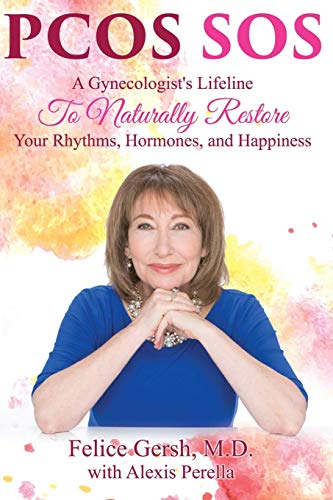
Pcos SOS: A Gynecologist's Lifeline To Naturally Restore Your Rhythms, Hormones, and Happiness: Felice Gersh, Alexis Perella
Felice Gersh M.D. ... <strong>A breakthrough program to heal Polycystic Ovary Syndrome</strong> naturally 10% of all women have PCOS, making it the most common female endocrine disorder and cause of f
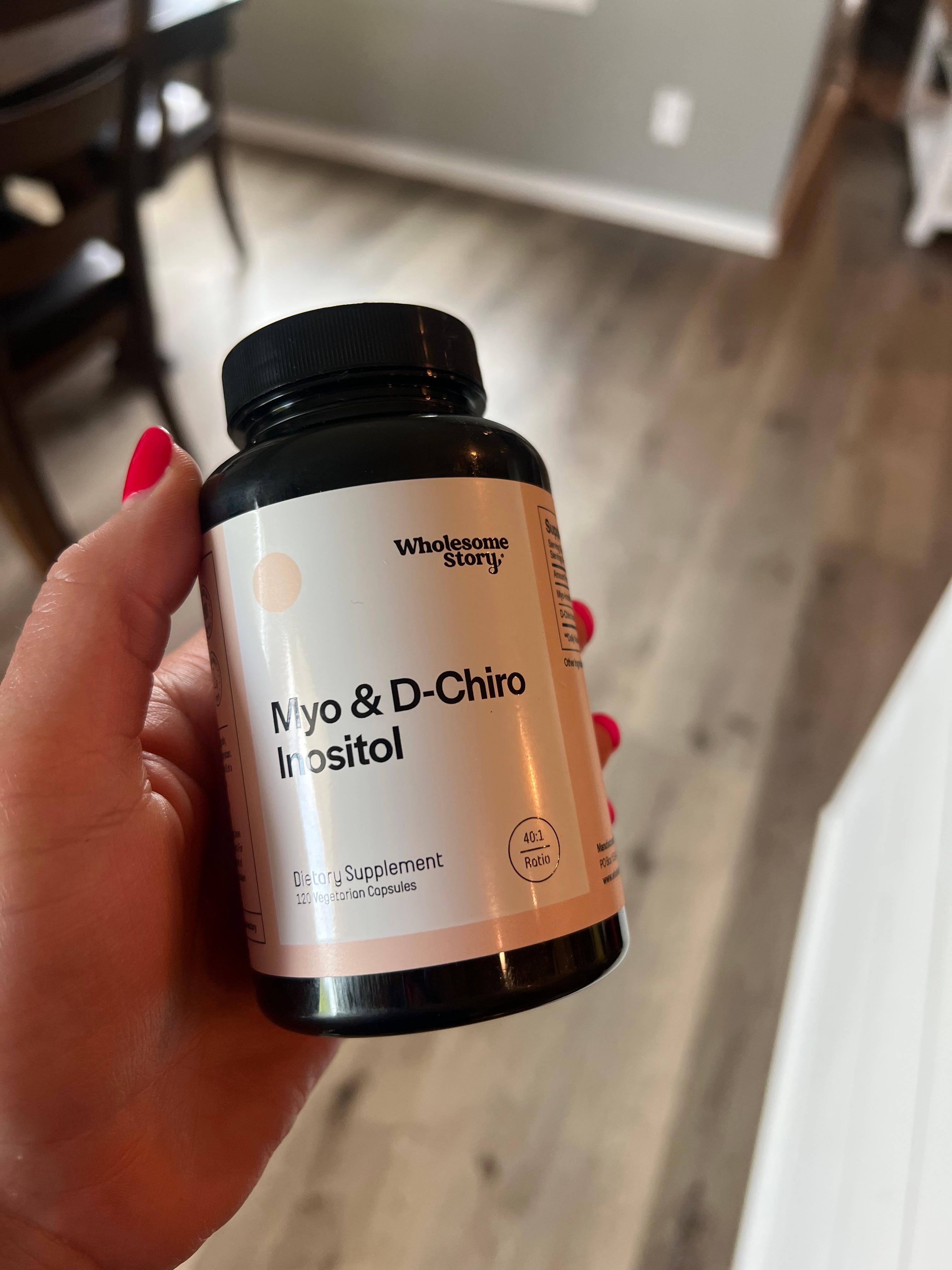
Wholesome Story Myo-Inositol & D-Chiro Inositol Supplement for Women | Fertility Supplements for Hormonal Balance & Ovarian Health Support | Myoinositol | Ideal 40:1 Ratio | 30 Servings
Our Myo & D-Chiro products contain a 40:1 ratio of Myo- to D-Chiro Inositol, shown to be <strong>the most beneficial ratio for women of reproductive age</strong>.* Myo-Inositol provides many of th
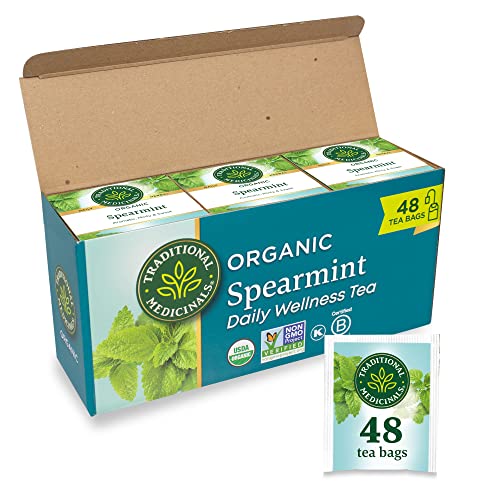
Traditional Medicinals Tea, Organic Spearmint, Supports Everyday Wellness, Healthy & Refreshing, 96 Tea Bags (6 Pack) : Spear Mint Tea : Everything Else
Ethical sourcing: We source high-quality spearmint from ethical trading partnerships. Mindfully-made herbal tea: This USDA Certified Organic tea is also Kosher, Caffeine-Free, Compostable, and Herbali
Evidence & Sources
Promising research with growing clinical support from multiple studies
- International Evidence-based Guideline for the Assessment and Management of Polycystic Ovary Syndrome (ASRM/ESHRE/Monash)
- The Journal of Clinical Endocrinology & Metabolism
- Fertility and Sterility
- American College of Obstetricians and Gynecologists (ACOG)
- National Institute of Child Health and Human Development (NICHD)
- National Center for Complementary and Integrative Health (NCCIH)
- World Health Organization (WHO)
- The Lancet
- Human Reproduction Update
This content is for informational purposes only and does not constitute medical advice. Always consult a qualified healthcare provider before starting, stopping, or changing any supplement or medication regimen.