

Migraines and Depression
Migraines and depression frequently co-occur and influence one another in clinically meaningful ways. Population studies consistently show a bidirectional association: people with migraine have about 1.5–2.5 times higher risk of developing depressive disorders, and individuals with depression have elevated risk of developing migraine. Comorbidity is especially pronounced in chronic migraine, where depressive symptoms are common and often more severe. Shared biological pathways likely include dysregulation of serotonergic and dopaminergic signaling, hypothalamic–limbic circuit involvement, stress-axis (HPA) hyperreactivity, and pro-inflammatory/neuropeptide mechanisms (including CGRP). Genetic studies also suggest partial overlap in susceptibility loci between migraine and major depressive disorder. Clinically, the presence of either condition can worsen the course of the other: pain increases functional impairment, lowers activity, and disrupts sleep, while low mood and anhedonia amplify pain perception, reduce adherence to treatment, and increase the risk of medication overuse. Screening for depression in patients with recurrent migraine and for migraine in patients with depression improves detection and guides integrated care. Practical tools include PHQ‑9 for depression and brief headache screening questions about frequency, photophobia, phonophobia, nausea, and disability. Several treatments benefit both conditions. Tricyclic antidepressants (notably amitriptyline) and SNRIs (venlafaxine; some evidence for duloxetine) can prevent migraines while treating depression. Behavioral therapies—cognitive behavioral therapy (CBT), relaxation/biofeedback, mindfulness-based approaches—and regular aerobic exercise reduce migraine frequency and improve depressive symptoms. Optimizing sleep and treating comorbid insomnia (including CBT‑I) support both. For chronic migraine, onabotulinumtoxinA and CGRP-pathway therapies reduce headache burden; mood often improves second-a
Updated September 8, 2026This content is for informational purposes only and does not constitute medical advice. Always consult a qualified healthcare provider before starting, stopping, or changing any supplement or medication regimen.
Shared Risk Factors
Female sex and hormonal fluctuations
Strong EvidenceEstrogen fluctuation around menses/postpartum increases migraine attacks; hormonal transitions are also windows of increased depressive symptoms.
Sleep disturbance and circadian dysregulation
Strong EvidenceInsomnia, irregular sleep, and sleep apnea exacerbate headache frequency and increase depression risk; REM/arousal instability heightens pain sensitivity and mood lability.
Chronic stress and trauma/adverse childhood experiences
Moderate EvidenceStress sensitizes HPA axis and limbic circuits; trauma is linked to higher odds of both conditions.
Medication overuse and polypharmacy
Moderate EvidenceFrequent acute analgesic/triptan use can drive medication-overuse headache; depressive symptoms raise overuse risk; some drugs may worsen mood or headaches.
Obesity and low physical activity
Moderate EvidenceInflammation and metabolic dysregulation are linked to both conditions; sedentary behavior worsens outcomes.
Genetic susceptibility (serotonergic and neurovascular pathways)
Moderate EvidencePolygenic overlap between migraine and major depression; shared neurotransmitter and pain-modulation biology.
Substance use (nicotine, alcohol)
Moderate EvidenceNicotine and alcohol can trigger headaches and worsen mood; withdrawal and sleep disruption aggravate both.
Comorbidity Data
Prevalence
Depression occurs in roughly 20–30% of people with migraine (higher—up to ~40%—in chronic migraine), versus lower rates in the general population; risk is about 1.5–2.5x higher. Prospective studies support bidirectionality (each condition raises incident risk of the other).
Mechanistic Link
Shared dysregulation in serotonergic signaling, hypothalamic–limbic circuits, HPA-axis stress response, and neuroinflammatory mediators (e.g., CGRP) can amplify both nociception and affective symptoms. Genetic studies show partial overlap in risk loci for migraine and major depressive disorder.
Clinical Implications
Routinely screen for the comorbid condition; integrate behavioral therapy and exercise; consider antidepressants with migraine-preventive efficacy (e.g., amitriptyline, venlafaxine). Monitor for medication overuse. Use caution with agents that may affect mood (e.g., topiramate) and be aware that combined SSRI/SNRI with triptan has a very low but theoretical serotonin-syndrome risk; educate and monitor rather than routinely avoid.
Sources (5)
- Buse DC et al. Psychiatric comorbidities of migraine; AMPP Study. J Neurol Neurosurg Psychiatry, 2013.
- Breslau N et al. Migraine and major depression: longitudinal evidence of bidirectionality. Headache, 2003.
- American Headache Society (AHS) consensus and guidance on migraine and behavioral treatments, 2019–2021.
- Large GWAS/meta-analyses indicating shared genetic risk between migraine and depression (e.g., Anttila et al., 2018; Wray et al., 2018).
- Evans RW et al. Analysis of FDA alert on serotonin syndrome with triptans + SSRIs/SNRIs; very low observed risk. Headache, 2010.
Overlapping Treatments
Tricyclic antidepressants (e.g., amitriptyline, nortriptyline)
Moderate EvidenceReduce migraine frequency and intensity (preventive).
Treat depressive symptoms (amitriptyline less preferred first-line due to AEs but effective).
Anticholinergic effects, weight gain, sedation; start low, go slow; avoid in cardiac conduction disease.
SNRIs (venlafaxine; some evidence for duloxetine)
Moderate EvidenceVenlafaxine probably effective for migraine prevention; duloxetine evidence limited but may help comorbid pain.
First-line pharmacotherapy for major depression in many guidelines.
Monitor BP (venlafaxine); nausea/activation early; taper to avoid discontinuation symptoms.
Cognitive behavioral therapy (CBT), biofeedback, relaxation training
Strong EvidenceReduces attack frequency and disability; recommended by AHS.
Core evidence-based psychotherapy for depression; improves remission and relapse prevention.
Access and adherence can limit effect; combine with meds when indicated.
Mindfulness-based interventions
Moderate EvidenceImprove pain coping and reduce migraine-related disability.
Reduce depressive symptoms and rumination; support relapse prevention.
Benefits accumulate over weeks; emphasize regular practice.
Aerobic exercise (moderate‑intensity 3–5x/week)
Moderate EvidenceComparable preventive effect to some medications in small RCTs; lowers attack frequency.
Strong antidepressant effect; improves sleep, anxiety, and cognition.
Start gradually to avoid exertional triggers; hydrate; consider low‑impact options.
Sleep optimization and CBT‑I for insomnia
Moderate EvidenceBetter sleep reduces attack frequency and chronification risk.
Improves depressive symptoms and treatment response.
Behavioral sleep therapy may take several weeks; address caffeine and screen time.
OnabotulinumtoxinA (for chronic migraine)
Moderate EvidenceRobust reduction in headache days in chronic migraine.
Depressive symptoms often improve secondary to pain reduction; not an antidepressant.
Injections every 12 weeks; local AEs; ensure chronic migraine diagnosis.
Acupuncture
Moderate EvidencePrevents episodic migraine with efficacy comparable to some drugs and fewer AEs (Cochrane).
Adjunctive benefit for depression reported in trials, though heterogeneity exists.
Choose qualified practitioner; set expectations about course (6–12 sessions).
Medical Perspectives
Two Ways of Seeing Health

Western
scientific · clinical
Western medicine applies science, technology, and clinical experience to treat symptoms through testing, diagnosis, and targeted intervention.
Surgeons · Pharmaceuticals · Clinical trials · Diagnostics 
Eastern
traditional · alternative
Eastern medicine focuses on treating the body naturally by applying traditional knowledge practiced for thousands of years, emphasizing balance and whole-person wellness.
Acupuncture · Herbal medicine · Yoga · Meditation
Gold Bamboo presents both perspectives side-by-side so you can make informed decisions. We don't advocate for one over the other — your health choices are yours.
Two Ways of Seeing Health
Western
scientific · clinical
Western medicine applies science, technology, and clinical experience to treat symptoms through testing, diagnosis, and targeted intervention.
Eastern
traditional · alternative
Eastern medicine focuses on treating the body naturally by applying traditional knowledge practiced for thousands of years, emphasizing balance and whole-person wellness.
Gold Bamboo presents both perspectives side-by-side so you can make informed decisions. We don't advocate for one over the other — your health choices are yours.
Western Perspective
Western medicine recognizes a bidirectional, multifactorial relationship driven by shared neurobiological pathways, genetic overlap, and behavioral/sleep factors. Guidelines recommend routine screening for the comorbid condition and integrated treatment to reduce disability and relapse.
Key Insights
- Comorbidity is common and bidirectional, especially in chronic migraine.
- Shared serotonergic signaling, HPA-axis stress response, and neuroinflammation link the two conditions.
- Behavioral therapies and exercise are foundational, with additive benefit to pharmacologic care.
- Selecting antidepressants with migraine-preventive efficacy can streamline regimens.
- Monitor for medication overuse and potential drug interactions/syndrome risks.
Treatments
- CBT and relaxation/biofeedback
- Aerobic exercise and sleep/CBT‑I
- Amitriptyline or venlafaxine when medication is needed for both conditions
- OnabotulinumtoxinA or CGRP-pathway preventives for chronic migraine; continue standard depression care
- Mindfulness and stress management
Deep Dive
From a Western biomedical standpoint, migraine and depression are interlinked by shared neurobiology, behavior, and environment. Serotonergic si... From a Western biomedical standpoint, migraine and depression are interlinked by shared neurobiology, behavior, and environment. Serotonergic signaling modulates both mood and trigeminovascular pain pathways; stress-axis hyperreactivity and limbic–hypothalamic circuit dysfunction further couple affect and nociception. Inflammatory mediators and neuropeptides (notably CGRP) contribute to sensitization and allodynia, while chronic pain predictably reduces activity and sleep quality—potent drivers of depressive symptoms. Large epidemiologic cohorts show that each condition elevates the risk of the other; the relationship strengthens as headache frequency increases, making chronic migraine a high‑yield population for depression screening. Management is optimized by integrated care. Screen systematically (e.g., PHQ‑9) and set dual targets: reducing monthly headache days and improving mood/sleep. Combine foundational lifestyle and behavioral strategies (CBT or mindfulness, aerobic exercise, and CBT‑I for insomnia) with pharmacotherapy chosen to serve both conditions when possible—amitriptyline or venlafaxine are pragmatic options. For chronic migraine, onabotulinumtoxinA or CGRP‑pathway preventives can substantially reduce headache burden; quality of life and mood often improve as pain recedes, though these agents are not antidepressants. Avoid medication overuse and review drugs that may aggravate mood (e.g., topiramate in susceptible patients). Educate patients that the serotonin‑syndrome risk from triptan plus SSRI/SNRI is very low; prudent monitoring usually suffices. Coordinated primary care, neurology, and mental‑health follow‑up improves adherence and outcomes.
Sources
- AAN/AHS Guideline: Pharmacologic treatment for episodic migraine prevention in adults. Neurology, 2012.
- American Headache Society consensus on behavioral treatments and integrating new preventives, 2019–2021.
- NICE: Headaches in over 12s—diagnosis and management (updated 2021).
- NICE: Depression in adults (NG222, 2022).
- Cochrane Review: Acupuncture for episodic migraine (updated 2016/2020).
Eastern Perspective
In Traditional Chinese Medicine (TCM), migraine and depression commonly reflect patterns such as Liver qi stagnation, Liver yang rising, phlegm obstruction, and Heart–Spleen deficiency. Pain and mood are intertwined through disrupted qi and blood flow affecting the Liver (regulates flow) and Heart (governs spirit). Treatment harmonizes Liver, moves qi, calms shen, and nourishes blood.
Key Insights
- Acupuncture to regulate Liver qi and calm shen can address both head pain and mood irritability.
- Stress, irregular sleep, and diet stagnate qi; movement (tai chi/qigong) and regular routines restore flow.
- Herb formulas such as Xiao Yao San or Chai Hu Shu Gan San are used to soothe Liver and relieve constraint; individualized patterns guide selection.
Treatments
- Acupuncture points commonly used: LR3, LI4, GB20, Taiyang, Yintang, PC6; add SP6/HT7 for insomnia/anxiety.
- Herbal formulas: Xiao Yao San; Chai Hu Shu Gan San; Ban Xia Hou Po Tang for phlegm/constraint (pattern-dependent).
- Lifestyle: tai chi/qigong, breathing practices, warming foods, regulated sleep–wake cycles.
Deep Dive
Traditional East Asian medicine views migraine and depression as manifestations of disrupted qi and blood flow, often centered on the Liver’s ro... Traditional East Asian medicine views migraine and depression as manifestations of disrupted qi and blood flow, often centered on the Liver’s role in regulation and the Heart’s stewardship of the spirit (shen). Emotional constraint, irregular sleep, and dietary stagnation produce Liver qi stagnation and, with time, internal wind or rising yang that triggers head pain. Concomitantly, the shen becomes unsettled, presenting as low mood, irritability, and sleep disturbance. Treatment seeks to restore harmonious flow and calm the mind. Acupuncture protocols that pair distal regulation (LR3, LI4) with local points for head pain (GB20, Taiyang) and calming points (Yintang, PC6, HT7) aim to relieve constraint and reduce pain sensitivity while improving sleep. Clinical trials support acupuncture’s role in preventing episodic migraine and suggest adjunctive benefit for depression, though herbal evidence remains less definitive and pattern‑dependent. Frequently used formulas, such as Xiao Yao San or Chai Hu Shu Gan San, are selected after individualized assessment to soothe Liver, move qi, and nourish blood. Lifestyle practices—regular routines, mindful breathing, tai chi or qigong—reinforce treatment by gently mobilizing qi and stabilizing mood. Integrative care can safely combine these approaches with conventional therapy, offering patients additional avenues for symptom relief and self‑management when guided by qualified practitioners.
Sources
- Cochrane Review: Acupuncture for episodic migraine (Linde et al., 2016/2020).
- Cochrane Review: Acupuncture for depression (2018) suggests adjunctive benefit with heterogeneity.
- Traditional TCM texts and modern clinical manuals on pattern-based care.
Evidence Ratings
Migraine and depression have a bidirectional association (each increases incident risk of the other).
Breslau N. Headache, 2003; Buse DC. JNNP, 2013; multiple cohort/meta-analyses.
Depression prevalence is higher in chronic versus episodic migraine.
Buse DC et al. AMPP Study, JNNP, 2013; AHS guidance 2019–2021.
Amitriptyline and venlafaxine prevent migraine and treat depression.
AAN/AHS Migraine Prevention Guideline, 2012; NICE depression guidance, 2022.
CBT, biofeedback, and relaxation reduce migraine frequency and improve depressive symptoms.
AHS behavioral therapy consensus, 2019; APA/NICE depression guidelines.
Regular aerobic exercise benefits both migraine prevention and depression outcomes.
AHS recommendations; systematic reviews of exercise for migraine and depression (2018–2020).
Acupuncture prevents episodic migraine and may help depression as an adjunct.
Cochrane Reviews (migraine 2016/2020; depression 2018).
Combined SSRI/SNRI with triptan carries a very low observed risk of serotonin syndrome; monitor rather than automatically avoid.
Evans RW et al. Headache, 2010; post‑alert observational analyses.
CGRP and onabotulinumtoxinA reduce headache burden; mood often improves secondarily.
AHS guidance; PREEMPT post‑hoc analyses; real‑world cohorts.
Sources
- AAN/AHS. Evidence-based guideline update: Pharmacologic treatment for episodic migraine prevention in adults. Neurology. 2012.
- American Headache Society (AHS). Consensus statements on behavioral treatments and integrating new migraine preventives. 2019–2021.
- NICE. Headaches in over 12s: diagnosis and management. Updated 2021.
- NICE. Depression in adults: treatment and management (NG222). 2022.
- Buse DC, Silberstein SD, et al. Psychiatric comorbidities of episodic and chronic migraine: AMPP Study. J Neurol Neurosurg Psychiatry. 2013.
- Breslau N, et al. Migraine and major depression: a longitudinal study. Headache. 2003.
- Cochrane Review: Acupuncture for preventing episodic migraine (Linde et al., 2016; update 2020).
- Cochrane Review: Acupuncture for depression (2018).
- Evans RW, Tepper SJ. The FDA alert on serotonin syndrome with triptans and SSRIs/SNRIs: an analysis of 29 cases. Headache. 2010.
- Genetic correlation between migraine and depression reported in large GWAS/meta-analyses (e.g., Anttila et al., Nature Genetics 2018; Wray et al., 2018).
Related Topics
Recommended Products
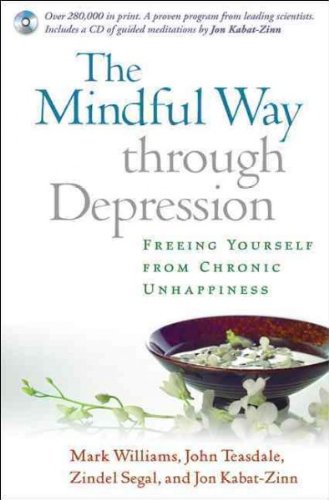
The Mindful Way Through Depression: Freeing Yourself from Chronic Unhappiness (Book & CD)
As psychologists who had been involved in treating and researching depression for many years, three of us (Mark Williams, Zindel Segal, and John Teasdale) wanted to find out. The rest of this chapter,
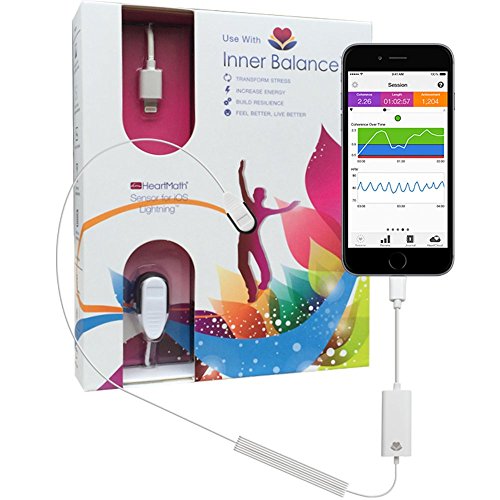
HeartMath Inner Balance Lightning
Research shows that when we are ... improved cognitive function. Inner Balance <strong>uses HeartMath's patented technology to monitor the subtle beat-to-beat changes in your heart rhythms</stron
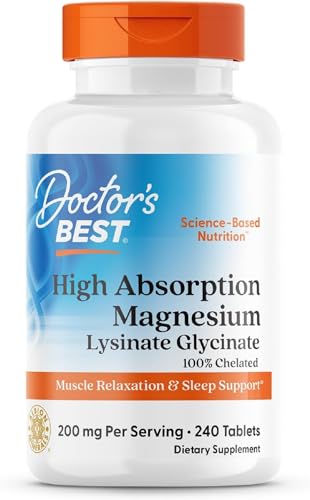
Doctor's Best High Absorption Magnesium Glycinate Lysinate Supplement for Sleep Support - Chelated Magnesium Tablets for Women & Men, 200mg per Serving, Supports Calm & Relaxation, Vegan - 240 Count
Doctor's Best High Absorption Magnesium Glycinate Lysinate Supplement for Sleep Support - Chelated Magnesium Capsules for Women & Men, 105 mg per Serving, Calm Support, Vegan - 120 Veg Caps
Health Disclaimer
This content is for informational purposes only and does not constitute medical advice. Always consult a qualified healthcare provider before starting, stopping, or changing any supplement or medication regimen.