

Fibromyalgia and Chronic Fatigue Syndrome / Myalgic Encephalomyelitis (CFS/ME)
Fibromyalgia (FM) and Chronic Fatigue Syndrome / Myalgic Encephalomyelitis (CFS/ME) are chronic, often disabling conditions with substantial symptomatic overlap yet distinct diagnostic anchors. FM is defined by widespread musculoskeletal pain, tenderness, and associated symptoms (sleep disturbance, cognitive complaints, fatigue) assessed by the Widespread Pain Index and Symptom Severity Scale. CFS/ME is characterized by substantial reduction in function accompanied by post‑exertional malaise (PEM), unrefreshing sleep, and either cognitive impairment or orthostatic intolerance; PEM is a required hallmark in modern diagnostic criteria (NICE 2021; IOM/NAM 2015). Overlap is common: many patients meet criteria for both, and both show dysregulation across pain processing, autonomic function, sleep architecture, and stress-response systems. Proposed shared mechanisms include central sensitization (heightened nociceptive processing), small fiber neuropathy in a subset, autonomic dysfunction (particularly orthostatic intolerance and POTS), altered HPA-axis signaling, and low-grade immune or neuroinflammatory signaling. In CFS/ME, metabolic and mitochondrial energetic impairments and abnormal responses to exertion are more consistently observed, aligning with PEM and findings on two-day cardiopulmonary exercise testing. In FM, pain amplification and sensory hypersensitivity are more predominant, though fatigue and cognitive symptoms are frequent. Management strategies overlap in symptom-directed, multidisciplinary care: optimizing sleep, treating coexisting conditions (e.g., migraines, IBS, mood or anxiety disorders, sleep apnea), managing autonomic symptoms, and using nonpharmacologic modalities (education, pacing/activity management, gentle mind–body movement, and sometimes CBT for coping skills). Key divergences matter: aerobic and resistance exercise are core therapies with proven benefit in FM, whereas fixed‑increment graded exercise can worsen PEM in CFS/ME; energy‑en
Updated September 8, 2026This content is for informational purposes only and does not constitute medical advice. Always consult a qualified healthcare provider before starting, stopping, or changing any supplement or medication regimen.
Shared Risk Factors
Female sex and midlife hormonal milieu
Strong EvidenceBoth conditions predominantly affect women, possibly reflecting interactions among sex hormones, pain processing, autonomic regulation, and immune responses.
Adverse childhood experiences and psychosocial stress
Moderate EvidenceEarly life stress and cumulative psychosocial stress are associated with heightened central pain sensitivity, autonomic dysregulation, and worse symptom burden.
Infections and post‑infectious states (e.g., EBV, Q fever, influenza, SARS‑CoV‑2)
Moderate EvidenceAcute infections can precipitate chronic fatigue and pain syndromes via persistent immune dysregulation and neuroinflammation in susceptible hosts.
Sleep disorders and non‑restorative sleep
Strong EvidenceInsomnia, sleep apnea, and disturbed slow‑wave sleep worsen pain processing, cognition, and autonomic balance.
Autonomic dysfunction (orthostatic intolerance, POTS)
Moderate EvidenceImpaired autonomic regulation contributes to fatigue, cognitive fog, palpitations, and exercise intolerance.
Genetic and familial susceptibility
Emerging ResearchFamilial clustering and polygenic risk suggest heritable vulnerability affecting pain processing, immune/autonomic systems.
Connective tissue hypermobility spectrum
Emerging ResearchGeneralized joint hypermobility and related connective tissue variants are associated with dysautonomia, pain, and fatigue.
Comorbidity Data
Prevalence
Common overlap; in specialty cohorts, roughly one‑third to over one‑half of patients with CFS/ME meet FM criteria, and a notable minority of FM patients meet CFS/ME criteria (estimates vary by case definitions and setting).
Mechanistic Link
Shared alterations in central pain processing, autonomic dysfunction (including orthostatic intolerance), disturbed sleep, small fiber pathology in subsets, and immune–neuroendocrine dysregulation may predispose to both phenotypes; exertion‑intolerance biology (PEM) is more specific to CFS/ME.
Clinical Implications
Screen bidirectionally: assess for PEM in FM patients with severe fatigue before recommending exercise progression; assess pain amplification in CFS/ME to guide analgesic and neuromodulatory strategies. Co‑occurrence typically predicts higher symptom burden, greater disability, and need for tailored pacing, autonomic management, and multimodal pain care.
Sources (3)
- NICE. Myalgic encephalomyelitis (or encephalopathy)/chronic fatigue syndrome: diagnosis and management (NG206), 2021.
- IOM/NAM. Beyond Myalgic Encephalomyelitis/Chronic Fatigue Syndrome: Redefining an Illness, 2015.
- Clauw DJ. Fibromyalgia: a clinical review. JAMA. 2014;311(15):1547-1555.
Overlapping Treatments
Energy management and pacing
Moderate EvidenceHelps titrate activity around pain flares and fatigue; may reduce boom–bust cycles.
Core strategy to avoid PEM and stabilize function; recommended by NICE.
Avoid prescriptive graded‑exercise protocols in CFS/ME; pacing alone can lead to deconditioning if overly restrictive in FM—combine with symptom‑tolerant movement.
Sleep optimization (CBT‑I, sleep hygiene, treat OSA/RLS, consider melatonin)
Strong EvidenceImproves pain thresholds, fatigue, and cognition.
Addresses unrefreshing sleep and reduces symptom amplification.
Screen for sleep apnea before sedatives; melatonin may cause daytime sleepiness in some.
Autonomic dysfunction management (fluids, salt, compression; meds such as midodrine, fludrocortisone, beta‑blockers/ivabradine when indicated)
Moderate EvidenceCan ease dizziness, palpitations, and activity intolerance in dysautonomic subsets.
Often markedly improves orthostatic symptoms and functional capacity.
Individualize based on hemodynamics; monitor blood pressure and electrolytes.
Gentle movement and mind–body practices (stretching, tai chi, yoga, qigong)
Moderate EvidenceConsistent symptom benefits for pain, sleep, and mood; tai chi supported by RCTs.
May improve flexibility and stress tolerance when kept within the energy envelope.
In CFS/ME, strictly avoid triggering PEM; prioritize breath, balance, and very low intensity.
Neuromodulatory medications (e.g., duloxetine, milnacipran, pregabalin)
Strong EvidenceEvidence‑based for pain, sleep, and global FM symptom reduction (EULAR).
May help comorbid neuropathic pain or sleep disturbance but are not disease‑modifying for CFS/ME.
Watch for sedation, dizziness, blood pressure/heart‑rate effects that may worsen orthostatic intolerance.
Low‑dose naltrexone (LDN; off‑label)
Emerging ResearchSmall trials and observational data suggest reductions in pain and hypersensitivity.
Preliminary reports suggest improvements in fatigue/pain in some patients.
Off‑label; start low and titrate; monitor for vivid dreams, headaches; avoid with opioid therapy.
Nutrition and anti‑inflammatory strategies (balanced diet, treat deficiencies, consider omega‑3, magnesium, CoQ10)
Emerging ResearchMay modestly aid pain and fatigue; corrects contributory deficiencies.
Supports energy production and symptom stability; evidence varies by supplement.
Evidence heterogeneity; avoid megadoses; review interactions, especially with anticoagulants (omega‑3) and thyroid meds (biotin).
Medical Perspectives
Two Ways of Seeing Health

Western
scientific · clinical
Western medicine applies science, technology, and clinical experience to treat symptoms through testing, diagnosis, and targeted intervention.
Surgeons · Pharmaceuticals · Clinical trials · Diagnostics 
Eastern
traditional · alternative
Eastern medicine focuses on treating the body naturally by applying traditional knowledge practiced for thousands of years, emphasizing balance and whole-person wellness.
Acupuncture · Herbal medicine · Yoga · Meditation
Gold Bamboo presents both perspectives side-by-side so you can make informed decisions. We don't advocate for one over the other — your health choices are yours.
Two Ways of Seeing Health
Western
scientific · clinical
Western medicine applies science, technology, and clinical experience to treat symptoms through testing, diagnosis, and targeted intervention.
Eastern
traditional · alternative
Eastern medicine focuses on treating the body naturally by applying traditional knowledge practiced for thousands of years, emphasizing balance and whole-person wellness.
Gold Bamboo presents both perspectives side-by-side so you can make informed decisions. We don't advocate for one over the other — your health choices are yours.
Western Perspective
Western medicine regards FM and CFS/ME as distinct but overlapping syndromes with shared pathophysiology in pain amplification, autonomic dysregulation, and sleep disruption. CFS/ME is distinguished by post‑exertional malaise and abnormal physiological responses to exertion; FM is anchored in widespread pain and sensory hypersensitivity.
Key Insights
- PEM is required for CFS/ME diagnosis and guides avoidance of fixed‑increment graded exercise.
- FM features central sensitization; CFS/ME may involve neuroimmune and metabolic dysregulation producing exertion intolerance.
- Autonomic dysfunction (orthostatic intolerance/POTS) is common in CFS/ME and present in a subset of FM.
- Small fiber neuropathy is documented in subsets of both conditions.
- Treating sleep disorders and autonomic problems can produce meaningful functional gains.
Treatments
- For FM: education; aerobic/resistance exercise as tolerated; tai chi/yoga; CBT for pain coping; duloxetine/milnacipran/pregabalin; address sleep.
- For CFS/ME: education; pacing/energy management; treat orthostatic intolerance; optimize sleep; cautious symptom‑targeted pharmacology; avoid GET; consider rehabilitation within energy envelope.
Deep Dive
From a Western clinical standpoint, fibromyalgia and CFS/ME sit on intersecting terrain but are not interchangeable. FM is principally a disorde... From a Western clinical standpoint, fibromyalgia and CFS/ME sit on intersecting terrain but are not interchangeable. FM is principally a disorder of pain amplification with widespread allodynia and hyperalgesia, accompanied by fatigue, sleep disturbance, and cognitive symptoms. CFS/ME centers on exertion intolerance—post‑exertional malaise (PEM)—and unrefreshing sleep, with cognitive dysfunction and orthostatic intolerance as key domains. These differences matter because they change what “rehabilitation” looks like. In FM, structured, gradually progressive aerobic/resistance exercise and mind–body activity have replicated benefits for pain and function, complemented by SNRIs (duloxetine, milnacipran) or pregabalin for symptom relief. In CFS/ME, fixed‑increment graded exercise risks clinical deterioration by triggering PEM; instead, energy management (pacing), careful activity titration within the energy envelope, and targeted treatment of orthostatic intolerance (fluids, salt, compression, selected medications) are preferred. In both conditions, sleep optimization (CBT‑I, treatment of sleep apnea/restless legs) and addressing comorbidities (migraine, IBS, mood disorders) are foundational. Biologically, convergent findings include disturbed pain processing (central sensitization), autonomic dysregulation, and sleep architecture disruption, with small fiber neuropathy reported in subsets. CFS/ME more consistently shows abnormal physiological responses to exertion and emerging signals of neuroinflammation and impaired cellular energetics. Clinically, when diagnoses co‑occur, symptom burden is higher and care plans must integrate pacing principles with FM‑oriented pain management, with shared decision‑making about goals and trade‑offs.
Sources
- NICE. ME/CFS guideline NG206, 2021.
- IOM/NAM. Beyond ME/CFS, 2015.
- Clauw DJ. JAMA 2014 clinical review of fibromyalgia.
- EULAR recommendations for FM management. Ann Rheum Dis. 2017.
- Nakatomi Y et al. Neuroinflammation in CFS on PET. J Nucl Med. 2014.
- Oaklander AL et al. Small‑fiber pathology in FM. Pain. 2013.
Eastern Perspective
Eastern traditions view these conditions as systemic dysregulation of vital energy, fluids, and mind–body balance. In Traditional Chinese Medicine (TCM), patterns often include spleen qi deficiency (fatigue), kidney yang/qi deficiency (cold, weakness), liver qi stagnation (pain, irritability), and phlegm‑damp obstruction (heaviness, brain fog). Ayurveda often attributes symptoms to vata aggravation with ama (metabolic toxins) accumulation and impaired agni (digestive fire), leading to pain, sleep disturbance, and exhaustion.
Key Insights
- Individual pattern differentiation (TCM) or dosha assessment (Ayurveda) guides therapy rather than disease labels.
- Acupuncture and gentle meditative movement (tai chi, qigong, yoga) can reduce pain and stress reactivity; evidence is stronger in FM, emerging in CFS/ME.
- Restorative practices (breathwork, yoga nidra) may down‑shift autonomic arousal and are adaptable to pacing needs in CFS/ME.
- Herbal formulas aim to tonify qi/blood, move stagnation, and clear dampness; quality control and interaction checks are essential.
Treatments
- TCM: acupuncture, acupressure/tuina, moxibustion; formulas such as Bu Zhong Yi Qi Tang (qi tonification), Xiao Yao San/Jia Wei Xiao Yao San (liver qi stagnation), Gui Pi Tang (qi/blood deficiency), individualized to pattern.
- Ayurveda: gentle yoga/pranayama, abhyanga (oil massage), warm easily digested diet, herbs such as ashwagandha or guduchi tailored to constitution; graded only within the patient’s energy envelope.
Deep Dive
Eastern frameworks emphasize restoring systemic balance and down‑regulating stress reactivity. In TCM terms, many patients present with spleen q... Eastern frameworks emphasize restoring systemic balance and down‑regulating stress reactivity. In TCM terms, many patients present with spleen qi deficiency and phlegm‑damp (fatigue, heaviness, brain fog), overlaid with liver qi stagnation and blood stasis (generalized aching, trigger points). Kidney deficiency patterns may appear with chronicity. Treatment combines acupuncture to modulate pain pathways and autonomic tone, gentle movement arts (tai chi, qigong) to cultivate relaxed, efficient motion, and individualized herbal support to tonify qi/blood and resolve dampness. In Ayurveda, vata‑predominant imbalance with ama accumulation guides a slower, nourishing approach: warm, easily digested foods; daily oil massage for pain and sleep; breath‑led yoga and pranayama; and adaptogenic herbs such as ashwagandha when appropriate. Evidence for these modalities is strongest for FM pain reduction (e.g., tai chi and acupuncture) and more limited for CFS/ME. Importantly, the pacing principle is fully compatible with Eastern practices: sessions are brief, restorative, and titrated to avoid post‑exertional symptom flares. Practitioners should coordinate with biomedical teams, screen for orthostatic intolerance, and adjust positions and session lengths accordingly. Herb–drug interaction checks and product quality assurance are essential. The combined East–West approach often focuses on gentle symptom modulation, autonomic calming, sleep restoration, and pragmatic self‑care rhythms tailored to daily capacity.
Sources
- Wang C et al. Tai chi vs aerobic exercise for fibromyalgia. BMJ. 2018.
- Vickers AJ et al. Acupuncture for chronic pain: updated meta‑analysis. J Pain. 2018.
- Cochrane and narrative reviews of acupuncture for FM (evidence suggests modest pain benefits).
- NICE ME/CFS 2021 (supports individualized, low‑intensity movement within energy envelope).
Evidence Ratings
PEM distinguishes CFS/ME from FM and should guide avoidance of fixed‑increment graded exercise in CFS/ME.
NICE. ME/CFS guideline NG206, 2021; IOM/NAM 2015.
FM and CFS/ME frequently co‑occur and share mechanisms in pain amplification, sleep disruption, and autonomic dysfunction.
Clauw DJ. JAMA 2014; NICE 2021; IOM/NAM 2015.
Exercise programs improve FM outcomes but can worsen CFS/ME if they provoke PEM; pacing is safer for CFS/ME.
EULAR 2017 FM management; NICE 2021 ME/CFS.
Small fiber neuropathy occurs in subsets of FM and CFS/ME.
Oaklander AL et al. Pain. 2013 (FM); reviews describing SFN in subsets of CFS/ME.
Low‑dose naltrexone may reduce pain/fatigue in FM and CFS/ME.
Small RCTs/observational studies summarized in narrative reviews (e.g., Younger et al., Clin Rheumatol 2014).
Autonomic dysfunction (especially orthostatic intolerance) is common in CFS/ME and present in some FM patients.
NICE 2021; autonomic literature and reviews cited therein.
Sources
- NICE. Myalgic encephalomyelitis (or encephalopathy)/chronic fatigue syndrome: diagnosis and management. NG206 (2021). https://www.nice.org.uk/guidance/ng206
- Institute of Medicine/National Academies. Beyond Myalgic Encephalomyelitis/Chronic Fatigue Syndrome: Redefining an Illness (2015). https://nap.nationalacademies.org/catalog/19012
- Clauw DJ. Fibromyalgia: a clinical review. JAMA. 2014;311(15):1547-1555. https://jamanetwork.com/journals/jama/article-abstract/1860480
- EULAR revised recommendations for the management of fibromyalgia. Ann Rheum Dis. 2017;76(2):318-328. https://ard.bmj.com/content/76/2/318
- American College of Rheumatology. Fibromyalgia patient information. https://www.rheumatology.org/I-Am-A/Patient-Caregiver/Diseases-Conditions/Fibromyalgia
- Nakatomi Y et al. Neuroinflammation in patients with chronic fatigue syndrome/myalgic encephalomyelitis: a PET study. J Nucl Med. 2014;55(6):945-950. https://jnm.snmjournals.org/content/55/6/945
- Oaklander AL et al. Objective evidence that small-fiber polyneuropathy underlies some illnesses currently labeled as fibromyalgia. Pain. 2013;154(11):2310-2316. https://pubmed.ncbi.nlm.nih.gov/23748113/
- Wang C et al. Effect of tai chi versus aerobic exercise for fibromyalgia: randomized clinical trial. BMJ. 2018;360:k851. https://www.bmj.com/content/360/bmj.k851
- Vickers AJ et al. Acupuncture for chronic pain: update of an individual patient data meta-analysis. J Pain. 2018;19(5):455-474. https://www.jpain.org/article/S1526-5900(17)30780-0/fulltext
- Raj SR. Postural tachycardia syndrome (POTS). Circulation. 2013;127:2336-2342. https://www.ahajournals.org/doi/10.1161/CIRCULATIONAHA.112.144501
- Younger J et al. The use of low-dose naltrexone (LDN) as a novel anti-inflammatory treatment for chronic pain. Clin Rheumatol. 2014;33(4):451-459. https://link.springer.com/article/10.1007/s10067-014-2517-2
Related Topics
Recommended Products

Managing Chronic Fatigue Syndrome and Fibromyalgia: A Seven-Part Plan: Campbell, Bruce F, Lapp, Charles W
A solution-oriented book filled ... life in seven steps: <strong>Understand Your Situation Create a Symptom Management Plan Manage Activity with Pacing Reduce Stress & Manage Feelings Recast Relat

Now Foods D-Ribose Powder 100% Pure, 1 lb
Buy Now Foods D-Ribose Powder 100% Pure, 1 lb on Amazon.com ✓ FREE SHIPPING on qualified orders
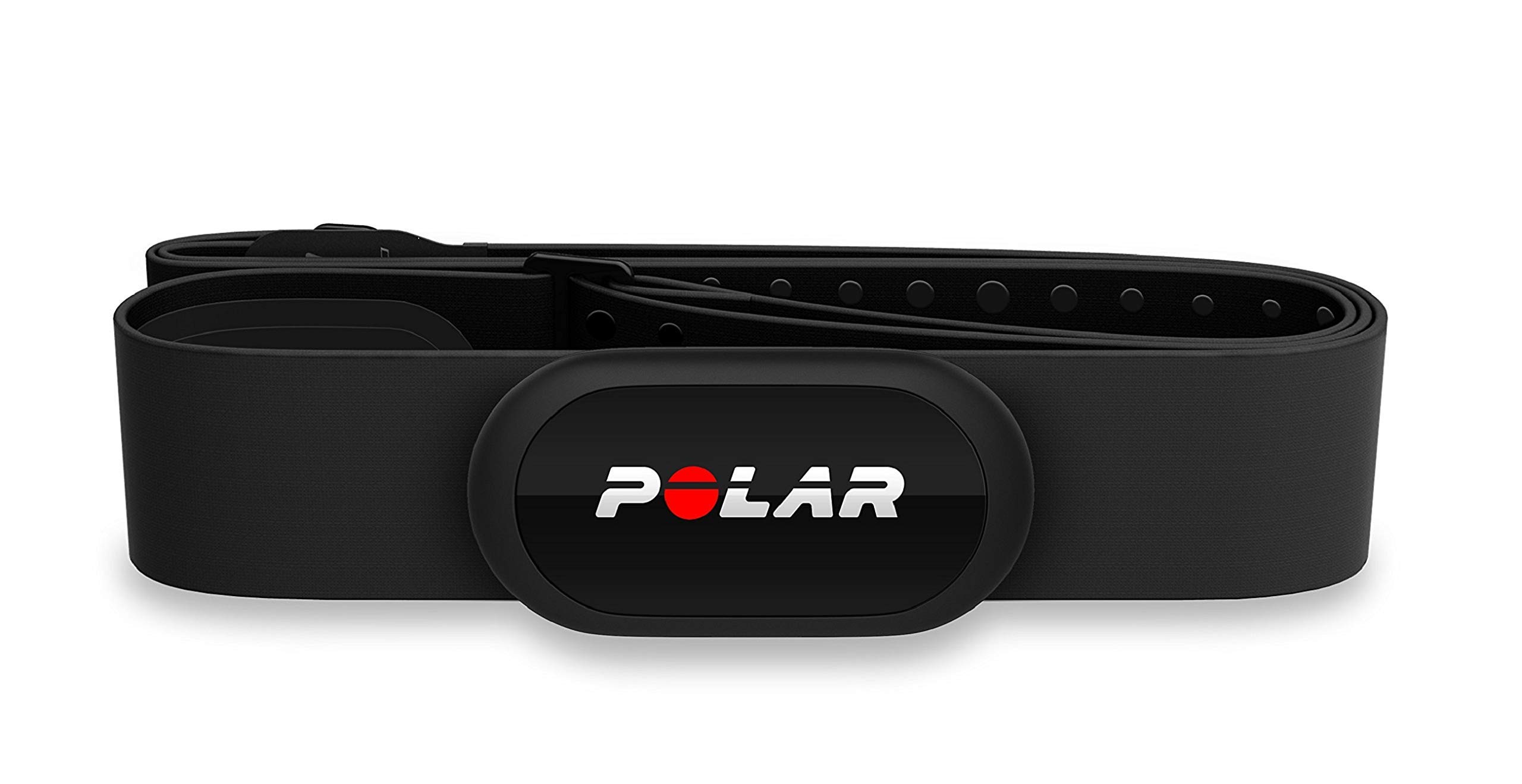
Polar H10 Heart Rate Monitor Chest Strap - ANT + Bluetooth, Waterproof HR Sensor for Men and Women : Everything Else
CONNECTIVITY: Bluetooth, ANT plus and 5 kHz provide an excellent variety of connection options. <strong>You can use Bluetooth and ANT plus connections simultaneously as well as two Bluetooth connectio
Health Disclaimer
This content is for informational purposes only and does not constitute medical advice. Always consult a qualified healthcare provider before starting, stopping, or changing any supplement or medication regimen.