

Diabetes and Hypertension
Diabetes and hypertension commonly occur together and amplify each other’s risks for heart attack, stroke, kidney disease, retinopathy, and heart failure. Roughly two-thirds of adults with type 2 diabetes have elevated blood pressure, and many people with hypertension develop insulin resistance that increases the likelihood of future diabetes. The link is bidirectional: insulin resistance, sympathetic overactivity, renin–angiotensin–aldosterone system (RAAS) activation, endothelial dysfunction, and chronic low-grade inflammation all contribute to both high glucose and high blood pressure. Obesity, central adiposity, sleep apnea, sedentary behavior, high-sodium/ultra-processed diets, and genetic factors are shared drivers. Kidney involvement further tightens the relationship: diabetic nephropathy promotes sodium retention and RAAS activation, raising blood pressure; uncontrolled hypertension accelerates kidney damage in diabetes. Evidence-based management emphasizes simultaneous control of blood pressure and glycemia, along with comprehensive cardiovascular risk reduction (statins, smoking cessation, weight management). In people with diabetes—especially when albuminuria or chronic kidney disease is present—ACE inhibitors or ARBs are preferred first-line antihypertensives for kidney and cardiovascular protection. Thiazide-like diuretics and dihydropyridine calcium channel blockers are common add-ons to reach targets. Modern glucose-lowering agents confer additional cross-benefits: SGLT2 inhibitors modestly lower blood pressure and strongly reduce heart failure and kidney outcomes; GLP-1 receptor agonists reduce atherosclerotic events and weight, with small blood pressure reductions. Finerenone (a selective nonsteroidal mineralocorticoid receptor antagonist) further reduces kidney and cardiovascular events in type 2 diabetes with chronic kidney disease. Lifestyle interventions—DASH or Mediterranean-style eating with sodium reduction, 150+ minutes/week of aerobic and
Updated September 8, 2026This content is for informational purposes only and does not constitute medical advice. Always consult a qualified healthcare provider before starting, stopping, or changing any supplement or medication regimen.
Shared Risk Factors
Insulin resistance and visceral adiposity
Strong EvidenceExcess visceral fat drives insulin resistance, sympathetic activation, RAAS activity, inflammation, and endothelial dysfunction.
Overweight/obesity
Strong EvidenceBody-mass–related metabolic and hemodynamic load increases both conditions’ incidence and severity.
High-sodium, ultra-processed diet; low potassium/fiber
Strong EvidenceDietary patterns with excess sodium and refined carbs raise BP and worsen glycemia; low potassium blunts BP control.
Sedentary lifestyle
Strong EvidenceLow physical activity worsens insulin resistance and vascular health.
Obstructive sleep apnea
Moderate EvidenceIntermittent hypoxia increases sympathetic tone and inflammation.
Chronic kidney disease and albuminuria
Strong EvidenceKidney damage promotes RAAS activation and sodium retention; albuminuria is a shared vascular risk marker.
Genetics/ethnicity and family history
Moderate EvidenceInherited susceptibility to insulin resistance and salt sensitivity varies across populations.
Smoking and alcohol excess
Strong EvidenceTobacco and heavy alcohol use damage vascular and metabolic pathways.
Chronic stress and poor sleep
Moderate EvidenceNeuroendocrine activation (HPA axis, catecholamines) worsens metabolic and BP control.
PCOS and gestational diabetes history
Moderate EvidenceEndocrine/metabolic milieu predisposes to later-life cardiometabolic disease.
Comorbidity Data
Prevalence
Approximately 50–75% of adults with type 2 diabetes have hypertension; hypertension increases the risk of incident type 2 diabetes by ~1.5–2×. Co-occurrence is higher with obesity, chronic kidney disease, and older age.
Mechanistic Link
Insulin resistance and hyperinsulinemia increase renal sodium reabsorption and sympathetic tone; adipose-derived cytokines and RAAS activation promote endothelial dysfunction and arterial stiffness. Diabetic nephropathy causes volume expansion and heightened RAAS activity, raising BP; elevated BP, in turn, accelerates glomerular injury and worsens glycemic control via stress pathways.
Clinical Implications
Combined diabetes and hypertension multiply cardiovascular and renal risk. Management requires lower BP targets (<130/80 mmHg in most with diabetes), albuminuria screening, ACEi/ARB first-line when kidney disease is present, early adoption of SGLT2 inhibitors and/or GLP-1 receptor agonists for organ protection, aggressive lipid control, and team-based, home BP–enabled care.
Sources (4)
- American Diabetes Association. Standards of Care in Diabetes—2024: Cardiovascular Disease and Risk Management.
- Whelton PK et al. 2017 ACC/AHA Guideline for the Prevention, Detection, Evaluation, and Management of High Blood Pressure in Adults.
- AHA Scientific statements on hypertension and cardiometabolic risk (2018–2022).
- KDIGO 2022 Diabetes Management in CKD; KDIGO 2021 BP in CKD.
Overlapping Treatments
Weight loss (behavioral programs; GLP-1/GIP agents; bariatric-metabolic surgery)
Strong EvidenceImproves insulin sensitivity; lowers HbA1c; can induce diabetes remission after surgery in some.
Reduces systolic/diastolic BP; decreases treatment resistance.
Medication GI side effects; gallbladder issues; surgery risks; monitor for hypoglycemia if diabetes meds unchanged.
Structured physical activity (≥150 min/week moderate-to-vigorous + resistance training)
Strong EvidenceImproves insulin sensitivity and glycemic control; reduces A1c ~0.5–0.7%.
Lowers BP ~5–8 mmHg; improves vascular function and variability.
Screen for cardiovascular limitations; gradual progression to avoid injury or hypoglycemia.
DASH or Mediterranean-style eating with sodium reduction
Strong EvidenceImproves postprandial glucose and weight; supports A1c reduction.
Lowers BP substantially; potassium- and fiber-rich foods enhance control.
Aim for sodium <2,300 mg/day (or lower as tolerated); monitor potassium with RAAS blockers.
ACE inhibitors or ARBs (especially with albuminuria/CKD)
Strong EvidenceRenoprotective; reduce albuminuria and slow CKD progression; lower CV events.
First-line BP lowering; reduce vascular events.
Avoid ACEi+ARB combination; monitor creatinine and potassium; contraindicated in pregnancy; risk of cough/angioedema with ACEi.
SGLT2 inhibitors (e.g., empagliflozin, dapagliflozin)
Strong EvidenceLower A1c; reduce heart failure hospitalization and CKD progression; CV mortality benefit in some trials.
Modestly lower BP (~3–5 mmHg) and volume load; reduce HF risk.
Genital mycotic infections; euglycemic DKA risk; hold during acute illness or surgery; assess volume status.
GLP-1 receptor agonists (e.g., semaglutide, liraglutide, dulaglutide)
Strong EvidenceLower A1c and body weight; reduce MACE in high-risk patients.
Small BP reductions via weight loss and vascular effects; reduce CV events.
GI side effects; avoid in personal/family history of medullary thyroid carcinoma/MEN2; monitor for gallbladder disease.
Finerenone (nonsteroidal MRA) for T2D with CKD and albuminuria
Strong EvidenceReduces CKD progression and CV events beyond ACEi/ARB.
Mild BP effect; improves aldosterone-mediated vascular injury.
Monitor potassium and renal function; avoid with strong CYP3A4 inhibitors.
Sleep apnea treatment (CPAP, weight loss, mandibular devices)
Moderate EvidenceImproves insulin sensitivity and glycemic variability.
Lowers nighttime and daytime BP, especially in resistant hypertension.
Adherence critical; periodic device/pressure optimization needed.
Smoking cessation
Strong EvidenceReduces insulin resistance and complications risk over time.
Lowers long-term BP and vascular risk; improves medication response.
Short-term weight gain possible; combine counseling and pharmacotherapy.
Statins (cardiovascular risk reduction)
Strong EvidenceSubstantially reduces ASCVD events in diabetes.
Lowers overall CV risk burden accompanying hypertension.
Not antihypertensive or glucose-lowering; small dysglycemia signal outweighed by CV benefit.
Medical Perspectives
Two Ways of Seeing Health

Western
scientific · clinical
Western medicine applies science, technology, and clinical experience to treat symptoms through testing, diagnosis, and targeted intervention.
Surgeons · Pharmaceuticals · Clinical trials · Diagnostics 
Eastern
traditional · alternative
Eastern medicine focuses on treating the body naturally by applying traditional knowledge practiced for thousands of years, emphasizing balance and whole-person wellness.
Acupuncture · Herbal medicine · Yoga · Meditation
Gold Bamboo presents both perspectives side-by-side so you can make informed decisions. We don't advocate for one over the other — your health choices are yours.
Two Ways of Seeing Health
Western
scientific · clinical
Western medicine applies science, technology, and clinical experience to treat symptoms through testing, diagnosis, and targeted intervention.
Eastern
traditional · alternative
Eastern medicine focuses on treating the body naturally by applying traditional knowledge practiced for thousands of years, emphasizing balance and whole-person wellness.
Gold Bamboo presents both perspectives side-by-side so you can make informed decisions. We don't advocate for one over the other — your health choices are yours.
Western Perspective
In Western medicine, diabetes and hypertension are viewed as interlocking components of cardiometabolic disease that require concurrent, target-driven management to reduce macrovascular (ASCVD, heart failure) and microvascular (CKD, retinopathy) outcomes. Guidelines recommend routine screening for both conditions, aggressive risk factor modification, and pharmacotherapy selections that confer organ protection. For most adults with diabetes, a BP goal <130/80 mmHg is appropriate if it can be attained safely; ACE inhibitors or ARBs are preferred first-line when albuminuria/CKD is present. SGLT2 inhibitors and GLP-1 receptor agonists are prioritized in type 2 diabetes with established ASCVD, heart failure, or CKD due to proven outcome benefits. Team-based care, home blood pressure monitoring, and individualized A1c targets (often around 7%, adjusted for comorbidities and hypoglycemia risk) are central.
Key Insights
- Coexistence multiplies CV and renal risk; treat both conditions together, early, and intensively.
- RAAS blockade is foundational for diabetes with albuminuria; avoid ACEi+ARB combination.
- SGLT2 inhibitors and GLP-1 RAs provide cardiovascular and renal protection beyond glucose lowering.
- Thiazide-like diuretics and dihydropyridine CCBs are effective add-ons to reach BP targets.
- Lifestyle (weight loss, sodium reduction, physical activity) yields clinically meaningful reductions in A1c and BP.
- Home BP monitoring and team-based care improve control and adherence.
- Beware agents that can worsen glycemia (e.g., high-dose thiazides, some beta-blockers) but prioritize outcome-proven regimens.
Treatments
- Lifestyle: DASH/Mediterranean eating, sodium reduction, structured exercise, weight loss, sleep optimization, smoking cessation.
- ACE inhibitors or ARBs as first-line in diabetes with albuminuria/CKD; add thiazide-like diuretics or dihydropyridine CCBs as needed.
- SGLT2 inhibitors and GLP-1 receptor agonists for organ protection in T2D with ASCVD, HF, or CKD.
- Finerenone for T2D with CKD and albuminuria on ACEi/ARB.
- Statins for nearly all adults with diabetes aged 40–75 years; intensify based on risk.
- Home BP monitoring; periodic kidney function and albuminuria checks; retinopathy screening.
Deep Dive
Diabetes and hypertension share pathophysiology and risk factors, so management is most effective when coordinated. Begin with baseline risk str... Diabetes and hypertension share pathophysiology and risk factors, so management is most effective when coordinated. Begin with baseline risk stratification: assess ASCVD history, albuminuria and eGFR, lipids, smoking, and sleep apnea. Set targets that reflect overall risk and safety: a blood pressure goal <130/80 mmHg for most, and an individualized A1c (often around 7%, relaxed for frailty or hypoglycemia risk). Implement high-yield lifestyle changes first and continuously: Mediterranean or DASH-style eating with sodium <2,300 mg/day (lower if tolerated), structured exercise ≥150 minutes/week plus resistance training, weight reduction, and sleep optimization; encourage home BP monitoring and digital tools for feedback. Select pharmacotherapy for outcomes, not just numbers. If albuminuria or CKD is present, start an ACE inhibitor or ARB; add a thiazide-like diuretic (e.g., chlorthalidone, indapamide) or a dihydropyridine calcium channel blocker to reach target BP. For type 2 diabetes with ASCVD, HF, or CKD, introduce an SGLT2 inhibitor and/or GLP-1 receptor agonist, independent of baseline A1c, to reduce cardiovascular and renal events. In T2D with CKD and persistent albuminuria on ACEi/ARB, consider finerenone with potassium and renal monitoring. Continue statin therapy per risk, and prioritize smoking cessation. Review medications for glycemic effects and interactions, and monitor kidney function, potassium, and retinopathy regularly. Team-based care and home BP logs improve adherence and outcomes. This integrated strategy reduces heart attack, stroke, heart failure, and kidney failure more than treating either disease in isolation.
Sources
- American Diabetes Association. Standards of Care in Diabetes—2024 (Chs: CVD and Risk Management; CKD and Risk Management; Glycemic Targets).
- Whelton PK et al. 2017 ACC/AHA Hypertension Guideline; subsequent AHA scientific statements.
- ACCORD BP, ADVANCE, UKPDS 38: BP control reduces cardiovascular and microvascular events in diabetes.
- EMPA-REG OUTCOME, CANVAS, DECLARE–TIMI 58, DAPA-CKD: SGLT2 benefits on CV/renal outcomes.
- LEADER, SUSTAIN-6, REWIND: GLP-1 RA cardiovascular outcome benefits.
- FIDELIO-DKD, FIGARO-DKD: Finerenone reduces CKD progression and CV events in T2D with CKD.
Eastern Perspective
In East Asian traditional frameworks, diabetes corresponds partly to the pattern of “Xiao Ke” (wasting–thirst), often involving yin deficiency with internal heat and dryness, while hypertension is commonly attributed to patterns such as liver yang rising, phlegm-damp obstruction, and kidney deficiency. Both are seen as manifestations of disordered qi, fluids, and damp-heat accumulation from rich diets, stress, and inactivity. Treatment emphasizes pattern differentiation, harmonizing the liver, strengthening spleen/kidney, nourishing yin, resolving phlegm-damp, and calming internal wind. Acupuncture, herbal formulas, breathing/meditative practices (e.g., qigong, tai chi), and dietary therapy aim to restore systemic balance and complement biomedical care.
Key Insights
- Shared roots include phlegm-damp accumulation and yin deficiency, aggravated by diet and stress.
- Addressing the root (tonifying spleen/kidney, nourishing yin) alongside the branch (calming liver yang, resolving phlegm) may benefit both BP and glycemic control.
- Acupuncture may modestly lower BP and fasting glucose; evidence quality varies.
- Select botanicals (e.g., berberine-containing Coptis) show glucose-lowering and lipid benefits; quality control and interactions require caution.
- Integrative plans coordinate with conventional medications to avoid hypoglycemia or herb–drug interactions.
Treatments
- Acupuncture protocols targeting LR3, LI11, ST36, SP6, KI3, PC6, GB20, and ear points for autonomic modulation and stress reduction.
- Herbal formulas individualized by pattern, e.g., Liu Wei Di Huang Wan (kidney yin support) for Xiao Ke-type presentations; Tian Ma Gou Teng Yin or Zhen Gan Xi Feng Tang for liver yang rising–type hypertension; careful monitoring when combined with RAAS blockers or diuretics.
- Single-herb constituents with emerging evidence (e.g., berberine) for glycemic control; coordinate with clinicians to adjust diabetes therapy as needed.
- Dietary therapy emphasizing whole foods, bitter flavors, reduced greasy/sweet foods; qi-regulating movement (tai chi/qigong) for stress and metabolic health.
Deep Dive
Traditional East Asian medicine views diabetes (Xiao Ke) and hypertension as related expressions of internal imbalance—often combining yin defic... Traditional East Asian medicine views diabetes (Xiao Ke) and hypertension as related expressions of internal imbalance—often combining yin deficiency and heat with phlegm-damp accumulation and liver yang rising. An integrative plan starts with pattern differentiation, then pairs biomedically proven therapies with adjunctive modalities aimed at autonomic calming, metabolic resilience, and stress reduction. Acupuncture protocols (e.g., LR3, LI11, ST36, SP6, KI3, PC6, GB20) may modestly lower blood pressure and fasting glucose while improving sleep and perceived stress—factors that can indirectly enhance adherence and metabolic control. Herbal formulas are selected for the individual: yin-nourishing formulas such as Liu Wei Di Huang Wan for dryness and thirst; Tian Ma Gou Teng Yin or Zhen Gan Xi Feng Tang when liver yang rising and headaches predominate; and phlegm-resolving strategies for central adiposity and dampness. Where botanicals like berberine are considered for glucose control, coordination with the prescribing clinician is essential to avoid hypoglycemia and to monitor for interactions with RAAS blockers, anticoagulants, or statins. Lifestyle is a core bridge between traditions: whole-food dietary patterns, reduced greasy/sweet foods and excess sodium, mindful eating, and daily movement (tai chi/qigong or brisk walking) address phlegm-damp and improve insulin sensitivity and vascular tone. Eastern modalities should complement—not replace—guideline-based care. Safety measures include sourcing standardized products, monitoring kidney and liver function when using herbs, and pausing herbal therapies during acute illness or surgery. Used judiciously within a collaborative care model, traditional practices can support stress management, sleep, and metabolic balance while Western therapies deliver proven reductions in cardiovascular and renal events.
Sources
- Cochrane and contemporary systematic reviews on acupuncture for essential hypertension and type 2 diabetes (evidence mixed/low to moderate quality).
- Meta-analyses on berberine for glycemic and lipid control (suggest benefit; heterogeneity and quality concerns).
- World Health Organization traditional medicine resources on integrative approaches and safety.
Evidence Ratings
About two-thirds of adults with type 2 diabetes have hypertension.
ADA Standards of Care in Diabetes—2024; NHANES analyses cited therein.
BP target <130/80 mmHg is appropriate for most adults with diabetes if safely achievable.
ADA Standards of Care—2024; ACC/AHA Hypertension Guideline 2017.
ACE inhibitors or ARBs reduce CKD progression and CV events in diabetes with albuminuria.
ADA Standards—2024; KDIGO 2022; multiple RCTs and meta-analyses.
SGLT2 inhibitors reduce heart failure hospitalization and slow CKD progression in type 2 diabetes.
EMPA-REG, CANVAS, DECLARE–TIMI 58; DAPA-CKD; ADA Standards—2024.
GLP-1 receptor agonists reduce major adverse cardiovascular events in high-risk type 2 diabetes.
LEADER, SUSTAIN-6, REWIND; ADA Standards—2024.
Weight loss (5–10%) improves glycemia and lowers blood pressure.
ADA Standards—2024; AHA/ACC lifestyle guidance.
Treating obstructive sleep apnea modestly improves BP and insulin resistance.
AASM/AHA statements and meta-analyses on CPAP effects.
Thiazide-like diuretics may slightly worsen glycemia but overall CV benefits outweigh this in hypertension management.
ACC/AHA Hypertension Guideline 2017 and subsequent analyses.
Acupuncture can produce small short-term reductions in BP and fasting glucose; evidence quality is variable.
Cochrane and contemporary systematic reviews with mixed findings.
Berberine lowers HbA1c by approximately 0.5–1% in some studies but standardization and safety monitoring are needed.
Systematic reviews of RCTs on berberine; regulatory safety advisories on herbal products.
Sources
- American Diabetes Association. Standards of Care in Diabetes—2024.
- Whelton PK et al. 2017 ACC/AHA Guideline for High Blood Pressure in Adults.
- KDIGO 2022 Clinical Practice Guideline for Diabetes Management in CKD; KDIGO 2021 BP in CKD.
- UKPDS 38 (Tight blood pressure control in T2D).
- ACCORD BP; ADVANCE (blood pressure–focused results in diabetes).
- EMPA-REG OUTCOME; CANVAS; DECLARE–TIMI 58; DAPA-CKD (SGLT2 outcomes).
- LEADER; SUSTAIN-6; REWIND (GLP-1 RA CV outcomes).
- FIDELIO-DKD; FIGARO-DKD (finerenone in T2D with CKD).
- AASM/AHA statements on obstructive sleep apnea and cardiometabolic risk.
- Cochrane and contemporary systematic reviews on acupuncture for hypertension and diabetes; systematic reviews on berberine for glycemic control.
Related Topics
Recommended Products
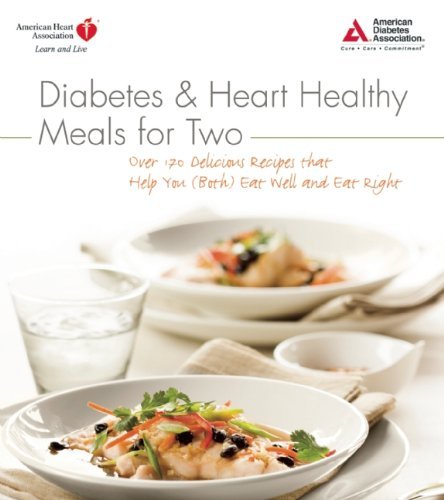
Diabetes and Heart Healthy Cookbook: American Diabetes Association, American Heart Association
<strong>One-of-a-kind heart-healthy cookbook created especially for people with diabetes</strong> Diabetes puts people at a very high risk of having a heart attack or stroke. To address this problem,
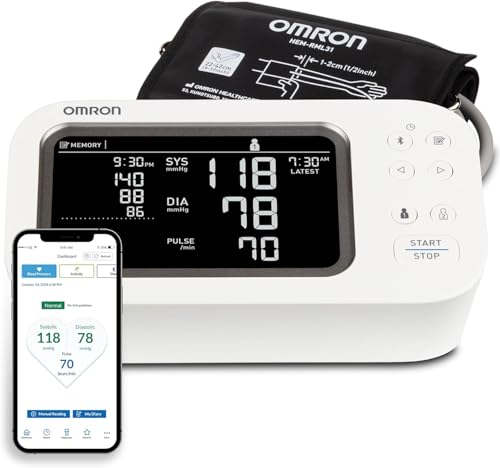
OMRON Platinum Blood Pressure Monitor for Home Use & Upper Arm Blood Pressure Cuff - #1 Doctor & Pharmacist Recommended Brand - Clinically Validated - AFib Detection - Connect App
CONFIDENCE IN EVERY READING: Monitor your heart health with the OMRON Platinum Upper Arm Blood Pressure Monitor's <strong>Advanced Accuracy with AFib Detection Technology</strong>; Store up to 10

CONTOUR NEXT ONE Blood Glucose Monitoring System All-in-One Kit for Diabetes
KIT INCLUDES: The CONTOUR NEXT ONE blood glucose meter, <strong>20 contour next test strips</strong>, user guide and quick reference guide, microlet lancing device, 10 microlet colored lancets, logboo
Health Disclaimer
This content is for informational purposes only and does not constitute medical advice. Always consult a qualified healthcare provider before starting, stopping, or changing any supplement or medication regimen.