

Crohn's Disease and Malabsorption
Crohn’s disease is a chronic inflammatory condition that can involve any part of the gastrointestinal tract, most commonly the terminal ileum and colon. Malabsorption is a downstream consequence when inflammation, structural changes, or prior surgery impair the intestine’s ability to absorb nutrients. Understanding how these two conditions intersect helps explain common complications like anemia, bone loss, weight loss, and fatigue—and points to practical strategies for testing and management. Pathophysiology links are straightforward: active inflammation and mucosal damage reduce absorptive surface area; strictures and fistulas promote stasis and small intestinal bacterial overgrowth (SIBO), which deconjugates bile acids and disrupts fat absorption; and ileal disease or resection directly impairs absorption of vitamin B12 and bile acids. Bile acid malabsorption can drive watery diarrhea, while extensive small-bowel involvement or resections can lead to global macronutrient deficits. Less commonly, exocrine pancreatic insufficiency contributes to fat and protein malabsorption. Disease location matters: ileal disease favors vitamin B12 and bile acid–related issues; jejunal disease drives broader micronutrient and macronutrient deficits (iron, folate, protein); colonic disease has fewer direct malabsorption effects but contributes to systemic inflammation and anemia of chronic disease. Typical deficiencies include iron, vitamin B12, folate, vitamin D and other fat‑soluble vitamins (A, E, K), calcium, zinc, magnesium, and sometimes protein and fat. Clinical consequences range from anemia, neuropathy, glossitis, and brittle nails (iron/B12/folate) to osteopenia/osteoporosis and fractures (vitamin D/calcium), dermatitis and dysgeusia (zinc), cramps and arrhythmias (magnesium), weight loss, sarcopenia, and steatorrhea (fat malabsorption). Hyperoxaluria and kidney stones may occur with significant fat malabsorption. Diagnostic red flags in Crohn’s that suggest malabsopr
Updated August 10, 2026This content is for informational purposes only and does not constitute medical advice. Always consult a qualified healthcare provider before starting, stopping, or changing any supplement or medication regimen.
Shared Risk Factors
Ileal involvement or resection
Strong EvidenceDisease limited to or including the terminal ileum—and resections of this segment—impair intrinsic factor–vitamin B12 uptake and interrupt enterohepatic bile acid recycling, promoting diarrhea and fat-soluble vitamin loss.
Active transmural inflammation and mucosal damage
Strong EvidenceInflammation reduces absorptive surface area, increases intestinal permeability, and can cause protein-losing enteropathy, directly impairing nutrient uptake.
Strictures, fistulas, and stasis leading to SIBO
Moderate EvidenceAnatomic narrowing and fistulas promote small intestinal bacterial overgrowth; bacteria deconjugate bile acids and compete for nutrients.
Bile acid malabsorption (BAM)
Strong EvidenceIleal disease/resection impairs bile acid reabsorption; excess bile acids entering the colon cause secretory diarrhea and disrupt micelle formation for lipid absorption.
Exocrine pancreatic insufficiency (EPI)
Emerging ResearchCrohn’s-related duodenal inflammation, altered CCK signaling, or concomitant pancreatic disease may reduce enzyme output.
Medications and dietary factors
Moderate EvidenceSulfasalazine and methotrexate can lower folate; prolonged bile acid sequestrant use can bind fat‑soluble vitamins; corticosteroids accelerate bone loss; NSAIDs can aggravate small-bowel injury.
Comorbidity Data
Prevalence
Micronutrient deficiencies are common in Crohn’s: iron deficiency affects roughly 30–50% (anemia 20–30% overall, higher in active disease); vitamin B12 deficiency ranges from ~6–38% with ileal involvement or post-ileal resection; vitamin D deficiency is reported in ~40–60%; zinc and magnesium deficits occur in 15–30% depending on activity and diarrhea burden. Malnutrition and sarcopenia are frequently observed in active or complicated Crohn’s.
Mechanistic Link
Transmural inflammation and ulceration reduce absorptive surface; ileal disease/resection impairs B12 and bile acid recycling; strictures/fistulas promote SIBO and bile acid deconjugation; bile acid malabsorption causes secretory diarrhea and lipid malabsorption; occasional EPI lowers intraluminal enzymes needed for fat/protein digestion.
Clinical Implications
Untreated deficiencies contribute to fatigue and reduced quality of life, growth delay in children, impaired wound healing, higher infection risk, osteoporosis and fractures, neuropathy (B12), and increased hospitalization. Correcting inflammation and targeted repletion improve outcomes and may reduce flares linked to undernutrition.
Sources (4)
- ESPEN guideline: Clinical nutrition in inflammatory bowel disease. Clin Nutr. 2017;36(2):321-347.
- Dignass AU et al. European consensus on iron deficiency and anaemia in IBD. J Crohns Colitis. 2015;9(3):211-222.
- Battat R et al. Vitamin B12 deficiency in IBD: a systematic review and meta-analysis. Inflamm Bowel Dis. 2014;20(6):1120-1128.
- Del Pinto R et al. Vitamin D status in IBD: systematic review and meta-analysis. BMJ Open Gastroenterol. 2016;3:e000116.
Overlapping Treatments
Biologic therapy (anti‑TNF, ustekinumab, vedolizumab)
Strong EvidenceInduces and maintains remission, promotes mucosal healing, reduces hospitalizations and surgeries.
By healing mucosa, restores absorptive capacity and reduces inflammatory-driven losses; associated with improvements in anemia and weight.
Monitor for infection risk; periodic labs to track hematinic and vitamin status as inflammation resolves.
Exclusive enteral nutrition (EEN)
Strong EvidenceEffective induction therapy, especially in pediatric Crohn’s; reduces inflammation and promotes mucosal healing.
Provides complete nutrition, supports weight gain, and may improve barrier function and absorption.
Adherence can be challenging; refeeding risk in severely malnourished patients requires monitoring.
Systemic corticosteroids (short‑term)
Moderate EvidenceRapid induction of remission in moderate–severe flares.
Reduces inflammatory malabsorption in the short term, improving appetite and transit.
Not for maintenance; adverse effects include bone loss, hyperglycemia; pair with bone health strategies.
Iron repletion (oral or intravenous)
Strong EvidenceAddresses iron‑deficiency anemia common in active disease.
Restores iron stores and hemoglobin, improving fatigue and exercise tolerance.
IV iron preferred in active disease, intolerance to oral iron, or severe anemia; monitor ferritin and transferrin saturation.
Vitamin B12 replacement (parenteral/oral high‑dose)
Strong EvidenceCounters B12 loss from ileal disease/resection; helps prevent neurologic complications.
Corrects deficiency, improving neuropathy, anemia, and glossitis.
Monitor methylmalonic acid or B12 levels; long‑term replacement often needed after significant ileal resection.
Bile acid sequestrants (cholestyramine, colesevelam)
Moderate EvidenceReduce post‑ileal resection or ileal inflammation–related bile acid diarrhea.
Decrease secretory diarrhea; may indirectly improve nutrient retention and hydration.
Can bind fat‑soluble vitamins and some drugs; use thoughtfully and reassess if steatorrhea worsens.
Antibiotics for SIBO (e.g., rifaximin)
Moderate EvidenceTreats bacterial overgrowth that can be secondary to strictures/fistulas.
Improves bloating, diarrhea, and nutrient absorption affected by deconjugated bile acids.
Recurrence is common; consider breath test confirmation and evaluate for underlying strictures.
Pancreatic enzyme replacement therapy (PERT) in EPI
Strong EvidenceTargets a documented comorbidity that exacerbates GI symptoms.
Improves steatorrhea and fat‑soluble vitamin absorption in exocrine pancreatic insufficiency.
Indicated when fecal elastase is low or EPI is otherwise confirmed; titrate with supervision.
Parenteral nutrition (short‑term or long‑term in short bowel)
Strong EvidenceBridges severe flares or postoperative states when enteral intake is not feasible.
Bypasses impaired gut absorption to correct malnutrition and micronutrient deficits.
Catheter‑related risks and metabolic complications; prioritize enteral routes when possible.
Medical Perspectives
Two Ways of Seeing Health

Western
scientific · clinical
Western medicine applies science, technology, and clinical experience to treat symptoms through testing, diagnosis, and targeted intervention.
Surgeons · Pharmaceuticals · Clinical trials · Diagnostics 
Eastern
traditional · alternative
Eastern medicine focuses on treating the body naturally by applying traditional knowledge practiced for thousands of years, emphasizing balance and whole-person wellness.
Acupuncture · Herbal medicine · Yoga · Meditation
Gold Bamboo presents both perspectives side-by-side so you can make informed decisions. We don't advocate for one over the other — your health choices are yours.
Two Ways of Seeing Health
Western
scientific · clinical
Western medicine applies science, technology, and clinical experience to treat symptoms through testing, diagnosis, and targeted intervention.
Eastern
traditional · alternative
Eastern medicine focuses on treating the body naturally by applying traditional knowledge practiced for thousands of years, emphasizing balance and whole-person wellness.
Gold Bamboo presents both perspectives side-by-side so you can make informed decisions. We don't advocate for one over the other — your health choices are yours.
Western Perspective
Western medicine views malabsorption in Crohn’s as a predictable consequence of small‑bowel inflammation, structural complications, and resections—especially when the ileum is involved. Management emphasizes controlling intestinal inflammation, systematically screening for deficiencies, and replacing specific nutrients while addressing secondary drivers like bile acid malabsorption, SIBO, and occasional pancreatic insufficiency.
Key Insights
- Disease location predicts deficits: ileal disease/resection predisposes to vitamin B12 and bile acid–related issues; jejunal disease affects iron, folate, and macronutrients.
- Inflammation is the principal upstream cause; mucosal healing via biologics/EEN restores absorptive capacity and improves nutrition.
- Iron deficiency and anemia are frequent; IV iron is favored in active disease or intolerance to oral iron.
- Bile acid malabsorption and SIBO are treatable contributors to diarrhea and steatorrhea; simple empiric trials or targeted tests can guide therapy.
- Routine monitoring (CBC, ferritin, B12, folate, 25‑OH vitamin D, zinc, magnesium, albumin) plus stool calprotectin and imaging/endoscopy when indicated helps distinguish inflammation from malabsorption.
Treatments
- Biologic therapy to induce/maintain remission
- Exclusive enteral nutrition (especially pediatrics)
- Targeted repletion: IV iron, parenteral/oral B12, vitamin D/calcium, zinc/magnesium as needed
- Bile acid sequestrants for confirmed/suspected bile acid diarrhea
- Antibiotics for SIBO and PERT for documented EPI
Deep Dive
From a western clinical standpoint, malabsorption in Crohn’s disease arises when inflammatory and structural processes compromise the intestine’... From a western clinical standpoint, malabsorption in Crohn’s disease arises when inflammatory and structural processes compromise the intestine’s ability to absorb nutrients. The ileum is a key locus: active ileitis or surgical resection interrupts vitamin B12–intrinsic factor uptake and bile acid recycling. Excess bile acids that spill into the colon trigger secretory diarrhea and hinder micelle formation, impairing fat and fat‑soluble vitamin absorption. Jejunal involvement broadens the problem to include iron, folate, and macronutrients. Chronic transmural inflammation reduces absorptive surface area and increases permeability, and strictures or fistulas create stasis that fosters small intestinal bacterial overgrowth; these bacteria deconjugate bile acids and compete for vitamins, worsening diarrhea and steatorrhea. A subset of patients also exhibits exocrine pancreatic insufficiency, lowering digestive enzyme availability. Clinically, the pattern of deficiency often mirrors disease location: iron deficiency anemia is frequent across Crohn’s, while B12 deficiency is most common with ileal disease or resection. Vitamin D and other fat‑soluble vitamin deficiencies occur with extensive small‑bowel involvement or bile acid malabsorption, predisposing to bone loss. Zinc and magnesium depletion reflect persistent diarrhea. Diagnostic evaluation integrates symptom red flags (weight loss, steatorrhea, glossitis, neuropathy, fractures) with targeted testing: CBC, ferritin and transferrin saturation, B12/folate, 25‑hydroxyvitamin D, calcium, magnesium, zinc, and albumin or prealbumin. Fecal calprotectin helps differentiate active inflammation from functional symptoms; fecal elastase screens for exocrine pancreatic insufficiency; fecal fat quantification confirms steatorrhea; breath testing assesses SIBO; and SeHCAT or serum C4 (where available) supports a diagnosis of bile acid malabsorption. Endoscopy with ileoscopy and small‑bowel imaging (MR enterography) clarify extent and severity when treatment decisions hinge on anatomy. Management prioritizes mucosal healing—biologics and, in children, exclusive enteral nutrition—to restore absorptive capacity. Correcting iron deficiency (often with intravenous iron in active disease), parenteral or high‑dose oral B12, and vitamin D/calcium supports hematologic recovery and bone health. Treatable contributors such as bile acid diarrhea (bile acid sequestrants), SIBO (nonabsorbable antibiotics), and confirmed pancreatic insufficiency (enzyme replacement) can markedly reduce stool losses and improve nutrient uptake. Severe or postoperative malabsorption may require enteral tube feeds or, when the gut cannot be used effectively, parenteral nutrition. Ongoing monitoring every 3–6 months in active disease—and at least annually in remission—helps sustain gains and prevent complications.
Sources
- ECCO Guidelines on Crohn’s Disease Management. J Crohns Colitis. 2017/2020 updates.
- ESPEN guideline: Clinical nutrition in IBD. Clin Nutr. 2017;36(2):321-347.
- Dignass AU et al. Iron deficiency and anaemia in IBD. J Crohns Colitis. 2015;9(3):211-222.
- Camilleri M. Bile acid diarrhea: diagnostics and therapeutics. Gastroenterology. 2021;160:1595-1609.
- Losurdo G et al. SIBO and IBD: systematic review/meta‑analysis. J Clin Med. 2020;9(3):988.
Eastern Perspective
Traditional systems frame Crohn’s‑related malabsorption as a disturbance of digestive vitality and intestinal balance. In Traditional Chinese Medicine (TCM), patterns such as Spleen Qi deficiency with Damp/Heat in the intestines are thought to impair transformation and transport of fluids and nutrients. Ayurveda emphasizes impaired Agni (digestive fire) and aggravated Pitta/Kapha leading to malabsorption (grahani). Integrative approaches aim to soothe intestinal irritation, support barrier function, and nourish the patient while conventional therapies address inflammation.
Key Insights
- Gentle, easily digestible nutrition, mindful eating, and stress reduction are emphasized to reduce intestinal burden and support assimilation.
- Herbal botanicals with anti‑inflammatory properties (e.g., curcumin, Boswellia) are traditionally used to calm the gut; modern data for Crohn’s specifically remain limited.
- Probiotics are used in many traditions to rebalance the microbiome; evidence in Crohn’s is mixed, but they may help some SIBO‑related symptoms under guidance.
- Mind–body practices (yoga, meditation, acupuncture) may reduce stress‑related symptom amplification and improve quality of life.
Treatments
- Dietary patterns tailored to tolerance during flares/remission, guided by a clinician or dietitian
- Curcumin and Boswellia (traditional use; emerging evidence in IBD)
- Probiotics for select cases, particularly when SIBO is suspected
- Acupuncture and yoga/meditation for symptom management and stress modulation
Deep Dive
Traditional frameworks interpret Crohn’s‑related malabsorption as a disruption of the body’s capacity to transform food into vital nourishment. ... Traditional frameworks interpret Crohn’s‑related malabsorption as a disruption of the body’s capacity to transform food into vital nourishment. In Traditional Chinese Medicine, patterns such as Spleen Qi deficiency and Damp‑Heat in the intestines reflect weakened digestive transformation alongside inflammatory congestion. Treatment aims to strengthen the Spleen (support assimilation), clear Damp/Heat (soothe inflamed bowels), and harmonize the Liver to modulate stress. Ayurveda similarly attributes malabsorption (grahani) to impaired Agni—digestive fire—aggravated by Pitta (inflammatory heat) and Kapha (congestion). The therapeutic emphasis is on calming the gut, simplifying the diet to easily digestible foods during flares, and gradually rebuilding digestive strength as inflammation abates. Herbal traditions contribute botanicals with anti‑inflammatory and mucosal‑supportive actions. Curcumin (from turmeric) and Boswellia serrata are classically used to quell intestinal irritation; early studies and clinical experience suggest potential benefits for symptom control, though robust trials in Crohn’s are limited compared with ulcerative colitis. Probiotic approaches are used to rebalance the microbiome, which in integrative practice may help select patients—particularly where SIBO contributes to symptoms—while acknowledging mixed evidence in Crohn’s. Nutrient repletion is also embraced: vitamin D and B12 are seen as crucial to restoring vitality, in coordination with clinical testing. Mind–body practices such as yoga, mindfulness meditation, and acupuncture are integrated to reduce stress reactivity, ease abdominal discomfort, and support appetite and rest—factors that indirectly improve nutritional status. In an integrative care plan, these traditional modalities complement, rather than replace, conventional therapies. As mucosal healing progresses with medical treatment, gentle dietary progression and individualized botanicals may support tolerance and quality of life. Practitioners emphasize close collaboration with gastroenterologists and dietitians to ensure that herbs or supplements do not interact with prescribed medications and that objective markers (e.g., iron indices, B12, vitamin D, bone density) guide the pace of nutritional rebuilding.
Sources
- Ng SC, Lam YT. Complementary and alternative medicine in IBD. J Gastroenterol. 2013;48:1037-1046.
- Cochrane reviews on probiotics and enteral nutrition in IBD (various years).
- Langhorst J et al. Complementary therapies in IBD: systematic review. Inflamm Bowel Dis. 2015;21(2):251-264.
- Kedia S, Ahuja V. Curcumin in IBD: current evidence. Indian J Gastroenterol. 2013.
Evidence Ratings
Ileal Crohn’s disease or ileal resection markedly increases risk of vitamin B12 deficiency.
Battat R et al. Vitamin B12 deficiency in IBD: meta-analysis. Inflamm Bowel Dis. 2014;20(6):1120-1128.
Intravenous iron is effective and often preferred over oral iron for iron-deficiency anemia in active IBD.
Dignass AU et al. European consensus on iron deficiency and anaemia in IBD. J Crohns Colitis. 2015;9(3):211-222.
Bile acid sequestrants improve diarrhea in bile acid malabsorption after ileal disease or resection.
Camilleri M. Bile acid diarrhea: diagnostics and therapeutics. Gastroenterology. 2021;160:1595-1609.
Exclusive enteral nutrition induces remission in pediatric Crohn’s disease and improves nutritional status.
Cochrane IBD Group. Enteral nutrition for induction of remission in CD (pediatric). Cochrane Database Syst Rev. 2018.
Small intestinal bacterial overgrowth is more prevalent in Crohn’s, especially with strictures, and antibiotics can improve symptoms.
Losurdo G et al. SIBO and IBD: systematic review/meta‑analysis. J Clin Med. 2020;9(3):988; Gatta L et al. Rifaximin for SIBO: meta-analysis. Aliment Pharmacol Ther. 2017;45:604-616.
Vitamin D deficiency is common in IBD and is linked to lower bone mineral density.
Del Pinto R et al. Vitamin D status in IBD: systematic review/meta-analysis. BMJ Open Gastroenterol. 2016;3:e000116.
Pancreatic enzyme replacement improves steatorrhea and weight in documented exocrine pancreatic insufficiency.
AGA Clinical Practice Update on Exocrine Pancreatic Insufficiency. Gastroenterology. 2020.
Sources
- ECCO Guidelines on Crohn’s Disease Management. J Crohns Colitis. 2017; updated 2020.
- ESPEN guideline: Clinical nutrition in inflammatory bowel disease. Clin Nutr. 2017;36(2):321-347.
- Dignass AU et al. European consensus on iron deficiency and anaemia in IBD. J Crohns Colitis. 2015;9(3):211-222.
- Battat R et al. Vitamin B12 deficiency in IBD: systematic review and meta-analysis. Inflamm Bowel Dis. 2014;20(6):1120-1128.
- Del Pinto R et al. Vitamin D status in IBD: systematic review and meta-analysis. BMJ Open Gastroenterol. 2016;3:e000116.
- Camilleri M. Bile Acid Diarrhea: Diagnostics and Therapeutics. Gastroenterology. 2021;160:1595-1609.
- Losurdo G et al. Small Intestinal Bacterial Overgrowth and IBD: systematic review and meta-analysis. J Clin Med. 2020;9(3):988.
- Gatta L et al. Rifaximin for SIBO: systematic review and meta-analysis. Aliment Pharmacol Ther. 2017;45:604-616.
- Mosli MH et al. Fecal calprotectin for assessment of IBD activity: a systematic review. Am J Gastroenterol. 2015;110:802-819.
- AGA Clinical Practice Update on Exocrine Pancreatic Insufficiency. Gastroenterology. 2020.
- BSG guidelines on the management of IBD in adults. Gut. 2019;68(Suppl 3):s1–s106.
- ECCO Guidelines on Sexuality, Fertility, Pregnancy in IBD. J Crohns Colitis. 2023.
Related Topics
Topics
- Inflammatory Bowel Disease
- Ulcerative Colitis
- Iron Deficiency Anemia
- Vitamin B12 Deficiency
Recommended Products
![Crohn's and Colitis Diet Guide: Includes 175 Recipes: Steinhart MD MSc FRCP[C], Dr. Hillary, Cepo BSc BASc RD, Julie](https://m.media-amazon.com/images/I/5190jfpS6pL.jpg)
Crohn's and Colitis Diet Guide: Includes 175 Recipes: Steinhart MD MSc FRCP[C], Dr. Hillary, Cepo BSc BASc RD, Julie
Crohn's and Colitis Diet Guide: Includes 175 Recipes [Steinhart MD MSc FRCP[C], Dr. Hillary, Cepo BSc BASc RD, Julie] on Amazon.com. *FREE* shipping on qualifying offers. Crohn's and Colitis

Jarrow Formulas Methyl Vitamin B12 5000 mcg - 60 Chewable Tablets, Naturally Fruit Flavored- Bioactive B12 Vitamin - Supports Cellular Energy Production, Brain Health & Metabolism - 60 Servings
Better Retained With Jarrow B12: ... and vegans (1) Convenient Chewable Tablet: <strong>Each naturally fruit flavored chewable tablet delivers 5000 micrograms (mcg) of methyl B-12</strong>; our B12 me
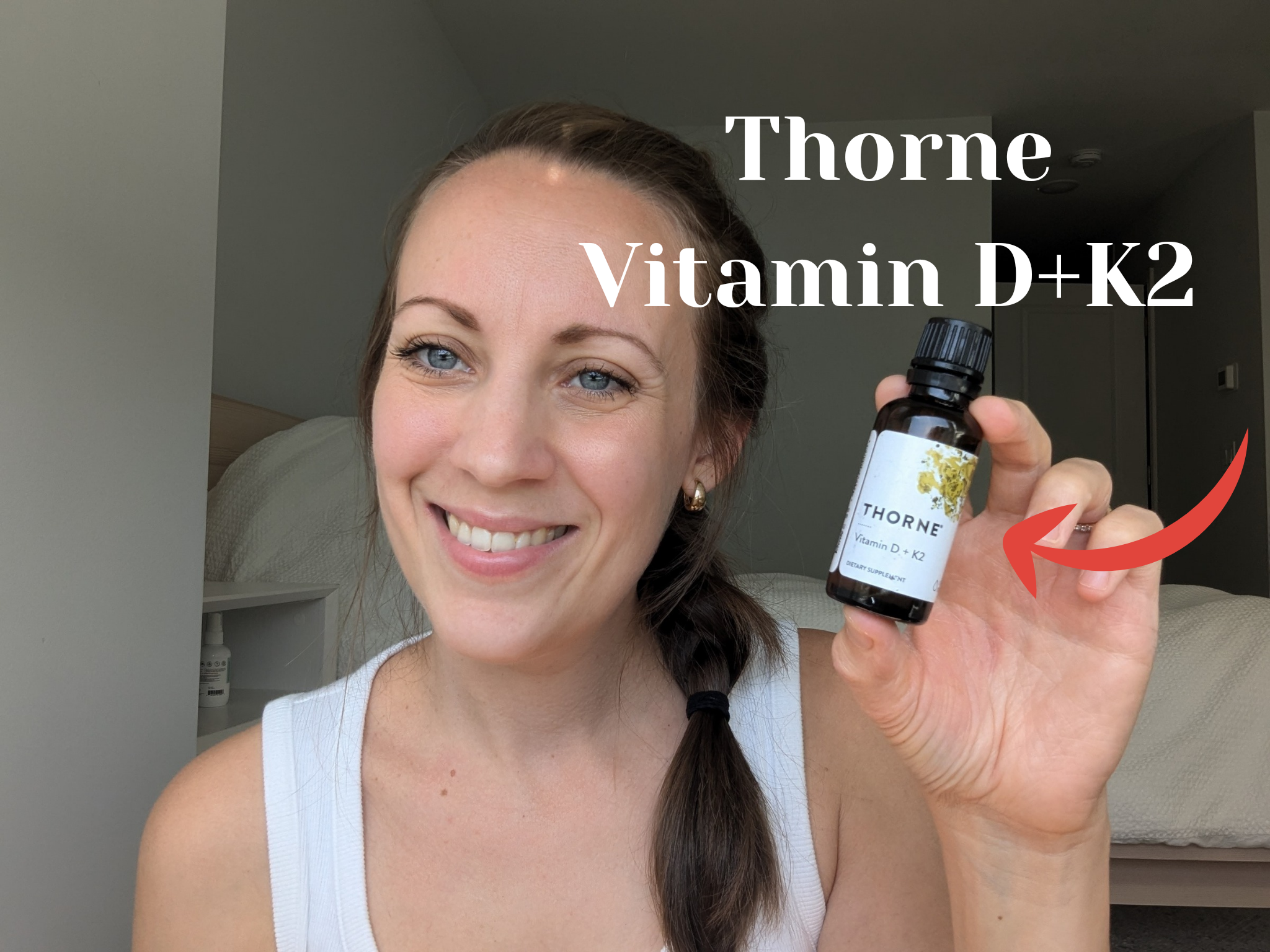
THORNE - Vitamin D + K2 Liquid with a Metered Dispenser - Vitamins D3 & K2 to Support Healthy Bones & Muscles* - 1 Fl Oz (30 ml) - 600 Servings
THORNE - Vitamin D Liquid - Vitamin D Supplement - <strong>Supports Healthy Bones and Muscles, Cardiovascular Health & Immune Function</strong>* - 1 Fl Oz (30 ml) - 600 Servings · THORNE - Vitamin
Health Disclaimer
This content is for informational purposes only and does not constitute medical advice. Always consult a qualified healthcare provider before starting, stopping, or changing any supplement or medication regimen.