

Crohn's Disease
Overview
Crohn’s disease is a chronic inflammatory condition of the gastrointestinal tract and one of the two main forms of inflammatory bowel disease (IBD), alongside ulcerative colitis. It can affect any part of the digestive tract from the mouth to the anus, although it most commonly involves the end of the small intestine and the beginning of the colon. Unlike ulcerative colitis, which is limited to the colon and primarily affects the intestinal lining, Crohn’s disease often causes transmural inflammation, meaning inflammation can extend through the full thickness of the bowel wall. This contributes to complications such as strictures, fistulas, abscesses, and malabsorption.
The condition is generally understood as arising from a complex interaction among genetic susceptibility, immune dysregulation, environmental exposures, and alterations in the gut microbiome. Research suggests that in susceptible individuals, the immune system mounts an ongoing inflammatory response to intestinal microbes or other triggers, leading to cycles of tissue injury and repair. Crohn’s disease often follows a relapsing-remitting course, with periods of active symptoms and periods of relative calm. Common symptoms include abdominal pain, diarrhea, weight loss, fatigue, reduced appetite, and in some cases rectal bleeding. Extraintestinal manifestations may also occur, including joint pain, skin changes, eye inflammation, and liver-related complications.
Crohn’s disease has significant effects on nutrition, growth, quality of life, and mental health, particularly because it often begins in adolescence or early adulthood, though it can occur at any age. Prevalence has risen in many regions worldwide, especially in industrialized countries, and epidemiologic studies indicate that incidence is also increasing in newly industrializing nations. This pattern has prompted ongoing research into diet, antibiotics, urbanization, early-life exposures, and other environmental factors that may influence disease development.
Because Crohn’s disease is chronic and highly variable, care is often individualized and multidisciplinary. Conventional management typically focuses on reducing inflammation, maintaining remission, monitoring for complications, and supporting nutrition and psychosocial well-being. Complementary and traditional systems may frame the condition differently, often emphasizing digestive balance, inflammatory regulation, stress, constitution, and whole-person support. Across all perspectives, Crohn’s disease is recognized as a serious condition that benefits from evaluation and follow-up with qualified healthcare professionals, especially when symptoms are persistent, worsening, or associated with weight loss, fever, dehydration, or bleeding.
Compare Treatment Options
Crohn disease is a chronic, immune-mediated inflammatory bowel disease (IBD) that can affect any part of the gastrointestinal tract, most commonly the end of the small intestine and the colon. Unlike ulcerative colitis, inflammation in Crohn disease can involve the full thickness of the bowel wall and may occur in patchy segments. Symptoms often vary over time and may include abdominal pain, diarrhea, urgency, fatigue, weight loss, reduced appetite, anemia, and sometimes fistulas, abscesses, or narrowing of the bowel. Because the disease can range from mild inflammatory activity to more complicated penetrating or stricturing disease, treatment plans often differ substantially from person to person. Management options vary based on disease location, severity, prior response to therapy, nutritional status, complications, and the balance a patient places on speed of symptom relief, medication burden, and long-term risk reduction. In Western medicine, common approaches include anti-inflammatory drugs used in selected situations, immunomodulators, biologic therapies, nutritional strategies, and surgery when complications arise. In Eastern and integrative frameworks, treatment may also include acupuncture, individualized herbal medicine, and mind-body or dietary support aimed at symptom burden and quality of life. Research suggests some integrative approaches may help selected symptoms or overall well-being, but they are generally considered adjuncts rather than replacements for evidence-based medical management in active Crohn disease.
View treatment comparison (7 options)Medical Perspectives
Two Ways of Seeing Health

Western
scientific · clinical
Western medicine applies science, technology, and clinical experience to treat symptoms through testing, diagnosis, and targeted intervention.

Eastern
traditional · alternative
Eastern medicine focuses on treating the body naturally by applying traditional knowledge practiced for thousands of years, emphasizing balance and whole-person wellness.
Gold Bamboo presents both perspectives side-by-side so you can make informed decisions. We don't advocate for one over the other — your health choices are yours.
Western Medicine Perspective
Western Medicine Perspective
In conventional medicine, Crohn’s disease is classified as a chronic immune-mediated inflammatory disorder. Diagnosis typically draws on a combination of clinical history, laboratory testing, stool studies, endoscopy with biopsy, and imaging such as MRI enterography or CT enterography. Clinicians also assess disease location, severity, inflammatory activity, and complications. Biomarkers such as C-reactive protein and fecal calprotectin are commonly used to help monitor inflammation, although they do not replace direct evaluation. A central modern concept is that symptom control alone may not reflect underlying disease activity; as a result, management increasingly emphasizes objective signs of healing and prevention of long-term bowel damage.
Therapeutic approaches in western medicine may include corticosteroids for short-term control of flares, immunomodulators, biologic therapies, and newer small-molecule agents that target specific inflammatory pathways. Nutritional strategies, treatment of anemia or deficiencies, and preventive care are also important. Surgery is not considered a cure for Crohn’s disease, but it may become necessary for complications such as obstruction, fistulas, abscesses, or medically refractory disease. Smoking cessation is widely recognized as an important part of care because smoking is associated with worse disease course and higher recurrence risk.
Research in Crohn’s disease is active and evolving. Studies continue to examine the role of the intestinal microbiome, dietary patterns, epithelial barrier dysfunction, and precision medicine approaches that may better match therapies to disease subtype. There is also growing attention to mental health, sleep, fatigue, and patient-reported outcomes, reflecting recognition that Crohn’s disease affects more than the bowel alone. Conventional medicine generally supports coordinated care with gastroenterology, nutrition, primary care, and other specialists when needed.
Eastern & Traditional Perspective
Eastern / Traditional Medicine Perspective
In Traditional Chinese Medicine (TCM), Crohn’s disease is not defined as a single disease entity in the modern biomedical sense, but symptoms may be understood through patterns involving the Spleen, Stomach, Liver, and Large Intestine. Traditional frameworks may describe presentations in terms such as Spleen Qi deficiency, damp-heat in the intestines, Liver overacting on the Spleen, or chronic deficiency patterns affecting digestion and vitality. From this perspective, abdominal pain, loose stools, fatigue, poor appetite, and weight loss are interpreted as signs of impaired transformation and transportation, accumulation of dampness, heat, stagnation, or deficiency. TCM approaches have traditionally included individualized herbal formulas, acupuncture, moxibustion, and dietary patterning aimed at restoring balance rather than targeting inflammation in a single mechanistic way.
In Ayurveda, Crohn’s-like symptoms may be discussed in relation to imbalances of Agni (digestive fire), Ama (metabolic toxins), and disturbances involving Vata and Pitta doshas, especially when there is diarrhea, pain, urgency, weakness, and tissue depletion. Classical interpretation often emphasizes impaired digestion, inflammatory irritation, altered elimination, and reduced resilience of the gastrointestinal tract. Management in traditional settings may involve constitutional assessment, herbal preparations, digestive support, stress regulation, and careful attention to food tolerance and daily routine.
Other integrative and naturopathic traditions often emphasize the relationship among gut integrity, immune regulation, stress response, inflammation, and nutrition. Practices such as mind-body support, individualized nutrition counseling, and selected botanical therapies are sometimes explored as adjunctive measures. However, the evidence base for many traditional or complementary interventions in Crohn’s disease remains limited or mixed. Some small studies suggest possible benefit for symptom burden or quality of life in selected settings, but results are not uniform, and safety considerations are important, particularly because people with Crohn’s disease may be using immunosuppressive medicines, may have strictures, or may be vulnerable to malnutrition. For this reason, complementary approaches are generally best understood as areas for informed discussion with qualified healthcare professionals rather than stand-alone substitutes for medical evaluation.
Related Topics
Malabsorption
Malabsorption — condition topic in the Gold Bamboo health ontology.
How They Relate
Crohn's Disease & Malabsorption
Crohn’s disease is a chronic inflammatory condition that can involve any part of the gastrointestinal tract, most commonly the terminal ileum and colon. Malabsorption is a downstream consequence wh...
Supplements & Products
Recommended Products

Crohn's and Colitis For Dummies: Ali, Tauseef, Rubin, David T.
Defining and diagnosing Crohn’s disease and ulcerative colitis · Seeking help from the right group of medical professionals ... Tauseef Ali, MD, is a <strong>consultant gastroenterologist and inflamma
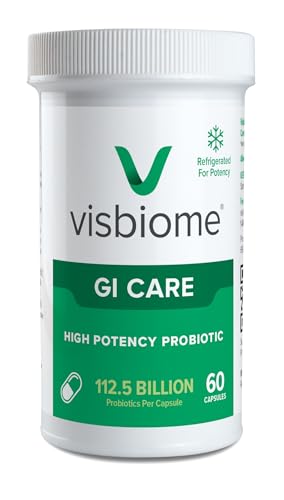
Visbiome® GI Care - High Potency Probiotic - 112.5 Billion CFU Live Probiotics, Original De Simone Formulation, Made in USA, 60 Capsules.
Buy Visbiome® GI Care - High Potency Probiotic - 112.5 Billion CFU Live Probiotics, Original De Simone Formulation, Made in USA, 60 Capsules. on Amazon.com ✓ FREE SHIPPING on qualified orders

Florastor Probiotics for Digestive and Immune Health, 100 Capsules, Probiotics for Women & Men, Helps Flush Out Bad Bacteria, Boosts The Good with Our Unique Strain Saccharomyces Boulardii
Saccharomyces boulardii CNCM I-745 250mg, Lactose 32.5mg.
Evidence & Sources
Promising research with growing clinical support from multiple studies
- National Institute of Diabetes and Digestive and Kidney Diseases (NIDDK)
- National Institute for Health and Care Excellence (NICE)
- American College of Gastroenterology
- European Crohn’s and Colitis Organisation (ECCO)
- The Lancet
- New England Journal of Medicine
- Nature Reviews Gastroenterology & Hepatology
- National Center for Complementary and Integrative Health (NCCIH)
This content is for informational purposes only and does not constitute medical advice. Always consult a qualified healthcare provider before starting, stopping, or changing any supplement or medication regimen.